Introduction
Tired of online art that looks cheap and doesn’t last? You need something truly special, a piece with presence. But finding custom wall art that meets a professional standard is difficult.
The best source for high-quality, custom wall art isn’t a typical online store. It’s a fabrication partner with deep engineering expertise. These specialists masterfully combine material science, precision manufacturing, and structural engineering to turn ambitious designs into lasting, museum-quality installations that are built to spec.
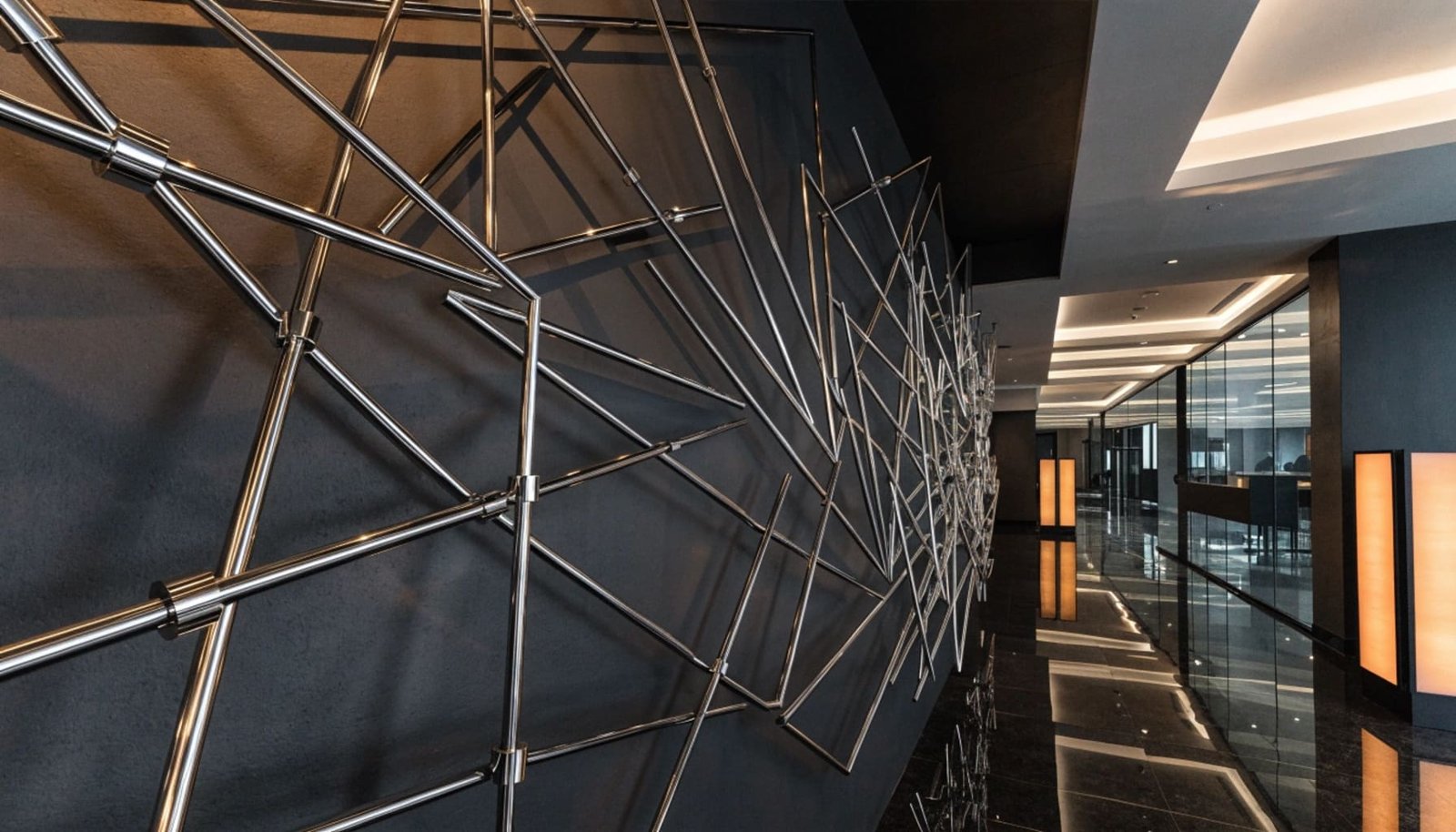
I’ve learned through years of executing complex projects that the difference between “good enough” and “truly exceptional” wall art lies in the technical skill behind it. It’s about moving past the idea of just buying a decoration and embracing the process of commissioning an engineered piece. This is where engineering partners, like my company, come in. We focus on four core strengths that separate gallery-worthy pieces from mass-market decor. Let’s look at what those are.
What Defines Museum-Grade Materials and Surfaces in Wall Art?
Are you worried that a beautiful new art piece will quickly fade, tarnish, or show fingerprints? This is a common problem with lower-quality finishes that fail under real-world conditions.
Truly durable art uses superior materials like 316L stainless steel and advanced surface treatments like PVD coatings. These technologies ensure the piece resists oxidation, scratches, and stains, preserving its beauty for decades with minimal maintenance, just like an artifact in a museum.
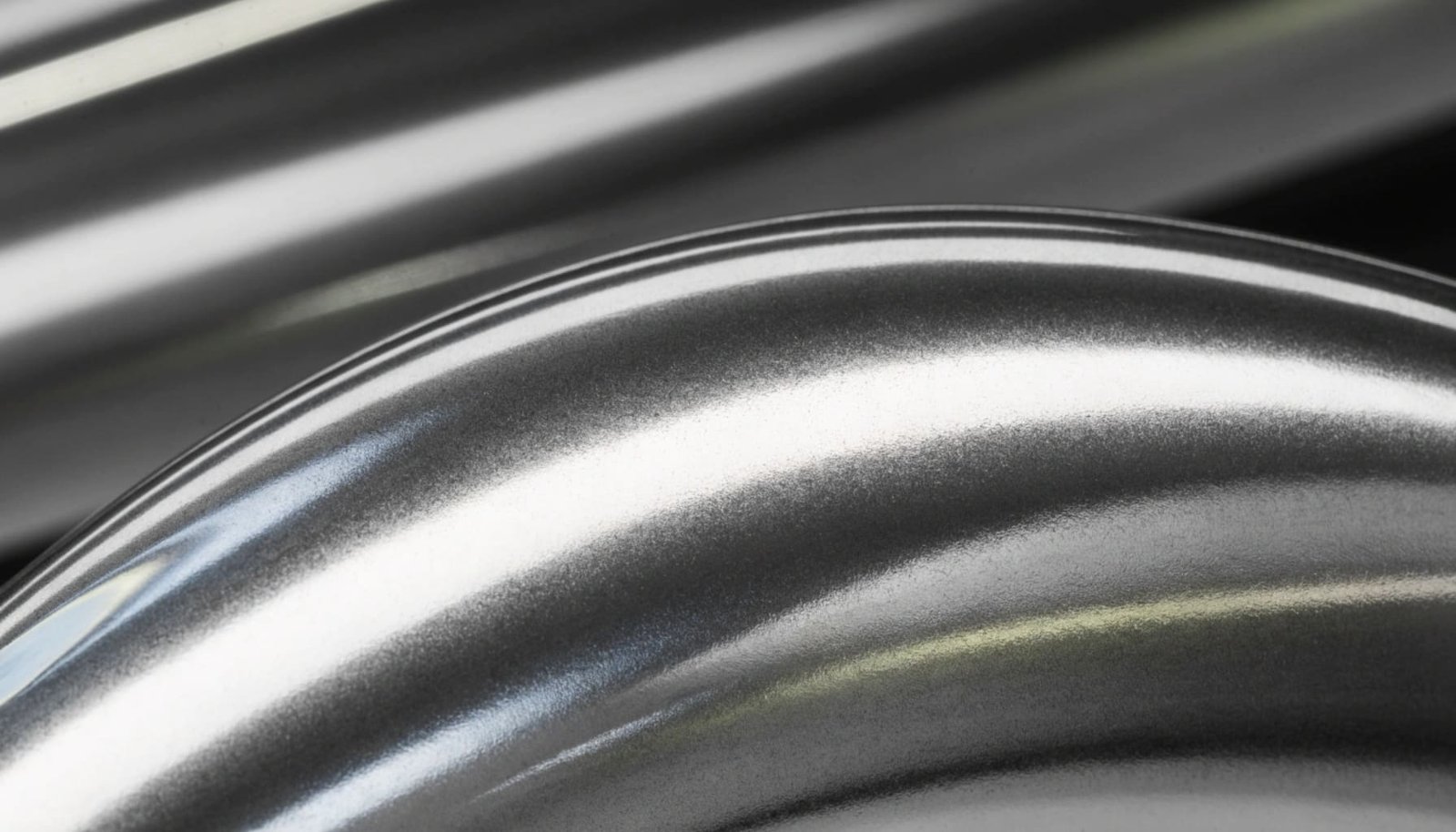
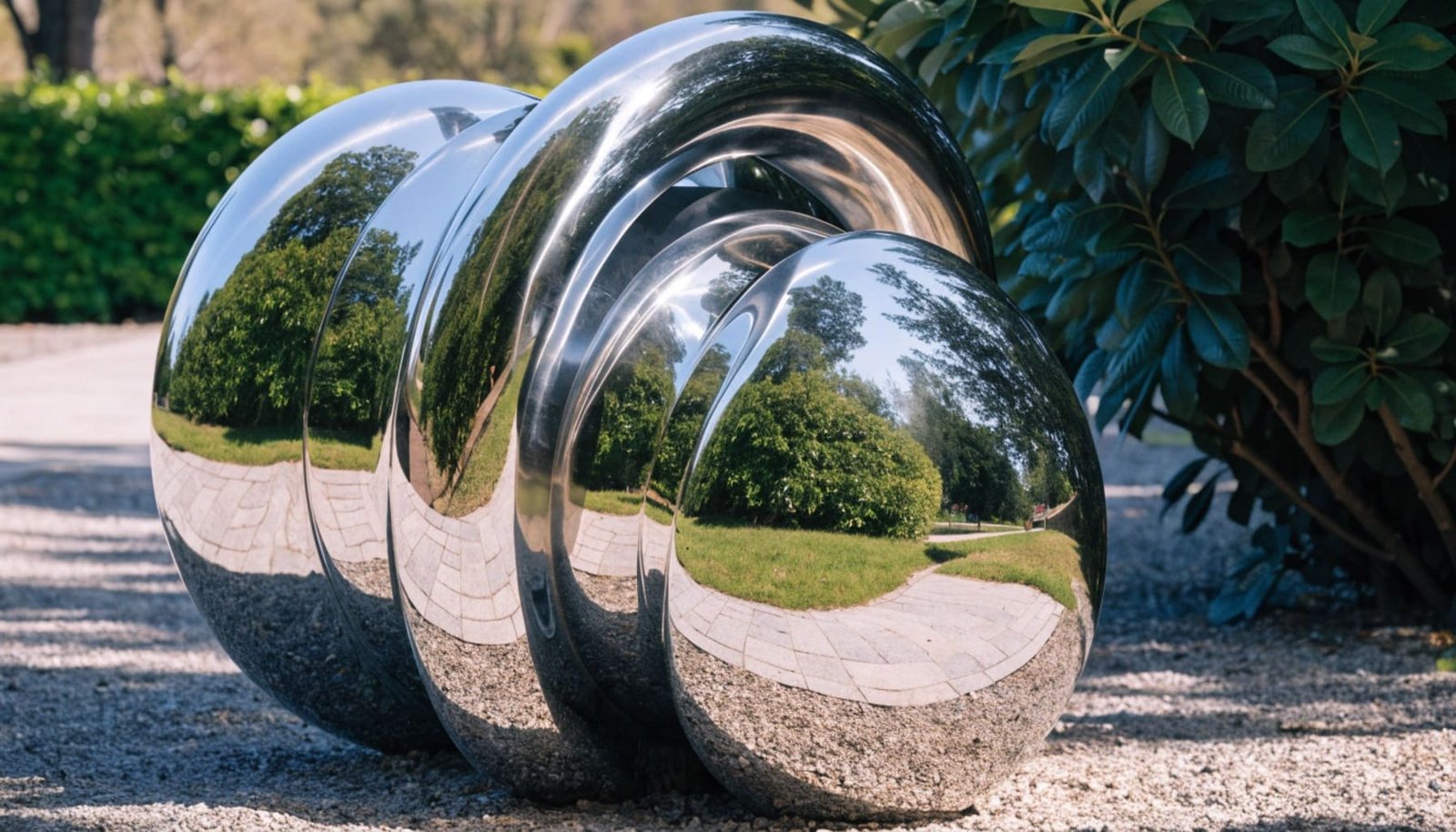
I once worked on a coastal hotel project where the designer specified a series of large, polished metal artworks for an outdoor terrace. The client was concerned about the salty air causing rust and corrosion. Standard decorative pieces would have been a disaster. We moved away from common materials and focused on engineering-grade solutions. Ordinary custom art often relies on cheap spray paints or thin electroplating. These finishes look good at first but can fail within one or two years, showing rust, fading, or ugly smudges from fingerprints.
The secret to longevity is in the material science. We focus on two key areas: the base material and the surface treatment.
1. Superior Base Materials
Instead of using basic steel, we select materials based on the environment. For that coastal hotel, we used 316L “marine-grade” stainless steel, which contains molybdenum to fight salt corrosion. Other projects might call for architectural bronze that is chemically aged for a stable patina or lightweight aviation-grade aluminum for large suspended works.
2. Advanced Surface Technology
The finish is the first line of defense. We use processes like Physical Vapor Deposition (PVD), which bonds a thin layer of titanium or other metals to the surface in a vacuum chamber. This creates an incredibly hard, wear-resistant finish that won’t chip or fade like paint. We then add a molecular-level nano-coating that repels oils, preventing fingerprints and making the surface easy to clean.
Feature | Standard Wall Art | NEXTOP Engineered Art |
Base Material | Standard Steel, Basic Aluminum | 316L Stainless Steel, Aged Bronze, Aviation-Grade Aluminum |
Surface Finish | Spray Paint, Thin Electroplating | PVD Titanium Coating, Nano Anti-Fingerprint Layer |
Durability | 1–2 years before showing wear | Decades of resistance to rust, fading, and stains |
Maintenance | Prone to smudges, requires careful cleaning | Easy to wipe clean, resists fingerprints and wear |
This combination of a robust core and a high-tech surface is what gives our work its museum-grade quality. It’s an investment in art that is engineered to last.
How Can Different Materials Be Fused Together Seamlessly in Art?
Do you love the look of mixed-material art but fear it will crack, separate, or warp over time? It’s a valid concern when combining materials with different physical properties.
The key is micro-tolerance manufacturing. Top-tier fabricators use advanced cutting tools like 5-axis CNC machines and waterjets to control the gaps between materials to within ±0.15mm. They also engineer hidden stress joints to absorb movement, preventing future damage from temperature and humidity changes.
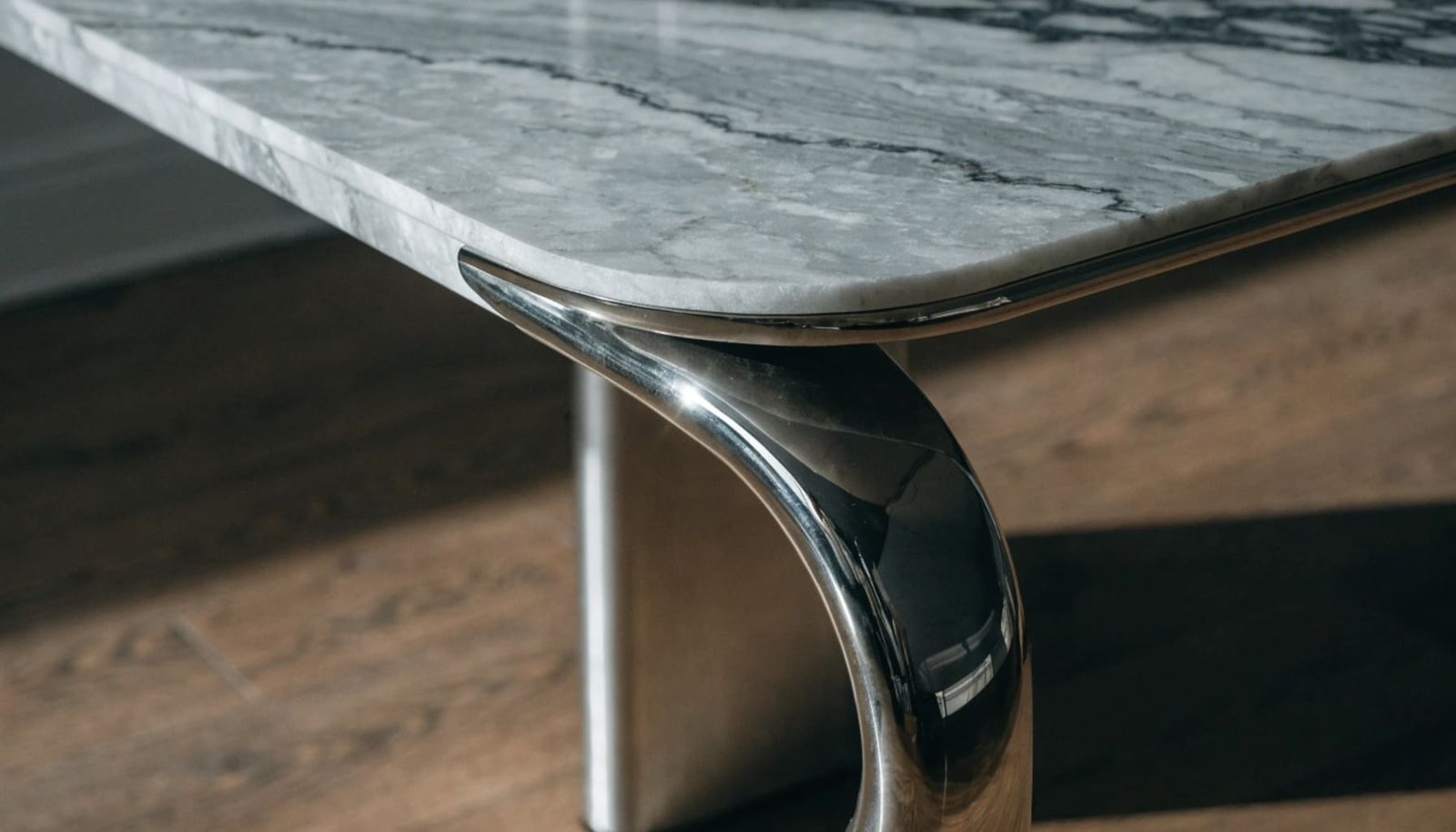
Some of the most striking wall art designs are not made from a single material. They are complex assemblies of polished metal, natural stone, wood, glass, or even acoustic fabrics. The challenge is that each material behaves differently. Wood expands and contracts with humidity, while metal expands and contracts with temperature. If you join them rigidly, something will eventually give, leading to cracks, warping, or delamination.
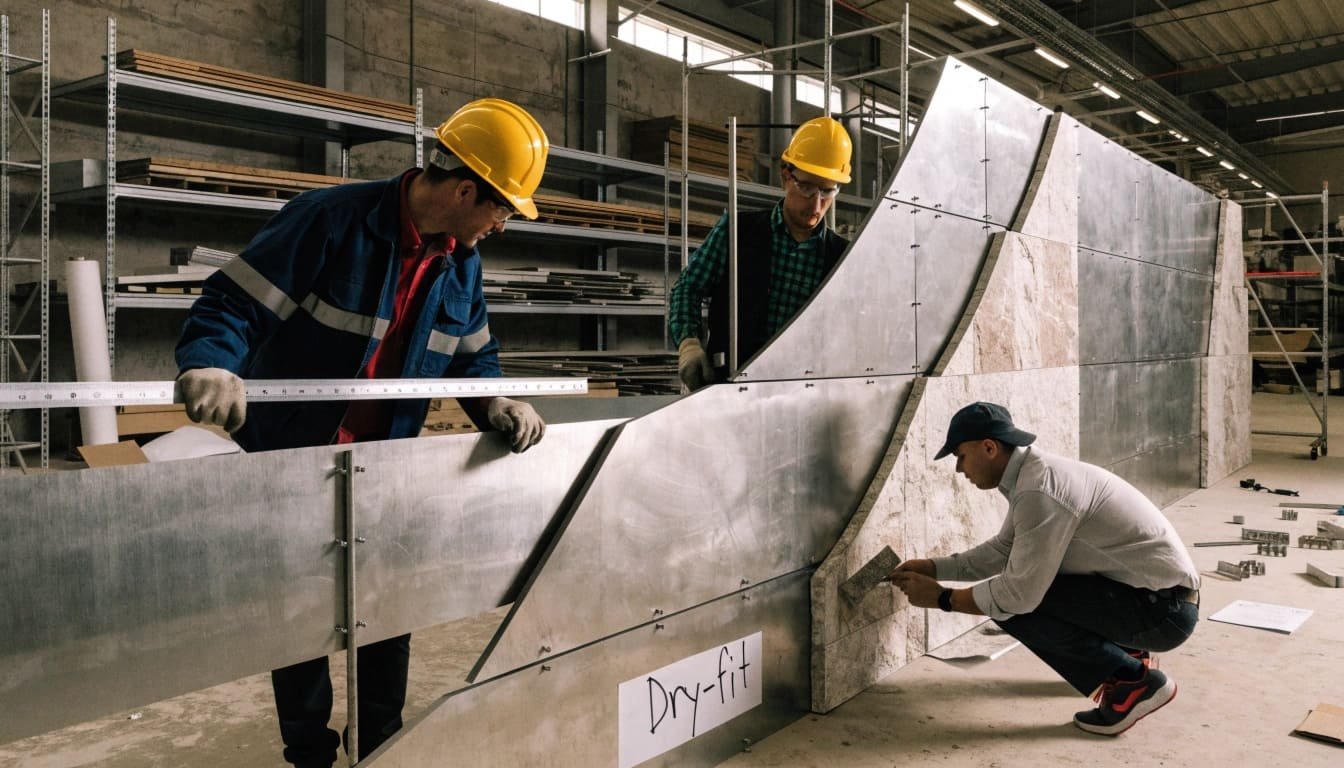
I remember a project for a corporate headquarters in a region with dramatic temperature swings between seasons. The design was a huge wall feature blending stainless steel and large panels of Italian marble. The architect was worried about the joint between the steel and stone buckling over time. This is where precision engineering becomes art. We use a multi-step process to ensure a perfect, stable fusion.
Precision Cutting Technology
We don’t just cut materials; we shape them at a microscopic level.
- 5-Axis CNC & Waterjet Cutting:For hard materials like metal and stone, we use computer-controlled waterjet cutters. These tools use a high-pressure stream of water with an abrasive to cut without generating heat, which prevents warping. They allow us to achieve incredibly tight and consistent tolerances, often as precise as ±0.15mm.
- Laser Cutting: For other materials, high-precision lasers can deliver clean edges and intricate shapes.
Engineering for Movement
Controlling the gap is only half the battle. You also have to manage the forces of nature.
- Controlled Seams:We maintain a consistent, minimal gap (±0.15mm) between different materials. This tiny space is almost invisible to the eye but is critical for preventing stress buildup.
- Hidden Stress Relief Joints:Within the artwork’s internal structure, we engineer concealed expansion joints. These act as buffers, allowing the materials to naturally expand and contract without putting pressure on the visible seams.
This approach allows us to create ambitious, multi-material compositions that remain flawless in any environment, solving the pain point of long-term stability.
How Do You Ensure Heavy Wall Art Is Installed Safely?
Is the thought of a heavy, hundred-pound art piece falling off the wall keeping you up at night? For large-scale metal or stone works, this is a serious safety hazard without proper planning.
A professional fabricator provides a structural and safety audit before the art is even made. They engineer a concealed internal skeleton and mounting system specifically for the piece’s weight and the wall’s structure, ensuring it “floats” safely and securely.
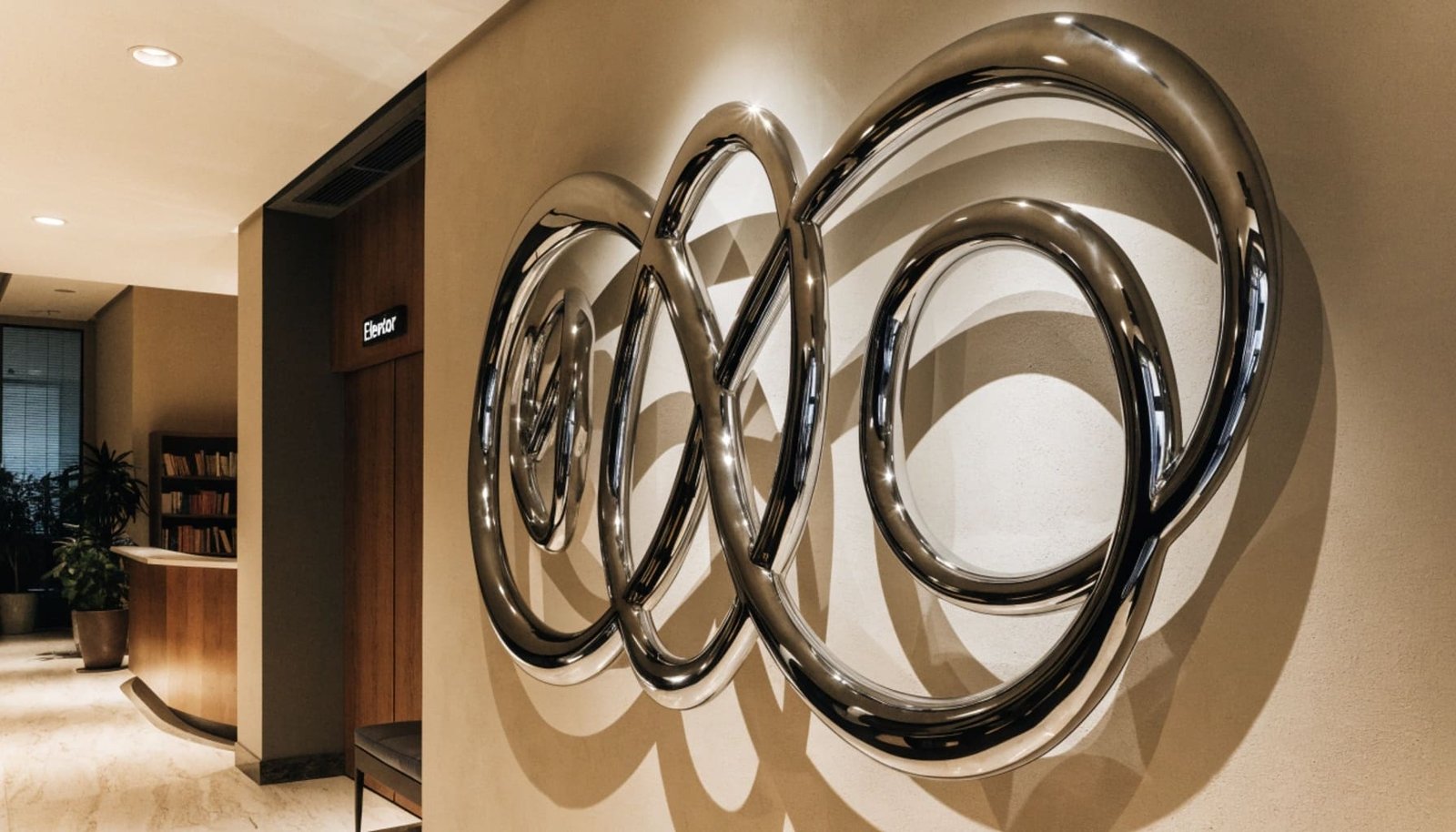
When you are commissioning a large-scale art piece made of heavy materials like bronze or solid stone, its beauty can be overshadowed by the risk it poses. I’ve seen designers hesitate on truly monumental ideas because they weren’t sure how to hang a 300-pound sculpture on a standard drywall partition or a glass curtain wall. Just using a few heavy-duty anchors is not enough; it’s an accident waiting to happen.
Our process treats every large art piece like a small piece of architecture. Safety is designed in from the very beginning, not figured out on installation day. It starts with a pre-production audit.
1. Upfront Mechanical & Structural Audit
Before we build anything, our engineers analyze the design and the installation site. We ask key questions:
* What is the total weight of the piece?
* What is the wall made of (drywall, brick, concrete, glass)?
* Where are the structural studs or support points?
* How will gravity and other forces be distributed across the piece?
2. Designing the Invisible Structure
Based on the audit, we engineer a hidden support system that becomes part of the artwork itself.
- Reinforced Internal Skeletons:For heavy pieces, we embed a load-bearing frame inside. This might be a lightweight but rigid aluminum honeycomb panel or a welded carbon steel skeleton. This frame distributes the weight evenly and prevents the artwork from warping under its own load.
- Concealed Mounting Systems:We design custom, invisible hanging hardware that integrates with the internal frame. This could be a set of interlocking French cleats, reinforced brackets, or custom-engineered attachment points that connect directly to the building’s structure.
I recall a commission for a massive, suspended metal sculpture in a two-story atrium. The piece weighed several hundred pounds and had to hang in open air. Our team designed a custom carbon steel spine that ran through the sculpture and attached to structural beams in the ceiling. The result was a breathtaking installation that appeared to float effortlessly and, more importantly, was completely secure.
How Can I Guarantee My Custom Art Matches the Design and Space?
Are you frustrated by the risk of “what you see is not what you get” when ordering custom pieces online? Mismatched colors, wrong proportions, or a render that looks nothing like the final product.
A truly professional process eliminates uncertainty through detailed shop drawings and 1:1 sample reviews. Using 3D modeling to create precise blueprints and providing physical material samples for approval ensures the final artwork perfectly matches both the design intent and the physical space.
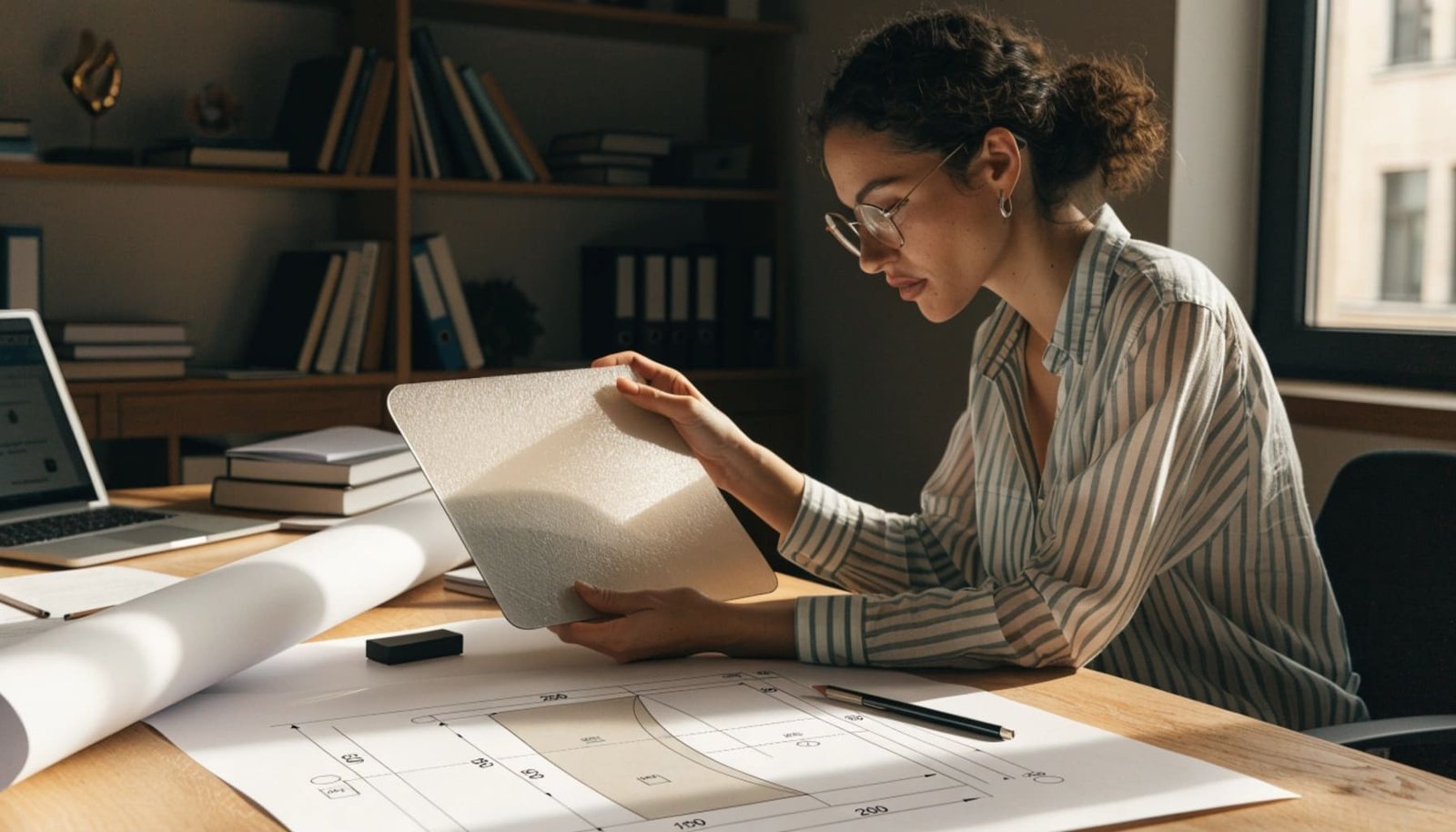
The biggest fear in any custom fabrication project, especially one managed from overseas, is uncertainty. An interior designer spends months perfecting a vision, only for the delivered piece to be slightly off in scale, finish, or proportion. The beautiful 3D rendering doesn’t translate to reality. This happens when the gap between design intent and fabrication execution is too wide.
To close this gap, we rely on a rigorous engineering process that leaves nothing to chance. I believe in a “trust but verify” system, where every detail is confirmed before production begins. This workflow is built on two pillars: shop drawings and sample reviews.
From Concept to Micro-Level Shop Drawings
A concept sketch is just the beginning. Our engineers turn that idea into a detailed manufacturing blueprint.
- 3D Digital Modeling:First, we create a precise 3D model of the artwork. This allows us to check proportions, details, and how it will look in the intended space.
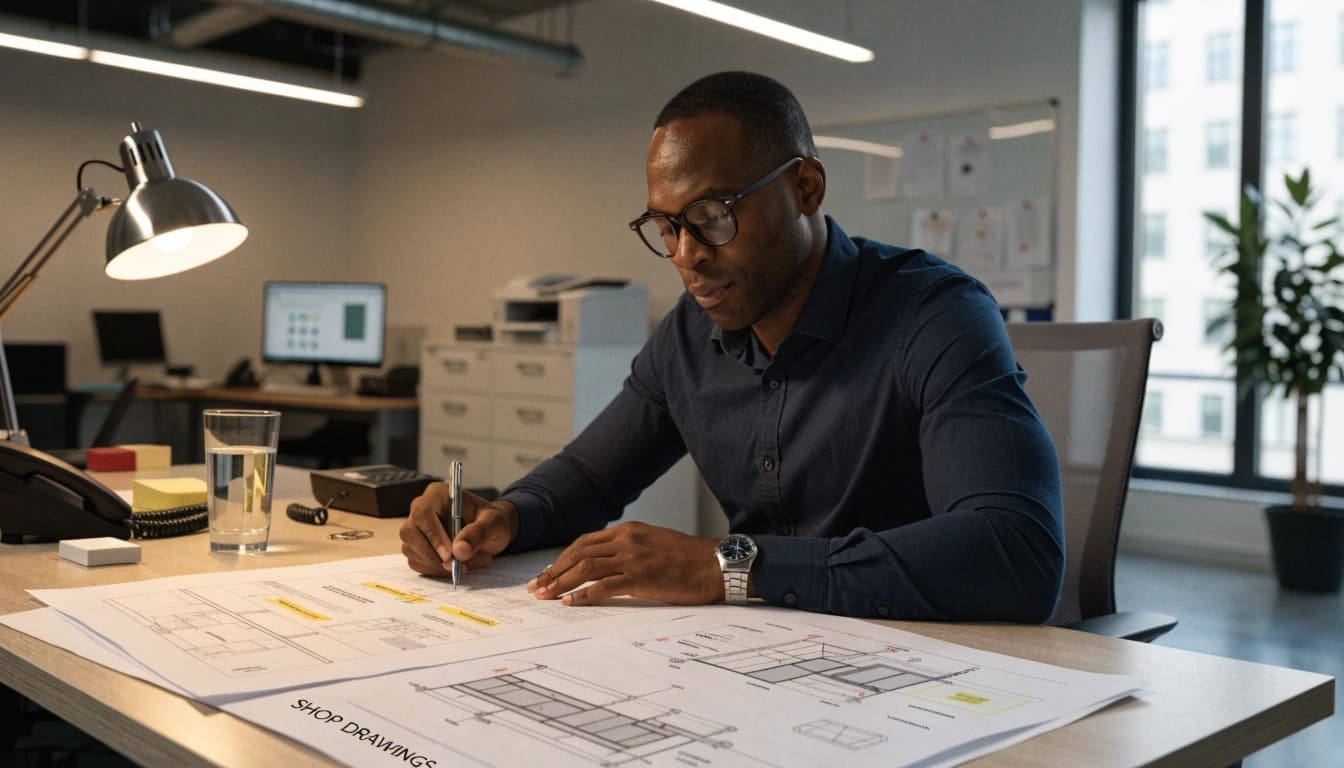
- Shop Drawings:Next, we translate the 3D model into a set of highly detailed 2D documents called shop drawings. These drawings are the instruction manual for our fabricators. They specify every single dimension, material, finish, weld, and assembly detail down to the millimeter.
The Critical 1:1 Sample Review
Drawings are essential, but nothing replaces touching and seeing the real materials. Before full-scale production, we create a 1:1 scale sample of a key section of the artwork. This sample is sent to the client and designer for review. This is the moment of truth. You can see the true color of the metal, feel the texture of the finish, and check the quality of the seams with your own hands.
On one project, a designer had specified a “brushed bronze” finish from a digital swatch. When we sent the physical 1:1 sample, she realized the brushing was too coarse for the delicate look she wanted. We were able to adjust the technique and provide a new sample that was perfect. This simple step prevented a costly and disappointing outcome on the final, full-sized piece.
Conclusion
Ultimately, high-quality custom wall art comes from engineering, not just artistry. By focusing on materials, precision, structure, and process, a true fabrication partner delivers a piece that perfectly matches your vision.