Introduction
Tired of flimsy metal decor that looks cheap? Finding high-quality, lasting metal art online feels like a gamble. You want a statement piece, not something that will rust or warp.
The best online sources for metal art are specialized fabricators who offer commercial-grade engineering. Look for suppliers that provide archival surface treatments, seamless welding, structural engineering for installation, and detailed shop drawings. These four pillars ensure your art is built to museum standards and lasts a lifetime.
Finding a beautiful piece of metal art online is easy. The hard part is knowing if its beauty will last. Many pieces look great in photos but quickly disappoint in person. They might arrive with visible scratches, clumsy weld marks, or a finish that looks more like spray paint than actual metal. I’ve heard stories from clients who bought what they thought was a high-end sculpture, only to see it rust or tarnish within a year. This is a common problem when buying mass-produced decor. But true metal art isn’t just about design; it’s about industrial-strength engineering. Let’s break down the technical capabilities that separate disposable decor from a masterpiece.
How can you tell if metal art will last for decades?
Worried your new metal art will scratch, fade, or fill with fingerprints? Many online pieces use cheap coatings that fail quickly, leaving you with a dull, tarnished, or rusted decoration.
Top-tier suppliers use advanced surface treatments to guarantee longevity. This includes archival-grade Physical Vapor Deposition (PVD) coatings and nano-scale anti-fingerprint layers. These technologies keep your art looking pristine for decades, even in high-traffic or humid environments, without constant cleaning.
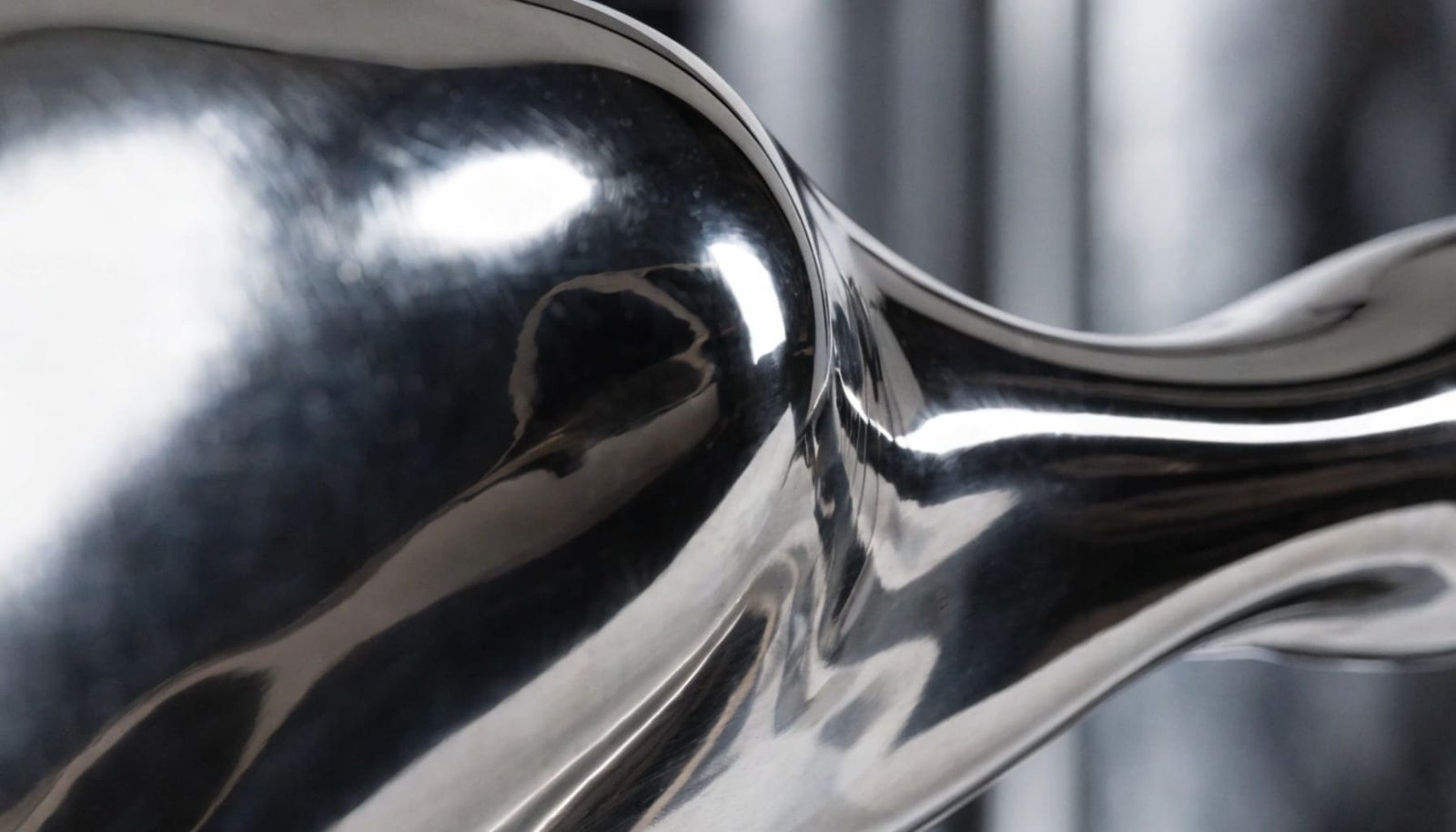
When we talk about the finish on metal art, we’re talking about its first line of defense against the environment. For many online sellers, this is where they cut corners most. They use basic spray paints or low-quality electroplating that looks good for a photo shoot but can’t handle real-world conditions. I once saw a beautiful black metal screen for a commercial project start to bubble and peel after less than two years because the finish couldn’t handle the humidity. This is why we have to go much deeper than just the color.
Archival-Grade Surface Treatment
The gold standard in the custom fabrication world is a process called Physical Vapor Deposition, or PVD. Originally developed for the aerospace and medical industries, PVD is a vacuum-based process that bonds a thin, extremely durable layer of metal onto the surface at a molecular level. Unlike paint, this isn’t a coating that sits on top; it becomes part of the metal itself. The result is a finish that is incredibly resistant to scratches, corrosion, and fading. It’s the same technology trusted for surgical implants and high-end watches, so you know it’s built to last.
Beyond the Finish: Self-Cleaning Technology
Another key technology is the use of anti-fingerprint nano-coatings. This is an ultra-thin, transparent layer applied to the metal that prevents oils, smudges, and dirt from sticking to the surface. This technology makes surfaces very smooth and gives them hydrophobic, or water-repelling, properties. For pieces in a hotel lobby or a busy home, this is a game-changer. It means the art stays looking clean and vibrant without constant wiping. It significantly reduces maintenance costs and keeps the piece looking its best.
Feature | Standard Online Metal Art | High-End Custom Metal Art |
Coating Type | Spray paint or basic electroplating | PVD (Physical Vapor Deposition) Coating |
Durability | Prone to scratching, peeling, and rust | Highly resistant to scratches and corrosion |
Maintenance | Requires frequent cleaning, shows fingerprints | Anti-fingerprint nano-coating keeps it clean |
Lifespan | 1-2 years before showing wear | Decades of stability and colorfastness |
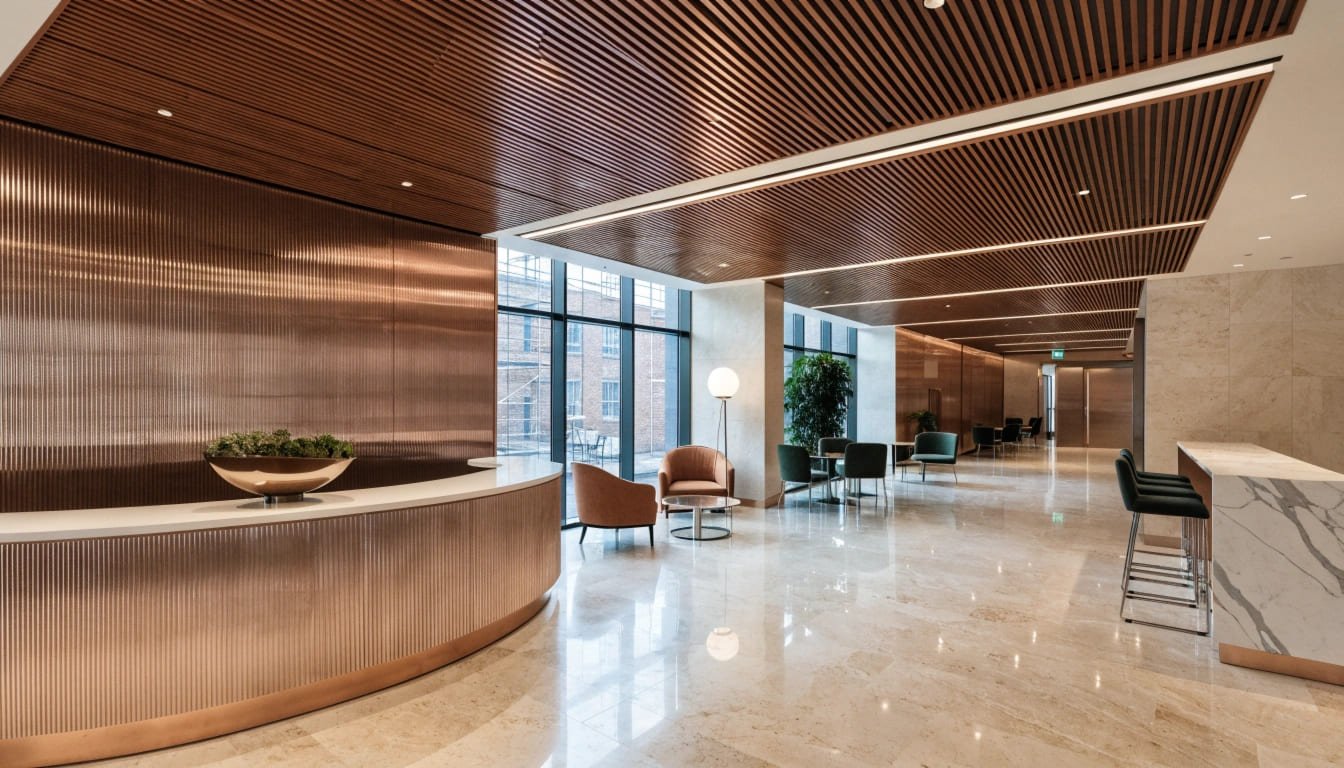
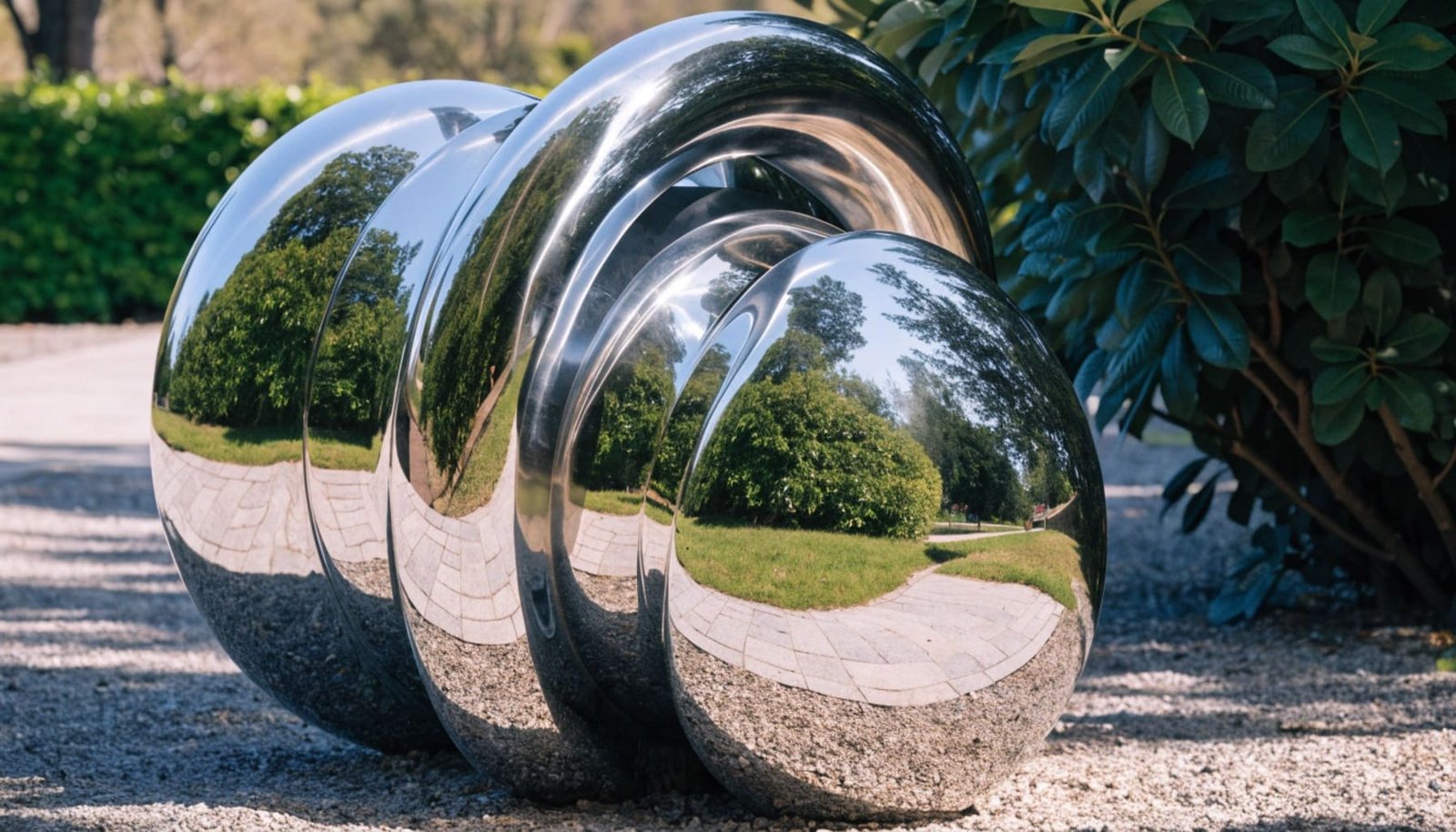
Ultimately, a superior finish is about ensuring the artist’s vision endures. By using PVD and nano-coatings, we can create metal art that maintains its texture and luster for years, whether it’s a mirror-polished steel sculpture or a brushed bronze wall panel.
Why do some metal pieces look seamless while others look clunky?
Have you ever seen a metal sculpture that looks like it was carved from a single block? Then you see another with ugly, obvious weld marks at every joint, ruining the entire effect.
The difference is in the welding and finishing process. Top fabricators use micro-TIG welding and multi-stage hand polishing to create invisible seams. This makes joints so clean and smooth that the piece appears fluid and unified, turning industrial material into a true work of art.
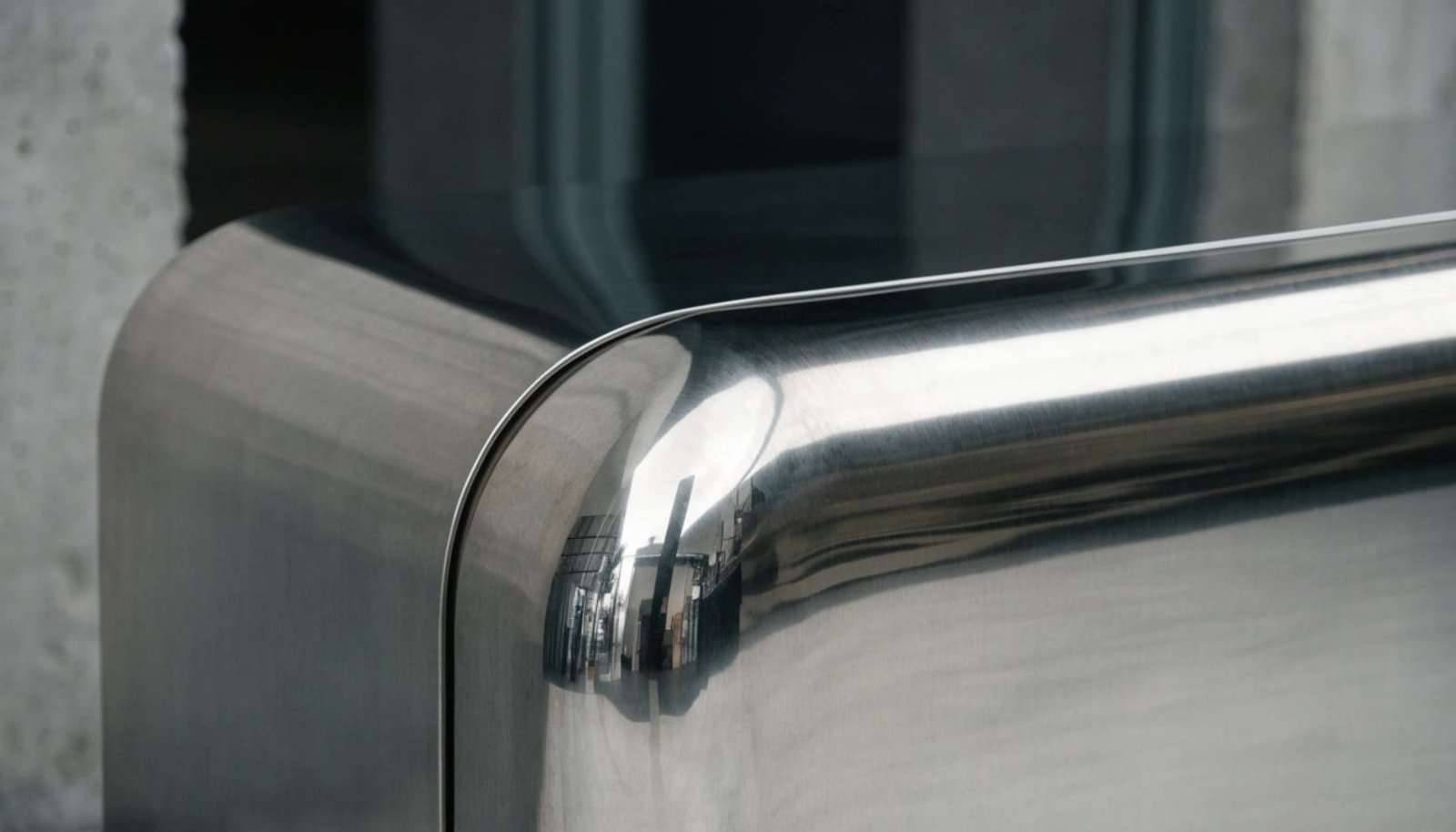
The magic of high-end metalwork often lies in what you can’t see. When you look at a complex metal sculpture, your eye should follow its form and lines, not get distracted by bumpy connections. Unfortunately, many consumer-grade metal products are assembled with cheap, fast welding techniques that leave behind rough spots, discoloration, and distortion. I remember inspecting a set of metal room dividers for a client who had bought them online. The design was great, but every corner had a messy weld that completely undermined the sleek, modern look they wanted. True artistry requires a much more precise approach.
Zero-Seam Micro-TIG Welding
To achieve that “carved from one piece” look, we rely on a technique called Tungsten Inert Gas (TIG) welding. TIG welding is a highly precise process that uses a non-consumable tungsten electrode to create the weld. This gives the welder incredible control over the heat, which is essential for preventing distortion, especially on thin materials. The result is a very clean, strong weld with minimal spatter, making it ideal for aesthetic projects where the final look is critical. We use micro-TIG welding to join corners and complex curves with a tolerance of just ±0.15mm. This precision ensures there are no black burn marks or heat-affected zones visible.
The Art of the Invisible Finish
After welding, the real work begins. Achieving a truly seamless transition requires multiple stages of manual polishing and grinding. Our artisans meticulously work each joint, grinding it down and then polishing it with progressively finer abrasives. The goal is to make the seam not only visually invisible but also undetectable to the touch. You should be able to run your hand over the surface and feel no break or edge. This is what transforms a collection of metal parts into a single, flowing art piece. It’s a labor-intensive process, but it’s the only way to elevate heavy industrial work into something that feels like liquid art.
How do you safely hang heavy or complex metal art?
Worried that stunning, large-scale metal sculpture might damage your wall or even fall? This is a valid concern, as improper mounting of heavy art is a serious safety risk.
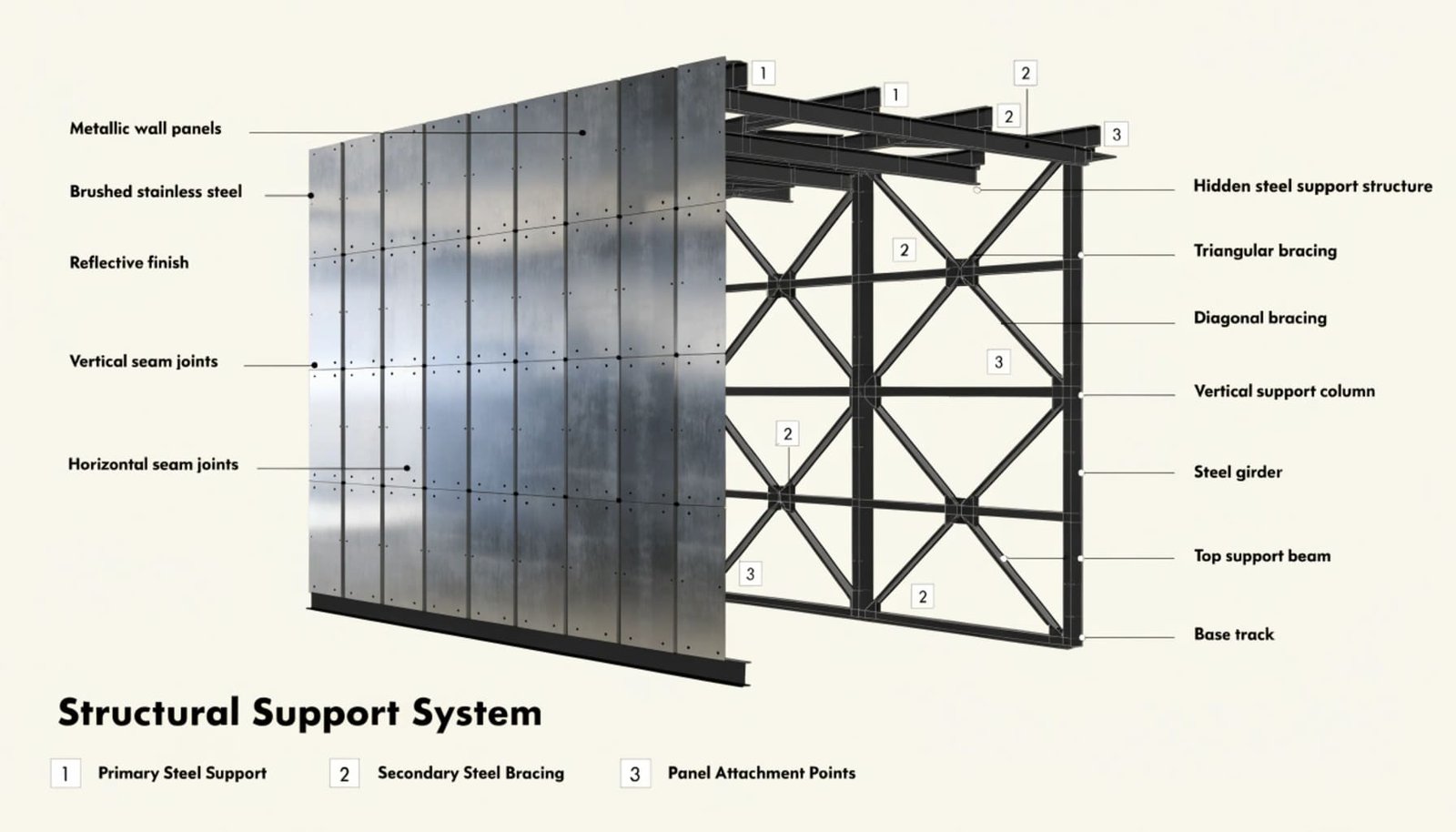
The best suppliers provide structural engineering and hidden support systems. They audit the structure during the design phase and pre-engineer integrated steel frames or mounting cleats to distribute the weight safely. This ensures your large-format art appears to “float” securely on any surface.
I once got a call from a hotel manager in a panic. A large, heavy metal piece they had installed in their lobby was starting to pull away from the wall. The original supplier hadn’t accounted for the weight distribution on a standard plasterboard wall. It was a disaster waiting to happen. This is a perfect example of why the best metal art is about more than just the art itself; it’s also about the engineering behind it. Modern art pieces are rarely just a single material. They often incorporate heavy elements like natural stone, solid wood, or artistic glass, and may even include hidden LED lighting. Without proper structural planning, these beautiful creations can become dangerous liabilities.
Pre-emptive Structural Audits
A top-tier fabricator doesn’t just build the art; they engineer the installation. The process starts during the shop drawing phase. We conduct a structural audit to understand the wall’s load-bearing capacity and material composition. Whether it’s drywall, brick, or a temporary partition, the mounting solution must be designed for that specific context. [30] For heavy pieces, we always recommend hardware rated for at least double the art’s actual weight to create a safety buffer.
Hidden Frameworks and Multi-Material Integration
For large or complex installations, we engineer a hidden support system. This is often a carbon steel or aluminum sub-frame that gets mounted directly to the building’s structural studs. The artwork is then attached to this invisible backbone. This approach, similar to using a French cleat system, distributes the load safely across a wide area, making the art incredibly secure. It also allows the piece to sit flush against the wall, creating a “floating” effect. Furthermore, this internal skeleton is designed to manage the different expansion and contraction rates of various materials. Metal, stone, and wood all react to temperature and humidity changes differently. Our engineered structures absorb these stresses, preventing warping or damage over time and ensuring the artwork remains stable and secure for years to come.
How can you be sure your custom metal art will look right?
Buying custom art online can be nerve-wracking. How do you know the final piece will match the design, fit your space, and meet your quality standards without seeing it first?
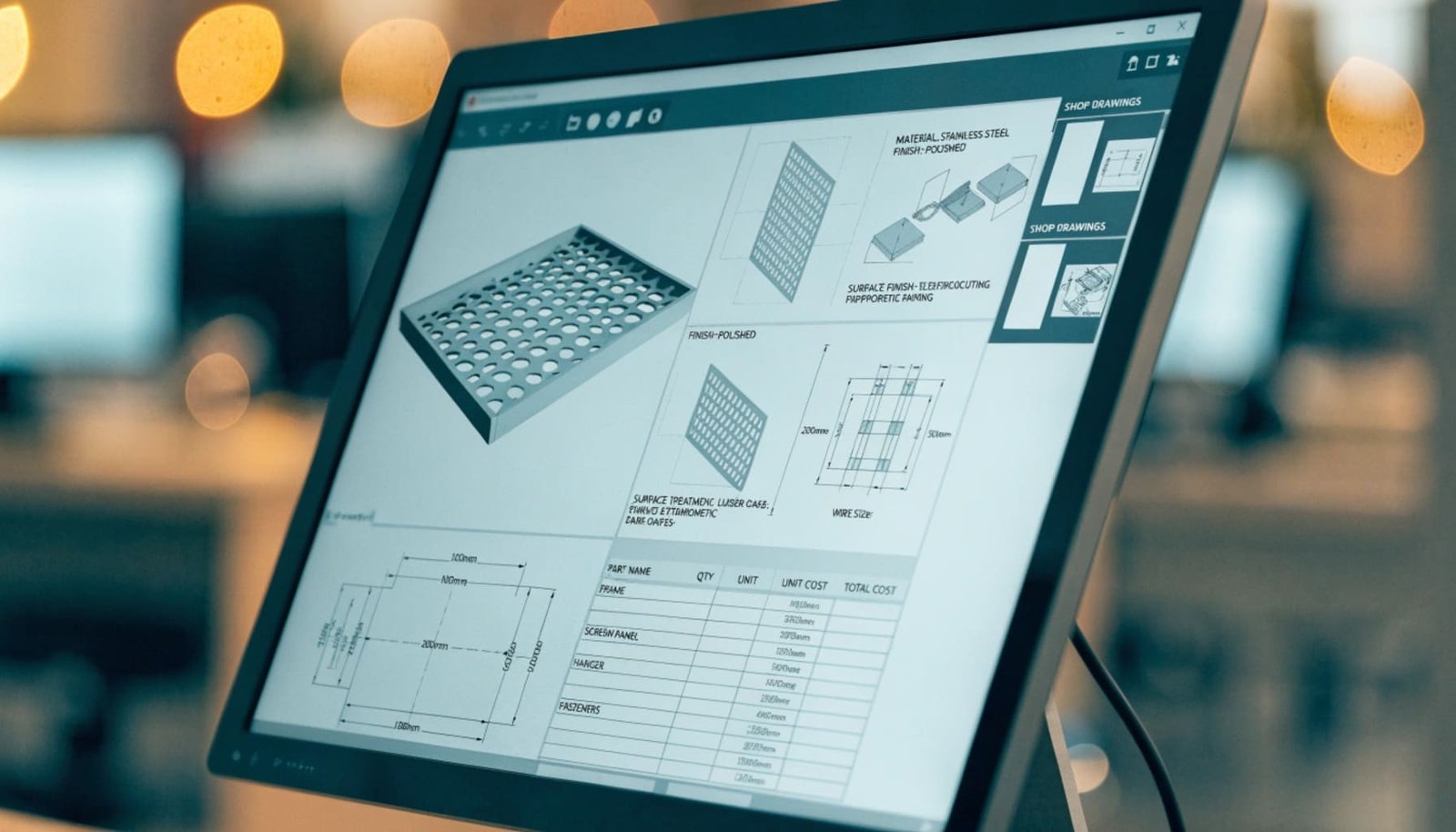
The best online fabricators eliminate this uncertainty with a transparent, digitally-driven process. They translate your concept into precise shop drawings and use CNC laser cutting to ensure 1:1 accuracy. They also offer 3D renderings and samples, giving you complete confidence before production begins.
One of the biggest fears in commissioning a bespoke piece from an overseas supplier is the gap between imagination and reality. A client once showed me a picture of a metal partition they ordered online. The design was right, but the proportions were completely off for their room, and the quality was nowhere near what the rendering promised. This is why the process before any metal is cut is the most critical part of the project. At NEXTOP, we’ve built our entire system around closing that gap and removing all uncertainty for our clients.
From Digital CAD to Flawless Execution
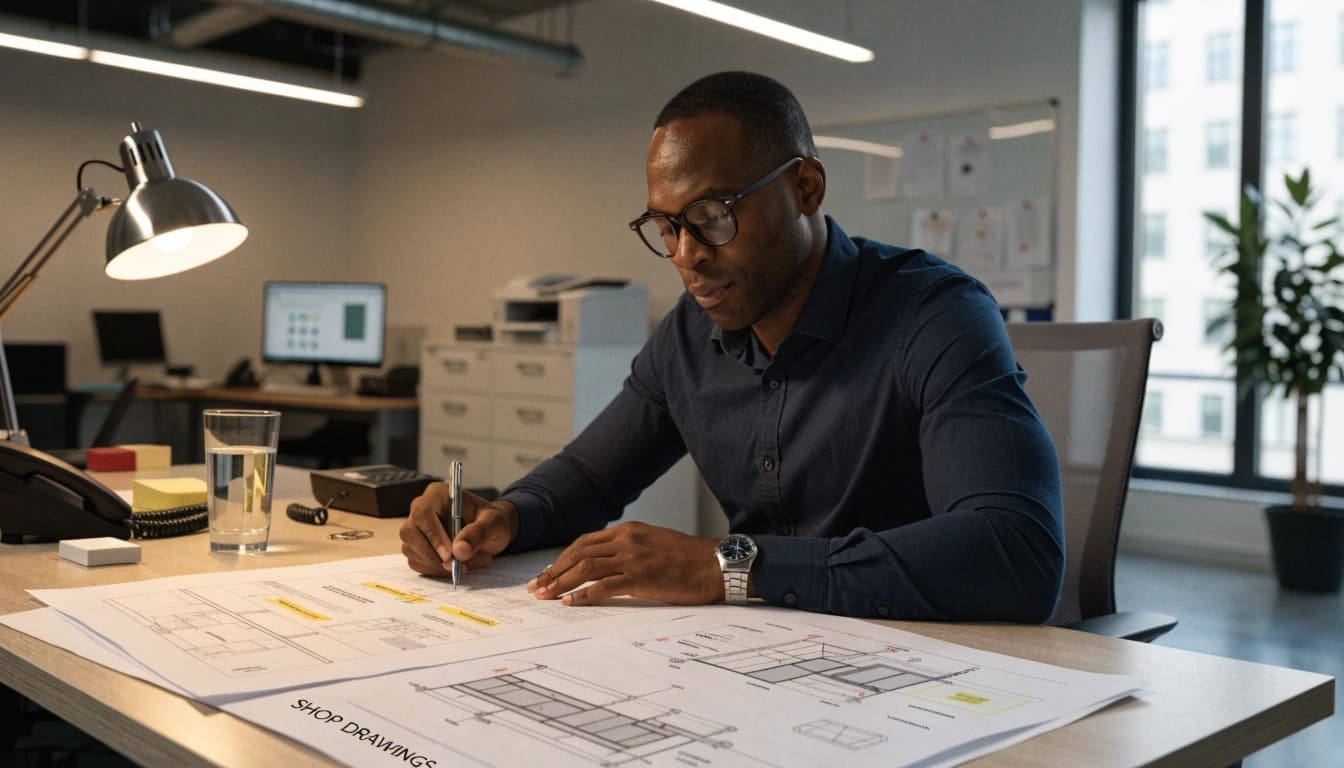
It all starts with your design. Whether you provide a simple sketch or a full architectural plan, our first step is to create detailed shop drawings. These are the master blueprints that define every single detail of the project—precise dimensions, material specifications, weld types, and assembly instructions. These drawings are the rulebook that our fabrication team follows, ensuring nothing is left to interpretation.
Next, these approved shop drawings are converted into code for our machines. We use Computer-Aided Manufacturing (CAM) software to translate the design into instructions for our 5-axis CNC laser cutters. This automated process allows us to cut the metal with incredible precision, reproducing the design with perfect accuracy every time. This digital workflow from CAD to CAM to CNC ensures that the final product is a 1:1 replica of the approved drawings.
Eliminating All Doubt
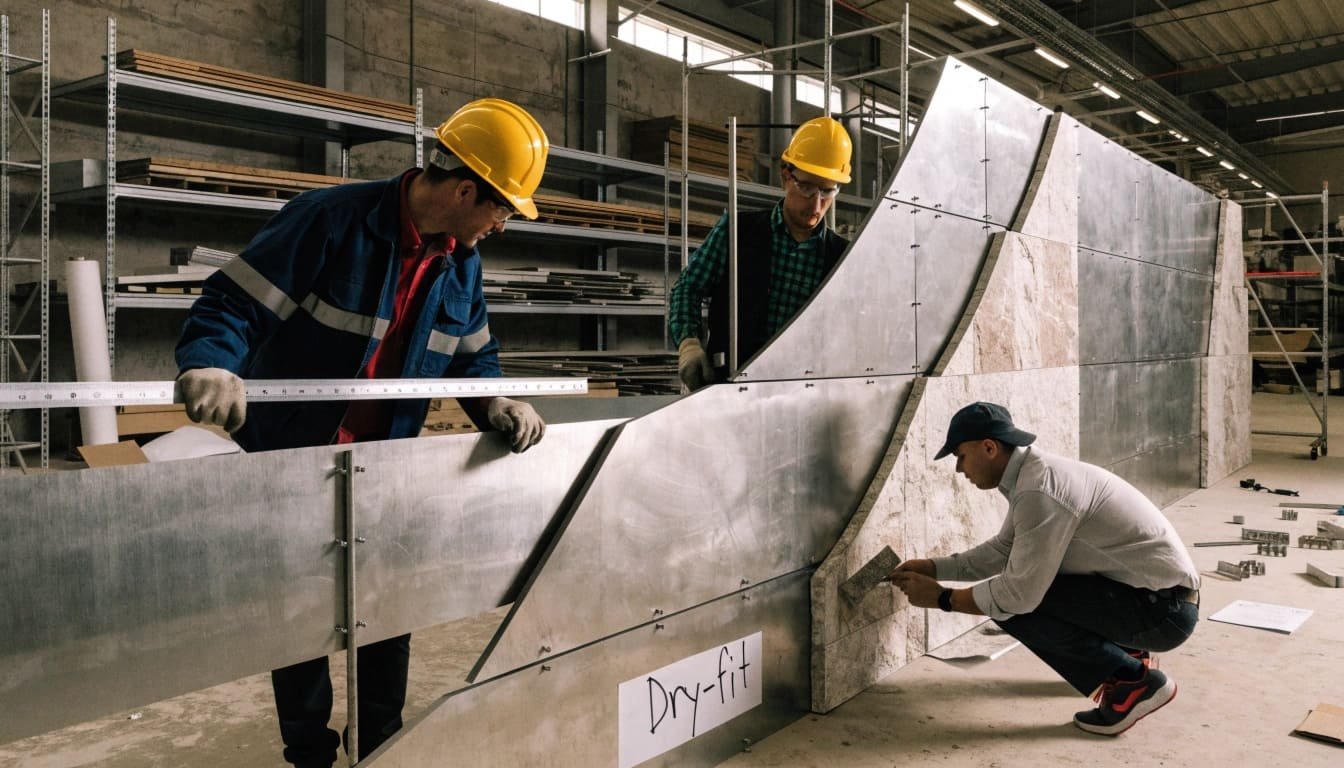
To give our clients total peace of mind, especially on large or bulk orders, we provide 3D renderings to visualize the piece in their space. Before starting full production, we can also produce a small-scale sample or a full-size section of the artwork for approval. This allows you to see and feel the finish, verify the color, and inspect the build quality firsthand. This combination of detailed drawings, precise digital manufacturing, and physical samples removes all the guesswork and risk from buying high-end, non-standard metal art online. You know exactly what you’re getting before it ever leaves our facility.
Conclusion
To find the best metal art, look past the photos and focus on the fabricator’s engineering capabilities. True quality lies in archival finishes, seamless welds, structural integrity, and a precise digital workflow.