Introduction
Tired of outdoor furniture that rusts, fades, or falls apart? Finding a supplier who delivers lasting quality can be frustrating. You need pieces that look great and endure the elements.
The best outdoor furniture suppliers are engineering firms disguised as furniture makers. They prioritize material science to combat weather damage. This means using marine-grade metals, advanced coatings, quick-drying foams, and fade-proof fabrics to ensure every piece withstands years of sun, salt, and rain.
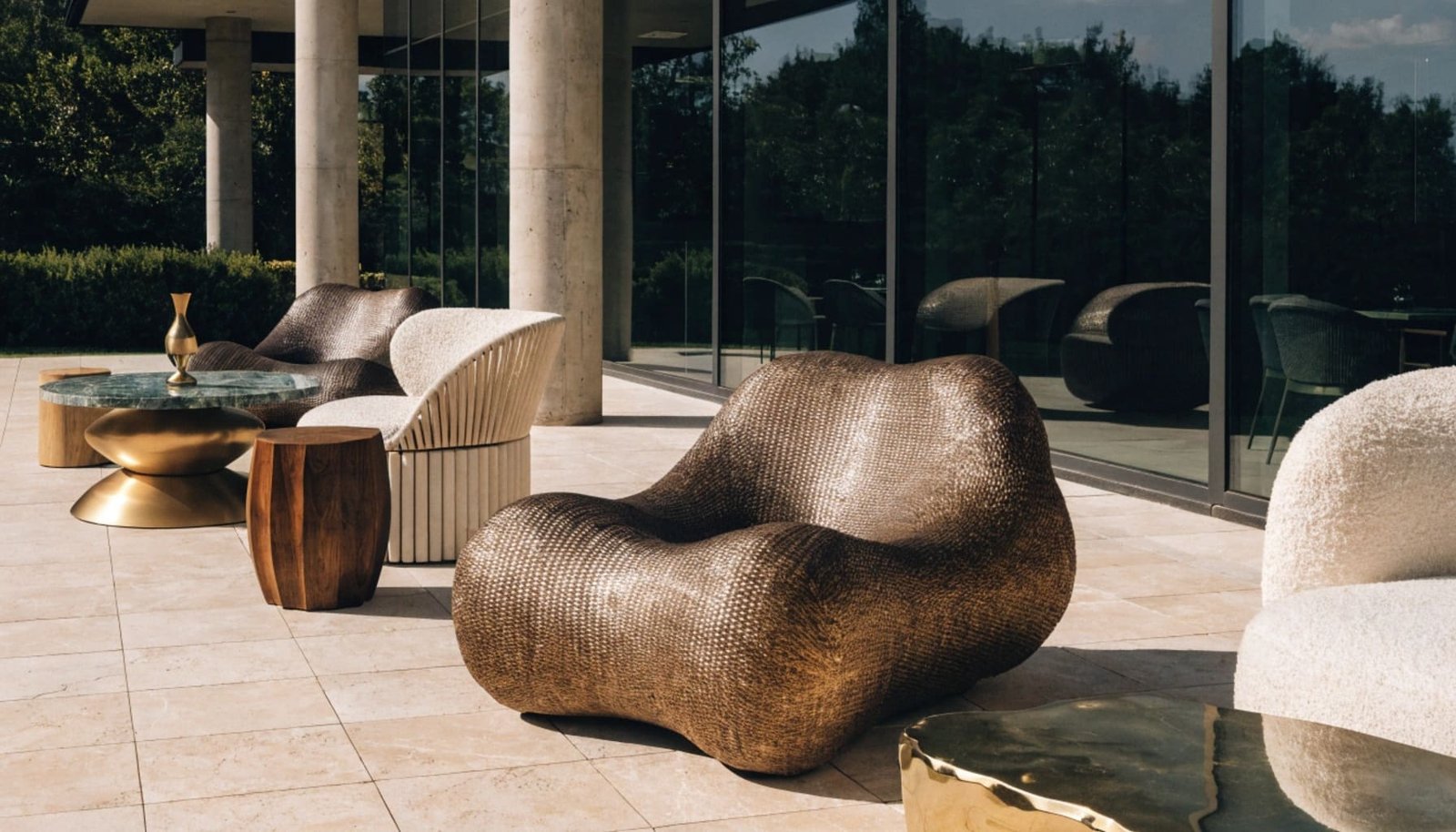
When I first started in this business, I thought outdoor furniture was all about looks. A client for a beautiful coastal resort in the Caribbean had chosen some very stylish pieces from a catalog. But just one year later, I got a call. The metal was bubbling, the fabric was faded, and the cushions were moldy. It was a disaster. That experience taught me a hard lesson: for commercial projects, aesthetics are secondary to engineering. A great supplier isn’t just selling a chair; they’re selling a long-term solution engineered to survive in the toughest environments. It’s about moving past the “look” and digging into the science of durability.
Do they master materials that defeat corrosion and decay?
Worried your beautiful new patio chairs will become a rusty, faded mess? The biggest enemy of outdoor furniture is the constant attack from salt air and harsh sun.
Top suppliers build a defense matrix with extreme materials. They use 316L stainless steel for its superior corrosion resistance and solution-dyed acrylic fabrics that lock in color. This ensures your furniture won’t rust, bubble, or have its cushions turn brittle and moldy after one season.
Engineering Against the Elements
When we talk about outdoor furniture for hospitality or high-end commercial projects, we are really talking about a battle against nature. The biggest disasters are not spills or scratches, but the slow, relentless attacks from the environment. Salt spray from the coast causes metal to rust and bubble. Intense ultraviolet (UV) light makes fabrics fade and turn brittle. And constant moisture leads to waterlogged cushions that grow mold and mildew.
A top-tier supplier’s real strength is in their mastery of materials science. It’s not just about picking a material that looks good, but about creating a system of materials that work together to resist these attacks. Here’s how we approach it:
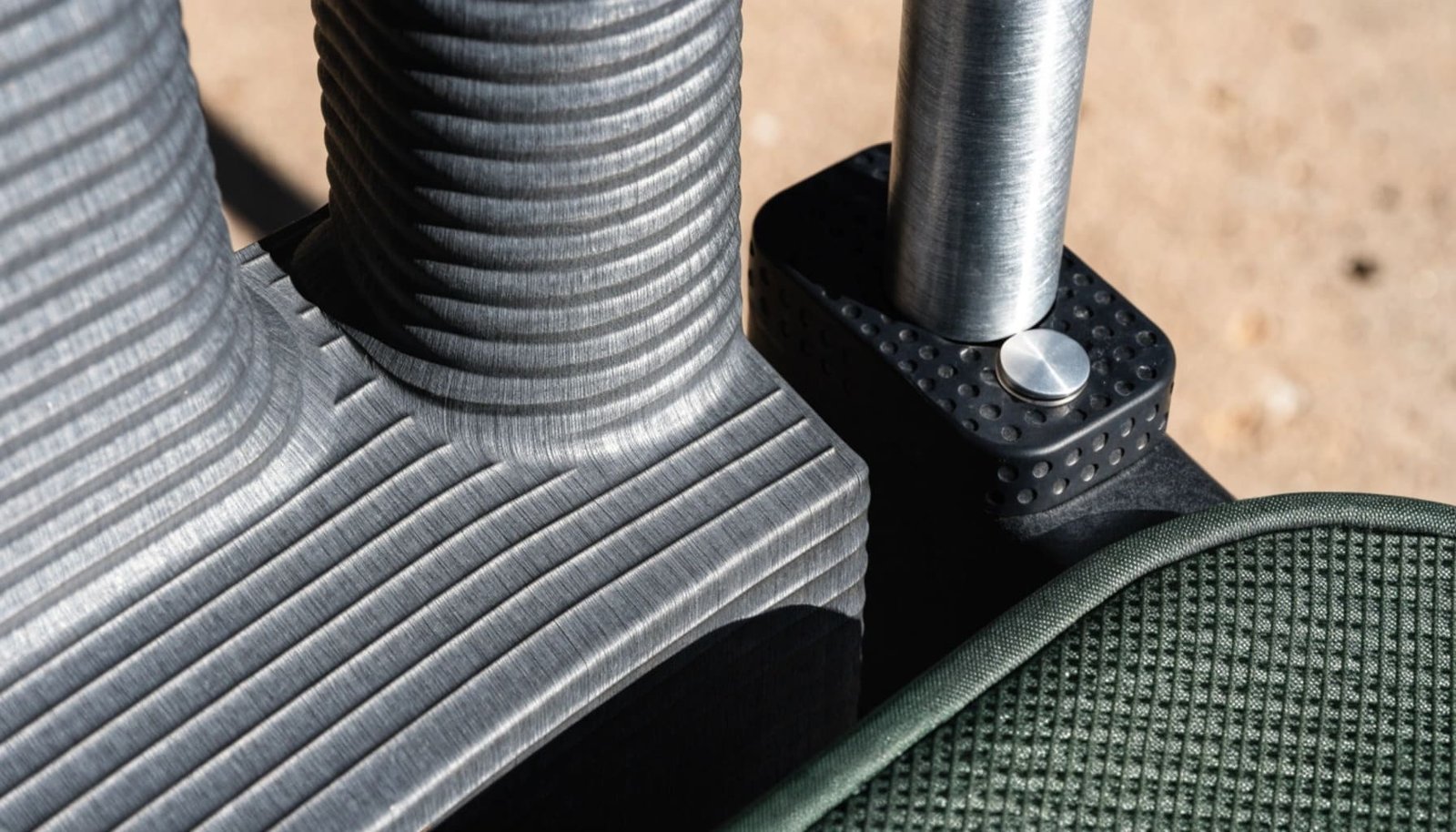
- The Frame: We don’t use standard steel. We choose metals like 316L “marine-grade” stainless steel or aerospace-grade aluminum. The “L” in 316L stands for low carbon, which improves its resistance to corrosion even after welding. It contains molybdenum, an element that makes it exceptionally resistant to salt and other chlorides.
- The Finish: The metal surface is protected with advanced coatings. One option is a Physical Vapor Deposition (PVD) coating, where a thin layer of durable material like titanium is bonded to the surface in a vacuum.This creates an incredibly hard, scratch-resistant, and corrosion-resistant finish. Another is an outdoor-grade powder coat designed to resist fading and chalking after thousands of hours of salt spray testing.
- The Cushion Core: We use reticulated polyurethane foam, also known as quick-dry foam. Its completely open-cell structure allows water to drain through instantly, preventing it from becoming a sponge for rain and humidity.This design maximizes airflow, stopping mold and mildew before they can start.
- The Fabric:The final layer of defense is a solution-dyed acrylic fabric. Instead of dyeing the finished yarn, the color pigment is mixed into the liquid acrylic polymer before the fiber is even created. Think of it like a carrot, which is orange all the way through, versus a radish, which is only red on the outside. This process makes the color a permanent part of the fiber, offering extreme resistance to fading from UV exposure and making it water-repellent and easy to clean.
Can their furniture survive extreme temperature swings?
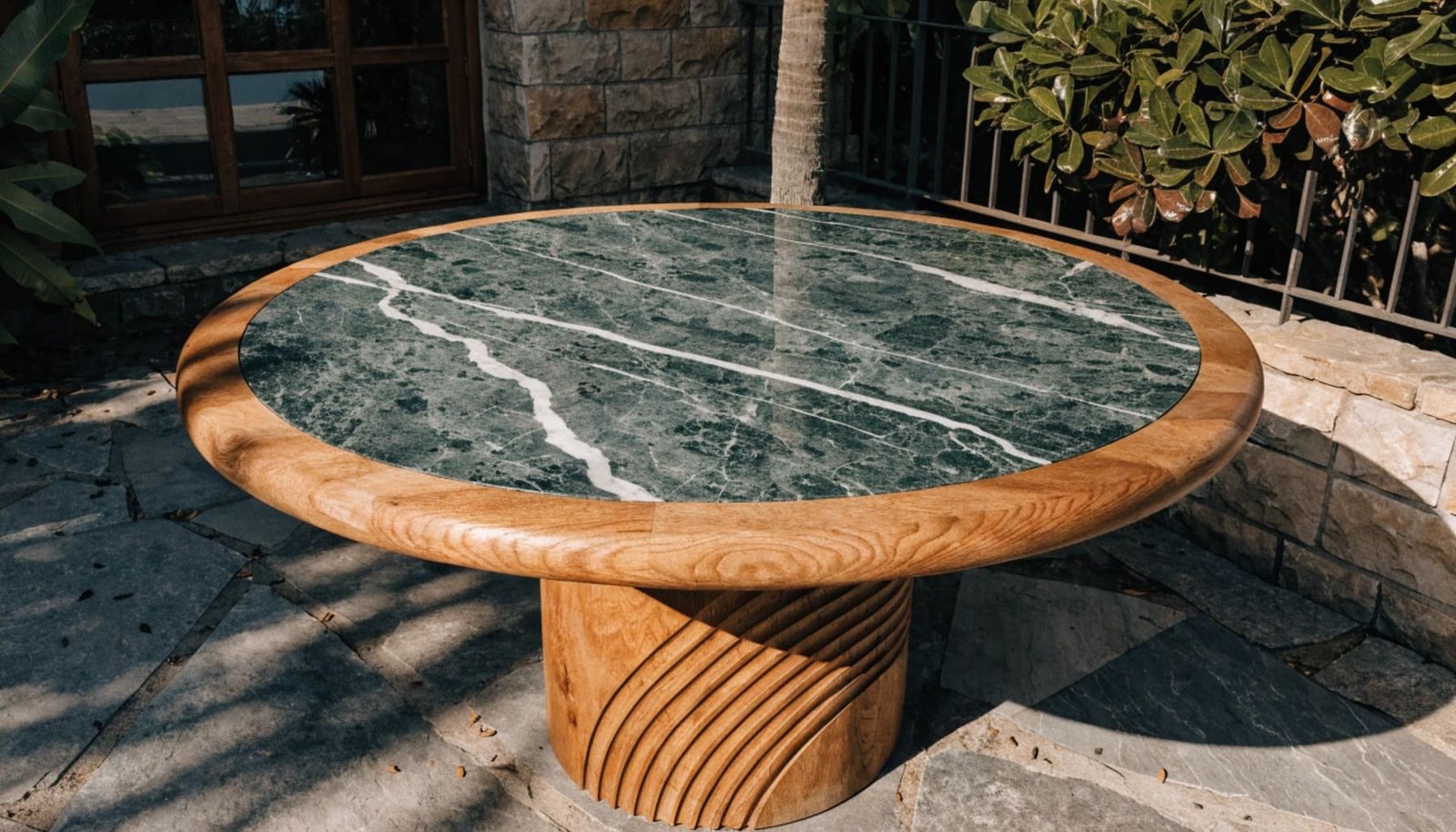
Ever seen a beautiful stone tabletop crack or a wood deck warp? This happens when different materials expand and contract at different rates during sudden temperature changes, creating immense physical stress.
The best factories can audit and control these forces. They use high-precision CNC machining to ensure tight seams and design hidden stress-buffering joints. This allows the furniture to “breathe” during extreme heat and cold, ensuring the structure remains perfect and never cracks or warps.
Buffering Thermal Stress Across Materials
Outdoor furniture often features stunning combinations of wood, stone, and metal. While visually appealing, these mixed-material designs present a huge engineering challenge: thermal expansion. On a hot summer day, a dark metal frame can reach scorching temperatures, while a sudden downpour can cool it rapidly. Each material expands in the heat and contracts in the cold at a different rate. This difference creates powerful stress. Over time, that stress can cause a heavy stone top to crack, a wooden inlay to warp and pop out, or welded joints to fail. It’s a slow-motion force that can tear furniture apart from the inside.
A truly elite supplier understands how to manage these forces. It’s not just about assembly; it’s about structural auditing and precision tolerance control. We address this in two ways:
- Unmatched Precision: We rely on advanced 5-axis CNC (Computer Numerical Control) machining. This technology allows us to cut and shape components with extreme accuracy. We can control the gaps between different materials to within ±0.15mm. This tight tolerance minimizes movement and ensures a seamless look, but it’s only half the solution.
- Hidden Buffers:Inside the furniture, we engineer invisible solutions to absorb stress. This includes using specialized, flexible fasteners that allow for micro-movements without loosening. We also design tiny, hidden expansion joints or “settlement gaps” in places where different materials meet. These features act as physical buffers, giving the wood, stone, and metal room to expand and contract naturally without putting pressure on each other.
The result is a piece of furniture that looks and feels like a single, solid unit but is engineered to breathe with the environment. It can handle a 60°C sunbath followed by a cold rainstorm without the risk of cracking or warping, ensuring the structure remains flawless for years.
Is it engineered to resist high winds in commercial spaces?
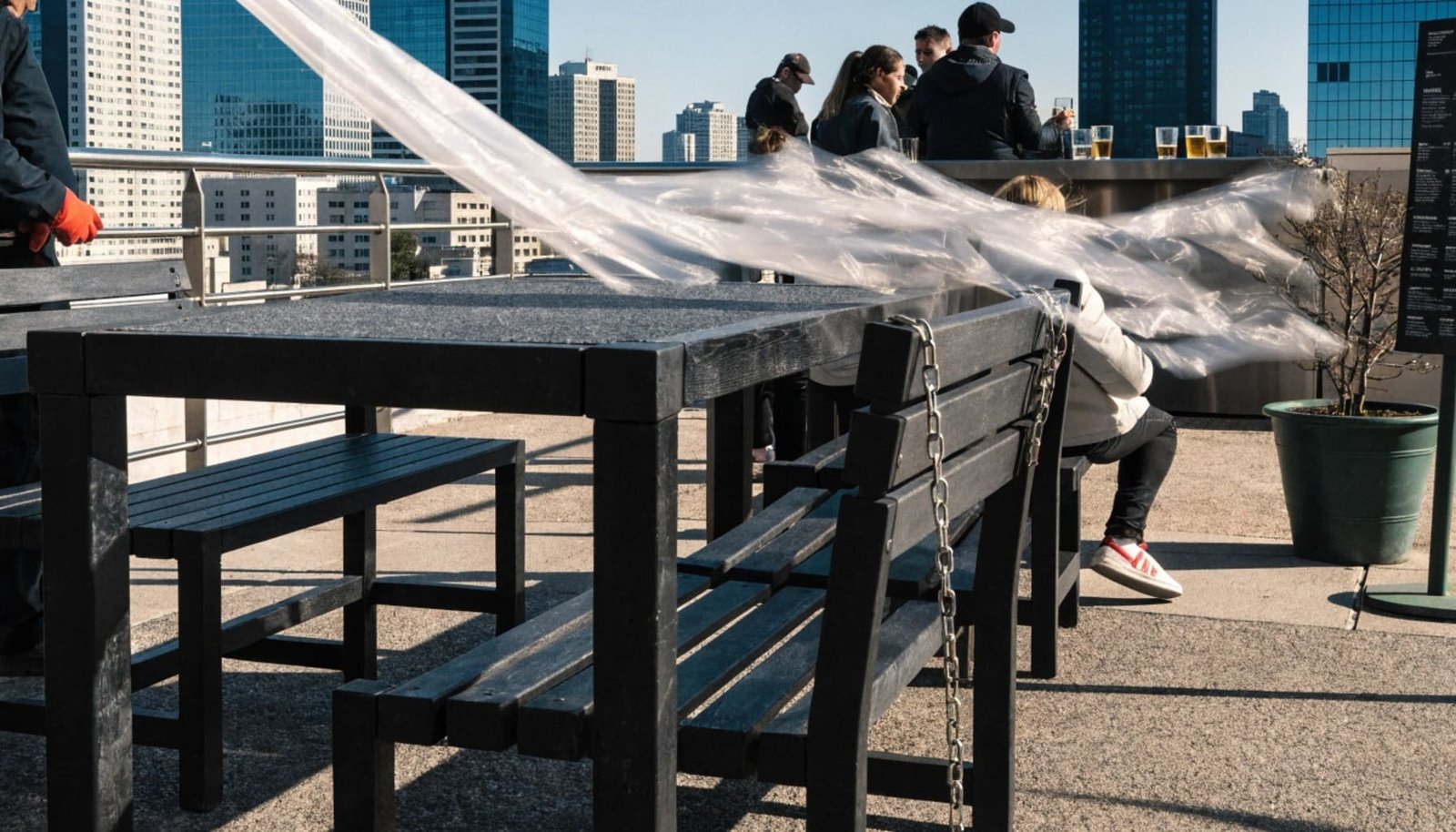
Imagine patio chairs and tables being blown across a rooftop bar or a seaside resort during a storm. This is a serious safety hazard and a liability for any commercial property.
Top suppliers offer hidden engineering to add weight and stability without sacrificing design. They integrate high-density steel weights inside slim frames or design invisible anchoring systems. This ensures the furniture passes commercial wind-load tests, like those from BIFMA, protecting your property and guests.
Balancing
Minimalist Design with Heavy-Duty Stability
For commercial venues like coastal hotels, high-rise terraces, and open-air restaurants, wind is a serious operational threat. Standard residential outdoor furniture is often too lightweight for these environments. A strong gust of wind can easily lift a chair or even a small table, turning it into a dangerous projectile. This not only causes damage to the furniture and property but also poses a significant safety risk to guests and staff. For a commercial operator, this is an unacceptable liability. However, simply making furniture heavy and bulky is not the answer, as it often conflicts with the elegant, minimalist aesthetic that designers and architects want.
The solution lies in “invisible” structural engineering. A superior supplier can deliver furniture that appears light and graceful but is secretly fortified against high winds. This requires a sophisticated approach to design and manufacturing that combines both form and function.
We achieve this in several ways:
- Concealed Weighting:For pieces with sleek, slender frames, we embed high-density carbon steel blocks inside the hollow structures. This adds significant weight and lowers the center of gravity, making the furniture extremely stable without altering its visual profile. From the outside, the design remains clean and elegant, but the piece is deceptively heavy and rooted to the ground.
- Hidden Anchoring Systems:For certain installations, we design discreet anti-wind fixtures. These can be concealed brackets that allow the furniture to be securely fastened to the deck or patio floor. The hardware is hidden from view, so it doesn’t interrupt the aesthetic. This provides an absolute guarantee against movement, even in stormy conditions.
All our commercial-grade outdoor furniture is engineered to pass rigorous industry tests, such as those developed by the Business and Institutional Furniture Manufacturers Association (BIFMA). These standards simulate real-world forces, including heavy loads and dynamic wind resistance, to ensure products are safe for public use. This commitment to tested performance provides peace of mind and protects the assets of any public space.
Does it lower maintenance costs and improve my ROI?
Tired of constantly oiling wood furniture or scrubbing away stubborn stains? High maintenance costs can turn a beautiful outdoor space into a financial drain for hotel and property managers.
The best manufacturers use advanced surface technologies to create low-maintenance furniture. Nano-level coatings make surfaces resistant to oils, fingerprints, and chemical cleaners, drastically reducing upkeep. This lowers the total cost of ownership and directly improves your long-term return on investment (ROI).
Thinking Beyond Purchase Price to Total Cost of Ownership
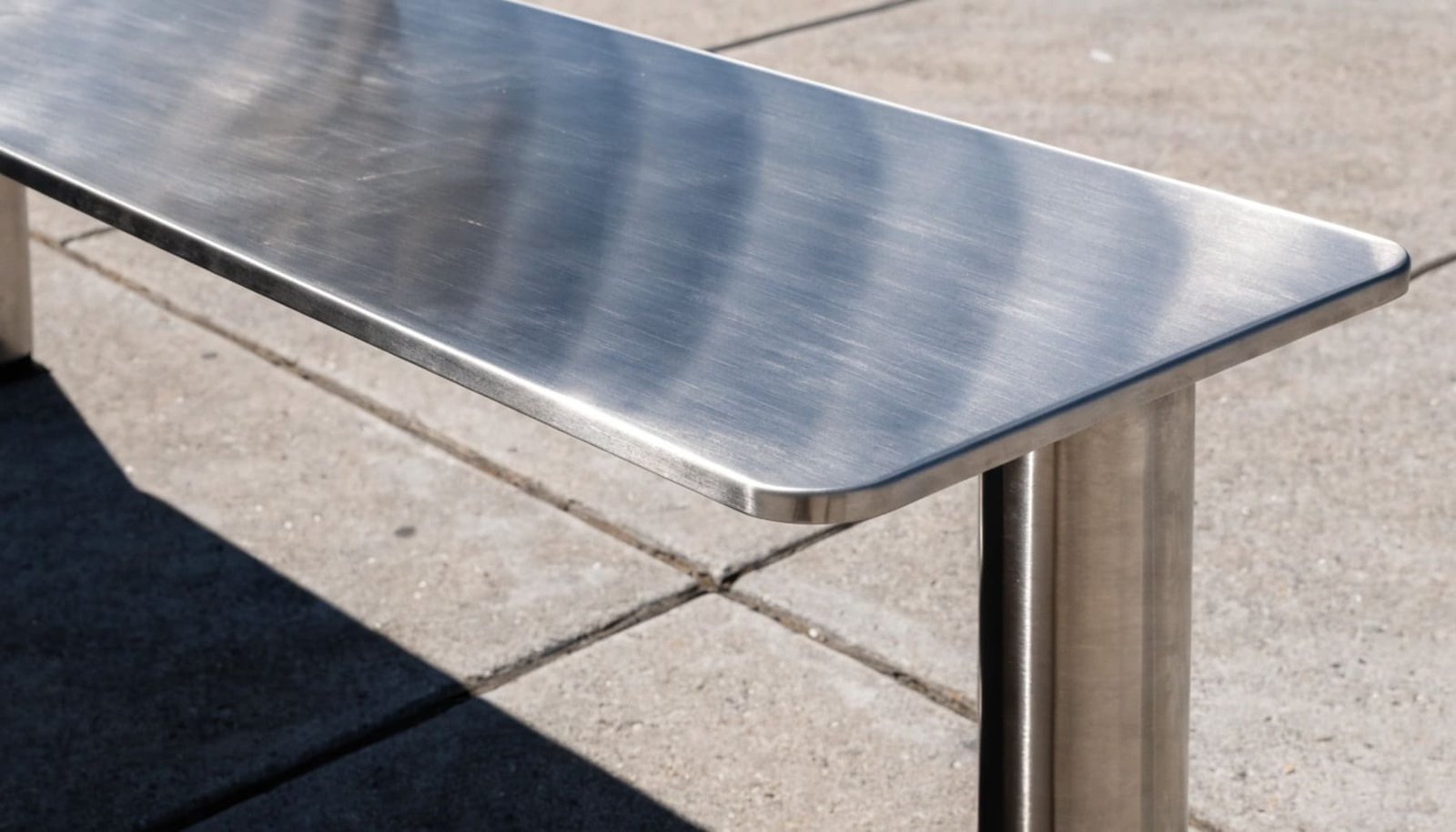
For hotel operators, developers, and commercial property managers, the initial purchase price of furniture is only one part of the equation. The real financial impact is revealed over the asset’s entire lifecycle. This is known as the Total Cost of Ownership (TCO), and it includes not just the acquisition cost, but also ongoing expenses for maintenance, repairs, and eventual replacement. High-maintenance furniture can become a significant operational headache. Think of the labor hours spent constantly oiling teak to prevent it from weathering, or the difficulty of cleaning sunscreen residue that leaves a dull, hazy film on dark metal surfaces. These costs add up quickly and eat into profitability.
This is why top-tier suppliers focus on engineering for low-maintenance performance. The goal is to deliver assets that look great with minimal intervention, freeing up operational resources. We achieve this by applying nano-scale surface modification technologies. These advanced treatments alter the properties of the metal and its coating to make them inherently self-cleaning and resistant to common contaminants.
Key features include:
- Oleophobic & Anti-Fingerprint Properties:The surface is engineered to repel oils, which means fingerprints, lotions, and sunscreen don’t stick easily. This keeps the furniture looking clean and reduces the frequency of intensive wiping.
- Chemical Wipe Resistance:The finishes are durable enough to withstand frequent cleaning with commercial-grade disinfectants and wipes without fading or degrading. This is essential for maintaining hygiene standards in public spaces.
By drastically reducing the need for daily and seasonal maintenance, this approach provides a direct and measurable financial benefit. It lowers labor costs and ensures the furniture retains its high-end look for much longer. This improves the long-term Return on Investment (ROI) by minimizing the TCO, turning the furniture from a recurring expense into a durable, long-term asset.
Conclusion
Ultimately, the best suppliers don’t just sell furniture; they provide engineered solutions. They use advanced materials and manufacturing to deliver durable, safe, and low-maintenance pieces that provide value for years.