Introduction
Do you feel squeezed in your city apartment, wishing for more space and flexibility? Your urban life demands a lot, but your walls often feel fixed and limiting, right?
I believe modern custom furniture is becoming the ultimate solution for urban living. It’s no longer just about filling space; it’s about actively transforming it. Think of furniture as the new “chief orchestrator” of your living environment, adapting to your every need.
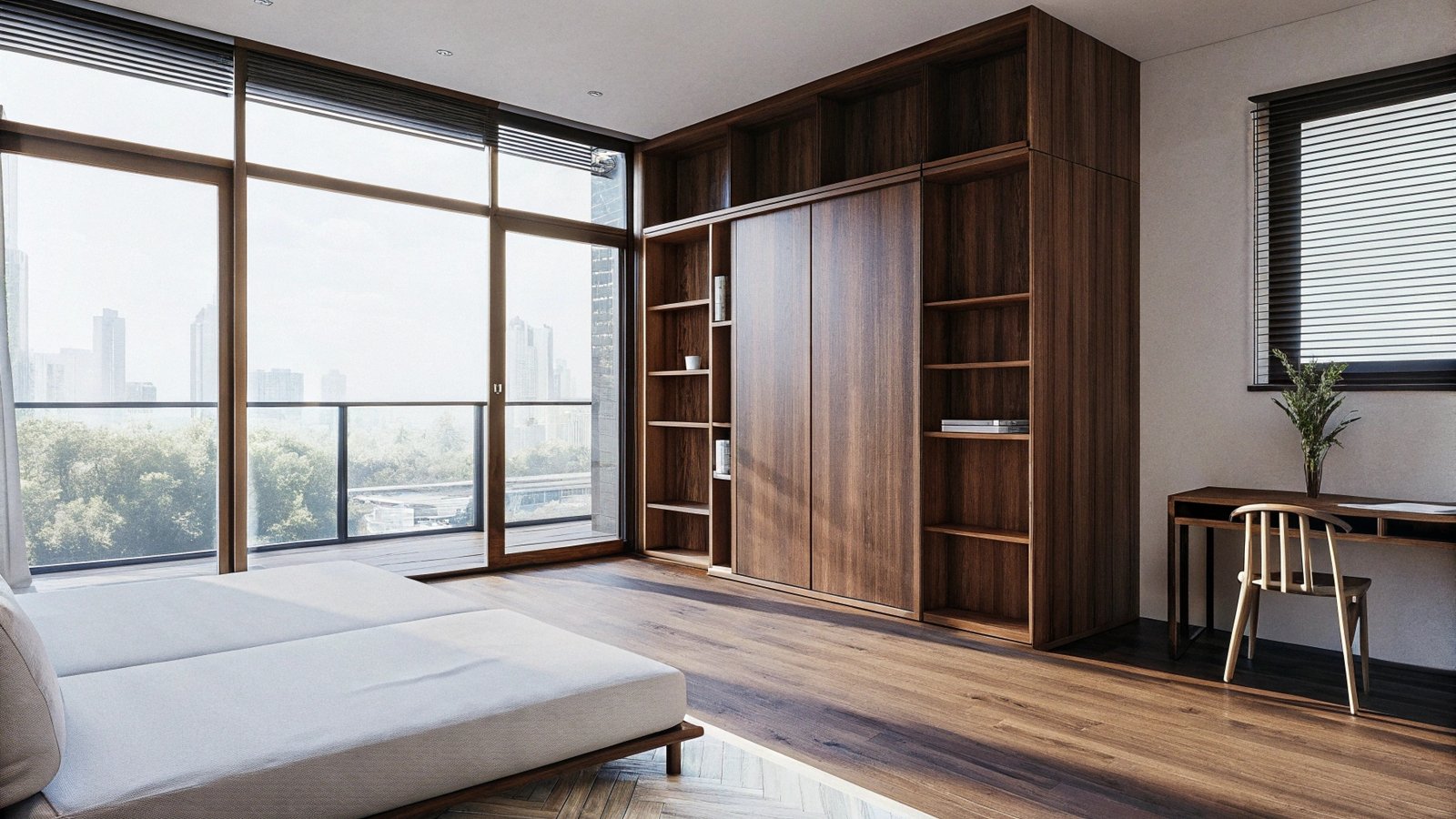
I have seen many clients struggle with the confines of urban spaces. My team at NEXTOP and I understand this challenge deeply. We’ve learned that truly solving these problems means looking beyond traditional ideas of furniture and even architecture. We now see furniture as dynamic systems, not static pieces, ready to redefine how you live. Let me show you what I mean.
Can furniture really replace walls and transform my urban living space?
Are you tired of your small city apartment feeling like a static box, unable to keep up with your changing daily routines? You need your space to work as a home, an office, and a place to entertain, all in one.
Modern custom furniture now acts as “micro-architectural components,” moving beyond static pieces to dynamic systems. These innovative solutions let a single room adapt for multiple purposes throughout the day, effectively transforming space without changing building structures.
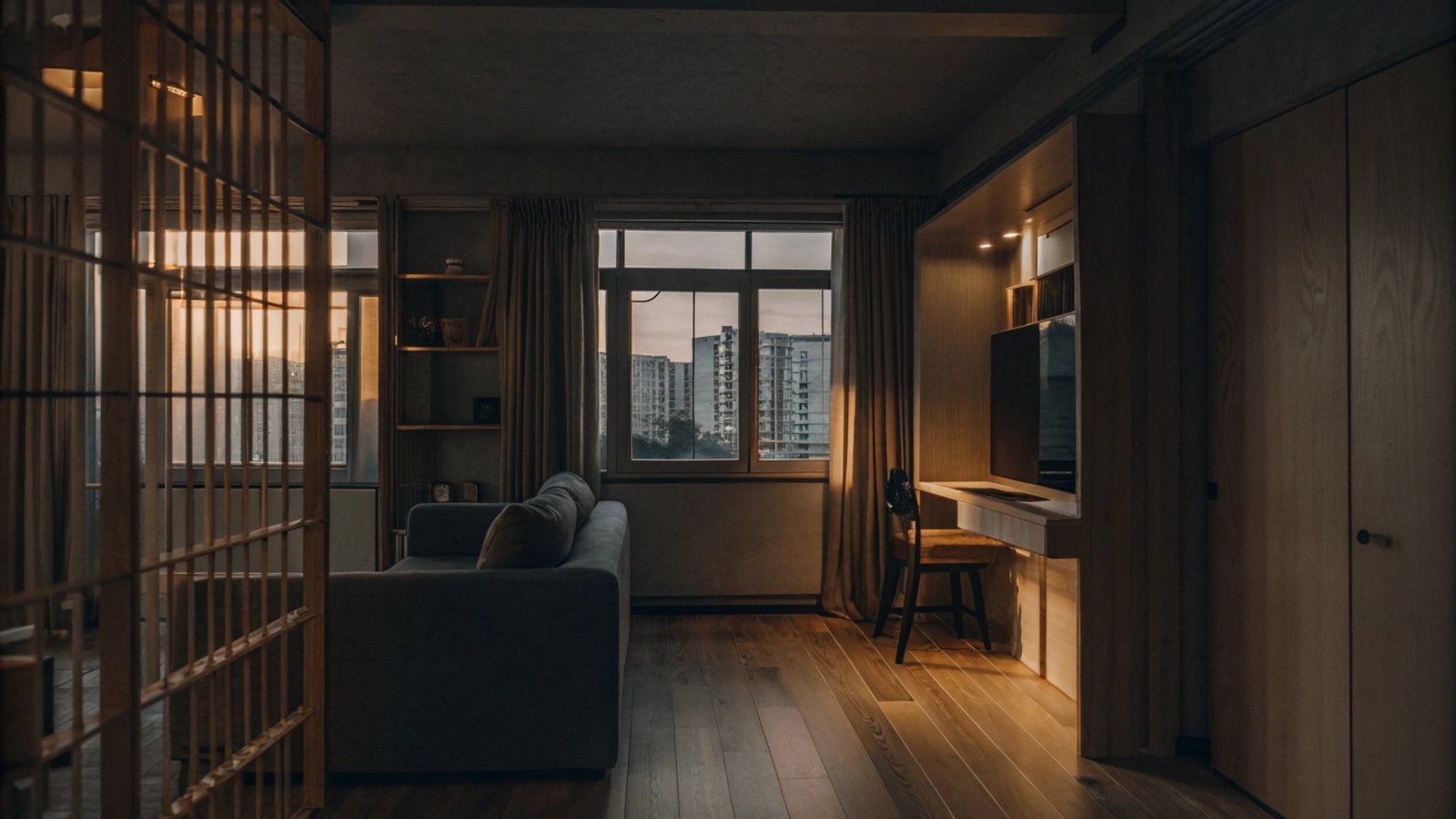
I have seen first-hand how urban dwellers struggle with limited square footage while their life scenarios keep expanding. The old idea of fixed walls and separate rooms just does not work anymore. That is why I believe the real answer is furniture that acts like a flexible building block. Think of a “functional island wall” as an example. This is not just a piece of furniture; it is a lightweight metal frame that integrates hidden electrical wiring and data cables. By day, it can be a sleek, luxurious desk unit, giving you privacy for work. When evening comes, with a smooth, precise slide, it can open up to reveal a large, hidden storage system or even a fold-down bed. This idea of “furniture replacing walls” means you do not need to change the actual building structure. Instead, one single room can dynamically shift through three completely different states in just 24 hours. For instance, imagine a dining table that folds flat into the wall, a sofa that slides to reveal a workspace, or a bed that disappears into a ceiling panel. This creates what I call a “space theater” where your environment adapts to your needs, rather than the other way around. It is about maximizing every inch, creating an open feeling when you want it, and a private, functional zone when you need it. My team at NEXTOP focuses on making these transitions feel effortless and natural.
Why do some transforming furniture pieces feel so much more reliable and smooth?
You have probably experienced multi-functional furniture that starts to creak or jam after a few months, right? You might even worry about whether your transforming pieces will last.
The secret to truly reliable transforming furniture lies in “kinetic zero-tolerance” engineering. This means using industrial-grade hardware, ultra-precise assembly (down to 0.1mm), and advanced dampening systems. This level of precision ensures smooth, silent, and durable operation, even with frequent daily use.
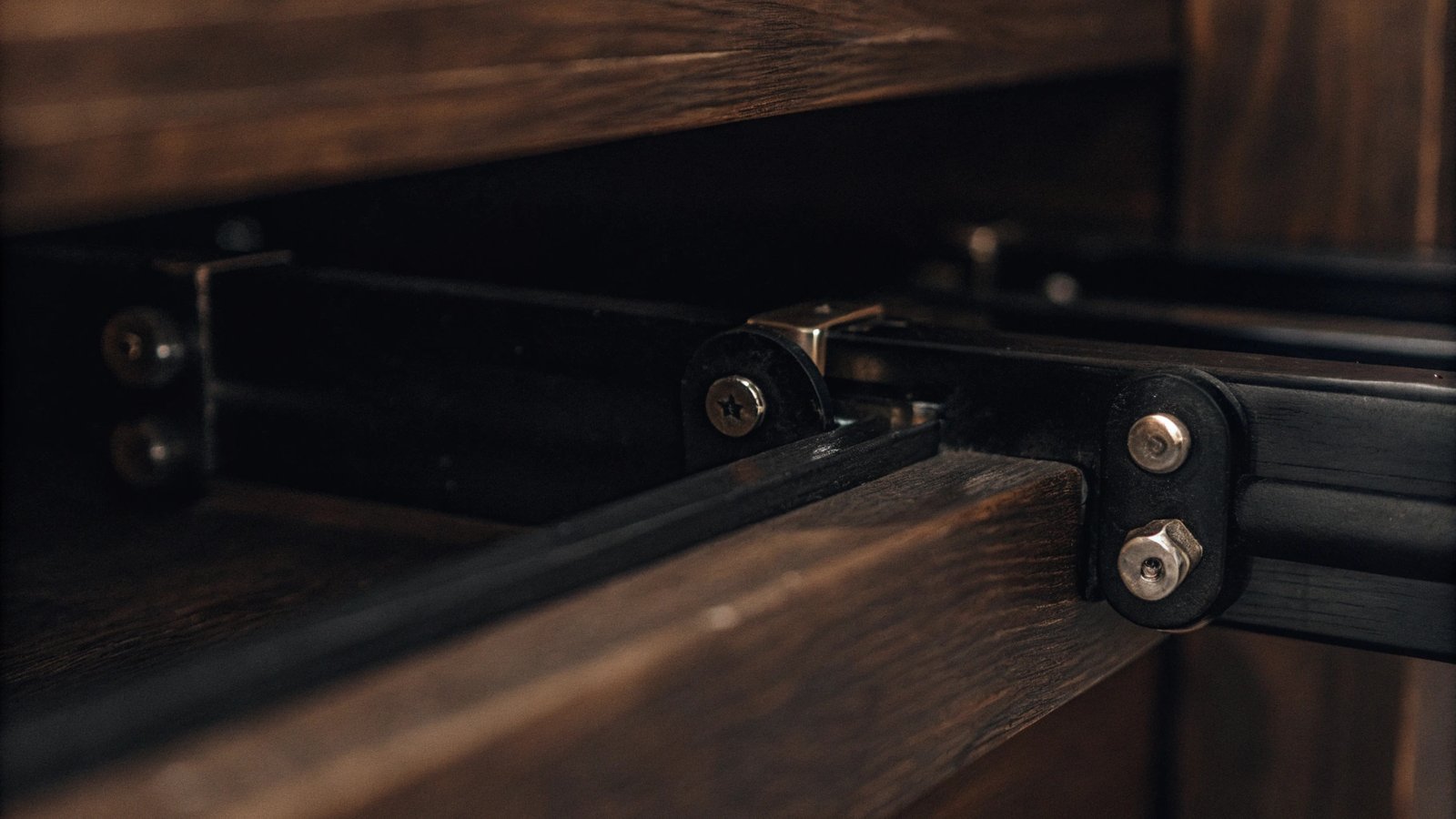
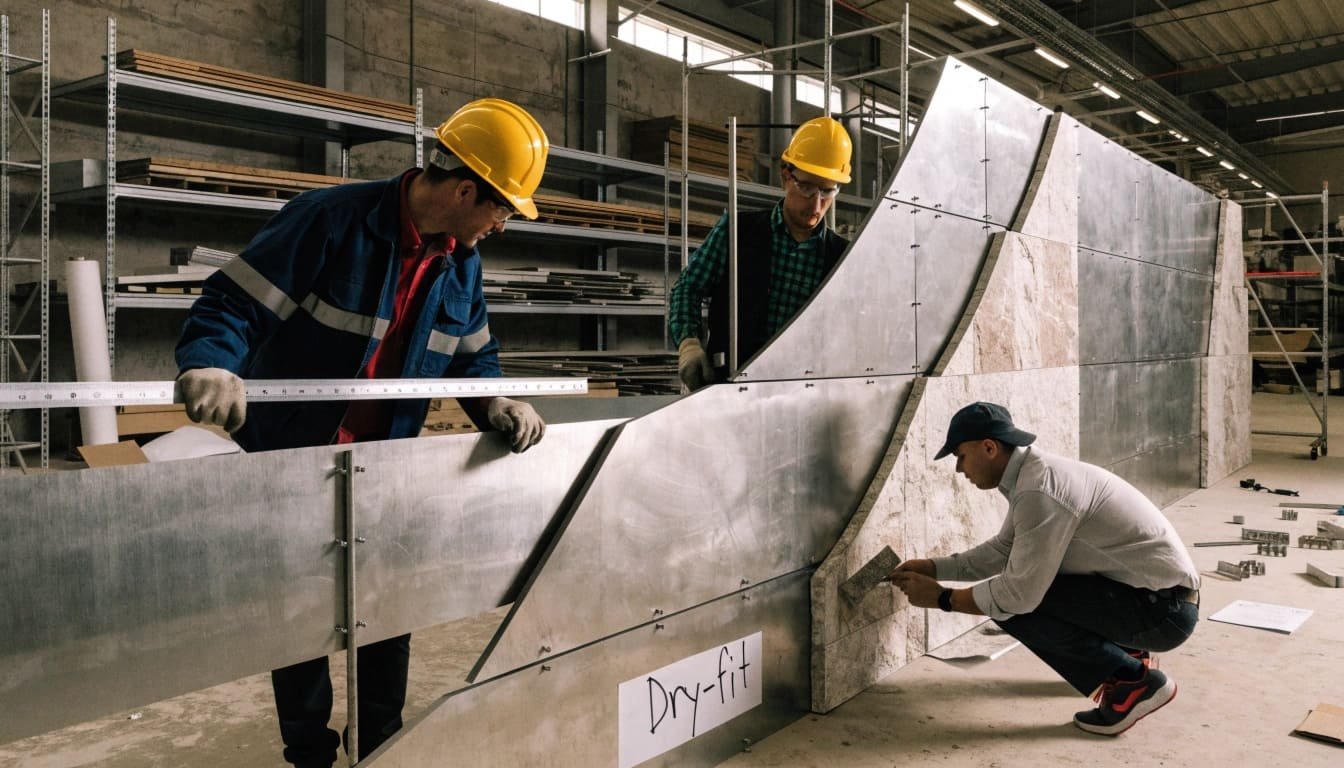
I often hear people say that transforming furniture is flimsy. This is usually true for cheaper options. The core problem is that most multi-functional furniture on the market today is not built for the high frequency of use that urban living demands. Folding, lifting, and rotating pieces in a small space happen dozens of times more often than with regular furniture. This is where “fatigue life engineering” becomes critical. It means we design and build furniture to withstand repeated stress over many years. What does this look like in practice? It starts with using industrial-grade heavy-duty hardware. I am talking about hinges, slides, and pistons that are built for commercial use, not just light home use. Then, we combine this with ultra-thin, highly rigid metal frames. These frames provide strong support without adding bulk. But the real magic is in the assembly precision. At NEXTOP, we work with assembly tolerances as tight as 0.1mm. This is incredibly precise, almost like building a fine watch. This precision, paired with pneumatic or hydraulic soft-close dampeners, makes sure that every movement is silent and silky smooth. This is how we transform that “rental house folding feel” into the “luxury home ritual.” It is this hidden technical excellence that high-end clients are willing to pay for, because it guarantees durability and a premium experience every single time they interact with their furniture.
How can I have luxurious materials in a small space without it feeling heavy?
You desire the elegance of real stone or the sheen of luxury metals in your home, right? But in a compact urban space, these rich materials can sometimes feel overwhelming and bulky.
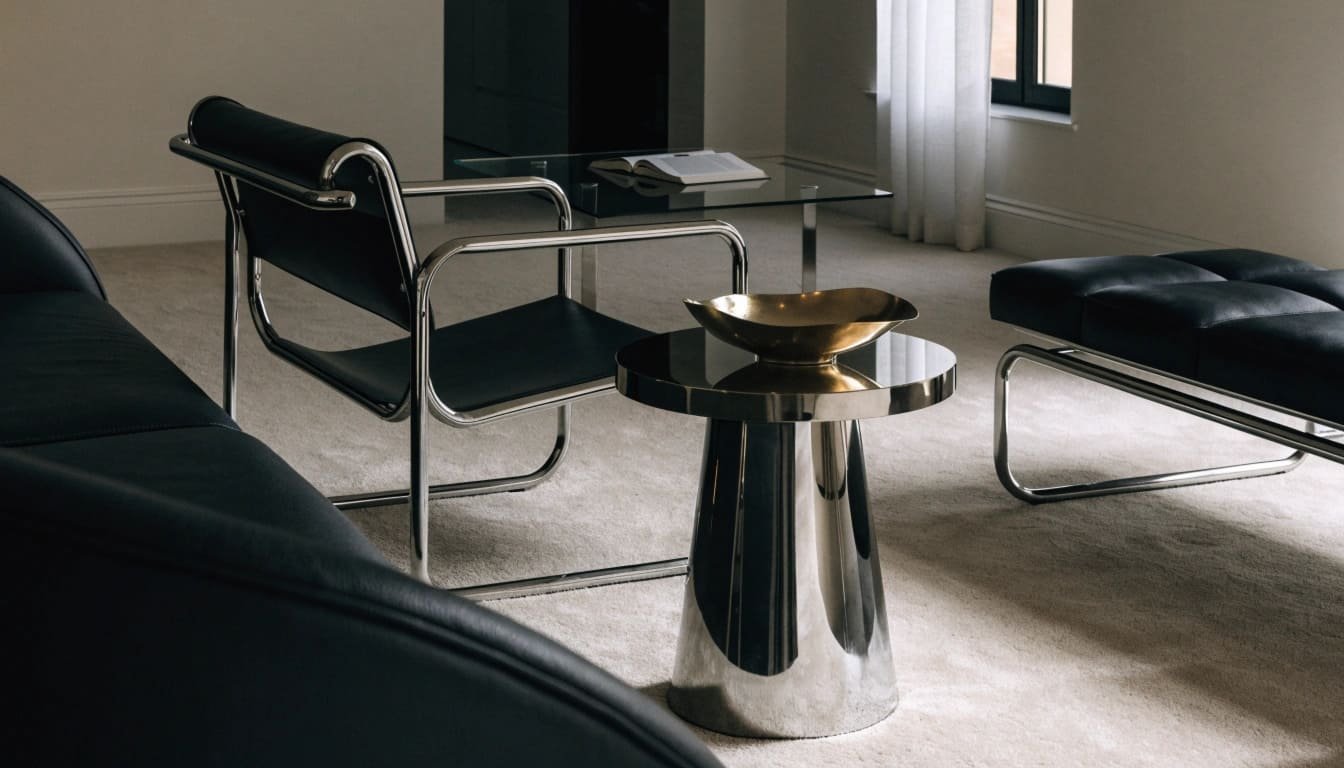
High-end urban furniture uses “lightweight structural modification” to bring luxury to compact spaces. This involves techniques like bonding thin veneers of precious materials onto honeycomb panels or using anodized metals for slim supports, reducing visual bulk and actual weight by up to 70% while keeping the rich aesthetic.
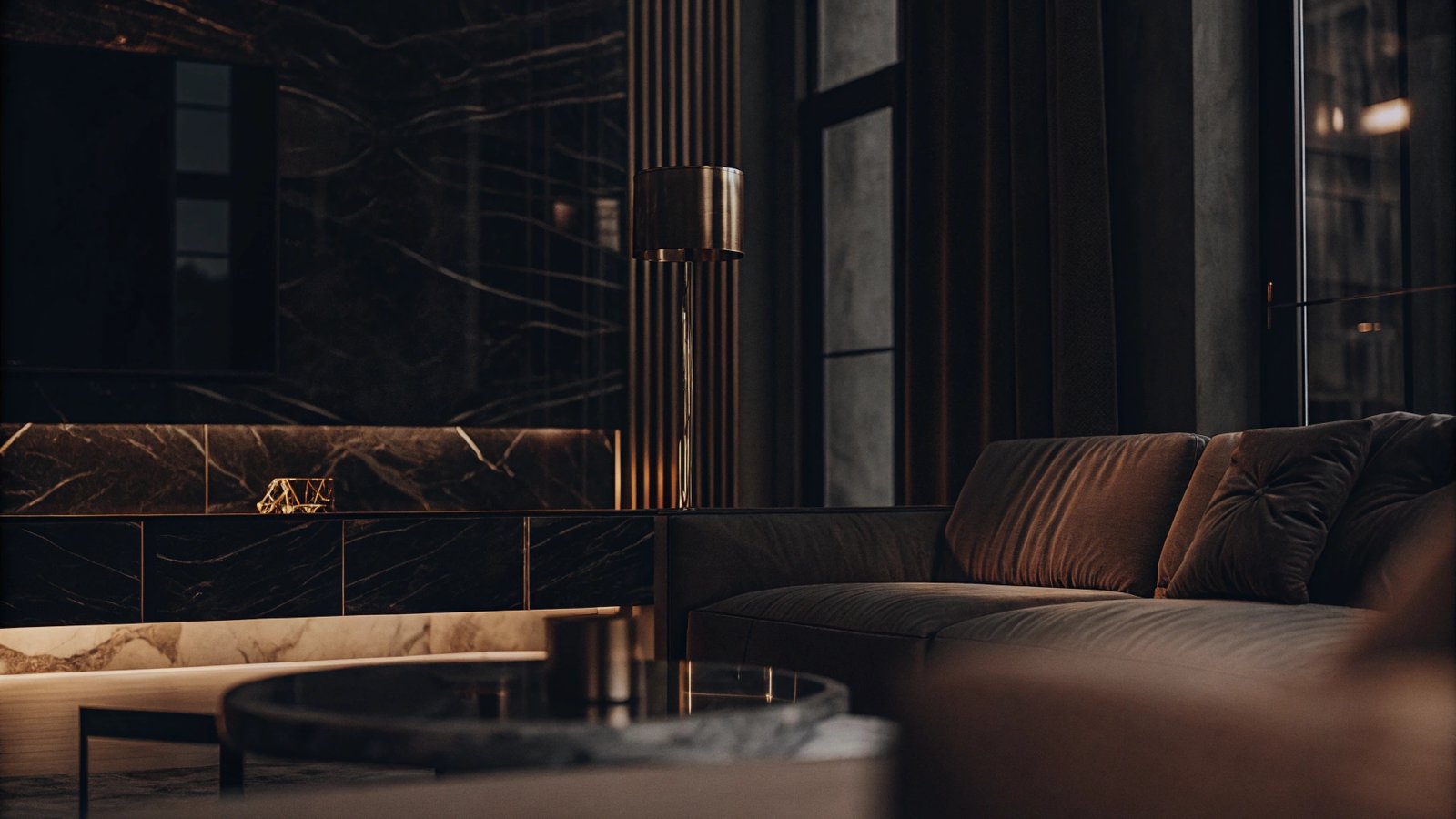
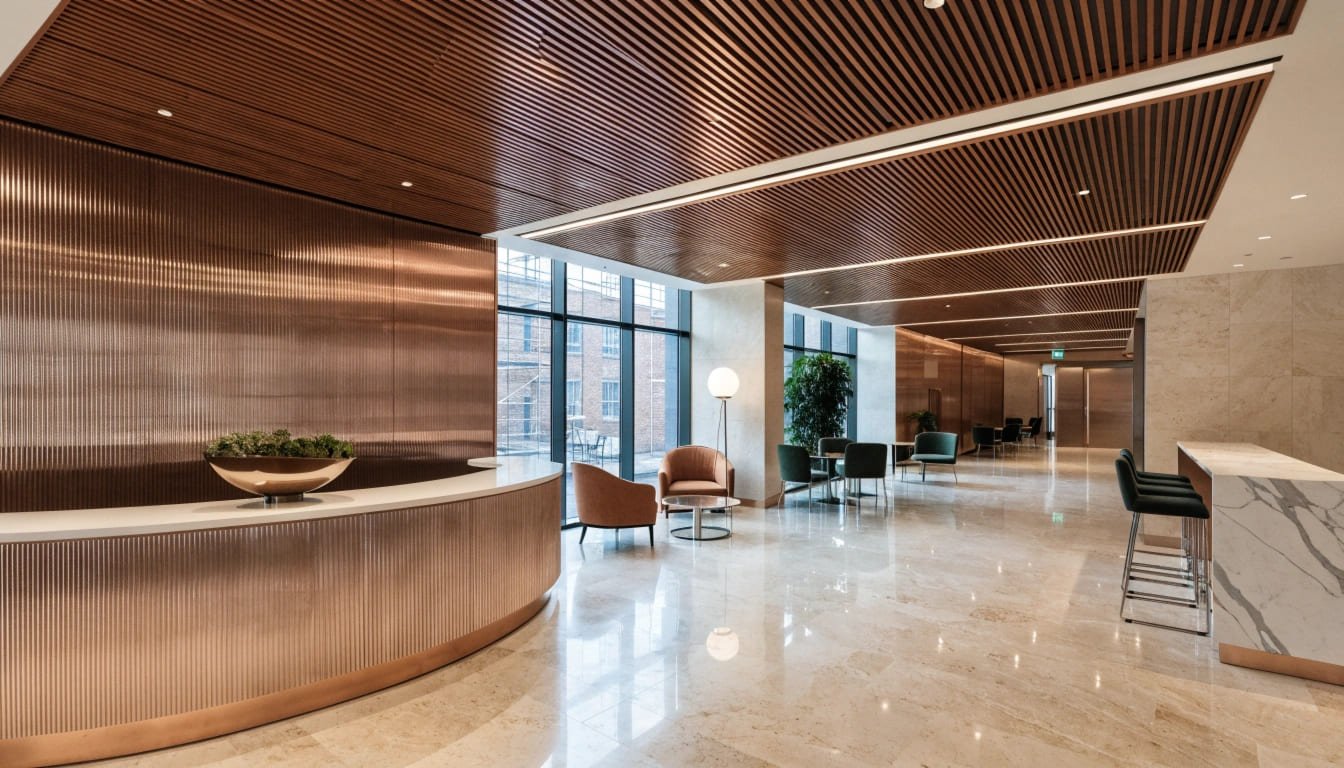
I understand that even in smaller spaces, my clients, who are often city professionals, do not want to compromise on the luxury feel. They still want the rich textures of expensive stone, the refined gleam of high-end metals, and the warmth of natural wood grains. The challenge is that these materials are often heavy and can make a small room feel even smaller and more cramped. This is where our innovative approach, “lightweight structural modification,” comes in. It is a bit like performing visual magic while reducing physical weight. For example, we can take an incredibly precious 3mm slab of marble or other luxury stone. Instead of using a thick, heavy slab, we bond this thin stone veneer onto a high-molecular honeycomb panel. This process keeps the authentic beauty and coolness of the natural stone but reduces its physical thickness and weight by up to 70%. The result is a stunning surface that feels luxurious but does not impose on the space. Similarly, for metals, we use anodized stainless steel to create ultra-thin mirror-polished supports or frames. These narrow lines provide strength and a luxurious look without adding visual bulk. By using materials that reflect light and feature very slim visual lines, we psychologically “expand” the space for the person living there. It is all about creating that luxurious atmosphere without making the room feel heavy or crowded.
How can my furniture help me get rid of all the messy wires and clutter?
Are you tired of seeing tangled cables, visible outlets, and external devices cluttering your otherwise beautiful urban home? You want a clean, minimalist look, but your modern life demands connectivity.
High-end custom furniture solves clutter by fully integrating “invisible infrastructure.” This means embedding power cables, smart lighting systems, wireless charging modules, and even hidden air vents directly into the furniture’s design, creating a truly clean and organized environment.
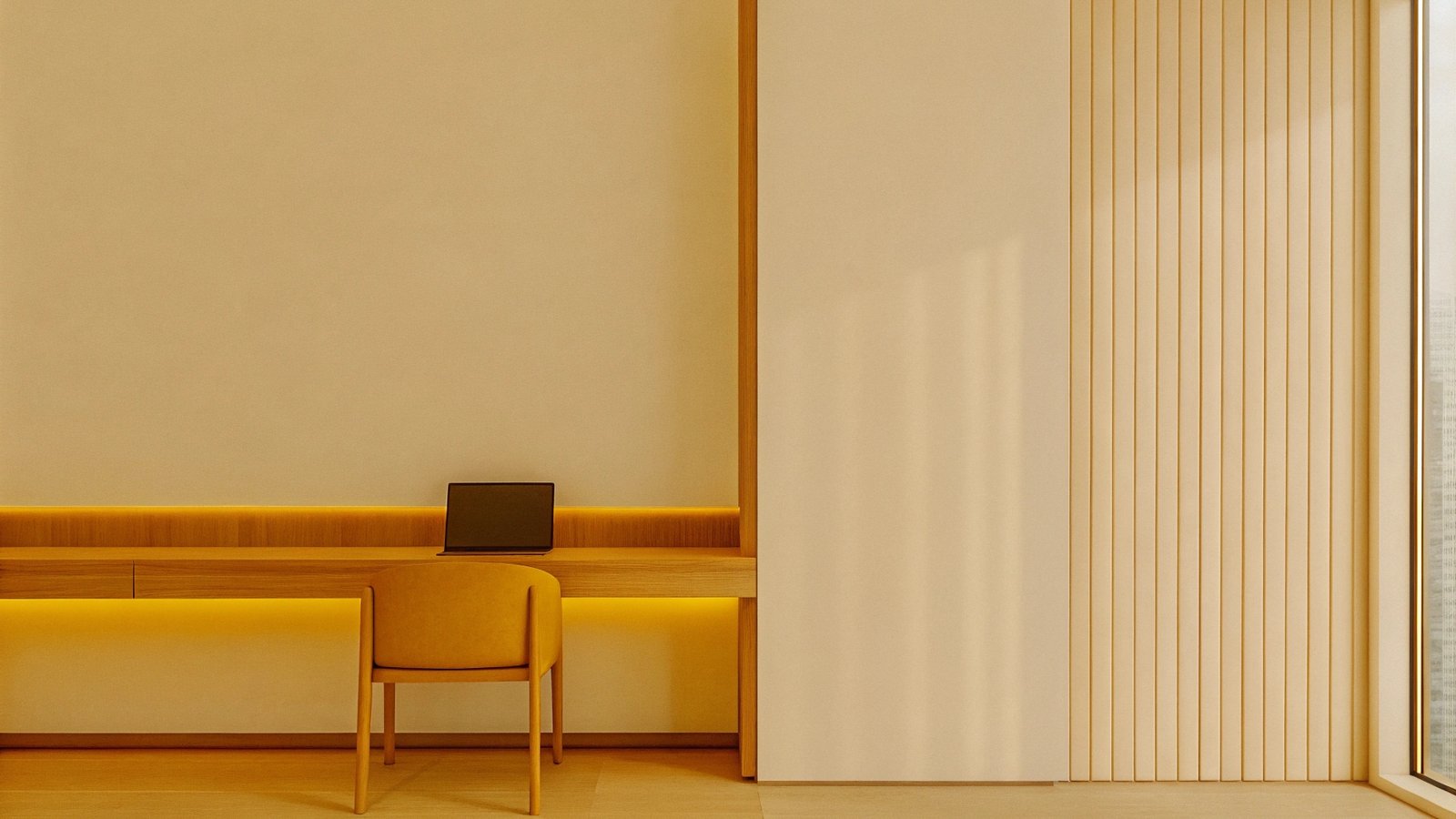
I believe that one of the biggest sources of clutter and visual noise in modern city homes comes from all the necessary but unsightly wires, power strips, and external devices. Think about it: chargers for phones, laptops, lamps, TVs, sound systems – they all need power and often create a messy tangle. This is why at NEXTOP, from the very first “Shop Drawing” stage, which is our detailed engineering blueprint, we plan for “invisible infrastructure.” This means we embed all the necessary strong and weak electrical cables directly into the metal cabinetry or the floating bases of the furniture. We also integrate touch-sensitive lighting systems, wireless charging pads for your devices, and even discreet air vents for hidden air purification or climate control. Our goal is to achieve a state where “nothing is visible on the surface, but every function is present.” We use digital precision when joining different materials, ensuring seamless transitions and hiding any seams or access points. This meticulous planning ensures that your walls stay clean, your floors are clear of wires, and your surfaces remain uncluttered. This absolute purification of the physical space is, in my opinion, a powerful way to reduce the stress of city life and provide a calming, uncluttered environment. It helps you focus on what matters, rather than being distracted by visual chaos.
Conclusion
I believe modern furniture is no longer just pieces; it is smart, adaptive systems. It redefines urban living, making small spaces luxurious and highly functional, transforming your home into a dynamic, uncluttered sanctuary.
Lorem ipsum dolor sit amet, consectetur adipiscing elit. Ut elit tellus, luctus nec ullamcorper mattis, pulvinar dapibus leo.