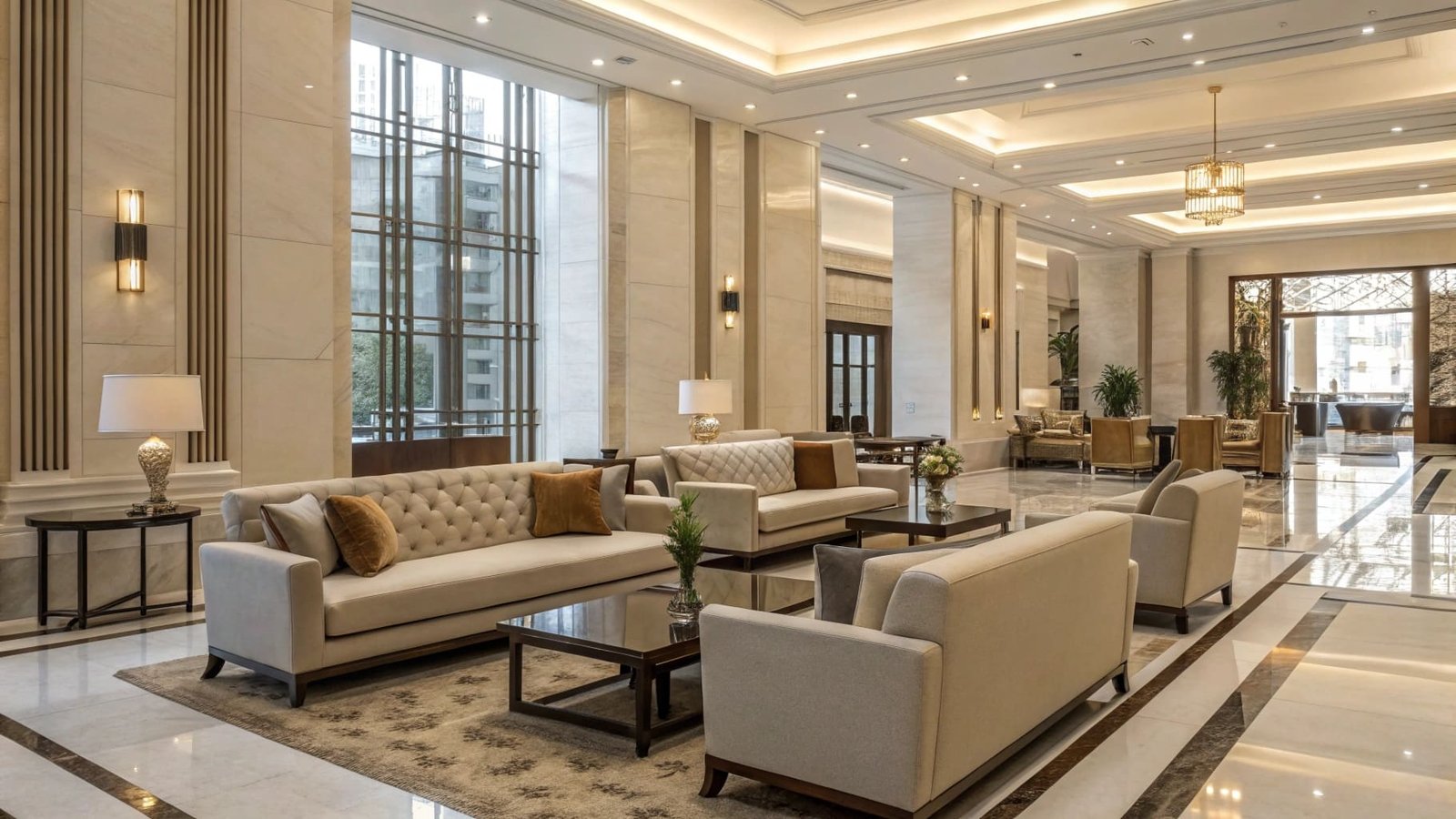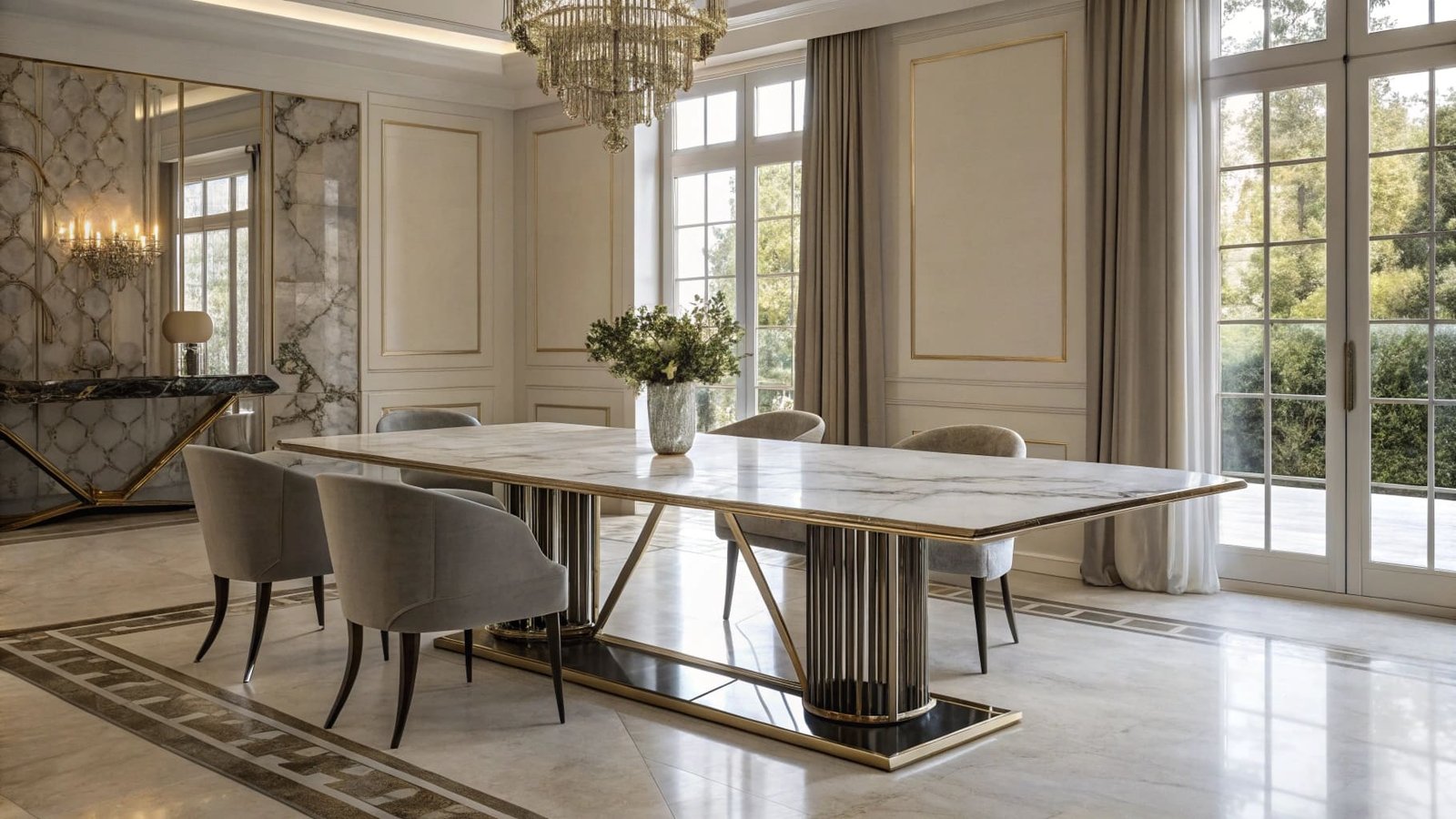
Introduction
Modular furniture is often seen as cheap due to gaps and instability. But what if the precision could match high-end designs? Can modular systems redefine commercial spaces?
A skilled modular furniture manufacturer ensures millimeter-grade tolerances, integrating cross-material precision and engineering that allows modular furniture to deliver high-end aesthetics while being highly adaptable to changing needs.
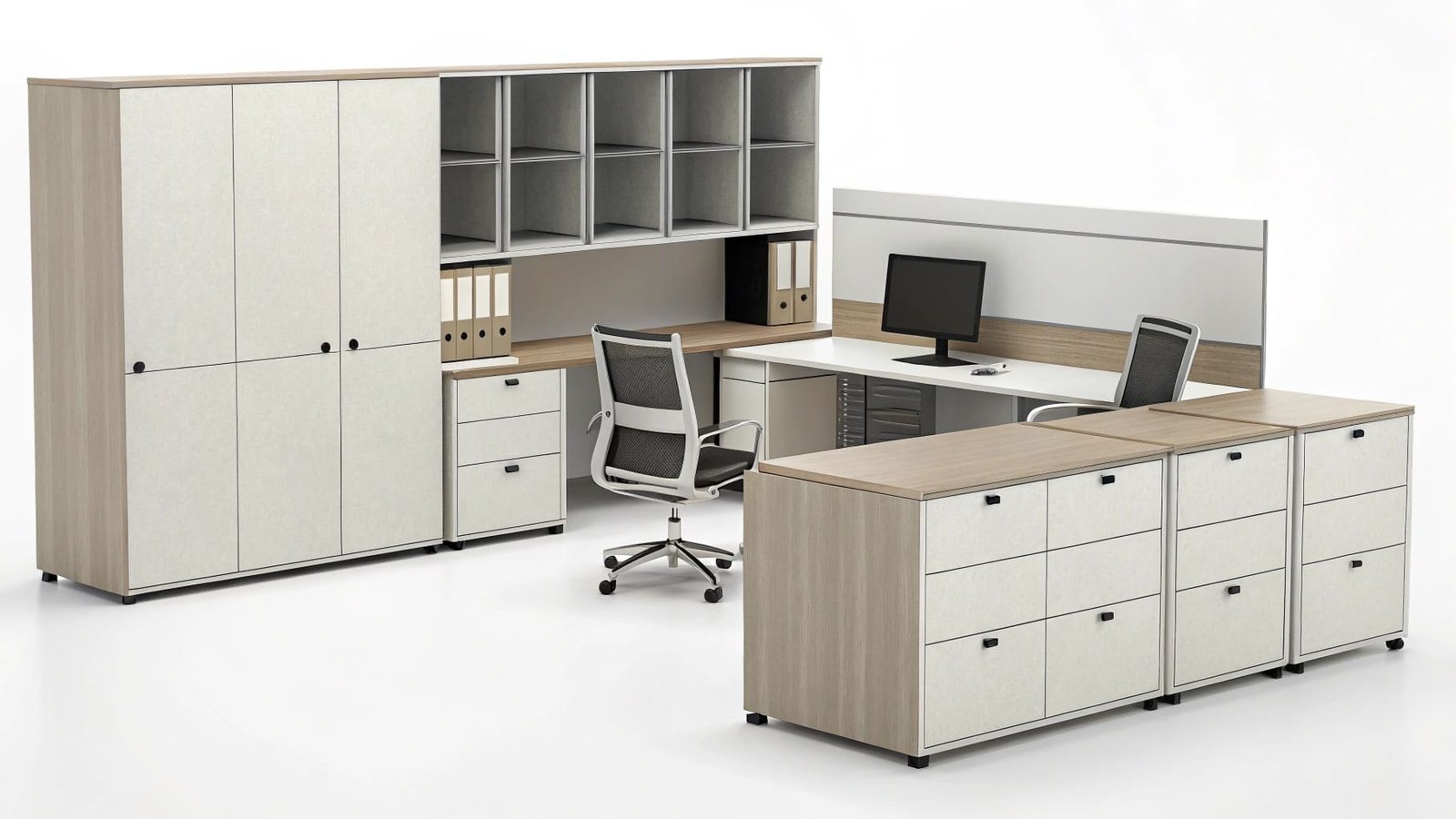
Today, I want to walk you through how commercial modular furniture is not just furniture—it’s a system that drives value across precision, adaptability, integration, and delivery. Let’s explore.
Can modular furniture break the stigma of being cheap?
Modular furniture has long been stigmatized for being functional but visually underwhelming. The gaps, uneven finishes, and rattling components often make it feel low-quality.
The solution lies in engineering-grade tolerances, where modular connections between materials like wood, metal, and stone achieve precision up to ±0.2mm. This ensures that modular furniture has seamless finishes without compromising flexibility.
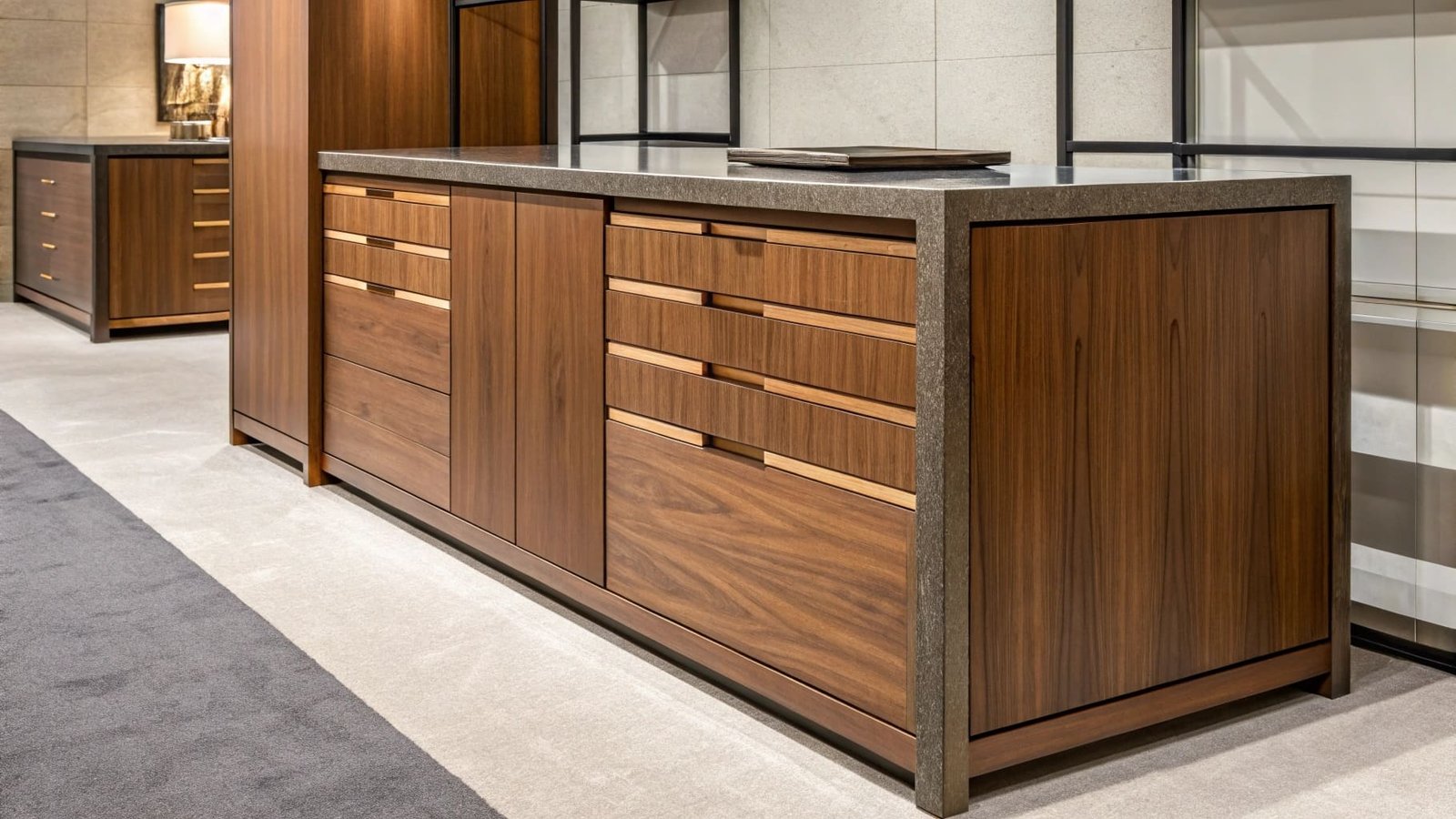
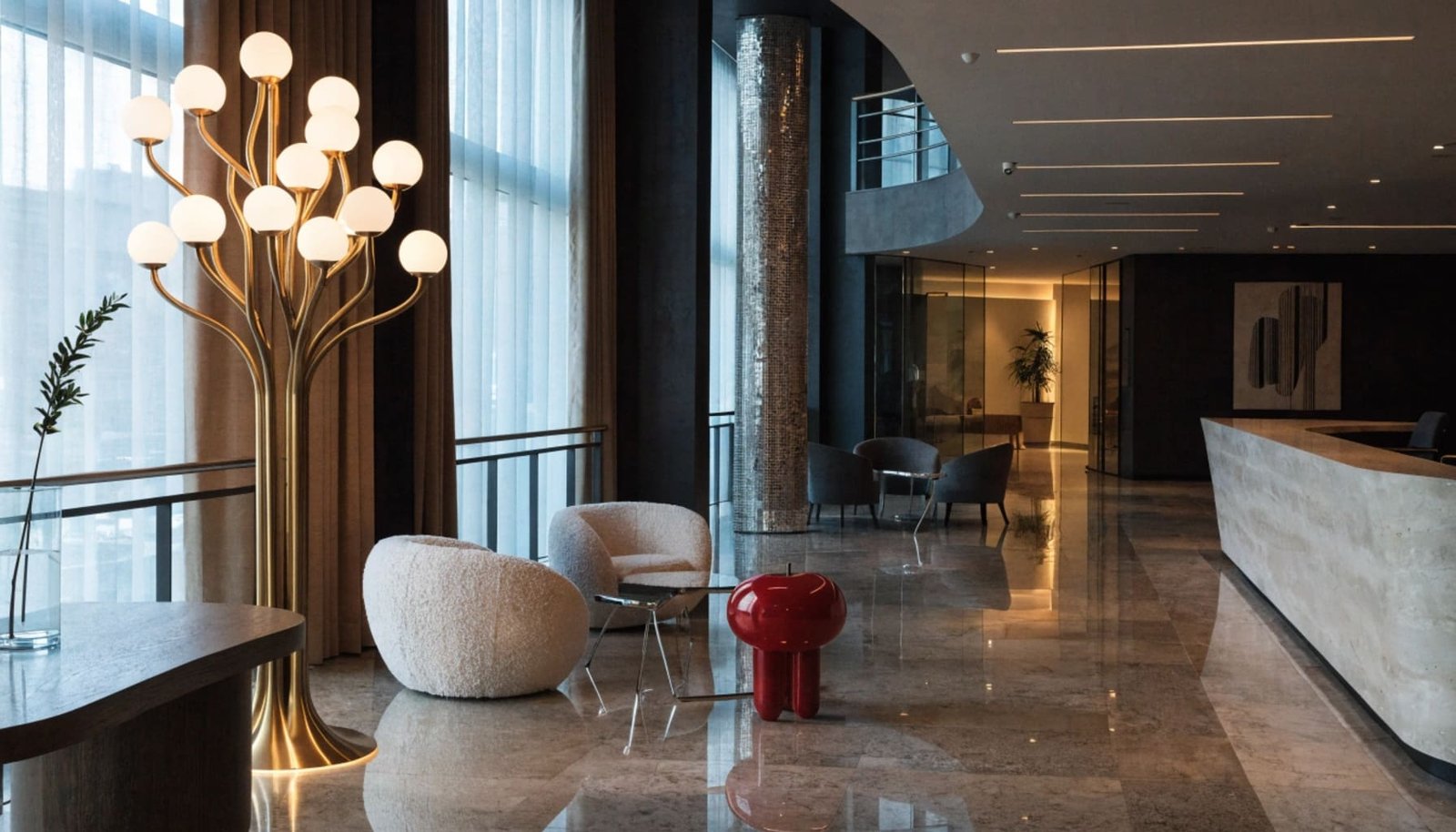
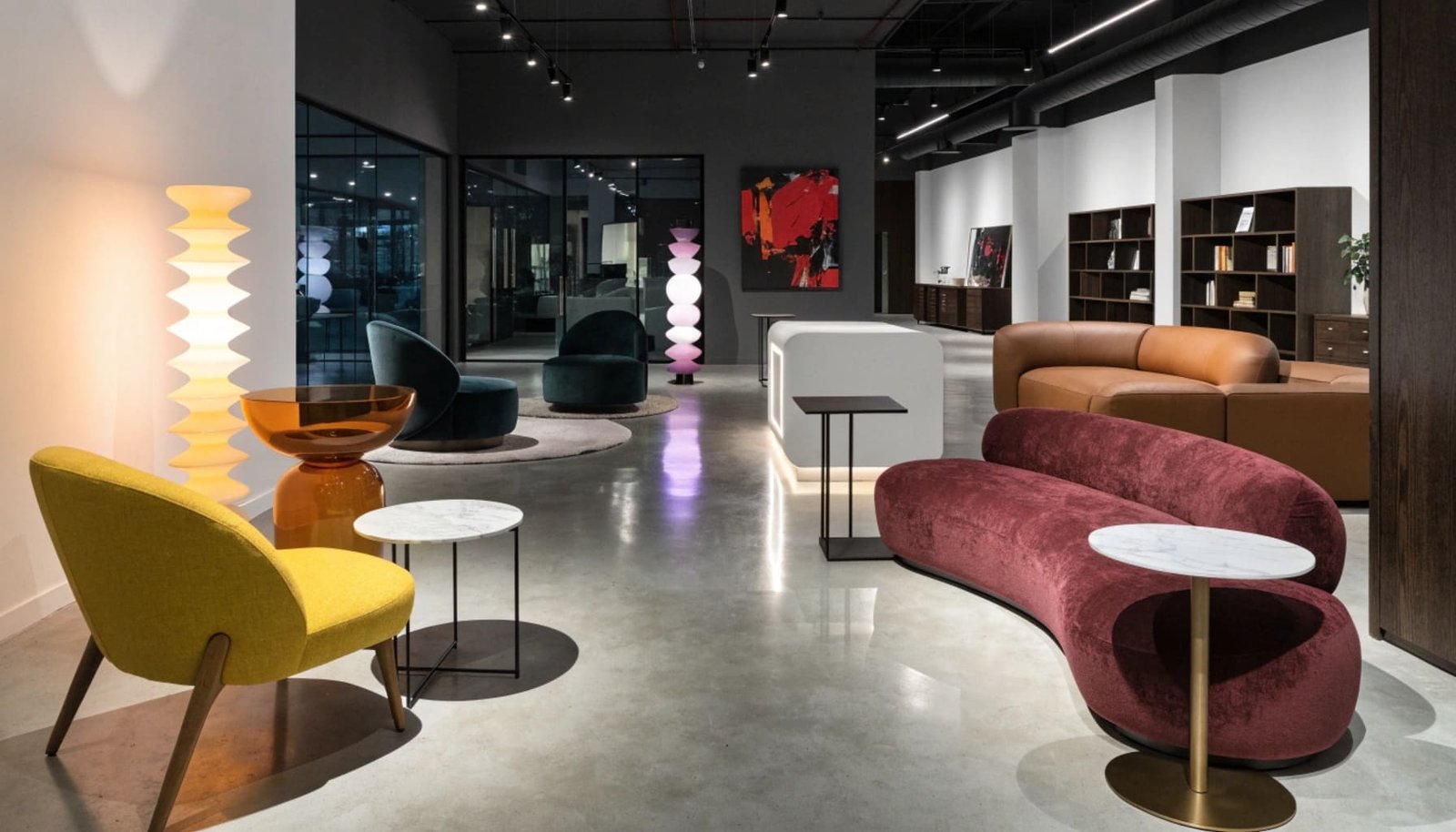
When top manufacturers prioritize cross-material precision, it transforms modular furniture into a premium design tool. Imagine office pods, meeting tables, or shelving units that combine materials but fit together like Lego, with no compromise in stability or aesthetic. The engineering detail ensures that even when disassembled and reassembled, the modules retain their structural and visual integrity.
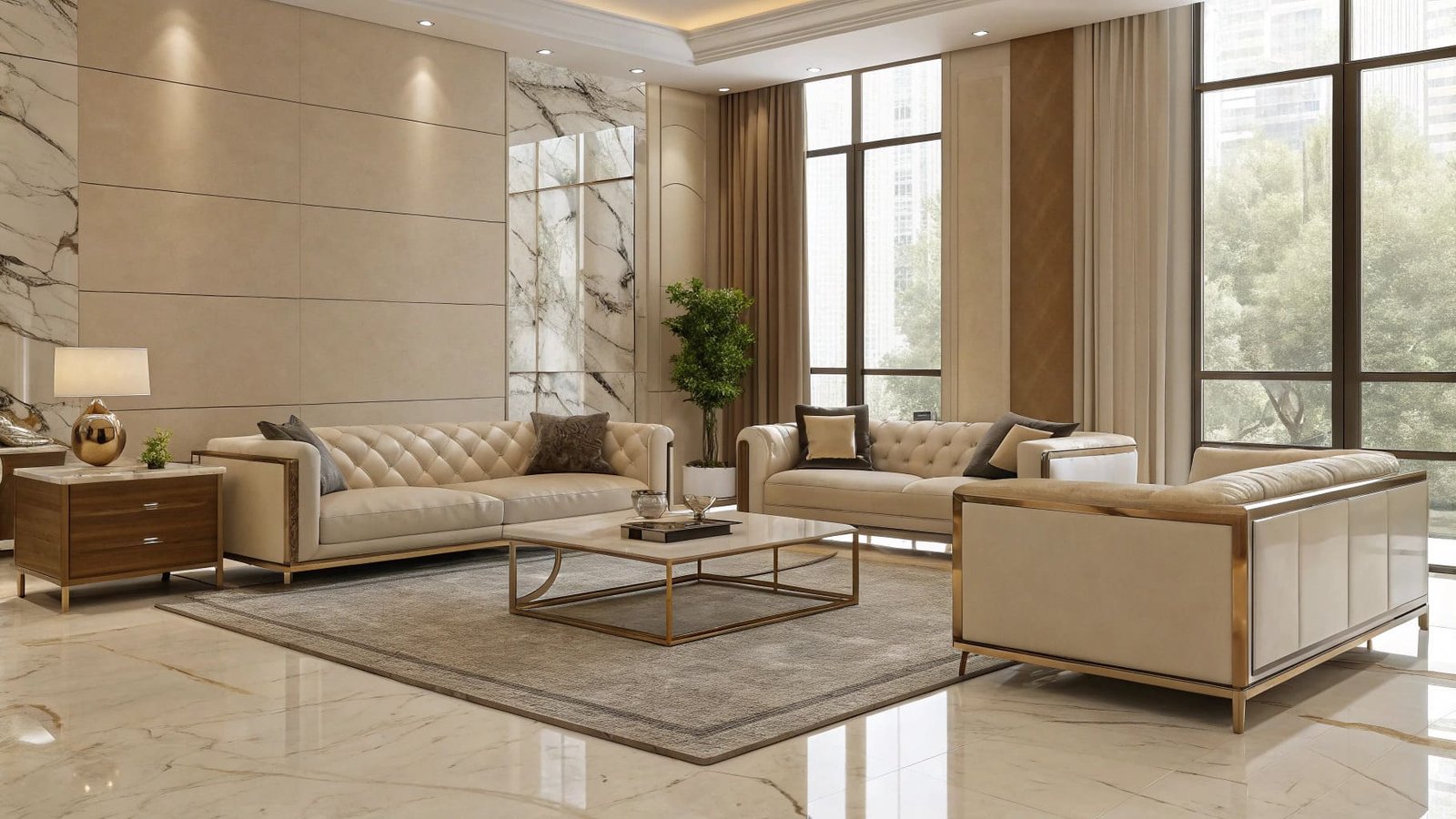
In commercial projects, this precision removes the notion of modular furniture feeling cheap. It becomes a system built for seamless luxury and functionality.
How does modular furniture improve ROI across its lifecycle?
Traditional commercial interiors can be wasteful when businesses relocate, downsize, or reconfigure workspace layouts. Fixed partitions or built-in units often need demolition, leading to asset loss.
Modular commercial furniture offers zero-loss reconfiguration. It adapts to new spaces and use cases—such as reassembling office pods into collaboration islands or conference tables—without waste. This protects the initial investment.
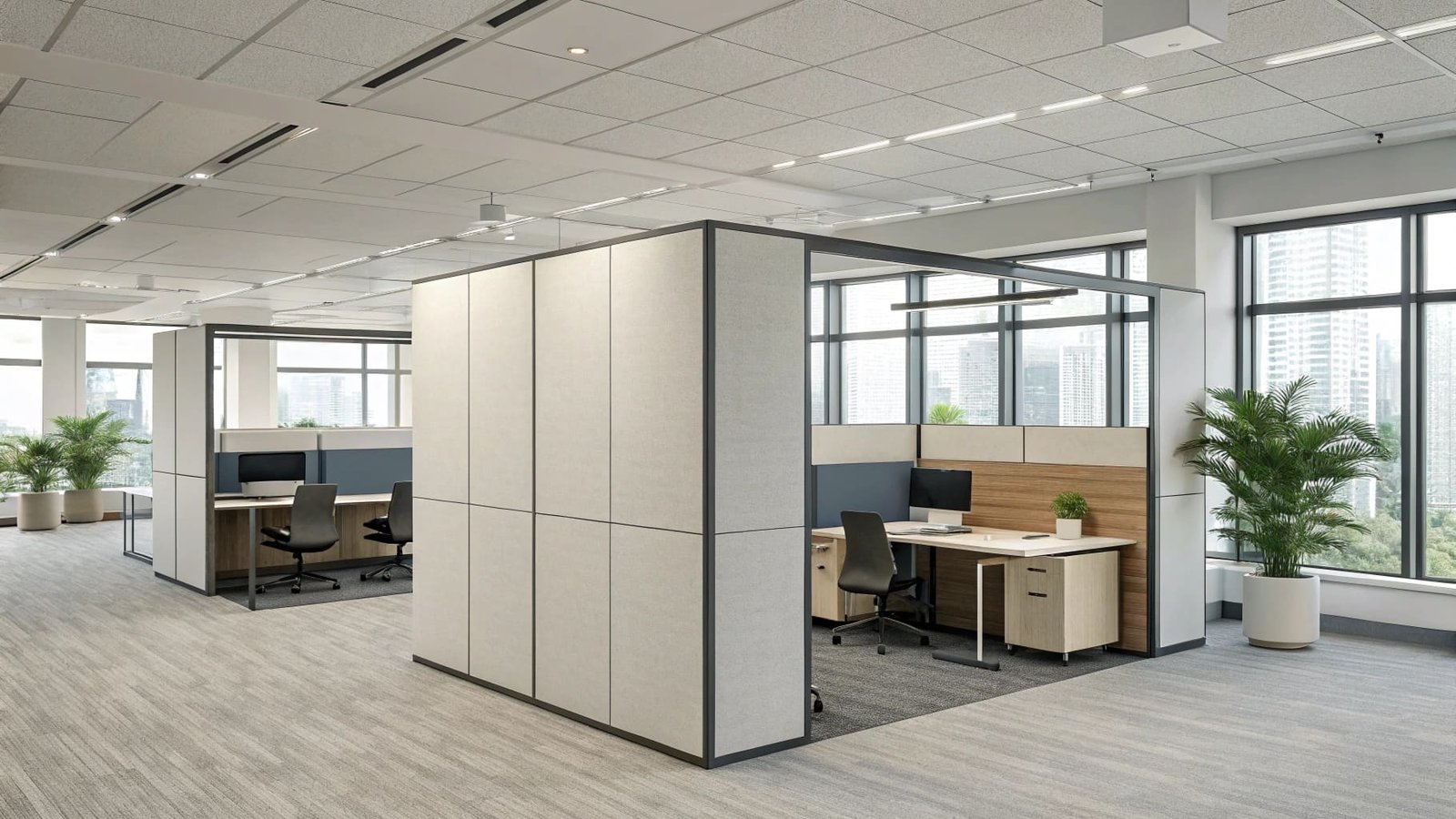
What makes modular furniture future-proof is its adaptability. It’s not just furniture—it’s a liquid asset. Every component, from desks to partitions, can be repurposed for changing business needs. Companies avoid the high costs of rebuilding interiors and instead turn modular systems into reusable, movable capital.
Compare the lifecycle costs of traditional interiors versus modular setups, and you’ll see a massive decrease in TCO (Total Cost of Ownership). This flexibility ensures that businesses get long-term value from their assets without major replacements.
Can modular furniture integrate hidden infrastructure seamlessly?
Commercial interiors often rely on multiple systems—power cables, network wiring, soundproofing, and lighting—to function. Modular furniture needs to embrace these integrations without becoming visually cluttered.
Advanced modular furniture includes built-in cable management, acoustic systems, and even embedded smart tech. All of this is seamlessly integrated into its structure to maintain clean aesthetics.
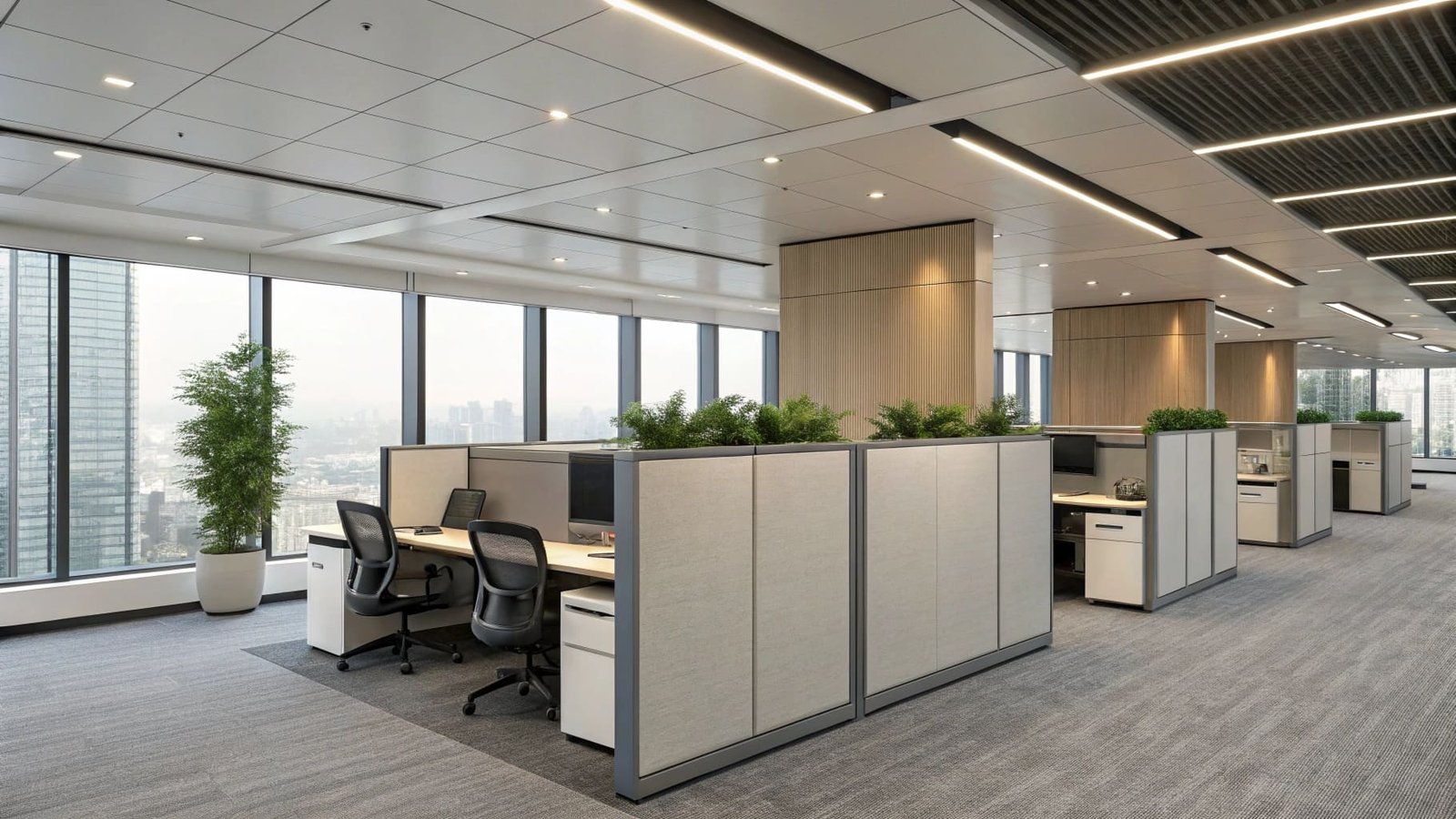
Take an example of a private office pod. Its metal frame might hide power outlets, HDMI ports, and wireless charging stations while also integrating acoustic panels and flame-resistant materials. This makes modular furniture more than furniture—it becomes a productivity hub.
The integration of these features eliminates the need for post-installation electrical or acoustic modifications. Modular furniture can simply be delivered, placed, and plugged in. This saves immense time during setup without compromising the space’s function or design.
Does modular furniture ensure fast, clean delivery for large projects?
Large-scale commercial projects often face tight schedules where delays lead to revenue loss. Traditional furniture and built-in units often involve dusty, noisy site work that slows progress.
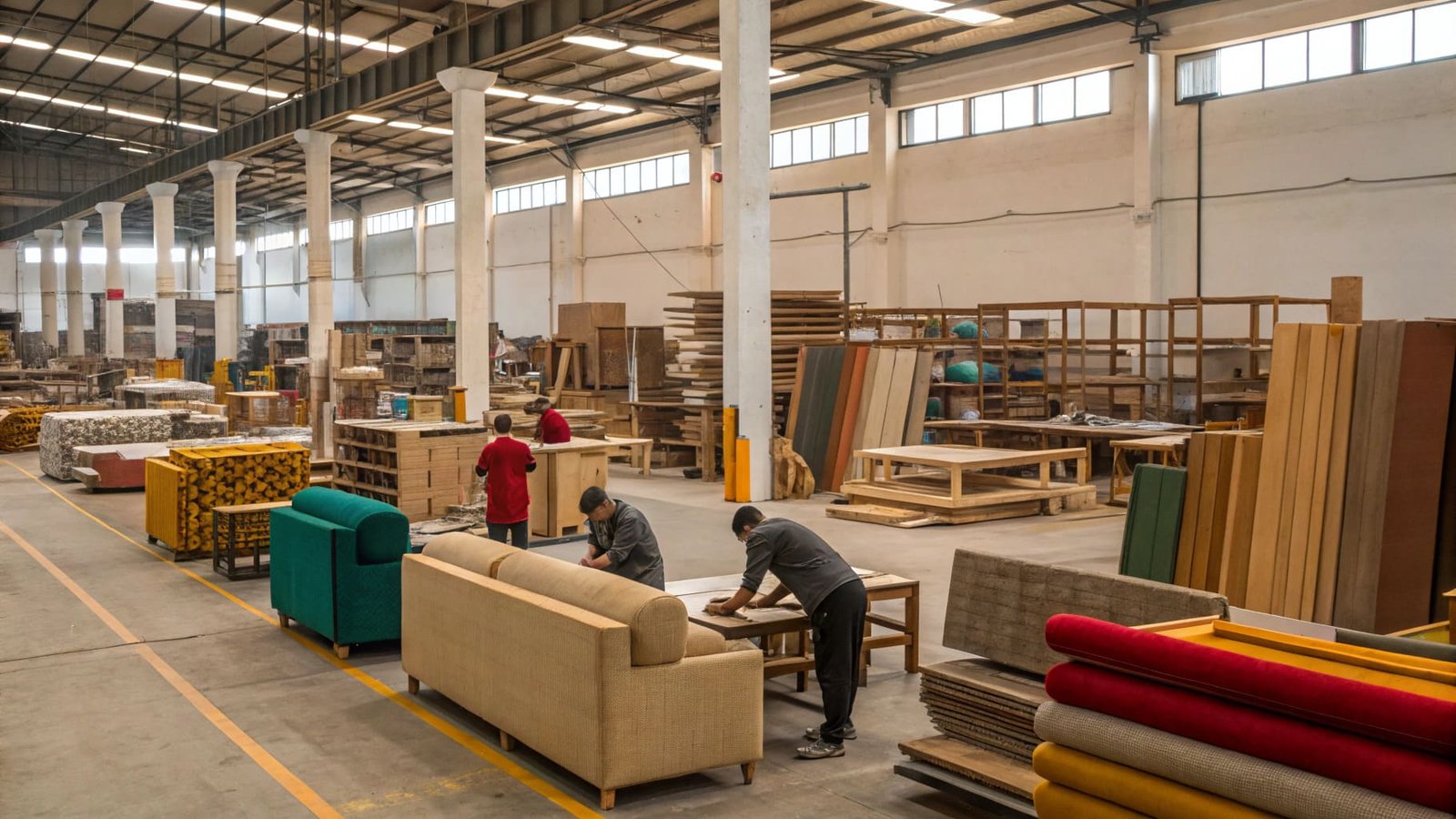
Modular furniture is factory-built, where 95% of processes happen in controlled environments. Only 5% of clean, noise-free assembly is completed onsite, ensuring rapid deployment for even massive projects.
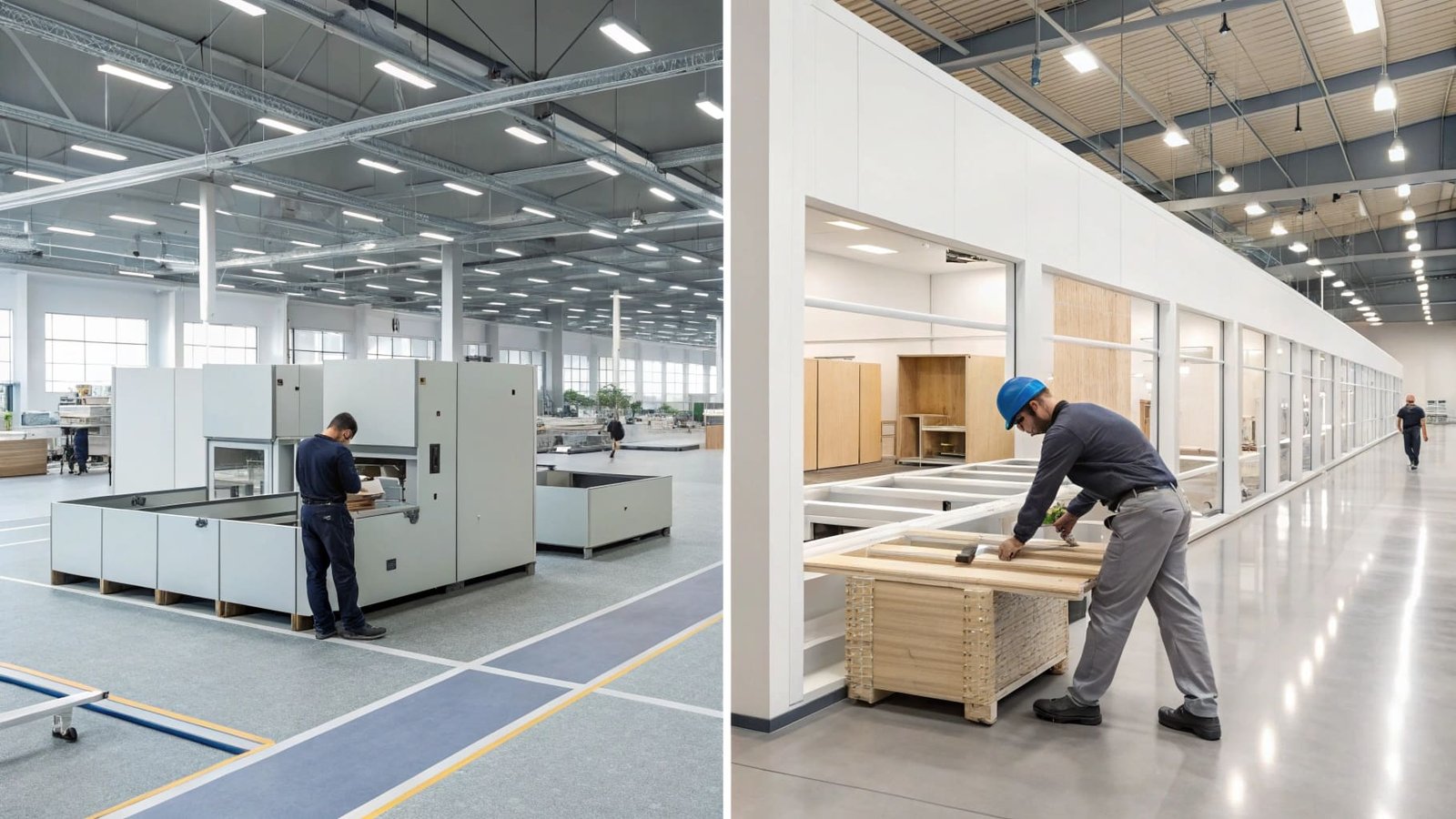
Imagine a luxury office tower or retail project requiring thousands of modular units. A top manufacturer would ship pre-assembled modules engineered in digital factories. Installation teams can then complete assembly in days, with minimal disturbance to other ongoing work.
This “factory-to-office” system ensures predictable delivery timelines, zero pollution at the site, and consistent quality across every unit. For commercial developers, this advantage often drives faster openings and higher rental yields.
Conclusion
Modular furniture isn’t just functional—it’s transformational. Its engineering precision, adaptability, integrated systems, and fast delivery redefine commercial interiors as assets, not expenses. Modular design drives future-proof value.