Introduction
Are you seeing mid-century modern furniture everywhere and wondering why? This isn’t just a passing trend. It is a major shift in design, and I believe it has staying power.
Mid-century modern furniture’s popularity comes from its timeless, simple design[^1] that fits well in today’s homes. Its clean lines, organic shapes[^2], and focus on function[^3] make it a versatile choice for many different interior styles.
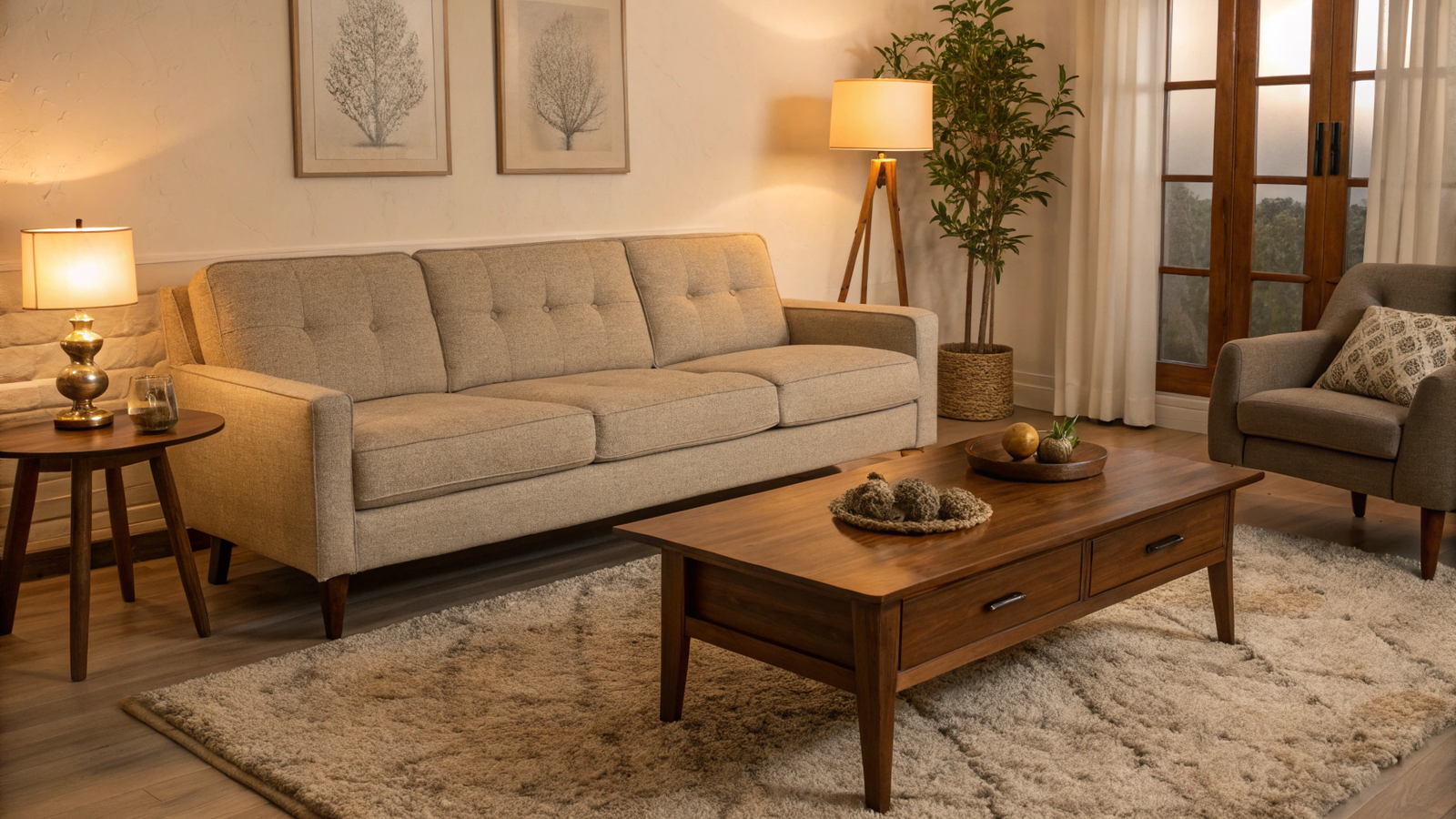
In my work at NEXTOP, I’ve seen firsthand how this style has moved from a niche interest to a top request for hotels, villas, and commercial projects. We get drawings for custom pieces inspired by this era[^4] all the time. It’s a style that feels both classic and fresh, which is a hard combination to achieve. But its current popularity isn’t just about looks. It’s also about how the way we make furniture has changed. This has made the style more accessible than ever before. Let’s look deeper into what’s driving this revival.
How do its design principles fit today's spaces?
Struggling to make your space feel both stylish and uncluttered? Mid-century modern design was practically made for this challenge, which is why designers and homeowners love it today.
This style works so well because it focuses on clean lines, natural materials[^5], and practical function. These core ideas are a perfect match for modern open-plan living[^6], where every piece of furniture needs to be both beautiful and useful.
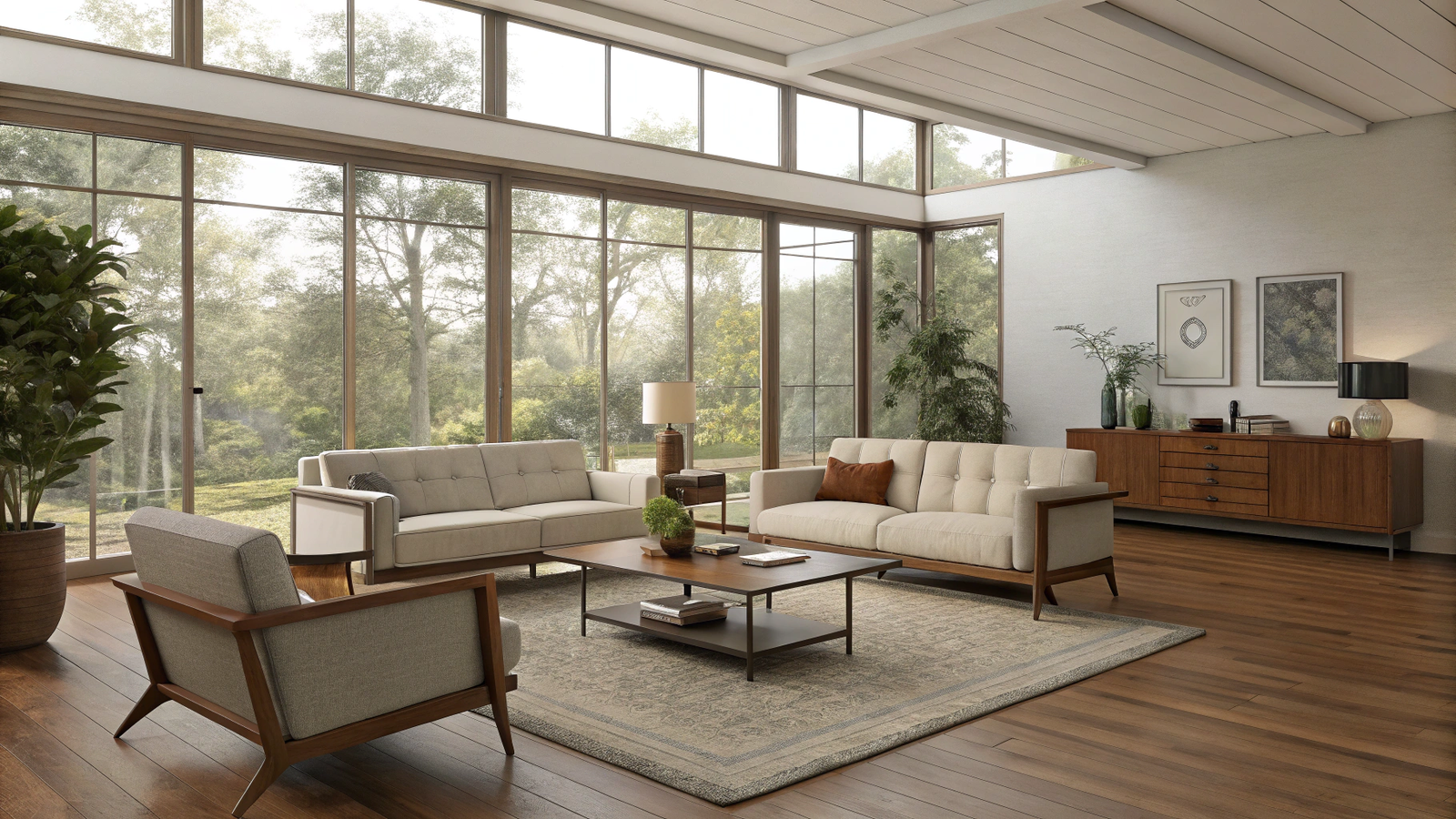
From my experience in custom furniture, the appeal of mid-century modern (MCM) is rooted in its smart, user-focused design philosophy[^7]. It’s not just about a “look”; it’s about a way of living that feels very current. The designers of that time were obsessed with creating furniture that served a real purpose without adding unnecessary decoration. This “form follows function[^8]” idea means pieces are inherently practical. For our clients in the hospitality and commercial sectors, this is a huge advantage. They need furniture that looks great, works hard, and doesn’t make a space feel crowded. The principles of MCM deliver on all those points. It’s a design language that speaks of simplicity and efficiency[^9], which resonates strongly with how we live and work now.
Simplicity and Clean Lines
The most defining feature of MCM furniture is its emphasis on clean, straight lines[^10] and simple forms. This creates a feeling of order and calm, which is a welcome break from our busy lives. Unlike more decorated styles, MCM doesn’t have extra carvings or details. The beauty comes from the shape and the material itself. This minimalism means the furniture can fit into almost any design plan without overwhelming it. In one of my recent hotel projects, we used custom MCM-style casegoods in the guest rooms. The clean profiles made the rooms feel larger and more serene, which was exactly the goal.
Functionality First
At its heart, mid-century modern design is practical. The original designers wanted to create furniture for a more casual, modern way of living after the war. This resulted in pieces that are not only beautiful but also highly functional. Think of a credenza that works as a media console, a dining table, and a storage unit all in one. Or a lounge chair that is designed for comfort just as much as for its sculptural look. This focus on usability makes it a smart choice for any project.
MCM Feature | Functional Benefit for Modern Spaces |
Tapered Legs | Lifts furniture off the floor, creating a sense of lightness and making small rooms feel bigger. |
Low Profiles | Keeps sightlines open in open-concept floor plans, enhancing the feeling of spaciousness. |
Modular Units | Shelving and storage can be adapted and reconfigured as needs change. |
Use of Natural Wood | Materials like walnut and teak bring warmth and texture, balancing out modern, sometimes sterile, interiors. |
Connection to Nature
Another key element is the strong connection to the outdoors. MCM architects famously used large windows and open floor plans to bring nature inside. The furniture does the same thing through its use of natural materials[^5]. Rich woods like teak and walnut, along with leather and wool, add a warm, organic feel to a room. This is something I pay close attention to when we’re sourcing materials for a project. The grain of the wood or the texture of the fabric is a critical part of the final design. It connects the piece to the natural world and makes it feel timeless.
What made this classic style affordable again?
Ever wonder how furniture that used to be in high-end shops or antique stores is now everywhere? It’s not by chance. Big changes in manufacturing have made this classic style accessible.
Modern manufacturing, including CNC machining[^11] and mature global supply chains[^12], has made it possible to produce mid-century modern designs at a lower cost. This makes the style available to more people.
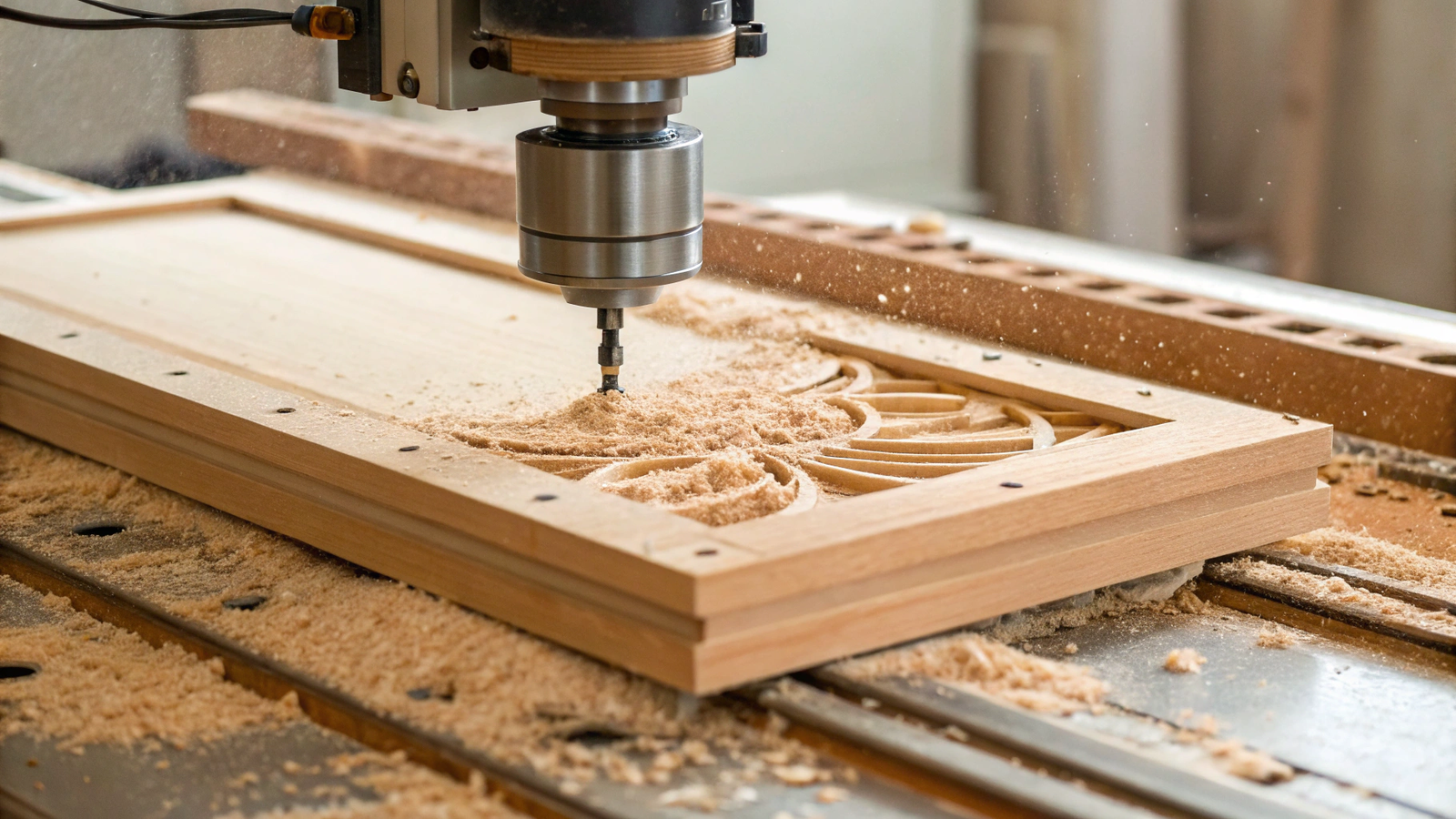
For a long time, getting a piece of mid-century modern furniture meant one of two things: either you bought a vintage original, which could be very expensive, or you bought a high-end reproduction. As someone who builds custom furniture for a living, I can tell you that the original pieces were made with incredible craftsmanship, but those methods were also very time-consuming. Today, the situation is completely different. Technology has bridged the gap. We can now achieve the same precision and quality much more efficiently. This isn’t about cutting corners; it’s about using smarter tools to bring great design to more people. It’s the perfect example of classic design being re-energized by modern production.
The Old Way vs. The New Way
The original mid-century craftsmen were masters of their trade. They used traditional joinery techniques that were strong and beautiful but required a lot of skill and time. Each curve on a chair leg or joint in a cabinet was shaped by hand. This made the furniture durable and high-quality, but also limited production and kept prices high. In contrast, mass production often relies on cheaper materials like particleboard and simpler construction methods to keep costs down, but this can sacrifice durability. The furniture might look good initially but often doesn’t last.
The Power of CNC Machining
This is where modern technology changes the game. CNC (Computer Numerical Control) machines can cut and shape wood with incredible precision, guided by a digital design. This means we can create the complex organic curves and precise angles of classic MCM designs perfectly every single time. It reduces waste and speeds up production, which lowers costs. For my company, NEXTOP, this technology is essential. It allows us to produce custom furniture with the exact look our clients want, while ensuring consistent quality across hundreds of pieces for a large hotel project. It gives us the best of both worlds: artisanal design and manufacturing efficiency.
Global Supply Chains at Work
The other major factor is the global supply chain. Today, we can source the best materials from all over the world. We might get a beautiful walnut veneer from North America, a durable fabric from Europe, and high-quality hardware from Asia. This allows us to find the perfect balance of quality and cost for each component. Here’s a simple breakdown of how this benefits the final product:
Component | Traditional Sourcing | Modern Sourcing | Advantage |
Wood | Limited to local hardwoods, which could be expensive. | Access to a global market for solid woods and veneers. | Better cost and wider selection of finishes. |
Fabric | Fewer options, often natural fibers like wool or cotton. | Thousands of options, including high-performance textiles. | Increased durability and design flexibility. |
Hardware | Custom-made by a metalsmith. | Sourced from specialized global suppliers. | Lower cost and high, consistent quality. |
By combining these elements, we can create high-quality, beautifully designed mid-century modern furniture that is no longer just for collectors. It’s a style that’s ready for everyone.
Why does this style keep showing up online?
Have you noticed your social media feed is full of rooms with sleek, simple furniture? The visual nature of platforms like Instagram and Pinterest[^13] has played a huge role in making mid-century modern popular again.
Mid-century modern furniture is highly photogenic and easily recognizable[^14], making it perfect for social media. Its distinct shapes and clean lines stand out in photos, and its timeless appeal has created a huge online design community.
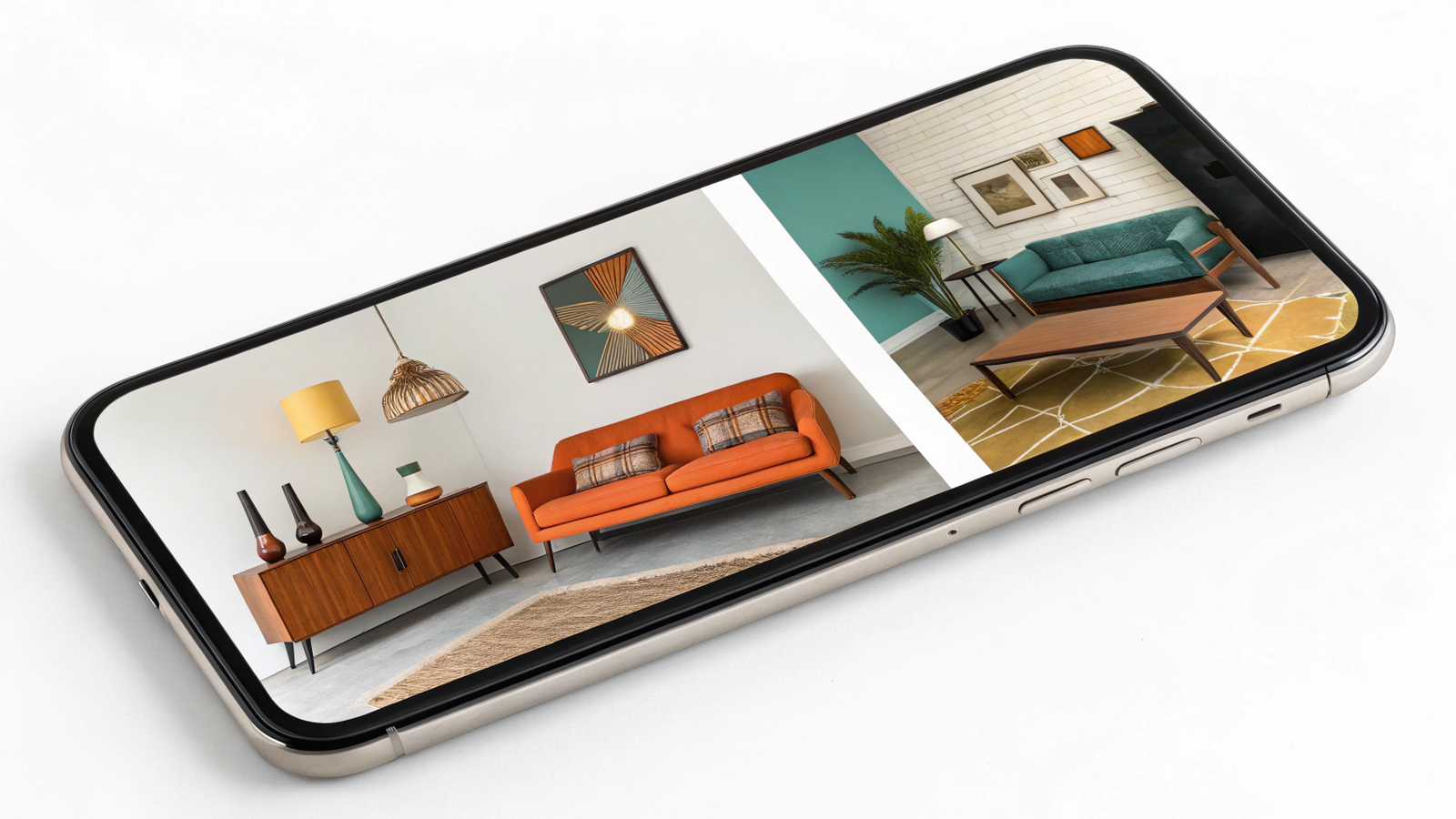
Before social media, design trends were mostly set by magazines and industry experts. Now, anyone can become a design influencer. This has completely changed how people discover and get inspired by interior design. From my professional point of view, this is a fantastic development. It means clients often come to us with a very clear vision, supported by a mood board of images they’ve saved. Mid-century modern, with its strong visual identity, thrives in this environment. Its iconic pieces are like celebrities in the design world—instantly recognizable and widely admired. The constant exposure online keeps the style fresh in people’s minds and continues to drive its popularity in real-world projects.
The Instagram Effect
Social media is a visual world, and MCM furniture is made for it. The style’s clean silhouettes, organic curves, and bold-yet-simple forms create a look that is both aspirational and achievable. A single, well-placed Eames-style lounge chair can transform a room and a photo. This visual power is why you see it all over Instagram and Pinterest[^13]. These platforms have become virtual galleries, democratizing design and allowing trends to spread globally overnight. For brands and designers, this is a powerful tool. A single project photo can reach millions of potential clients.
A Story to Tell
In an age of fast furniture, people are looking for pieces with more meaning. Mid-century modern furniture isn’t just a product; it has a rich history. It represents a period of post-war optimism, innovation, and a focus on creating a better, more functional way of life. Owning a piece of MCM furniture, whether it’s an original or a quality reproduction, feels like owning a piece of design history. This story adds value and a sense of permanence that you don’t get with mass-produced, trend-of-the-moment items. It connects people to a legacy of great design, which is a very appealing idea.
Versatility in Design Projects
One of the biggest reasons I see this style used so often in commercial and hospitality projects is its incredible versatility. It can act as a bridge between different styles, making it a designer’s best friend. It has enough character to be interesting but is simple enough not to clash with other elements. I’ve worked on projects where we’ve paired MCM pieces with industrial, bohemian, and minimalist aesthetics, and it always works. It provides a solid, timeless foundation that can be built upon.
Paired Style | Why It Works | Key MCM Pieces to Use |
Scandinavian | Both styles share a love for simplicity, natural wood, and functionality. | Wishbone chairs, simple teak sideboards. |
Industrial | The warmth of MCM wood tones balances the coldness of metal and concrete. | Leather sling chairs, walnut desks. |
Bohemian | The clean lines of MCM furniture provide a calm base for eclectic textiles and plants. | Low-profile sofas, simple platform beds. |
This adaptability is why mid-century modern isn’t just an online fad. It’s a genuinely useful and beautiful design style that solves real-world problems for designers, developers, and homeowners alike.
Conclusion
Mid-century modern is popular because it perfectly blends timeless style with modern needs[^15]. Its clean design, practical function, and new affordability have made it a lasting favorite in today’s world.
[^1]: Explore why mid-century modern furniture’s timeless and simple design is a perfect fit for contemporary homes.
[^2]: Discover how clean lines and organic shapes contribute to the appeal of mid-century modern furniture.
[^3]: Learn how the focus on function makes mid-century modern furniture versatile and practical.
[^4]: Find out how custom pieces inspired by mid-century modern design are created and used in various projects.
[^5]: Explore the natural materials that give mid-century modern furniture its warm and organic feel.
[^6]: Understand how mid-century modern furniture complements modern open-plan living with its design principles.
[^7]: Explore the smart, user-focused design philosophy that makes mid-century modern furniture appealing.
[^8]: Delve into the ‘form follows function’ principle and its significance in mid-century modern design.
[^9]: Learn how simplicity and efficiency are key elements of mid-century modern furniture design.
[^10]: Discover the importance of clean, straight lines in creating the serene and orderly look of mid-century modern furniture.
[^11]: Explore how CNC machining allows for precision and efficiency in creating mid-century modern furniture.
[^12]: Learn how global supply chains make high-quality mid-century modern furniture more accessible.
[^13]: Understand the role of Instagram and Pinterest in popularizing mid-century modern furniture.
[^14]: Find out why mid-century modern furniture stands out in photos and is popular on social media.
[^15]: Discover how mid-century modern furniture meets modern needs while maintaining a timeless style.