Introduction
Feeling like your space is cluttered and out of style? Finding furniture that is both beautiful and functional can be frustrating. Mid-century modern design offers the perfect, timeless solution.
Mid-century modern furniture[^1] is popular because its clean lines[^2] and functional design[^3] fit modern homes perfectly. This style makes spaces feel open and organized, offering a timeless look[^4] that values comfort and quality[^5] over passing trends. It’s a classic choice[^6] for today’s lifestyle.
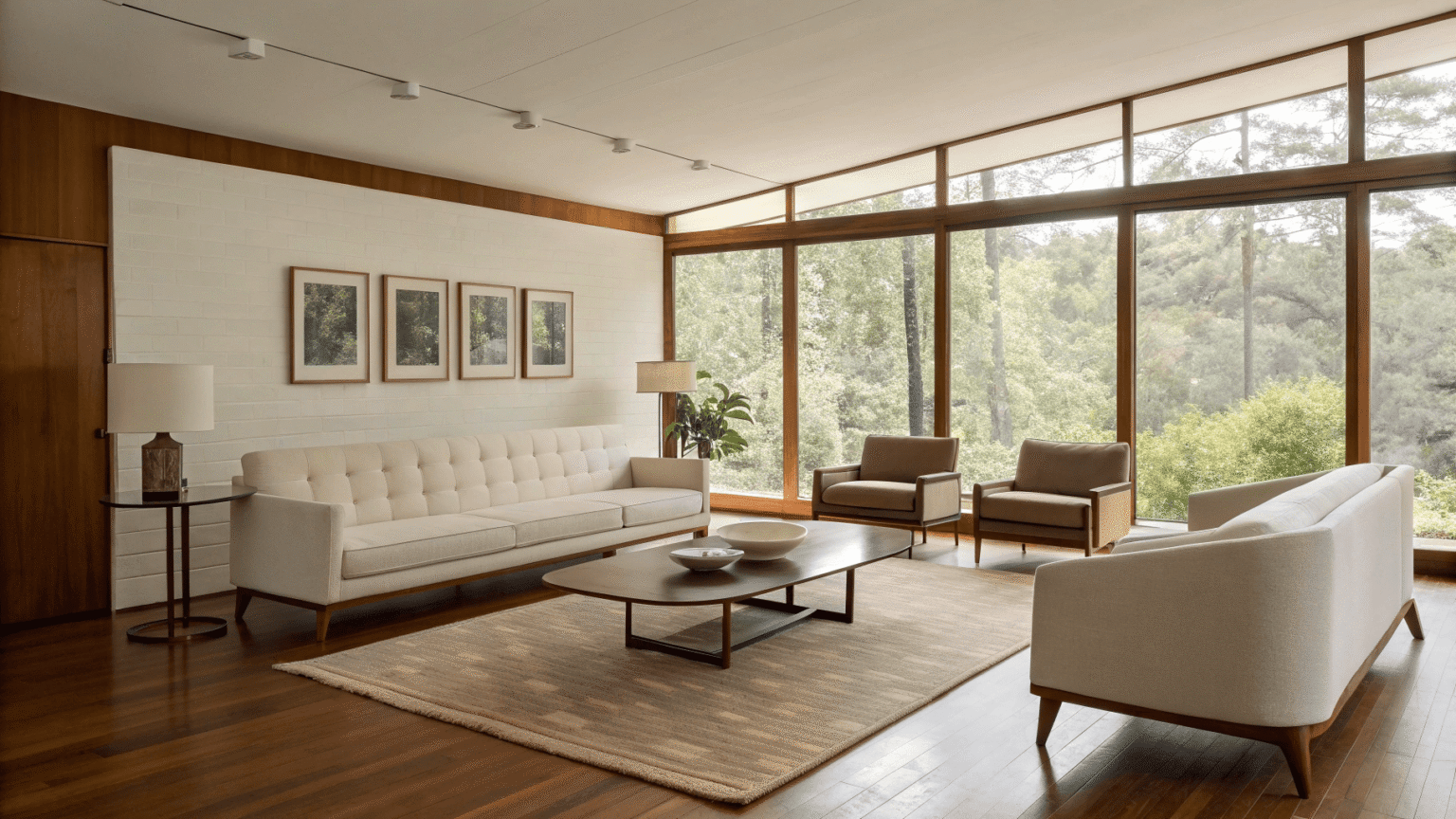
I’ve seen this trend grow firsthand in the projects we handle at NEXTOP. It’s not just a random comeback; there are solid reasons why this design philosophy resonates so strongly today. Let’s break down exactly what makes this style a smart choice for any modern space.
How does Mid-Century Modern design make small spaces feel bigger?
Is your home feeling smaller than it actually is? Bulky furniture can eat up precious space and make rooms feel dark. Mid-century modern design uses clever tricks to create light and space.
This style makes spaces feel bigger by using elevated, slender legs that show more floor, creating an open feel. Its simple forms, lack of heavy ornamentation, and use of natural light prevent visual clutter[^8]. The result is a lighter, more airy, and organized living environment.
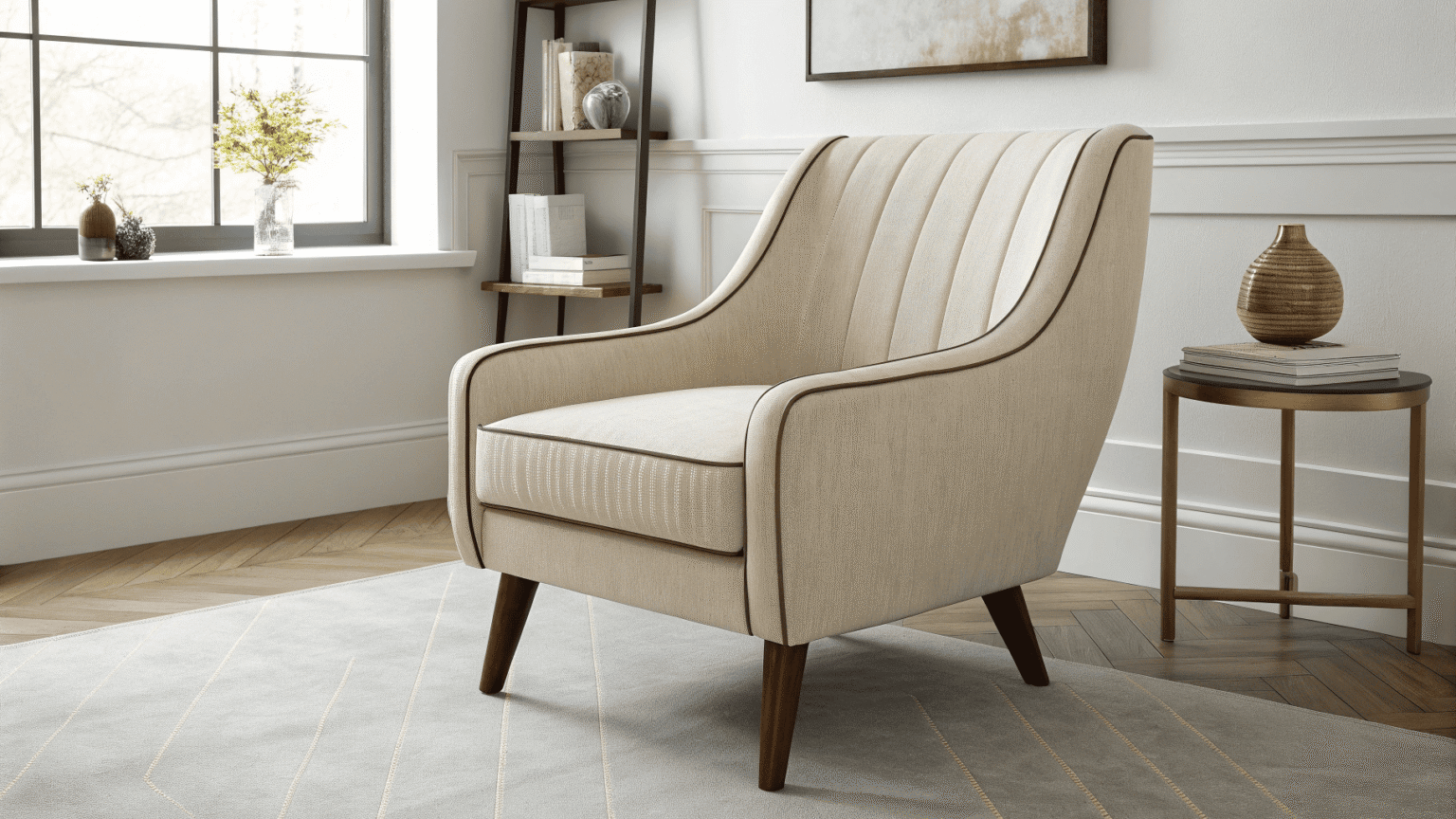
I remember working on a boutique hotel project where the guest rooms were quite compact. The designer was worried about them feeling cramped. We proposed a collection of custom mid-century modern inspired furniture. The effect was immediate as soon as the sample room was installed. The rooms felt more luxurious, open, and welcoming. This is because the design philosophy is perfectly suited for maximizing the perception of space. It’s not magic, it’s just smart design.
Raised Legs Create Airflow
One of the most recognizable features of mid-century modern furniture is its use of tapered, slender legs. These legs lift sofas, cabinets, and tables off the ground. This simple act allows you to see more of the floor, which tricks the eye into perceiving a larger area. It also lets light travel underneath the furniture, reducing shadows that can make a room feel heavy and small. This “negative space” is a powerful tool for creating a sense of openness and breath ability in any room, especially smaller ones.
Simple Lines Reduce Clutter
Mid-century modern design avoids fussy details. You won’t find intricate carvings or heavy ornamentation. Instead, it focuses on clean, geometric lines and smooth, curved surfaces. This minimalism[^9] reduces visual noise. When your eyes aren’t distracted by dozens of small details, the room feels calmer and more orderly. The furniture itself becomes a quiet, sculptural element rather than a bulky object that dominates the space. This clarity of form is essential for making a room feel uncluttered and serene.
Feature | Mid-Century Modern | Traditional Furniture |
Legs | Slender, raised, often tapered | Thick, short, or skirted to the floor |
Profile | Low-slung and horizontal | Tall, heavy, and vertical |
Details | Minimal to no ornamentation | Ornate carvings, decorative hardware |
Visual Impact | Light, airy, and open | Solid, heavy, and grounded |
Is this style more about function than just looks?
Tired of choosing between style and comfort? So much designer furniture looks great but isn’t practical for daily life. Mid-century modern was built on the idea that function comes first.
Absolutely. Mid-century modern is fundamentally about function. Its creators believed that form should follow function, resulting in ergonomic, comfortable, and durable pieces. The aesthetic beauty comes directly from its honest construction, simple materials, and purpose-driven design, not from added decoration.
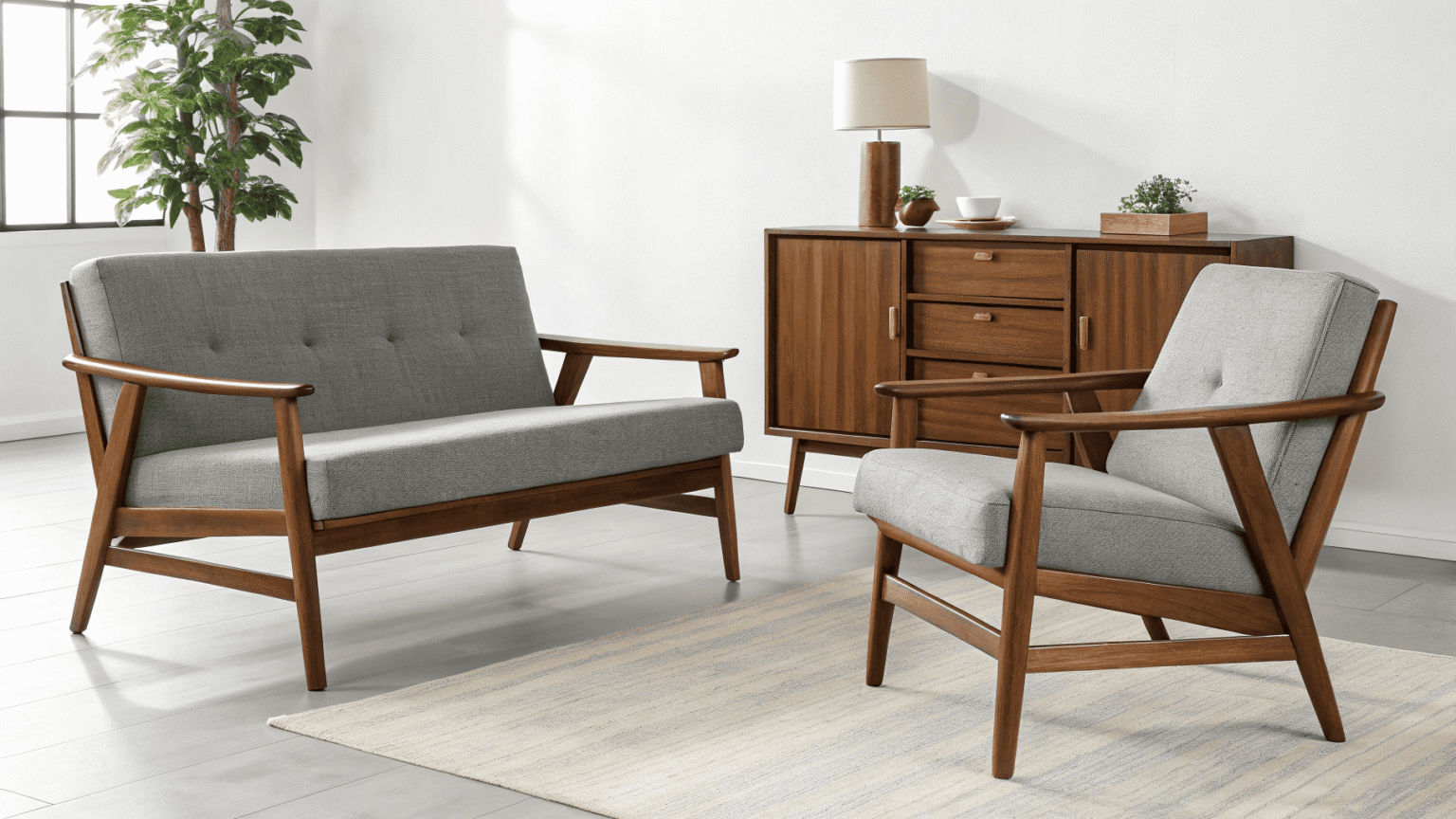
The beauty of this style is that it was never just about aesthetics. The designers of that era were problem-solvers. They were creating furniture for a new way of living after the war, for families in smaller homes who needed practical, durable, and affordable solutions. This focus on utility is why the designs have lasted so long. They were built for real people and real life, and that’s a principle that never goes out of style. In my work, clients appreciate this. They want pieces that not only look good in a photo but also hold up to daily use, whether in a home or a busy hotel.
Designed for the Human Body
The pioneers of mid-century modern, like Charles and Ray Eames, were obsessed with ergonomics[^10]. They studied how people sit, work, and relax. Their famous lounge chair is a perfect example. It was designed to fit the human body perfectly, providing support in all the right places. This human-centered approach means the furniture is incredibly comfortable and practical. It’s designed to be used and enjoyed every day, not just admired from afar. This commitment to comfort is a major reason for its enduring appeal in a world that often prioritizes looks over livability.
A Shift from Trends to Classics
We’re seeing a big shift in how people buy things. Many are moving away from “fast fashion” furniture that falls apart in a few years. Instead, they want to invest in pieces that will last a lifetime. Mid-century modern design is the definition of a classic. Its clean lines[^2] and quality construction mean it won’t look dated in five or ten years. People are choosing this style because it’s a sustainable, long-term choice. It’s about buying once and buying well. We often get requests for solid walnut[^11] or teak, classic MCM woods, because clients know they are not just beautiful but also incredibly durable. It’s about building something that will last, a core principle we share at NEXTOP.
Principle | Description | Example |
Form Follows Function | The shape of an object should be based on its intended purpose. | The simple, unadorned structure of a Wegner Wishbone Chair. |
Ergonomics | Design is centered on the user’s comfort and efficiency. | The molded plywood shape of an Eames Lounge Chair. |
Honesty of Materials | Materials are used for their natural properties and are not hidden. | Visible joinery in a wooden cabinet or a bent steel chair frame. |
Why do hotels and designers still specify Mid-Century pieces for projects?
Managing a large commercial project is challenging. You need furniture that is durable, stylish, and appeals to everyone. Mid-century modern consistently delivers on all these points for professionals.
Designers and hotels choose Mid-century modern because it’s a safe bet. The style is timeless, appealing to a broad audience without feeling dated. Its durable construction is perfect for high-traffic commercial use, and its clean aesthetic easily integrates with various architectural styles and brand identities.
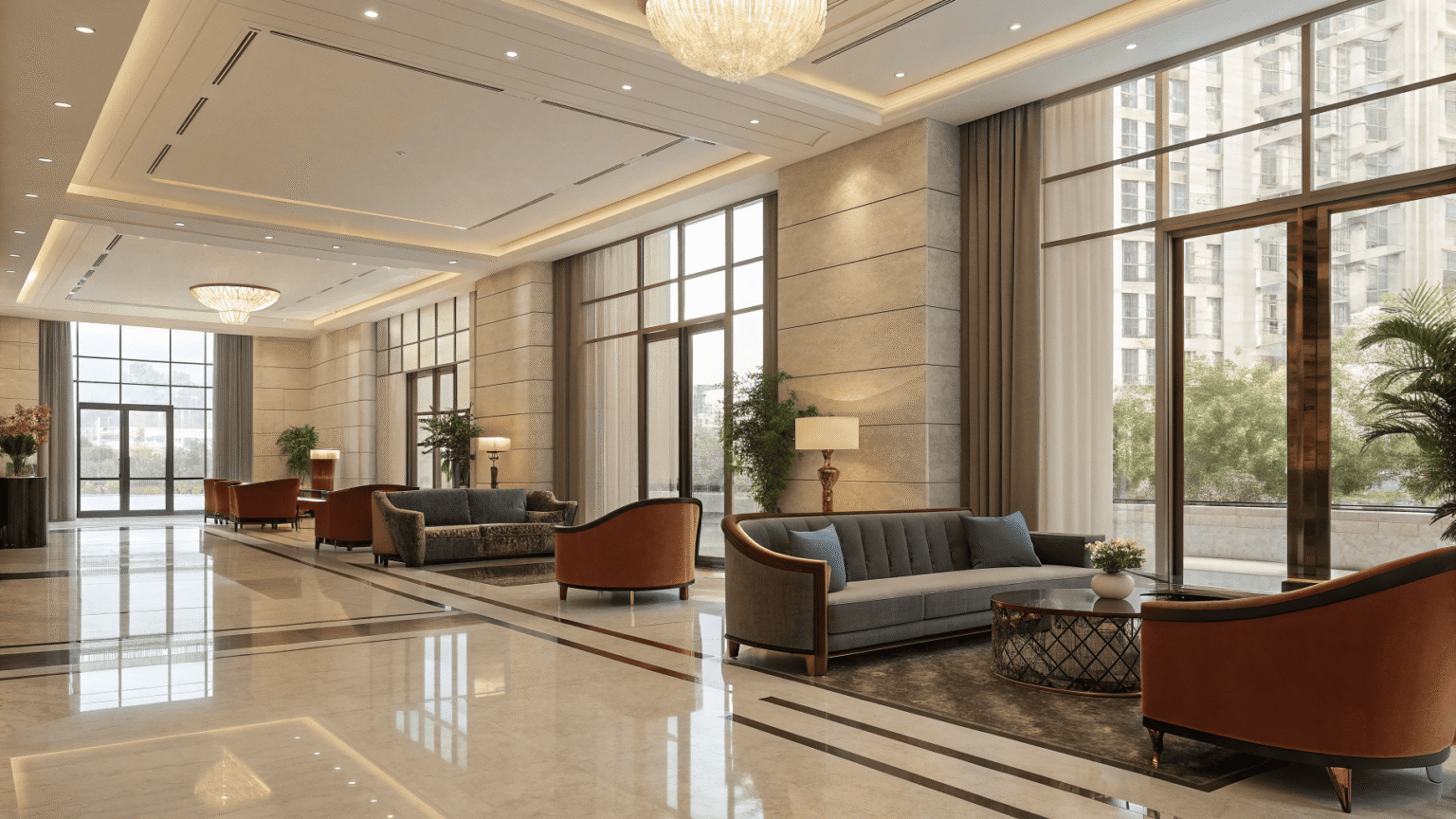
In the B2B world of hospitality and commercial projects[^12], choices can’t be based on fleeting trends. You need a return on investment. Mid-century modern provides that. It has a proven track record of staying relevant and appealing to a wide range of guests and customers. Its designs are sophisticated without being intimidating, and comfortable without being sloppy. It hits a sweet spot that makes everyone feel at ease. At NEXTOP, we frequently engineer custom MCM-inspired pieces for hospitality clients. The style’s simple lines make it easy for us to adapt a design to specific project needs, whether it’s adjusting dimensions for a hotel room or using a specific metal finish to match architectural elements. It is an incredibly flexible and reliable style for custom work.
Timeless Appeal for Guests
Mid-century modern has a unique quality: it feels both nostalgic and futuristic at the same time. For many guests, it evokes a sense of familiar comfort, a throwback to a classic era of design. For others, its clean lines[^2] and minimalist feel seem perfectly contemporary. This broad appeal is a huge asset for hotels and commercial spaces trying to cater to diverse demographics. It creates an atmosphere that is sophisticated, welcoming, and cool without trying too hard. This timelessness ensures that an interior won’t look dated a few years after a costly renovation.
Built for High-Traffic Environments
The original mid-century modern pieces were built to last, and this principle is carried through in modern commercial-grade reproductions. The emphasis on solid wood construction, sturdy joinery, and durable materials makes it ideal for environments that see a lot of use. The simple forms are also easier to clean and maintain than overly ornate furniture. For a hotel, restaurant, or office, this durability means a lower total cost of ownership and furniture that continues to look good even after years of daily wear and tear. It’s a practical and smart financial choice for any project manager.
Project Type | Key Benefit of MCM | Why It Works |
Boutique Hotels | Sophisticated, unique aesthetic | Creates a memorable, design-forward experience for guests. |
Corporate Offices | Functional, clean, and inspiring | Promotes an orderly, modern, and uncluttered work environment. |
Restaurants/Cafes | Durable and stylishly comfortable | Withstands heavy use while creating a welcoming, classic ambiance. |
Residential Developments | Broad, timeless appeal | Attracts a wide range of potential buyers or renters with its classic look. |
Conclusion
Mid-century modern is popular because it’s stylish, functional, and smart. Its timeless design solves modern problems, making it a classic choice[^6] for homes and commercial projects[^12] alike.
[1]: Explore the advantages of Mid-century modern furniture, known for its timeless design and functionality.
[2]: Discover how clean lines can transform your space, creating a more organized and open feel.
[3]: Learn about functional design and how it prioritizes usability without sacrificing style.
[4]: Understand the significance of timeless design in creating lasting appeal in your home.
[5]: Find out why comfort and quality are essential factors when selecting furniture for your space.
[6]: Explore why Mid-century modern furniture is considered a classic choice for various spaces.
[7]: Explore furniture styles that maximize space and create an airy atmosphere in small rooms.
[8]: Discover effective strategies to minimize visual clutter and create a serene living environment.
[9]: Explore the core principles of minimalism and how they can simplify your living space.
[10]: Understand how ergonomics improves comfort and functionality in furniture for everyday use.
[11]: Discover the advantages of solid walnut furniture, known for its durability and beauty.
[12]: Learn about the unique challenges faced in selecting furniture for commercial spaces.
[13]: Explore the characteristics that contribute to a design’s timeless appeal and relevance.