Introduction
Struggling to find genuine Mid-Century furniture for your project? The market is full of fakes. It’s hard to know what’s real. Let’s explore how to get that iconic look reliably.
Yes, authentic Mid-Century furniture is very difficult to find. Original pieces from the 1940s-60s are limited, and well-preserved examples are rare. The market is saturated with “style” replicas that often miss the mark on proportions[1], materials, and quality, making true originals hard to source.
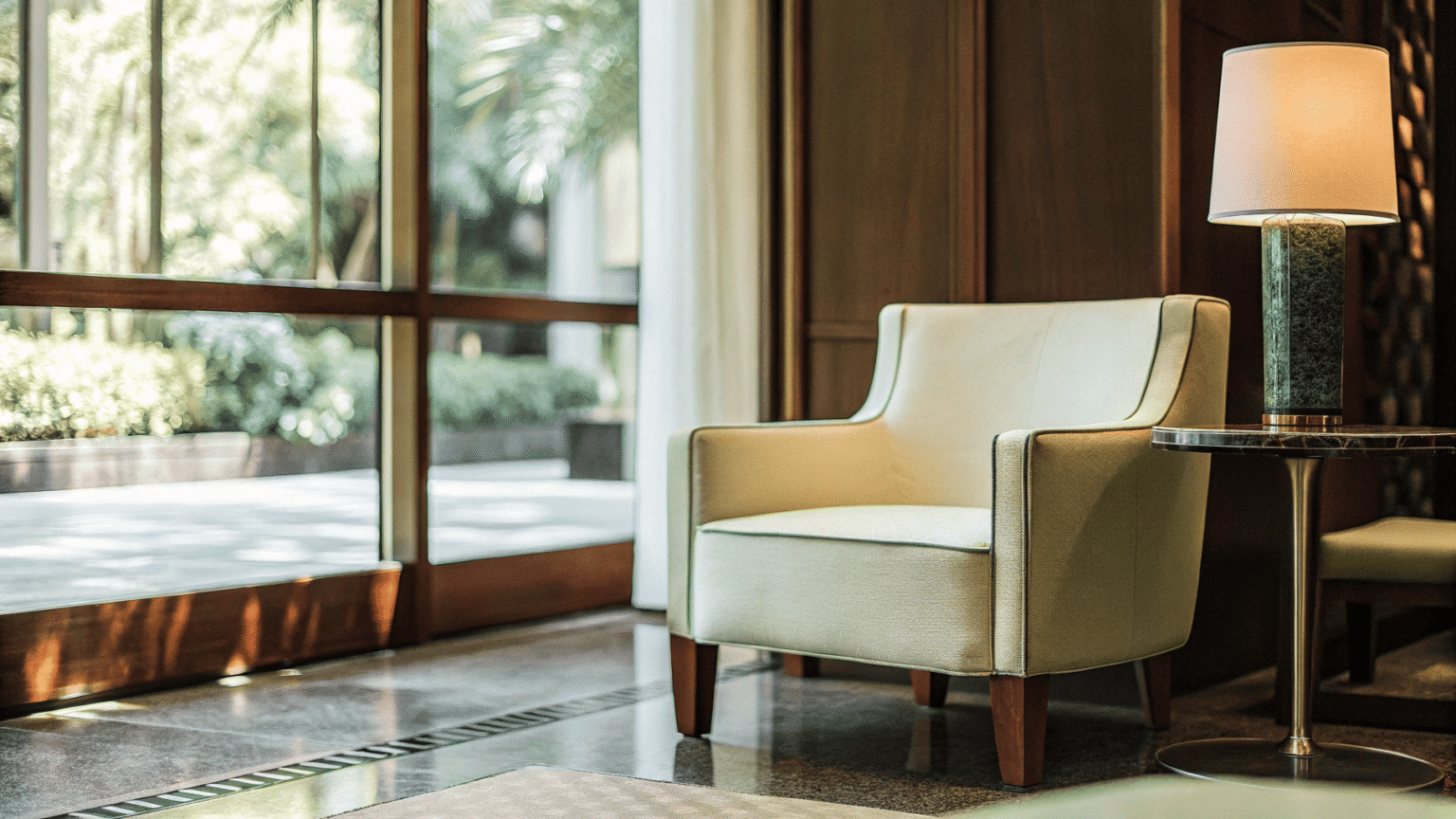
So you want that timeless Mid-Century Modern (MCM) look for your space. It’s a great choice. The style is clean, functional, and always elegant. But as you start looking, you realize it’s not so simple. You see pieces labeled “Mid-Century” everywhere, but many just don’t feel right. The search for authentic pieces can be frustrating and expensive. Let’s break down what you need to know and explore a more practical path to achieving this aesthetic for your projects.
What defines authentic Mid-Century Modern furniture?
Confused by what makes MCM furniture truly authentic? You see the term everywhere, but the details can be fuzzy. Let’s clarify the core principles of this iconic design movement.
Authentic MCM furniture (circa 1940-1960s) is defined by its clean lines[2], organic curves[3], and minimalist form[4]. It emphasizes function over ornament, using materials like solid wood[5], molded plywood[6], and metal. The construction is honest, with a focus on craftsmanship[7] and everyday usability.
To really understand MCM, you have to look beyond the surface-level style. It was a design philosophy[8]. It was about creating beautiful, functional furniture for the average family after the war. This meant simple forms, new manufacturing techniques, and an honest approach to materials. I’ve spent years handling these pieces, and the difference is in the details.
Simplicity and Function
The first step is always a detailed assessment. We need to think beyond just the table. How big are your dining chairs? Will they have arms? You need to be able to push them in fully. We also account for “pull-back” space—the room needed to comfortably pull a chair out and sit down. These small details make a huge impact on daily comfort.
Materials and Craftsmanship
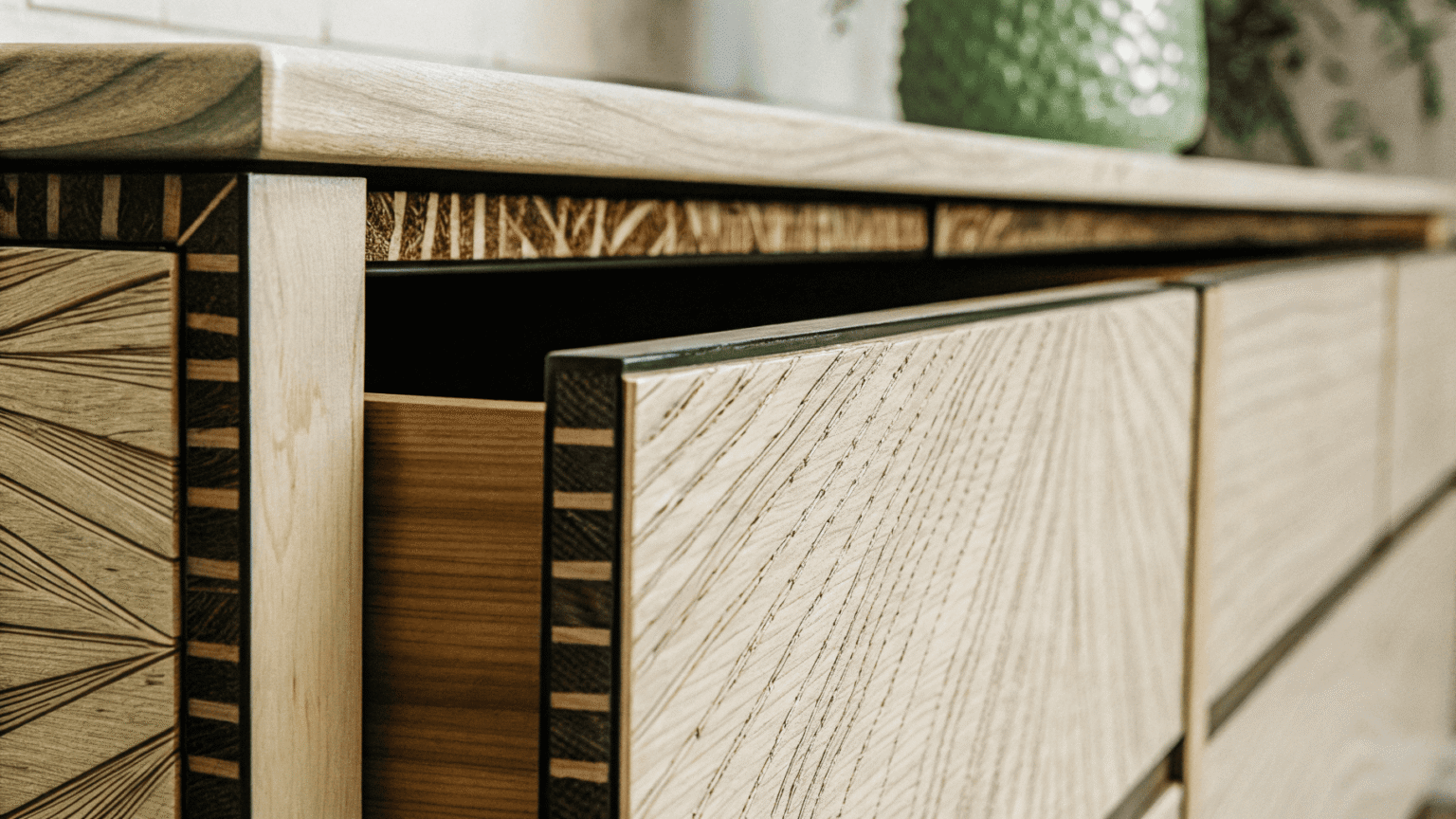
Authentic MCM pieces celebrated new and traditional materials. Designers used a lot of solid woods[5] like teak, walnut, and rosewood, known for their warm tones and beautiful grain. They also pioneered the use of molded plywood[6], which allowed for new organic shapes that were previously impossible. You can see this in iconic chairs by designers like Charles and Ray Eames. The craftsmanship[7] was also key. Joinery was often exposed as a design element, showing the quality of the construction.
Proportions and Form
The proportions[1] of original MCM furniture are very specific. They are designed for human scale and comfort. Modern “MCM-style” pieces often get this wrong. The legs might be too thick, the tabletop too bulky, or the angles just slightly off. These small changes can ruin the entire feel of the piece.
Feature | Authentic Mid-Century Modern | Modern “MCM-Style” Replica |
Wood | Solid teak, walnut, rosewood; high-quality veneers | MDF with thin, low-grade veneer; unspecified “hardwood” |
Proportions | Slender, tapered legs; light and elevated feel | Often bulky or poorly scaled proportions[1] |
Craftsmanship | Visible, high-quality joinery (e.g., dovetails) | Staples, glue, and basic screw construction |
Philosophy | Function-first, designed for living | Style-first, designed to imitate a look |
Why are original pieces so hard to source for projects?
You are determined to use original MCM pieces in your hotel or villa project. But you are hitting dead ends and budget overruns. Here is why sourcing originals[9] is so challenging.
Original MCM furniture is a finite resource. These pieces are over 60 years old, making well-preserved examples scarce and expensive. Sourcing a large, consistent quantity for a commercial project is nearly impossible, leading to major inconsistencies in quality, condition, and finish.
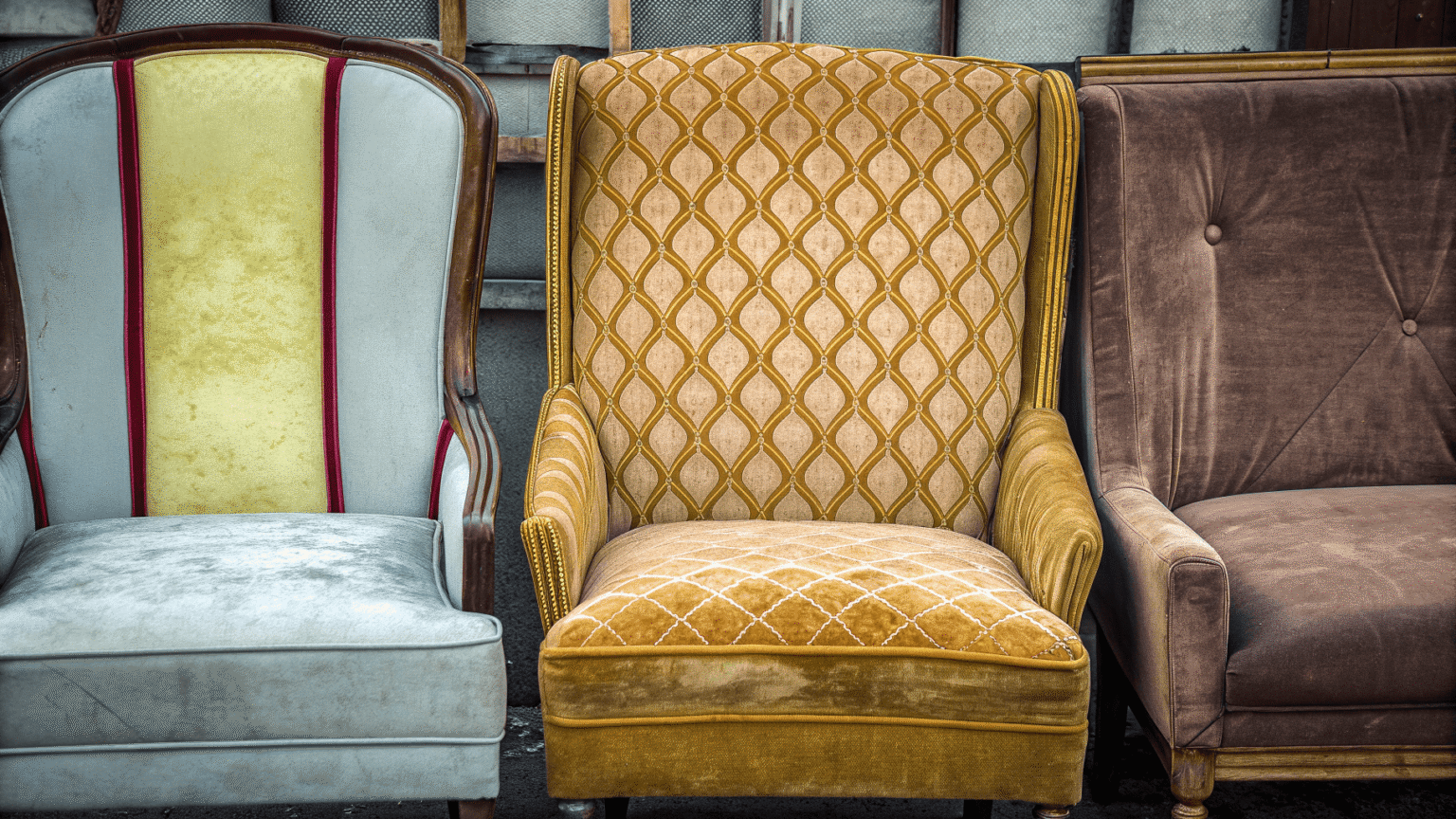
Sourcing for a single home is one thing. But when you need to furnish 50 hotel rooms or an entire restaurant, the challenge becomes immense. I once had a client, a boutique hotel developer, who was set on having an original Danish armchair in every single suite. It sounded like a fantastic idea. The reality was a logistical nightmare. We spent months scouring auctions and vintage dealers across the globe.
The Problem of Scarcity
There is a limited supply of original MCM furniture in the world. What’s left is often in private collections or museums. Finding one good piece is hard enough. Finding dozens of the same piece in good condition is almost impossible. You are competing with collectors who are willing to pay a premium. For a commercial project with a timeline and a budget, this is a huge risk.
The High Cost of Authenticity
Because they are rare, authentic MCM pieces are expensive. A single, well-known designer chair can cost thousands of dollars. When you multiply that by the number of rooms in a hotel, the budget quickly spirals out of control. And that’s before you even consider shipping, restoration, and insurance costs. The price just isn’t practical for most commercial applications.
The Challenge of Consistency
This was the biggest problem for my hotel client. The chairs we found were all “authentic,” but they were not consistent. Some had been beautifully restored, while others had faded wood, stained upholstery, or wobbly legs. The color of the teak varied from a warm honey to a dark brown. We couldn’t guarantee a uniform guest experience. A project’s success depends on consistency[10], and you just can’t get that with vintage items.
Challenge | Impact on a Commercial Project |
Scarcity | Delays in procurement; inability to furnish all spaces as planned. |
High Cost | Exceeds budget; reduces funds for other critical project areas. |
Inconsistency | Mismatched finishes and quality; compromised brand standards. |
Durability | Vintage pieces may not meet modern commercial durability standards. |
Is a high-quality reproduction a better choice for commercial projects ?
Love the MCM look[12] but can’t deal with the hassle of originals? You might feel like you are compromising. But a custom reproduction[13] can be an even better solution for your needs.
For commercial projects[11], high-quality reproductions[14] are often the superior choice. They offer the classic MCM aesthetic with modern durability[15], consistent quality, and controlled costs. You can customize dimensions and materials to fit your project’s specific needs, ensuring a perfect result.
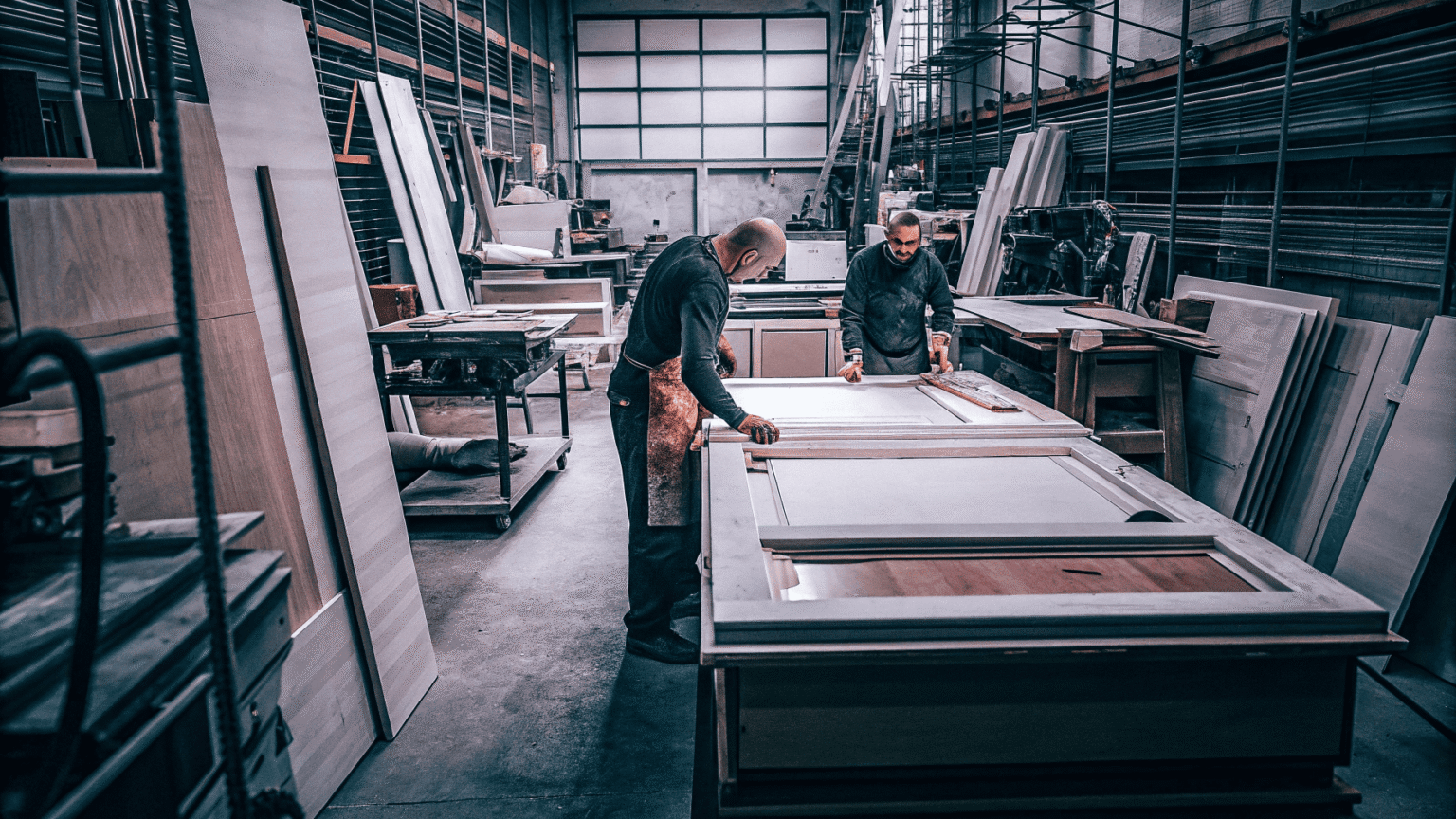
This is where my work at NEXTOP comes in. We bridge the gap between the vision and the reality. Designers and architects come to us with a love for the MCM aesthetic but a need for practical solutions. A high-quality, custom-made piece is not a “fake.” It’s a thoughtful re-engineering of a classic design for modern demands. It honors the spirit of the original while performing better in a commercial environment like a hotel, restaurant, or office.
Achieving Consistency and Scale
With custom manufacturing, you get perfect consistency[10]. If you need 100 side tables for a hotel, every single one will be identical in size, color, and finish. We work from a single set of approved shop drawings and material samples. This ensures that the design integrity is maintained across the entire project, from the first piece to the last. There are no surprises.
Modern Durability and Materials
Let’s be honest: a 70-year-old chair was not designed for the wear and tear of a high-traffic hotel lobby. The joints can be fragile, and the original finishes may not be resistant to scratches and spills. When we create a custom reproduction[13], we use commercial-grade materials and construction techniques. We can use more durable fabrics, stronger joinery, and modern protective finishes that meet contract standards, all while preserving the original look.
Customization and Control
This is the biggest advantage. Maybe the original armchair design is a bit too small for a modern hotel guest. Or perhaps the original wood finish doesn’t match the project’s overall color palette. With custom production, you have complete control. We can adjust dimensions, change materials, and fine-tune finishes to perfectly align with your design vision and functional requirements.
Factor | Sourcing Originals | Custom Reproductions (NEXTOP) |
Consistency | Low. Each piece is unique in age and wear. | High. Every piece is identical. |
Durability | Varies. Not built for modern contract use. | High. Built with commercial-grade materials. |
Scalability | Very difficult. Limited number of pieces available. | Easy. Can produce any quantity needed. |
Customization | None. You get what you find. | Full. Dimensions, materials, and finishes are tailored to your project. |
Cost & Lead Time | Unpredictable and often very high. | Predictable and controlled. |
Authentic MCM is rare and often impractical for large projects. High-quality, custom-made reproductions offer the ideal solution, blending timeless style with modern performance, consistency[10], and control for your designs.
[1]: Learn how proportions affect comfort and aesthetics in MCM furniture design.
[2]: Understand the significance of clean lines in creating a timeless and elegant space.
[3]: Explore how organic curves contribute to the beauty and functionality of Mid-Century furniture.
[4]: Learn about the minimalist approach that defines the elegance of MCM furniture.
[5]: Find out which solid woods are favored in authentic MCM pieces for their quality and aesthetics.
[6]: Discover the innovative use of molded plywood that revolutionized furniture design in the MCM era.
[7]: Explore the craftsmanship that sets authentic MCM pieces apart from modern replicas.
[8]: Delve into the design philosophy that shaped the MCM movement and its lasting impact.
[9]: Learn about the difficulties faced when trying to source authentic MCM pieces for projects.
[10]: Understand the importance of consistency in creating a cohesive and professional look.
[11]: Get insights on selecting the right furniture for commercial spaces while maintaining style.
[12]: Discover the key elements that make up the iconic MCM aesthetic for your design inspiration.
[13]: Learn how custom reproductions can meet specific design needs while honoring classic styles.
[14]: Understand why high-quality reproductions can be a practical choice for modern projects.
[15]: Explore materials that enhance the durability of furniture for high-traffic environments.