Introduction
Love the clean, timeless look of Mid-Century Modern? The high price tags can be a major shock. Let’s break down the real reasons behind the cost.
Mid-Century Modern furniture[1] is expensive because of its history, materials, and craftsmanship. Original pieces are rare collector’s items. The designs, while looking simple, require high-precision techniques and quality materials like solid wood and molded plywood[2], making production costly. This combination creates lasting value.
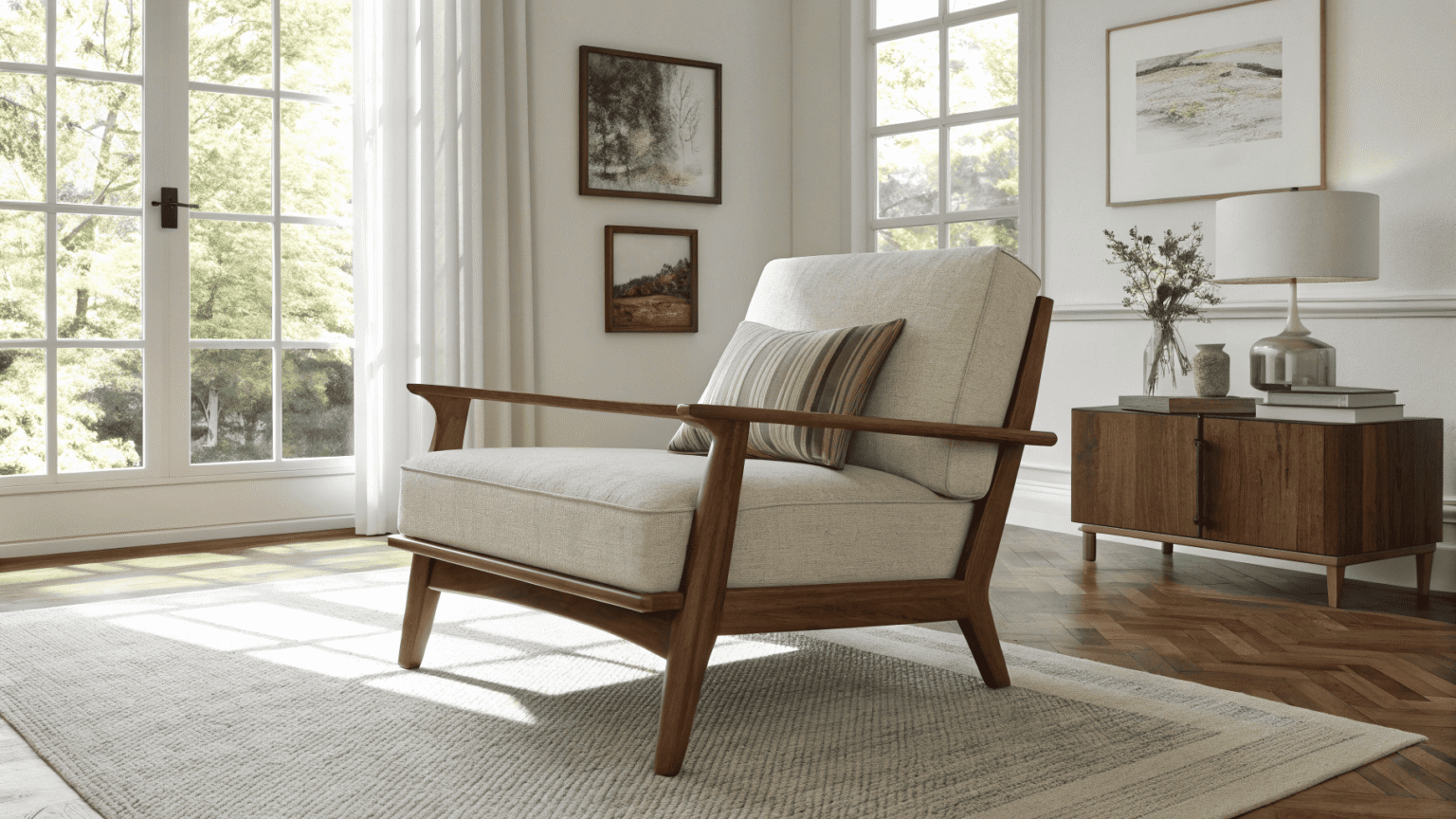
So, it’s not just about a “retro” trend. The price reflects real, tangible value. But there’s more to the story than just old furniture being valuable. Let’s dig into the specific factors that drive up the cost, starting with the allure of the originals.
Are original pieces the only reason for the high price?
You see a vintage piece with a shocking price tag. It’s easy to think it’s just hype. But the value is tied to its history and rarity.
Originals are a primary driver, but not the only one. These are historical artifacts[4], not just furniture. Designed by icons like Eames[5] or Wegner, their limited supply creates a collector’s market[6]. This rarity establishes a high value that influences the entire style’s pricing.
When we talk about original Mid-Century Modern (MCM) pieces, we are talking about a finite resource. These items were produced decades ago, mainly between 1945 and 1969. Many have been lost or damaged over time. This scarcity[7] alone makes them valuable. I often tell my clients to think of it like collecting vintage cars or fine art. You are buying a piece of design history[8], not just a chair to sit on. The number of authentic, well-preserved pieces is shrinking every year, which naturally drives up demand and price among collectors. This turns the furniture into an investment that can appreciate over time.
The Power of the Designer Name
The names associated with MCM are legendary. Charles and Ray Eames[5], Hans Wegner, and Arne Jacobsen were not just furniture makers; they were celebrated artists who pioneered new forms. Their work is studied in design schools and displayed in museums worldwide. Owning an original is like owning a sculpture with a famous signature. This brand equity and historical importance add a significant premium. The story behind the piece, the designer’s intent, and its place in history matter just as much as its function. This context sets a high benchmark for the entire style.
Aspect | Original Vintage Piece | Modern Reproduction |
Value | Appreciates over time, investment | Depreciates, functional item |
Source | Limited, authenticated | Mass-produced or custom-made |
Condition | Varies, may have patina or wear | Brand new |
Price | Very high | Varies, but much lower |
Does "simple design" mean cheap to make?
The designs look so effortless and minimal. It is natural to think they are simple to make. But that clean look hides complex, costly production processes.
No, “simple” is deceptive. Achieving those clean lines and organic curves requires advanced craftsmanship[9] and expensive materials. Processes like steam-bending wood or molding plywood are complex. The focus on perfect joinery and durable hardwoods means higher material and labor costs, not lower ones.
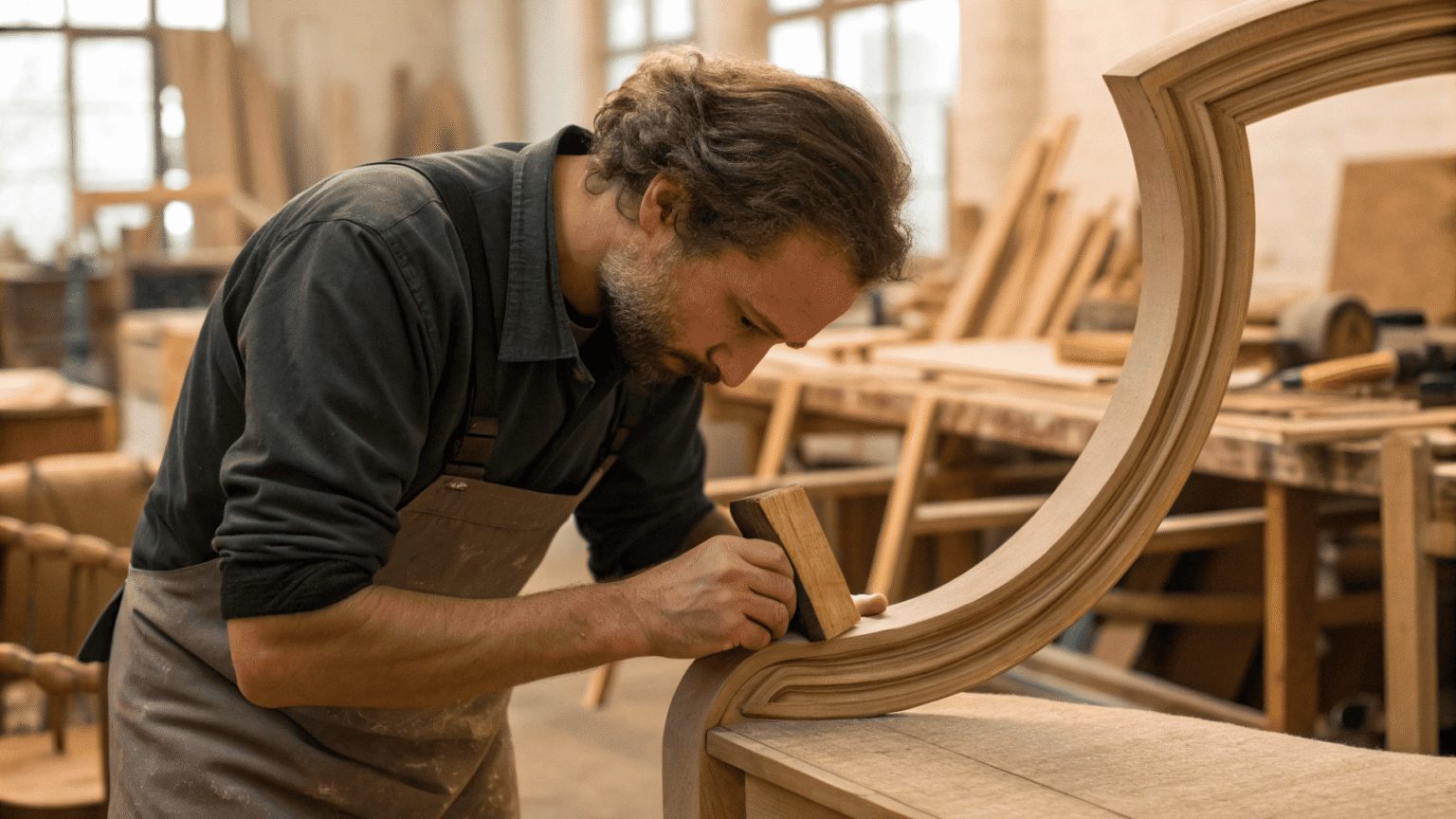
That beautiful, uncluttered look of MCM furniture is its biggest trick. In my experience building custom furniture, simplicity is often harder and more expensive to achieve than complexity. There are no ornate carvings or heavy fabrics to hide imperfections. Every single line, curve, and joint is exposed for everyone to see. This means the craftsmanship has to be absolutely flawless. A single poorly-sanded curve or a slightly misaligned joint would ruin the entire piece. This demand for perfection requires highly skilled labor and a lot of time, which are significant cost factors.
Materials and Manufacturing Costs
MCM designers prioritized materials that were both beautiful and durable. They used a lot of solid hardwoods[10] like teak, rosewood, and walnut, which are inherently costly. They also pioneered the use of new technologies for their time. For example, creating the iconic shell of an Eames[5] Lounge Chair involves pressing multiple layers of plywood and veneer into a complex mold under heat and pressure. This process is far more demanding and expensive than just cutting and joining flat panels of MDF or particleboard. The result is a piece that is incredibly strong and can last for generations, but the initial production cost is high.
Feature | Why It’s Expensive | Common Materials |
Organic Curves | Requires steam bending or molded plywood | Walnut, Teak, Oak, Molded Plywood |
Tapered Legs | Requires precise lathing and shaping | Solid Hardwoods |
Exposed Joinery | Must be perfect, requires skilled labor | Dovetail, Mortise and Tenon |
Durable Finish | Quality lacquers and oils for protection | Natural Oil, Lacquer |
How can I get the MCM look without the vintage price tag?
You need that iconic MCM style for your project. But the cost and rarity of originals are major barriers. There is a practical way to achieve your vision.
High-quality custom-made furniture[11] is the smartest choice. It delivers the iconic MCM aesthetic[12] using modern, durable materials, all built to your project’s exact specifications. This approach balances design, quality, and cost, avoiding the high price and fragility of vintage originals.
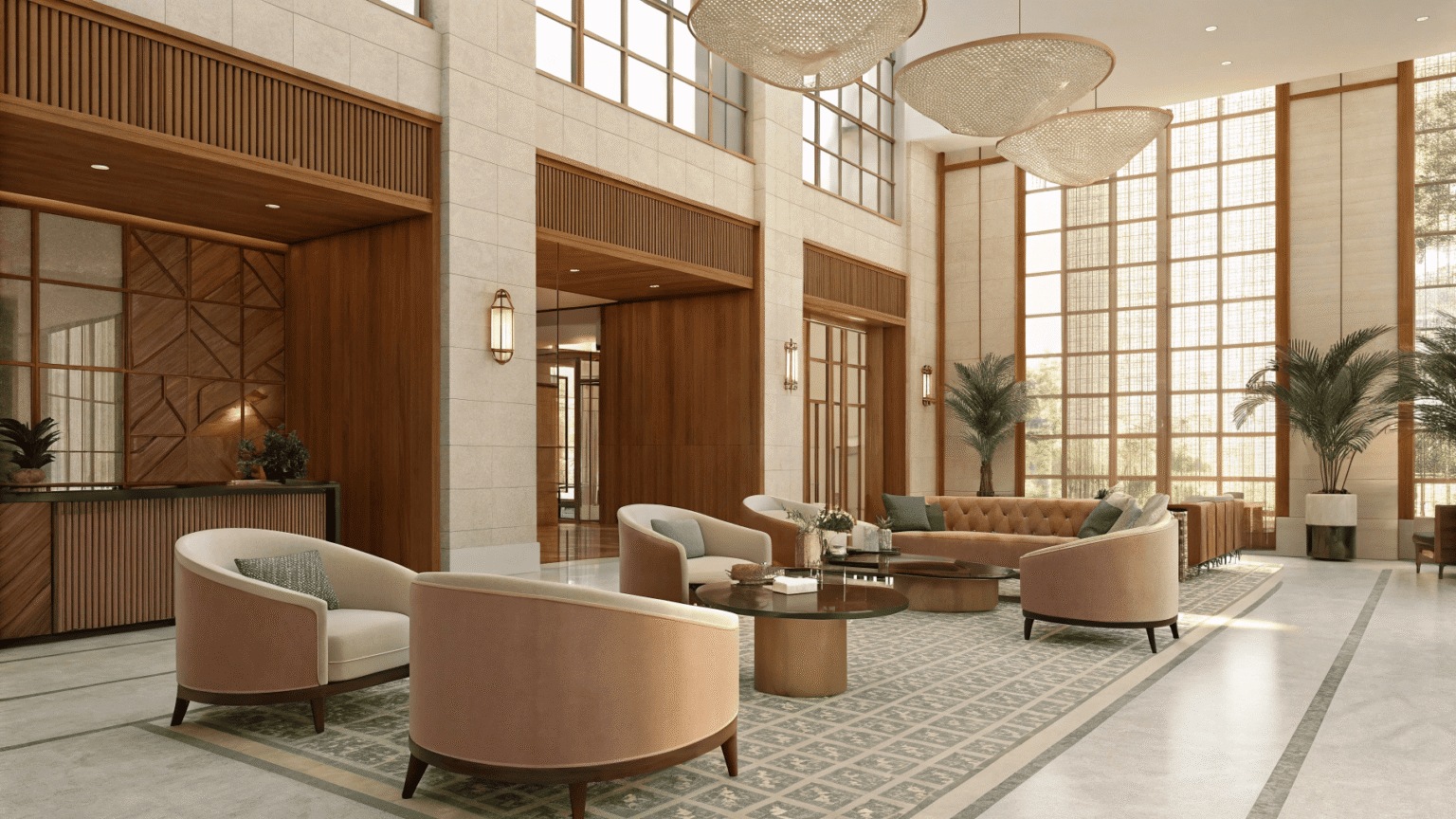
For my clients in hospitality, architecture, and commercial design, authenticity is important. But so are budget, durability, and scalability. This is where custom manufacturing becomes the most logical and effective solution. Instead of hunting for a dozen identical vintage chairs, which is nearly impossible and incredibly expensive, you can have them built to your exact specifications. This ensures consistency across a large project, from a hotel lobby to every single guest room. It removes the risk and uncertainty of sourcing antiques.
The Custom Advantage: Blending Style and Practicality
As a custom furniture maker, I have worked on many projects that needed that MCM feel. We can take the spirit of a classic design and re-engineer it for modern commercial use. This means we can adjust dimensions to fit a hotel room layout perfectly. We can select materials that provide the right look but also meet contract-grade durability[13] and fire-safety standards. You get the clean lines, the organic shapes, and the structural integrity. But you get it without the collector’s price tag or the worries of maintaining a fragile, 70-year-old antique. It is about capturing the essence of the design in a way that is practical, reliable, and built for your specific project.
Option | Aesthetics | Cost | Durability & Scalability |
Vintage Original | Perfect, historic | Very High | Low, not scalable |
Mass-Market Knock-off | Often poor, inaccurate | Low | Low, poor materials |
NEXTOP Custom | High, faithful to design spirit | Moderate, controlled | High, contract-grade, scalable |
MCM furniture’s price comes from its history, craft, and materials. For today’s projects, high-quality custom pieces offer the ideal balance of iconic style, modern durability, and manageable cost.
[1]: Explore the unique characteristics that contribute to the high value of Mid-Century Modern furniture.
[2]: Discover the importance of molded plywood in furniture design and its manufacturing process.
[3]: Discover the significance of original pieces in the furniture market and their impact on pricing.
[4]: Learn how historical context elevates furniture to the status of artifacts and affects their value.
[5]: Understand the legacy of Eames and how their designs influence modern furniture.
[6]: Find out what factors contribute to the thriving collector’s market for vintage furniture.
[7]: Explore the relationship between scarcity and value in the vintage furniture market.
[8]: Explore the significance of design history in understanding and valuing furniture pieces.
[9]: Delve into the techniques that define advanced craftsmanship and their impact on furniture quality.
[10]: Learn about the benefits of solid hardwoods in furniture design and their contribution to durability.
[11]: Explore how custom-made furniture can meet specific design needs while maintaining quality.
[12]: Get tips on how to incorporate the iconic Mid-Century Modern aesthetic into your space.
[13]: Understand the standards of contract-grade durability and why it’s essential for commercial projects.