Introduction
Struggling to choose between custom and ready-made furniture[^1]? Making the wrong call can lead to wasted space, mismatched styles, and deep regret for your project.
Custom furniture is best for maximizing space and achieving a unique, cohesive style, especially in hospitality and commercial projects. Ready-made furniture is faster and works for standard needs where exact dimensions and perfect style matching are not critical. The choice depends entirely on your project’s specific demands.
So, you have the quick answer. But the real value for your project lies in understanding the details behind that choice. The decision impacts everything from your budget to your brand identity[^2] and the long-term satisfaction of your clients or guests.
Let’s break down the key factors you need to consider. This will help you make a confident decision that brings your design vision to life without compromise.
How does furniture choice impact your space utilization?
Do you have an awkward corner, a curved wall, or an unusual room layout? Off-the-shelf pieces just won’t fit right, leaving you with frustrating, unusable gaps and wasted space.
Custom furniture maximizes every inch of your space because it is built to your room’s exact measurements. Ready-made furniture comes in standard sizes, often creating awkward gaps or failing to fit non-standard spaces at all. For full space efficiency, customization is far superior.
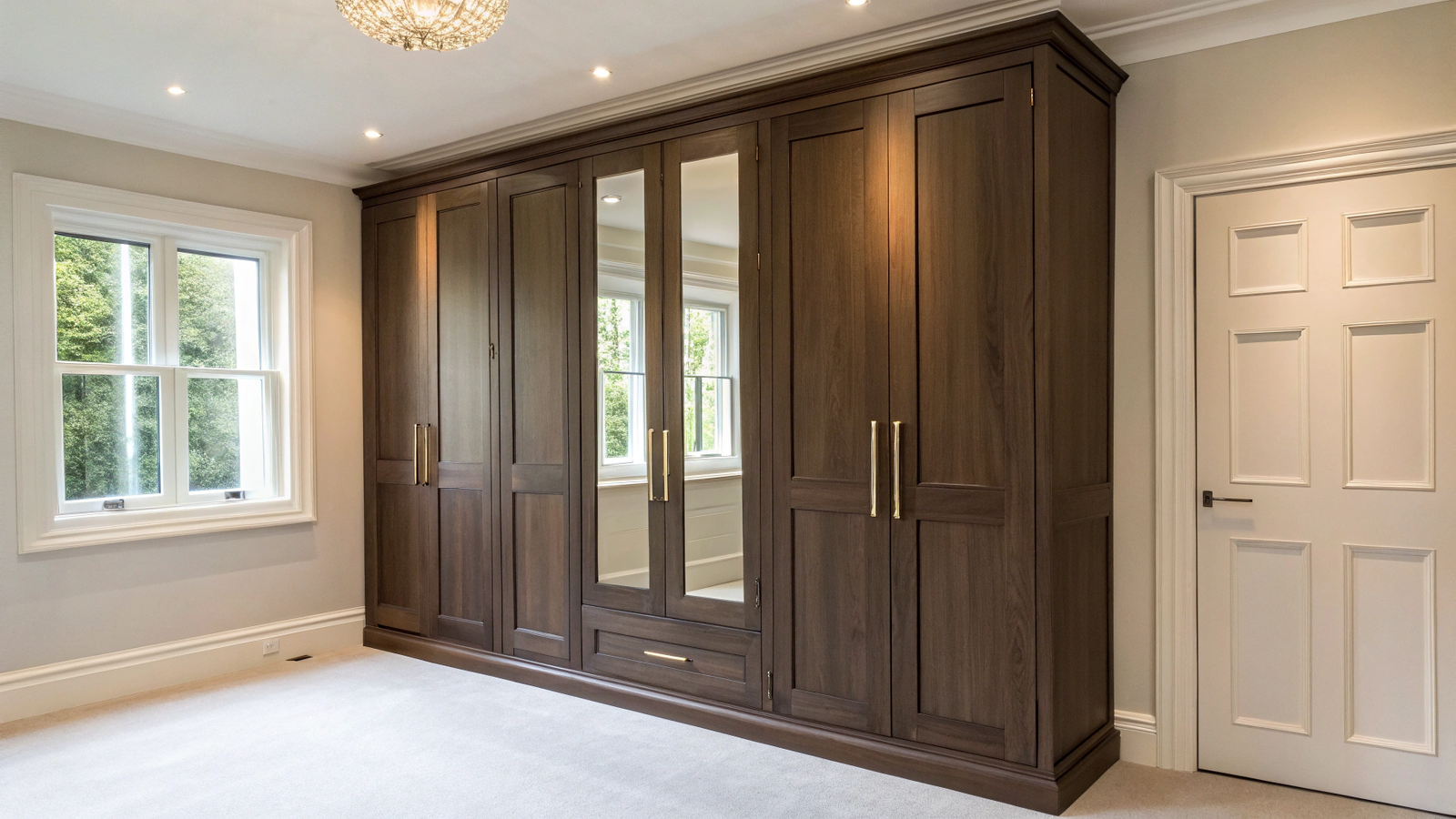
In my years of working on hospitality and commercial projects, I’ve seen countless floor plans with unique challenges. A standard dresser or desk simply can’t solve the problem of a structural column or a slanted ceiling. This is where customization becomes a problem-solver, not just a preference. We can design a wardrobe that wraps perfectly around a pillar or a reception desk that follows the precise curve of a wall. This turns a design headache into a unique architectural feature[^4]. In a restaurant, custom banquette seating can add more covers and improve flow in a way that standard tables and chairs never could.
A Tale of Two Layouts
Think about the real-world difference in a hotel room.
Feature | Custom Furniture | Ready-Made Furniture |
Space Fit | Built to millimeter-perfect dimensions, fitting any nook or odd shape. | Standard sizes that often leave gaps or feel disproportionate to the room. |
Functionality | Integrates power outlets, lighting, and storage exactly where needed. | Limited, pre-determined functionality that may not suit guest needs. |
Result | A seamless, intentional space that feels larger and more luxurious. | A compromised layout with wasted space and a less polished feel. |
The ability to control the exact dimensions and function of each piece ensures the entire space works as one cohesive unit, enhancing the overall guest experience.
Can you truly achieve a unified design with ready-made furniture?
You have a clear, powerful design vision for your project. But you’re struggling to find ready-made pieces from different suppliers that match perfectly in color, finish, and style.
Achieving a truly unified design[^5] with ready-made furniture[^1] is nearly impossible. You are limited to what’s available, often resulting in mismatched finishes and conflicting styles. Customization gives you complete control, ensuring every single piece aligns perfectly with your aesthetic.
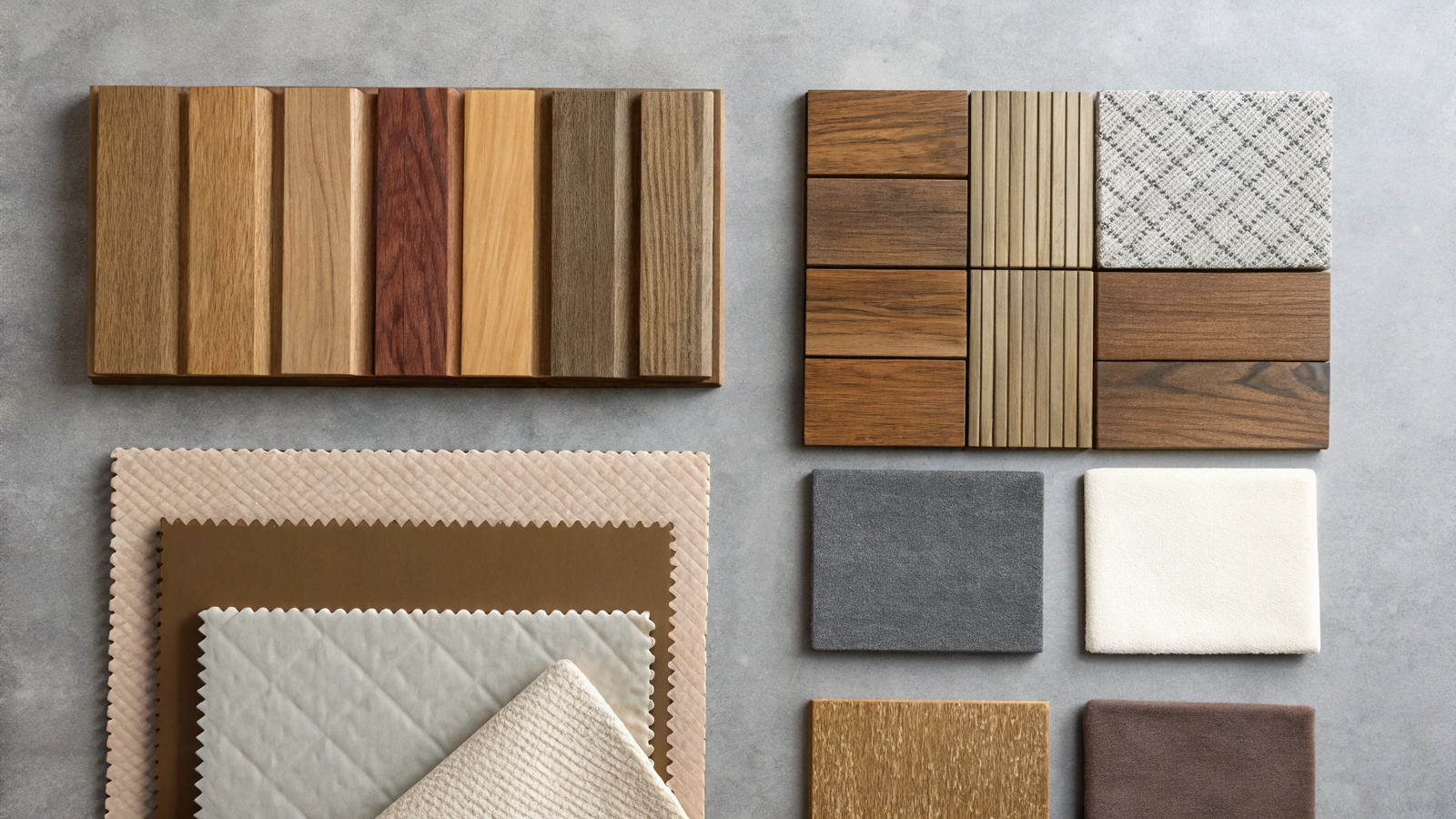
As a supplier for international hotel groups and top design studios, I know that brand identity[^2] is everything. Your design tells a story, and every piece of furniture is a word in that story. The problem with sourcing from multiple ready-made suppliers is the “close enough” dilemma. A walnut finish from one brand will never be an exact match to a walnut finish from another. That slight difference in a metal finish between the table legs and the light fixtures can disrupt the entire feel of a room. It sends a message of compromise, not quality. This is a common issue that can frustrate designers and dilute a brand’s visual standards.
The Problem with "Close Enough"
For a hotel, consistency is not just about aesthetics; it’s about the brand promise. A guest should have the same high-quality experience whether they are in a suite in Dubai or a standard room in New York. With ready-made furniture[^1], you might get variations from one production batch to another. At NEXTOP[^6], we solve this by being a one-stop-shop. We manufacture the casegoods, the upholstery, and the architectural metalwork under one coordinated system. This means the brass finish on your headboard perfectly matches the trim on the minibar and the base of the table lamp. There are no surprises, no mismatches, and no time wasted trying to coordinate multiple vendors. It’s the only way to guarantee your design vision is executed with absolute precision.
Is custom furniture always more expensive?
You look at your budget and immediately assume custom furniture[^7] is out of reach. So you start looking at cheaper, ready-made items that might not last or truly fit your needs.
While the initial ticket price for custom furniture[^7] can be higher, it often provides far better long-term value. This is due to superior materials and construction engineered for heavy use. Ready-made furniture may be cheaper upfront but can lead to higher replacement costs.
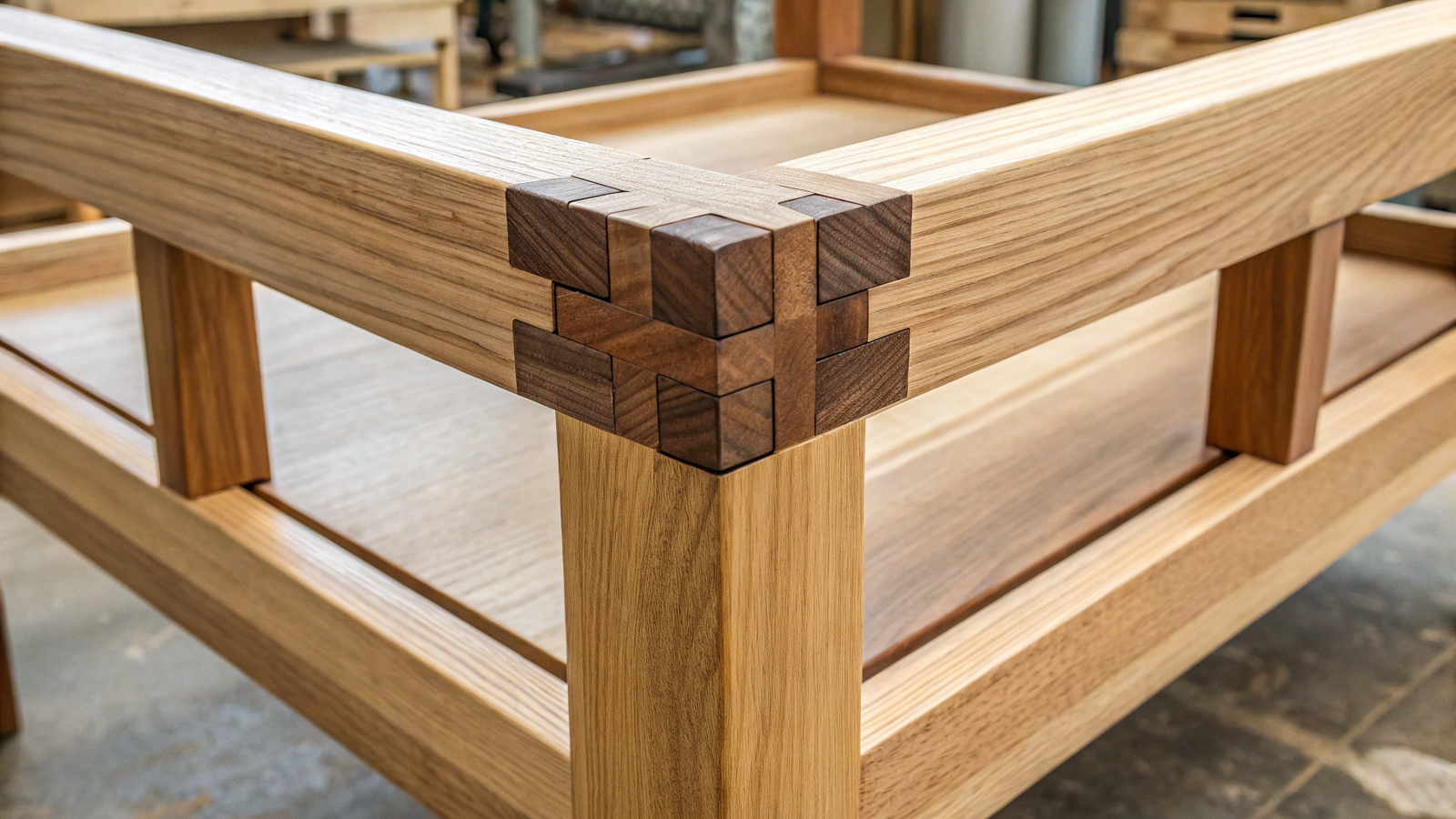
It’s crucial to distinguish between upfront cost and the total cost of ownership[^8]. Most ready-made furniture[^1] is designed and built for residential use. It’s not made to withstand the 24/7 wear and tear of a hotel lobby, a busy restaurant, or a retail environment. The materials are often cheaper, the joinery is weaker, and the finishes are less durable. I’ve seen hotels have to replace “affordable” casegoods after just a few years because they simply fell apart. This not only costs money but also causes operational disruption and damages the brand’s reputation.
When we build custom furniture[^7] for a commercial project, we engineer it for longevity. We use commercial-grade substrates[^9], robust hardware, and high-performance finishes designed to resist scratches, spills, and constant cleaning. This investment pays for itself over time.
Factor | Custom Furniture | Ready-Made Furniture |
Initial Price | Often higher | Typically lower |
Durability | Engineered for high-traffic commercial use | Often designed for lighter residential use |
Lifespan | Significantly longer, reducing replacement cycles | Shorter, requires more frequent replacement |
Maintenance | Lower long-term repair and replacement costs | Higher long-term costs due to repairs |
Total Value | High; an asset that enhances brand quality | Low; a short-term fix that can become a liability |
Investing in durable, project-specific furniture isn’t an expense; it’s an investment in the quality, reputation, and financial health of your project for years to come.
You’re worried about the hidden quality of your furniture. With ready-made pieces, you get what you see on the showroom floor, with no real control over the internal construction or finishes.
Custom furniture offers you unlimited material flexibility and total control over quality. You can specify everything from the wood veneer to the hardware. Ready-made furniture limits you to the manufacturer’s pre-selected materials, which may not meet your project’s durability or aesthetic standards.
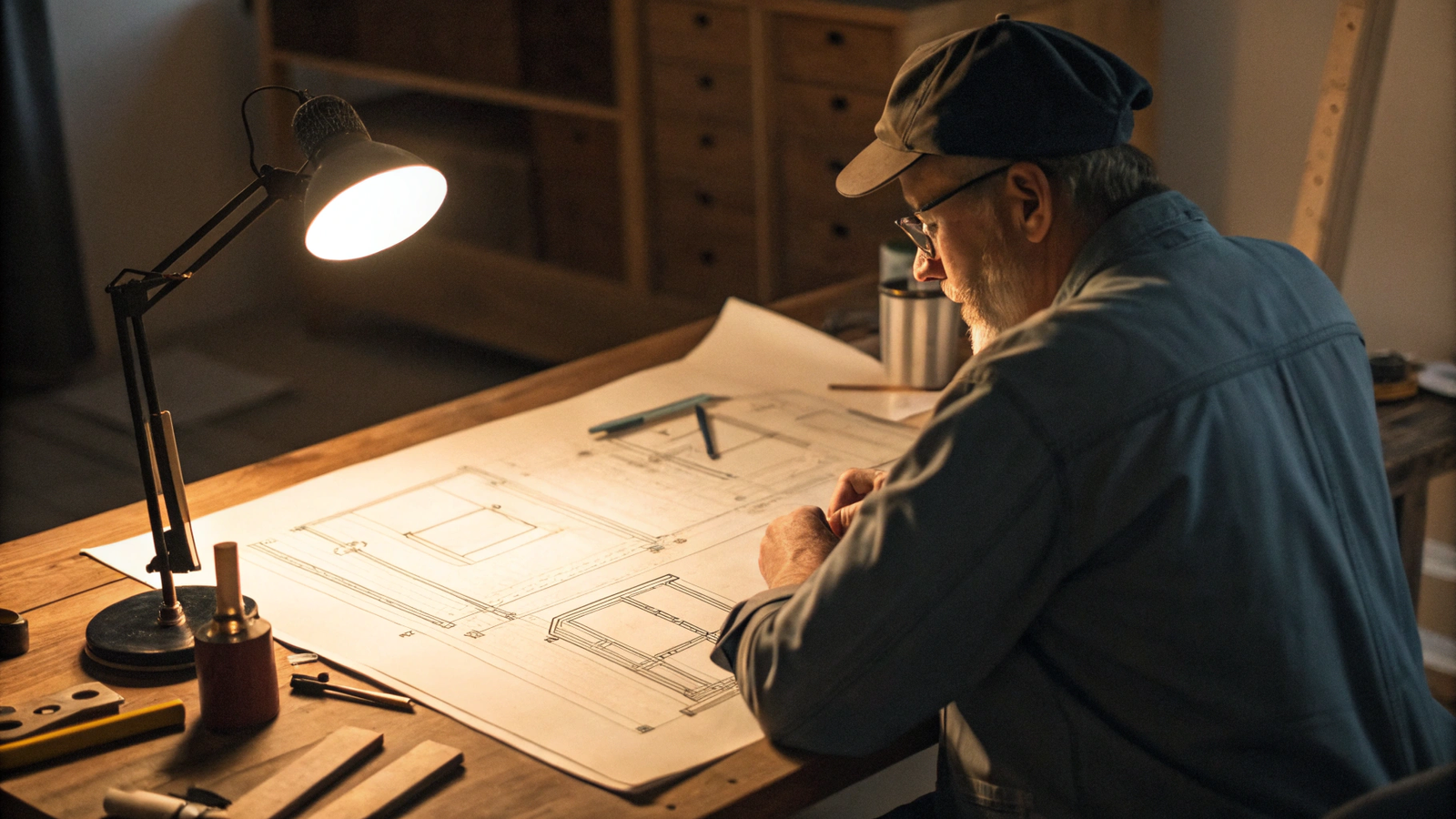
In my business, control is everything. Our clients—architects, designers, and developers—depend on us to execute their vision flawlessly. This is only possible through a transparent and rigorous process. With custom manufacturing, the process begins with detailed shop drawings[^12]. We then provide physical samples of every specified material—the wood veneer, the stone top, the metal finish, the fabric—for client approval. Often, we even build a full-scale mock-up[^13] of a room. This ensures there are no surprises. You see, touch, and approve every single component before full production begins.
This level of control is simply absent with ready-made furniture[^1]. You might like the look of a piece online or in a catalog, but you have no say in the grade of plywood used inside or the quality of the drawer slides. You are placing your trust in a mass-market supply chain[^14]. For a high-stakes commercial project, that’s a huge risk. At NEXTOP[^6], we eliminate that risk. Our entire workflow—from engineering and sampling to production and quality control[^11]—is handled under one coordinated system. We provide our clients with clear photo and video reports[^15] throughout the production process. This transparency builds confidence and guarantees that the final product delivered to the site is exactly what was approved. For our clients, this isn’t a luxury; it’s a fundamental requirement for success.
Conclusion
Ready-made furniture can work for standard spaces with flexible requirements[^16]. But for projects demanding a perfect fit, unified style, and guaranteed long-term quality, custom furniture[^7] is the superior choice.
[^1]: Ready-made furniture is quicker to obtain but may not fit unique spaces or match specific design visions.
[^2]: Consistent furniture design reinforces brand identity, ensuring a high-quality experience across locations.
[^3]: Choosing the right furniture can maximize space efficiency, especially in challenging layouts.
[^4]: Custom furniture can solve layout issues, transforming them into standout design elements.
[^5]: Achieving a cohesive design with ready-made furniture is challenging due to mismatched finishes and styles.
[^6]: NEXTOP provides coordinated manufacturing, ensuring consistency and quality in custom furniture.
[^7]: Custom furniture offers tailored solutions for unique spaces, ensuring a cohesive style and maximizing space efficiency.
[^8]: Custom furniture may have a higher upfront cost but offers better long-term value and durability.
[^9]: They enhance durability, making custom furniture suitable for high-traffic commercial environments.
[^10]: Custom furniture allows for specific material selection, ensuring durability and aesthetic alignment.
[^11]: Quality control ensures that custom furniture meets specific standards, reducing risks in high-stakes projects.
[^12]: Shop drawings provide detailed specifications, ensuring the final product meets design expectations.
[^13]: Mock-ups allow clients to approve designs before production, ensuring satisfaction with the final product.
[^14]: Mass-market supply chains may compromise quality, lacking transparency in materials and construction.
[^15]: These reports offer clients insight into the production process, ensuring the final product meets expectations.
[^16]: Ready-made furniture is ideal for standard spaces where exact dimensions and style matching are not critical.