Introduction
Are you struggling to find a supplier who truly understands your vision? Frustrated with middlemen who just don’t get the details right? You need a partner, not just a vendor.
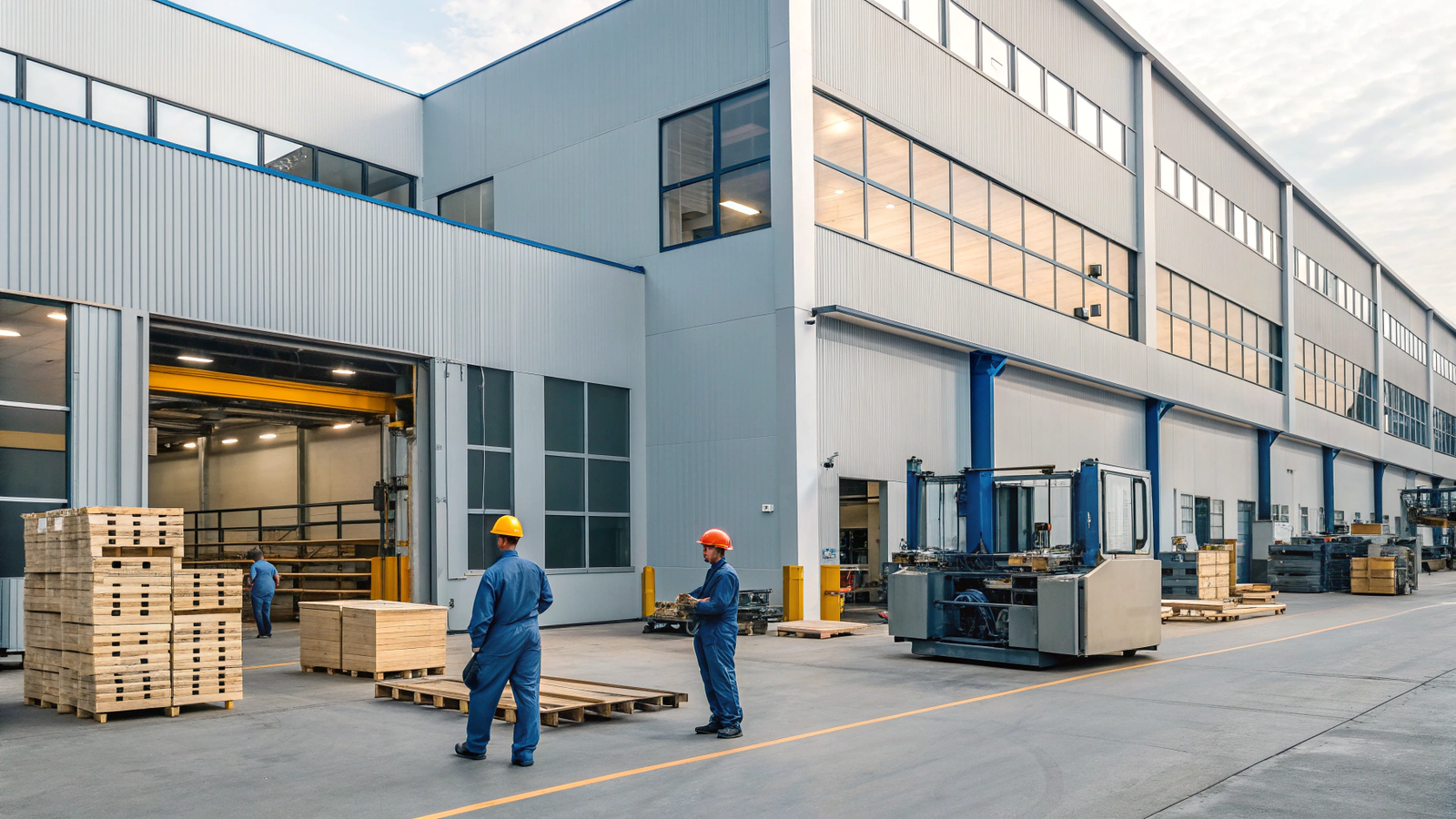
The best source for reliable custom furniture[^1] is a factory-based manufacturer[^2] with a proven production system[^3] and solid project experience[^4]. This means they handle everything from engineering to quality control in-house, ensuring your project’s success without communication gaps or delays.
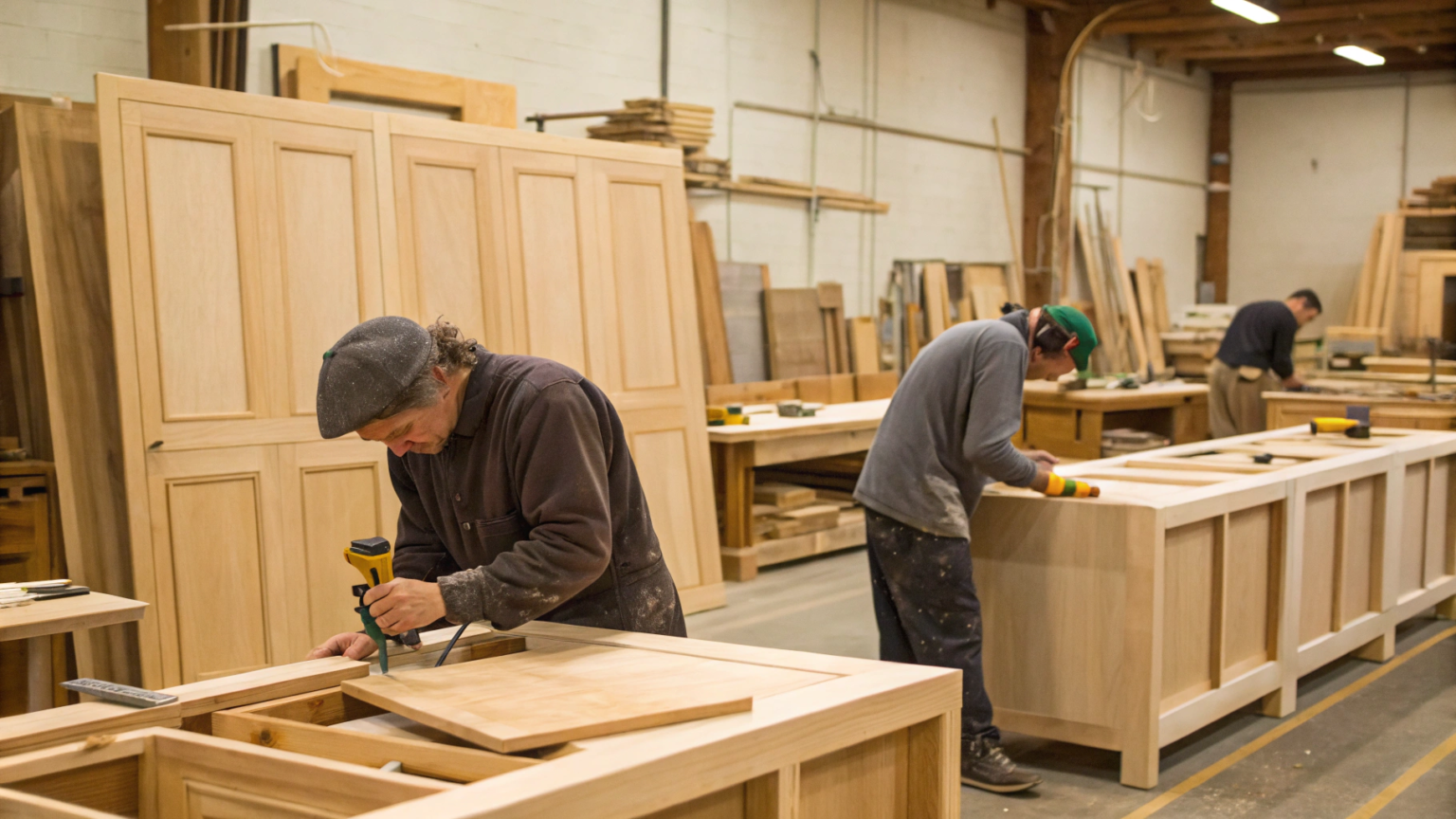
Finding the right partner for a large-scale project can feel overwhelming. You have a specific design in mind, strict quality standards, and a deadline that can’t be missed. The market is full of options, from small workshops to large-scale factories, and it’s hard to know who you can trust to turn your drawings into reality. You need more than just a supplier who says “yes” to everything; you need a team that understands the technical challenges[^6] and can provide real solutions. This is where the right kind of partner makes all the difference, guiding your project from concept to completion with expertise and confidence.
Why is a direct-factory supplier a better choice?
Tired of your feedback getting lost in translation? A direct-factory partner removes the middleman, meaning fewer communication errors[^7] and a smoother process from start to finish. You get clarity and control.
Working directly with the manufacturer means you are communicating with the people who are actually building your furniture. This direct line prevents misunderstandings about materials, finishes, and structural details. It leads to faster problem-solving and a final product that truly matches your original design intent.
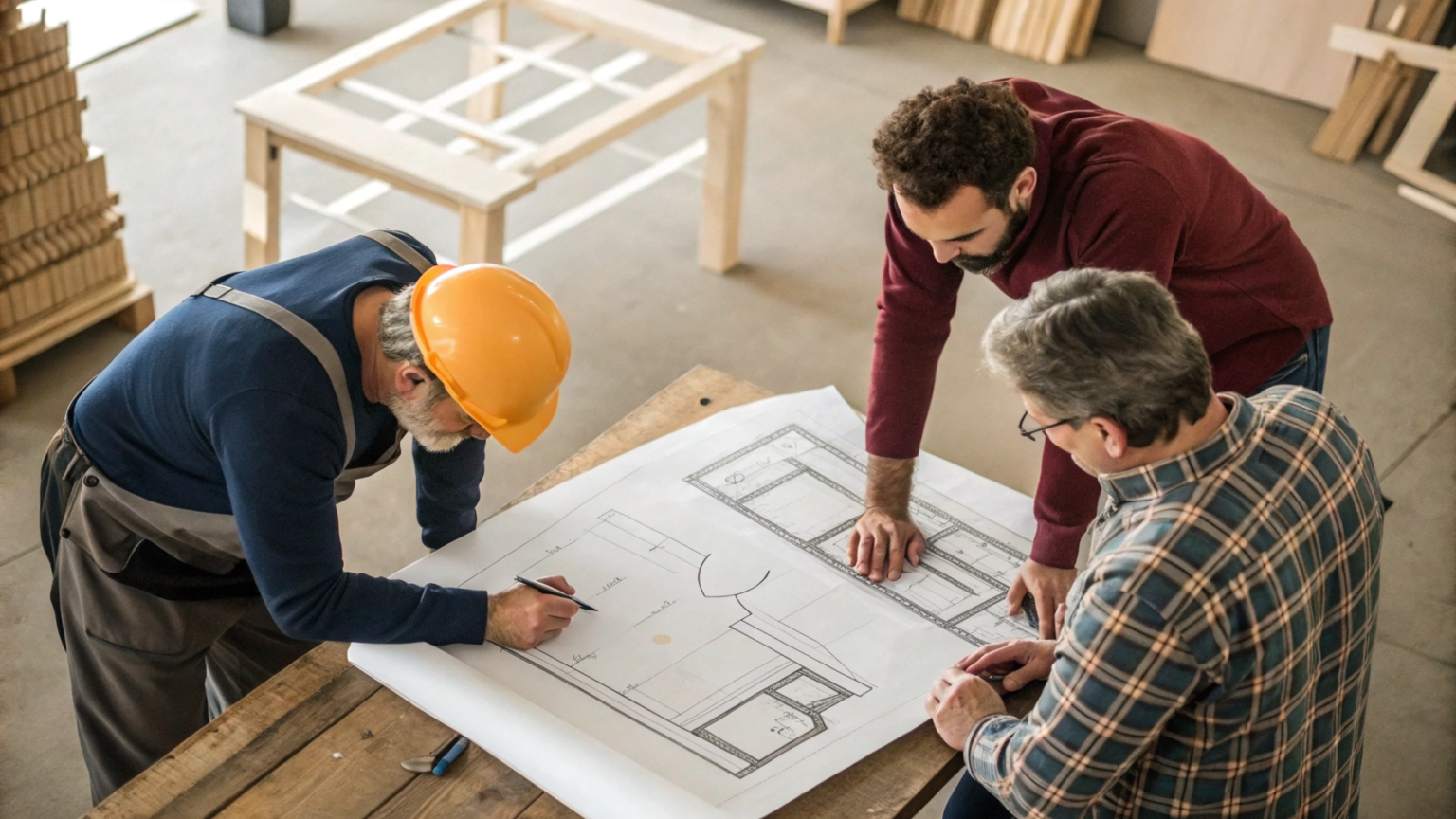
When you’re managing a high-stakes hospitality or commercial project, clear communication is everything. I remember a hotel project where we were working through a sourcing agent. The designer specified a particular brushed brass finish for the table bases. The agent said, “no problem.” Weeks later, the samples arrived with a polished, almost gold-like finish. The agent had relayed the message to the factory, but the technical nuance was lost. It created a significant delay as we had to re-explain the requirement and wait for new samples. This is a common issue. Sourcing agents are great at logistics, but they often lack the deep technical knowledge of manufacturing processes. Going direct to the factory eliminates this gap. You speak directly with the engineers and production managers who understand how things are made. This ensures that every detail, from the wood grain direction to the specific gloss level of the finish, is executed perfectly the first time.
Feature | Direct Factory Supplier | Sourcing Agent / Middleman |
Communication | Direct contact with engineering & production teams. | Communication is filtered, increasing risk of errors. |
Technical Expertise | Deep knowledge of materials and processes. | General knowledge, may not grasp technical details. |
Problem Solving | Faster and more effective solutions. | Delays as messages are passed back and forth. |
Cost | More transparent pricing without added commissions. | Price includes a markup or commission fee. |
Accountability | A single point of responsibility for quality. | Responsibility can be split or unclear. |
What does a mature manufacturing system actually look like?
Does the thought of production issues keep you up at night? A mature system means every step is planned, controlled, and checked, giving you peace of mind and predictable results.
A mature manufacturing system[^9] is a structured workflow[^10] that ensures quality and consistency. It starts with detailed technical drawings[^11], moves through material verification[^12] and sampling, and includes strict quality checks at every stage of production, all the way to final delivery. This systematic approach minimizes errors and delays.
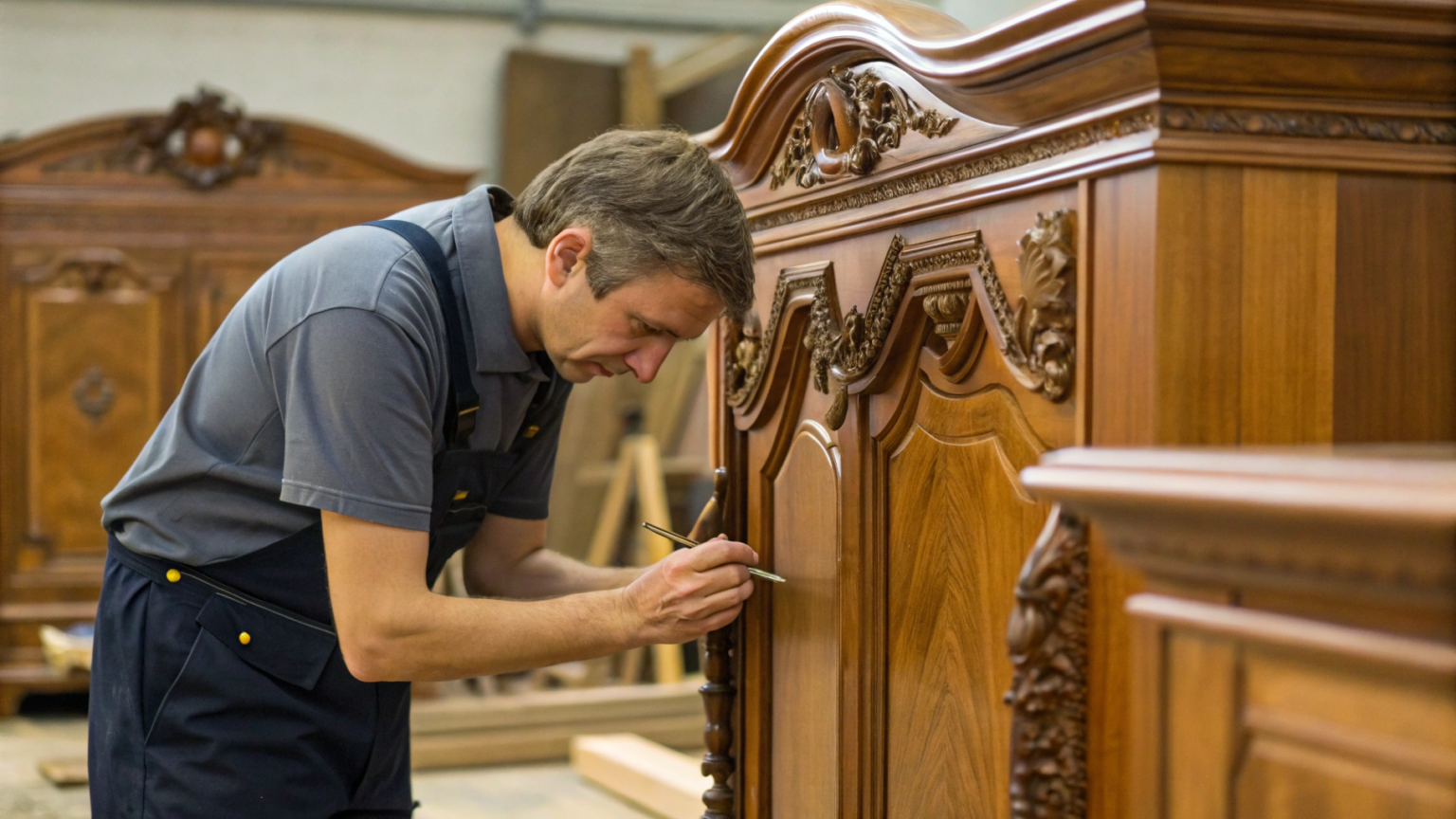
A reliable manufacturing process isn’t just about having the right machines; it’s about having the right procedures. For our clients, this process is what provides certainty. It begins the moment we receive project drawings. Our engineering team doesn’t just copy them; they analyze and refine them into detailed shop drawings. This crucial step ensures that the design is not only beautiful but also structurally sound and manufacturable. We then move to material selection and confirmation, providing physical samples for every single finish. Once approved, we often produce a full-scale prototype for review before starting mass production. During production, we have multiple quality control checkpoints[^13]—after cutting, after assembly, before finishing, and a final inspection before packing. This isn’t just a quick look; it’s a detailed check against the approved drawings and samples. This is what a mature system delivers: a predictable, controlled path from a design concept to hundreds of perfectly finished pieces ready for installation.
Key Stages of a Controlled Manufacturing Process:
- Engineering & Shop Drawings:Translating the design intent into precise technical plans.
- Material Sourcing & Confirmation:Verifying all materials (wood, metal, fabric) meet project specifications.
- Prototyping & Sampling:Creating a full-size sample for final approval before mass production.
- Production & Assembly:Manufacturing with consistent quality across all units.
- Finishing & Quality Control:Applying finishes and conducting rigorous inspections at multiple stages.
- Packaging & Logistics:Ensuring pieces are packed securely for safe, on-time delivery.
How does one-stop execution save my project?
Juggling multiple suppliers for wood, metal, and upholstery? A one-stop solution integrates all production, preventing mismatched finishes[^14], scheduling conflicts, and endless coordination headaches, saving you time and stress.
One-stop execution means your entire scope of custom furniture and architectural metalwork is produced under one roof. This unified system prevents the common problems of multi-supplier projects, such as mismatched finishes[^14], communication breakdowns, and logistical delays, ensuring a cohesive and timely result.
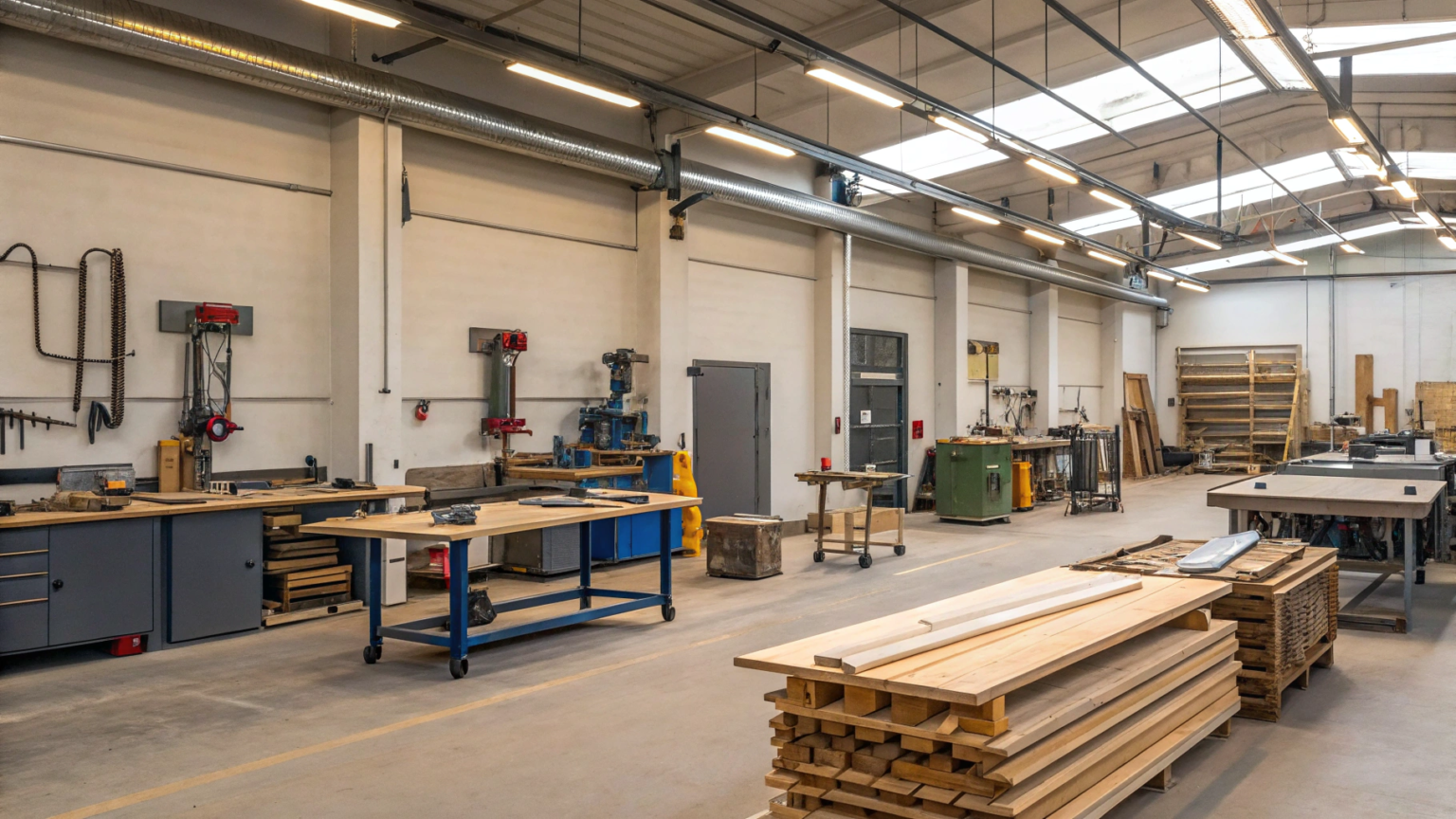
I once worked with a design firm on a boutique hotel project. They sourced their casegoods from one supplier and the decorative metal elements, like mirror frames and table legs, from another. The design specified a “dark bronze” finish for all metal components. The two suppliers both promised they could match it. When the items arrived on-site, the “dark bronze” from the furniture factory was a warm, reddish-brown, while the “dark bronze” from the metalwork shop was a cooler, almost black color. The difference was glaring. The project was delayed by weeks as they argued over who was at fault and rushed to get pieces refinished. This is precisely the kind of chaos that one-stop execution[^15] avoids. When we manage both the furniture and metal elements within our coordinated system, we ensure perfect harmony. The same finishing team handles both, using the same control samples. This guarantees that the metal inlay on a headboard perfectly matches the metal base of a nearby table, delivering the design consistency your project demands.
What should I look for in a supplier's project experience?
Worried a supplier won’t understand the demands of your project? Look for a proven track record with clients like you, demonstrating they can handle the scale, quality, and standards required.
When evaluating a supplier, look for a portfolio of projects[^16] similar to yours in scale and style. Check for experience working with international brands[^17], architects, and designers, as this indicates an understanding of professional workflows, communication expectations, and stringent quality standards required for commercial and hospitality projects.
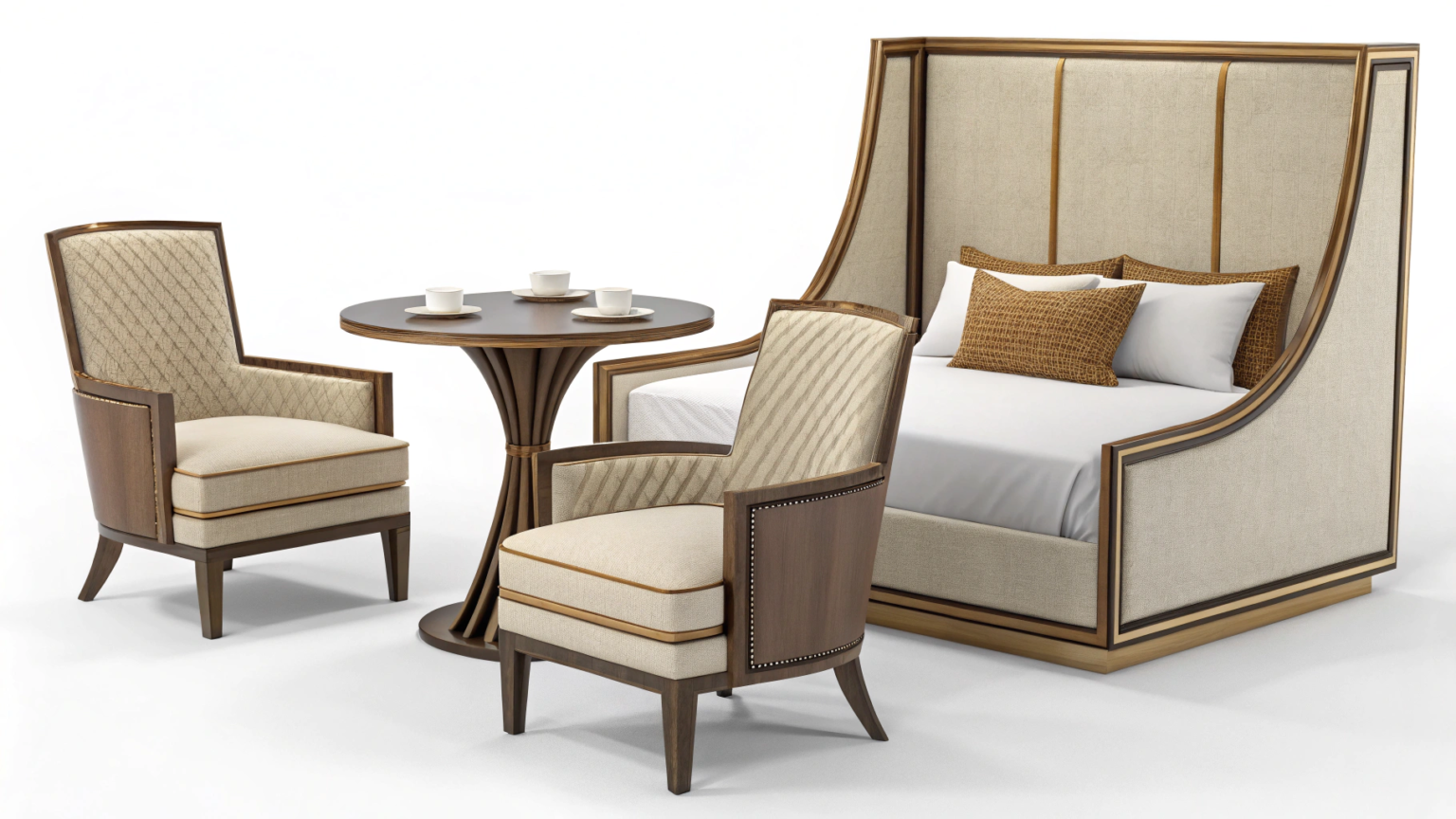
Experience isn’t just about how long a company has been in business; it’s about the *right* kind of experience. A manufacturer that specializes in residential furniture may not understand the durability requirements for a high-traffic hotel lobby. When I talk to potential clients, I don’t just show them photos of beautiful furniture. I show them photos of projects that faced similar challenges to theirs. For example, for a hotel project in a humid coastal region, I’ll highlight our work on a similar project where we used specific moisture-resistant cores and finishes. For a large-scale development with a tight schedule, I’ll provide case studies of how we managed production and logistics to meet tight deadlines. The right partner should be able to do more than just show you what they’ve made; they should be able to explain *how* they made it and *why* it was successful for that specific client. Their experience should give you confidence that they’ve already solved the problems you’re currently facing.
Key Indicators of Relevant Experience:
- Client Type:Have they worked with hotel groups, design firms, or developers?
- Project Scale:Can they handle the volume your project requires?
- Geographic Reach:Do they have experience with international shipping and logistics?
- Technical Complexity:Does their portfolio show a range of custom designs and materials?
Conclusion
Ultimately, finding the right custom furniture source means choosing a true manufacturing partner[^18]. Look for in-house engineering, proven systems, and direct communication to ensure your vision is executed flawlessly.
[^1]: Explore this link to find top manufacturers who can deliver high-quality custom furniture tailored to your needs.
[^2]: Learn why factory-based manufacturers offer superior control and quality assurance for your custom furniture projects.
[^3]: Discover how a proven production system ensures consistency and quality in custom furniture manufacturing.
[^4]: Understand the importance of a manufacturer’s project experience in delivering successful custom furniture solutions.
[^5]: Understand the importance of a supplier’s project experience in ensuring successful furniture projects.
[^6]: Explore solutions to overcome technical challenges in custom furniture projects.
[^7]: Learn strategies to reduce communication errors and ensure your furniture project runs smoothly.
[^8]: Discover the benefits of direct communication with engineering and production teams in furniture manufacturing.
[^9]: Understand the key components of a mature manufacturing system that ensures quality and efficiency.
[^10]: Learn how a structured workflow enhances quality control and consistency in furniture production.
[^11]: Find out how technical drawings ensure precision and accuracy in custom furniture production.
[^12]: Explore the process of material verification and its role in ensuring quality in furniture production.
[^13]: Discover how quality control checkpoints ensure high standards in custom furniture production.
[^14]: Find out how to ensure consistent finishes across all components in custom furniture projects.
[^15]: Learn how one-stop execution streamlines processes and prevents issues in custom furniture projects.
[^16]: Explore how a supplier’s portfolio demonstrates their capability and expertise in custom furniture manufacturing.
[^17]: Learn how working with international brands indicates a supplier’s ability to meet high standards and expectations.
[^18]: Find out how a true manufacturing partner ensures your vision is executed flawlessly in custom furniture projects.