Introduction
You have a perfect design, but finding a supplier who can actually build it is stressful. Delays, wrong finishes, and poor communication often ruin great projects. Where do you look?
The best source for custom furniture is a direct manufacturer with in-house engineering[^1] and production capabilities. Look for factories that offer material flexibility[^2], strict quality control[^3], and project management[^4] rather than design studios that outsource production. This ensures precise sizing, consistent quality, and on-time delivery.
I have seen many projects fail because the buyer chose the wrong source. Let me explain why the source matters more than the price.
Why should you choose a direct manufacturer over a trading company?
Dealing with middlemen creates communication gaps[^5]. You say one thing, they tell the factory another. The result is often a disaster with wrong materials or sizes.
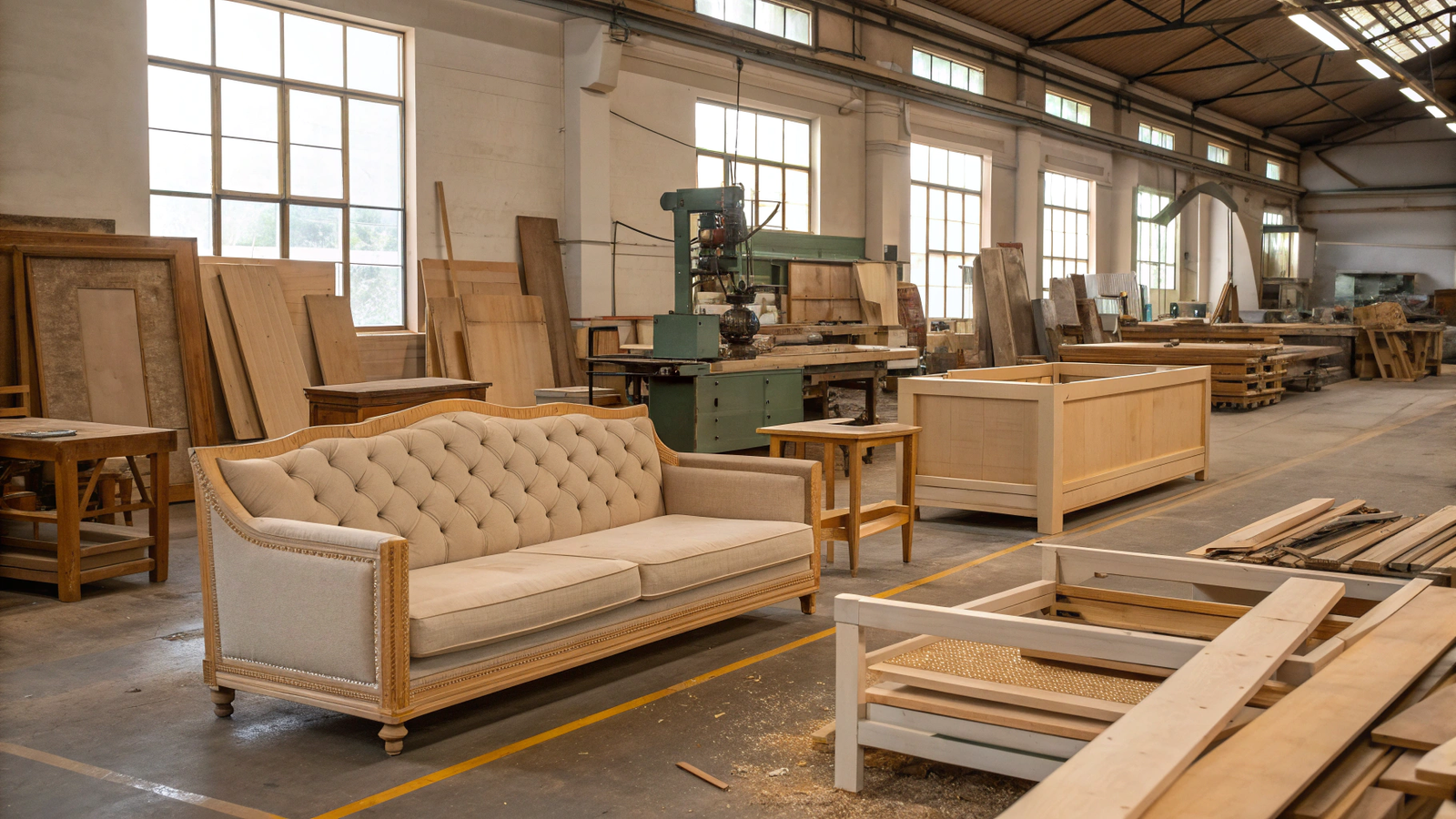
A direct manufacturer controls the production line. They understand the raw materials and the machinery limits. This direct link removes errors, speeds up the sampling process, and allows you to visit the shop floor to see your items being made.
I want to tell you about a situation I handled recently. A client came to me after firing their previous supplier. They were building a boutique hotel. They had ordered walnut cabinets from a trading company. When the cabinets arrived, the wood grain ran horizontally, but the design required it to run vertically. The trading company did not understand the technical drawing. They just passed the order to a cheap factory. The factory did what was easiest for them. The client lost three months.
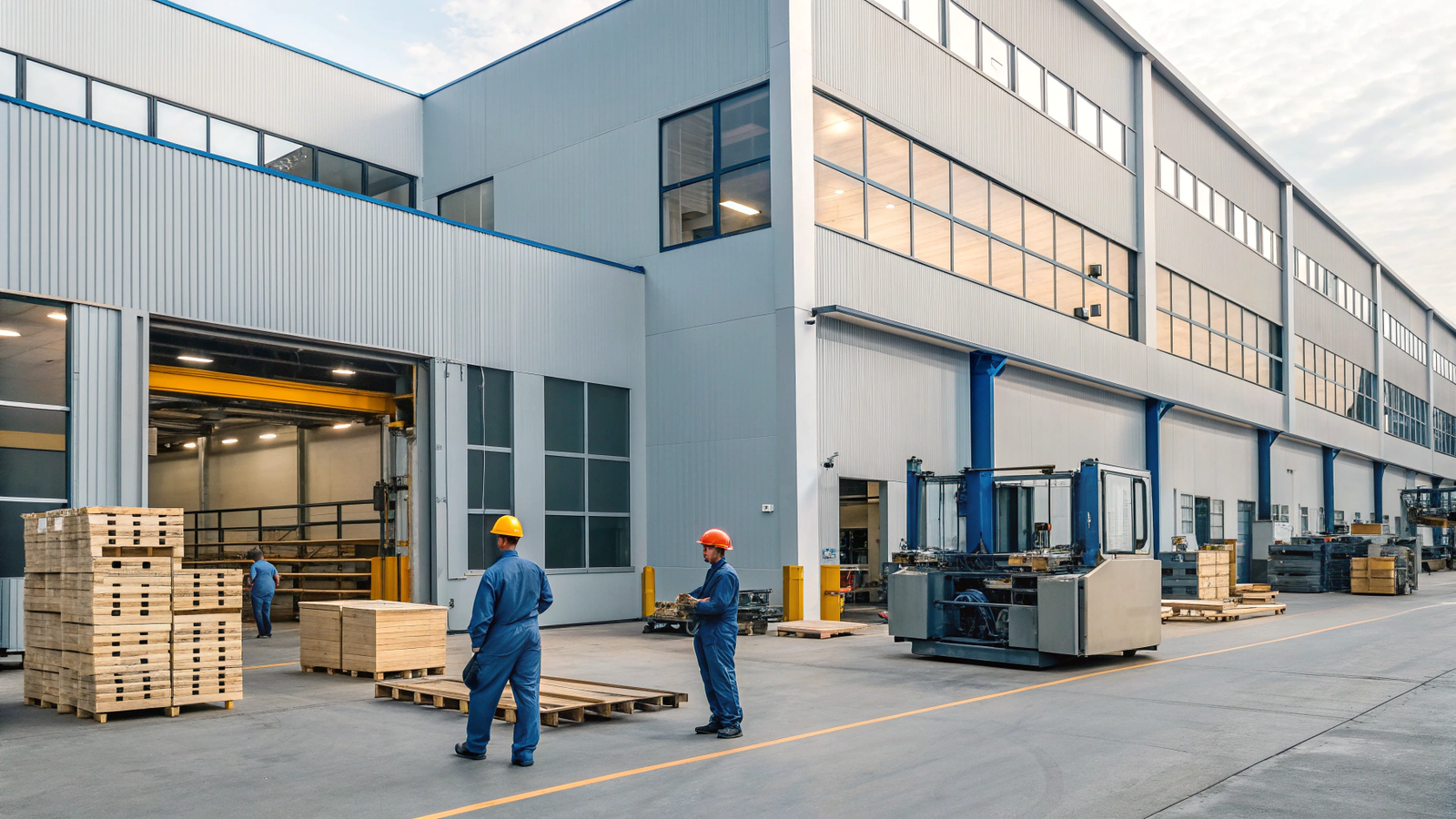
When you work with a manufacturer like NEXTOP, this does not happen. We own the process. If you want custom furniture, you must go to the source. A real manufacturer has a physical location you can visit. We have our own machines and our own workers. We do not just pass paper around.
Here is a simple breakdown of why the source changes your result:
Feature | Direct Manufacturer | Trading Company / Middleman |
Communication | Direct with the technical team. | Passed through a sales agent. |
Cost | Transparent factory pricing. | Factory price + hidden margin. |
Problem Solving | Immediate fixes on the production line. | Delays while they call the factory. |
Flexibility | Can adjust materials and sizes easily. | Limited to what their catalog offers. |
When we control the factory, we control the quality. We can check the moisture content of the wood before we cut it. We can test the paint finish before we spray the whole batch. This is the only way to get a stable, controllable custom system. You are not just buying a chair; you are buying the system that makes the chair.
How does professional engineering determine the success of your furniture?
A drawing is just a picture until someone figures out how to build it. Without engineering, your furniture might look good in a render but fall apart in real life.
Professional engineering turns a design concept into a buildable reality. It involves creating shop drawings[^6], selecting the right joinery, and analyzing structure stability. Good engineers spot problems before production starts, saving you money and time on site corrections.
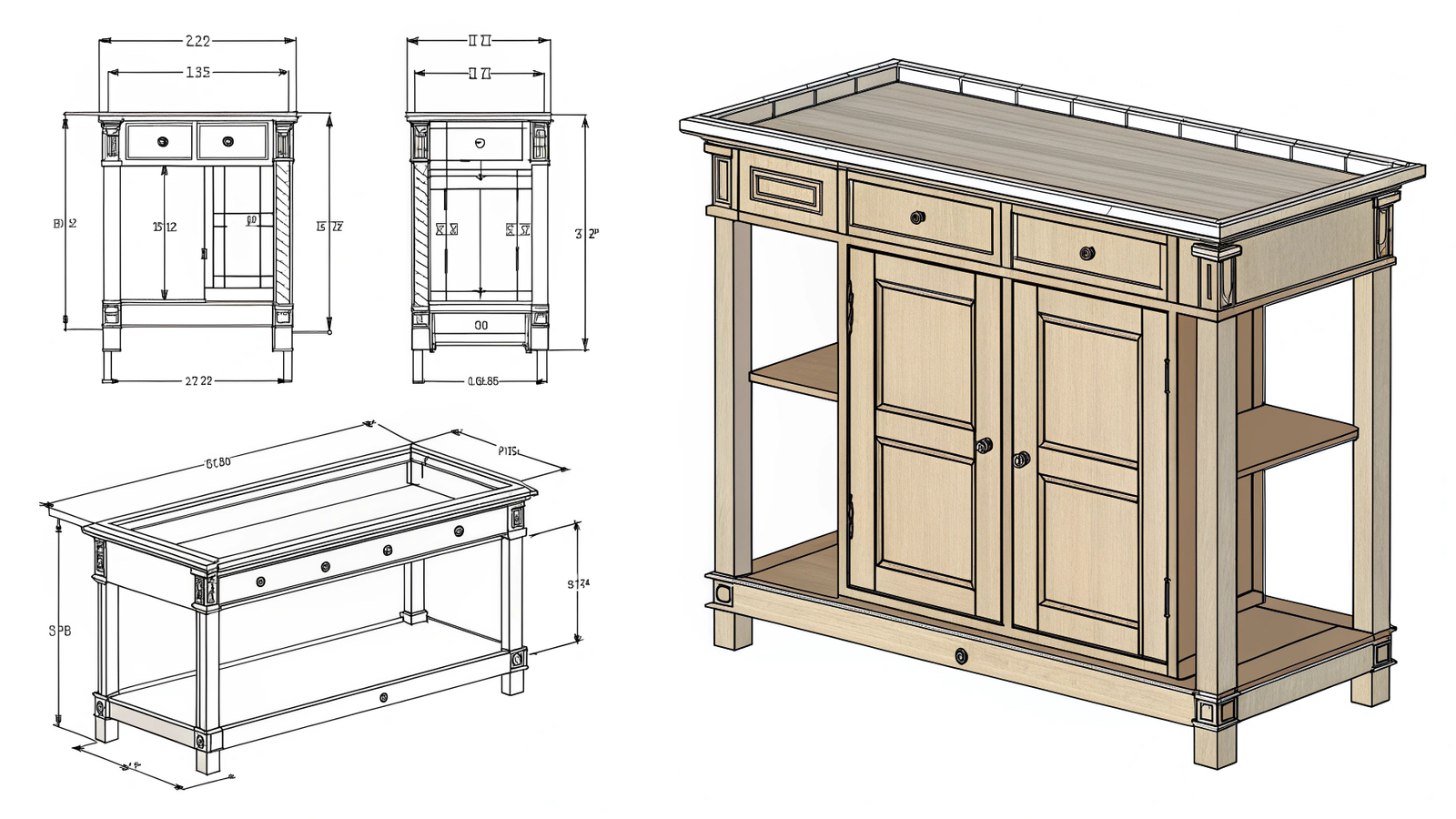
Many people think custom furniture is just about choosing a color and a shape. This is wrong. The most important part of custom furniture is what you cannot see. It is the internal structure. It is the engineering.
I often receive drawings from designers that look beautiful. But if I built them exactly as drawn, the table would collapse, or the wardrobe door would not open. This is where my team steps in. We provide “engineering deepening[^7].” This means we take your concept and we make it work for the real world.
For example, we recently worked on a large villa project. The architect designed a 4-meter long dining table with very thin metal legs. It looked sleek. But physics does not care about looks. The stone top was too heavy. Without engineering, that table would sag or break. My engineers redesigned the internal metal frame. We hid a steel support inside the stone. The look remained the same, but the structure became solid.
Here is the workflow we use to ensure your furniture works:
- Review:We look at your design and identify risks.
- Shop Drawings:We create detailed CAD drawings showing every screw and joint.
- Material Selection:We confirm that the materials fit the budget and the function.
- Prototyping:We build a sample to test the structure.
If your supplier cannot do this, they are not a custom manufacturer. They are just carpenters. You need a partner who understands engineering. This is crucial for commercial projects where furniture gets used heavily every day.
Why is a one-stop solution for wood and metal crucial for commercial projects?
Coordinating five different suppliers for one hotel lobby is a nightmare. Mismatched finishes between the wood desk and metal legs look unprofessional and ruin the design.
A one-stop solution provider[^8] handles multi-material integration[^9] under one roof. They ensure the metal frame fits the wood veneer perfectly. This unified production eliminates the “blame game” between different vendors and ensures all finishes match the master control sample.
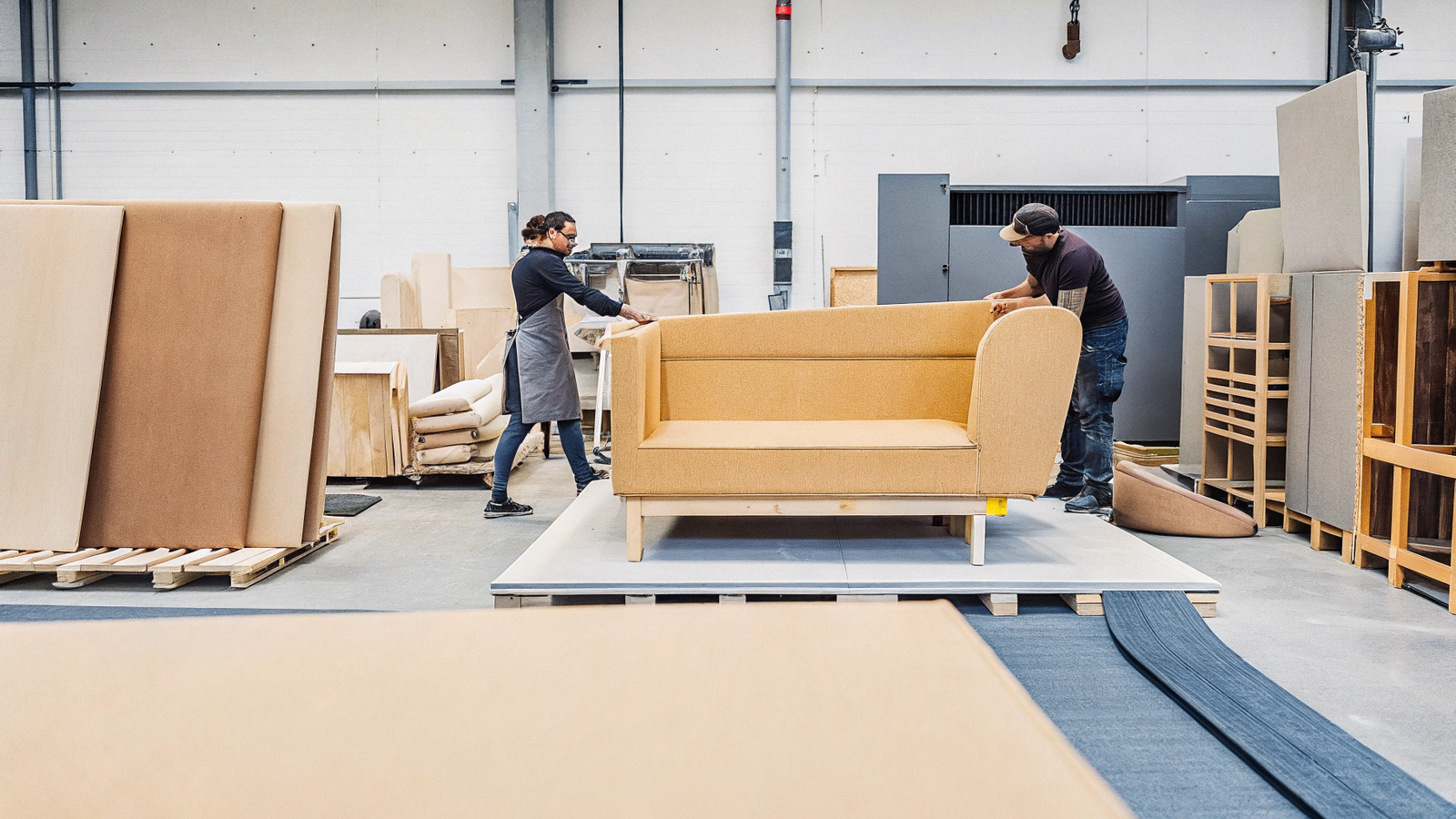
In modern luxury furniture, we rarely use just one material. A high-end cabinet might have a walnut body, a brass handle, a stone top, and leather drawer liners.
If you buy the wood part from one factory and the metal part from another, you will have problems. I guarantee it. The metal factory will say the wood is the wrong size. The wood factory will say the metal is bent. You will be stuck in the middle.
At NEXTOP, we solve this by doing it all. We are experts in both furniture and architectural metal works. We fit the metal to the wood in our own workshop before we apply the finish.
I remember a project for a hotel bar. The design called for a long curved bar counter. It had a wooden base and a brass footrail. The curve had to be perfect. Because we made both parts, we assembled them in our factory first. We adjusted the curve of the brass to match the wood exactly. When it arrived at the hotel, it fit perfectly.
Here are the benefits of this integrated approach:
- Color Matching:We ensure the gold on your chair legs matches the gold on your table base.
- Tolerance Control:We test the fit of different materials before shipping.
- Single Responsibility:If there is a problem, you call me. You do not have to chase three different people.
- Logistics:Everything arrives in one shipment, making installation easier.
You avoid the headache of multi-supplier issues. We deliver a project-ready solution that is accurate and confident.
What should you expect from a reliable project management team?
You cannot be at the factory every day. If your supplier does not report back, you are working in the dark until delivery day.
Reliable project management[^4] means clear communication and strict Quality Control (QC). Your supplier should provide weekly photo or video updates[^10]. They must inspect every piece before packing to ensure it matches the approved drawings and samples, guaranteeing a smooth installation.
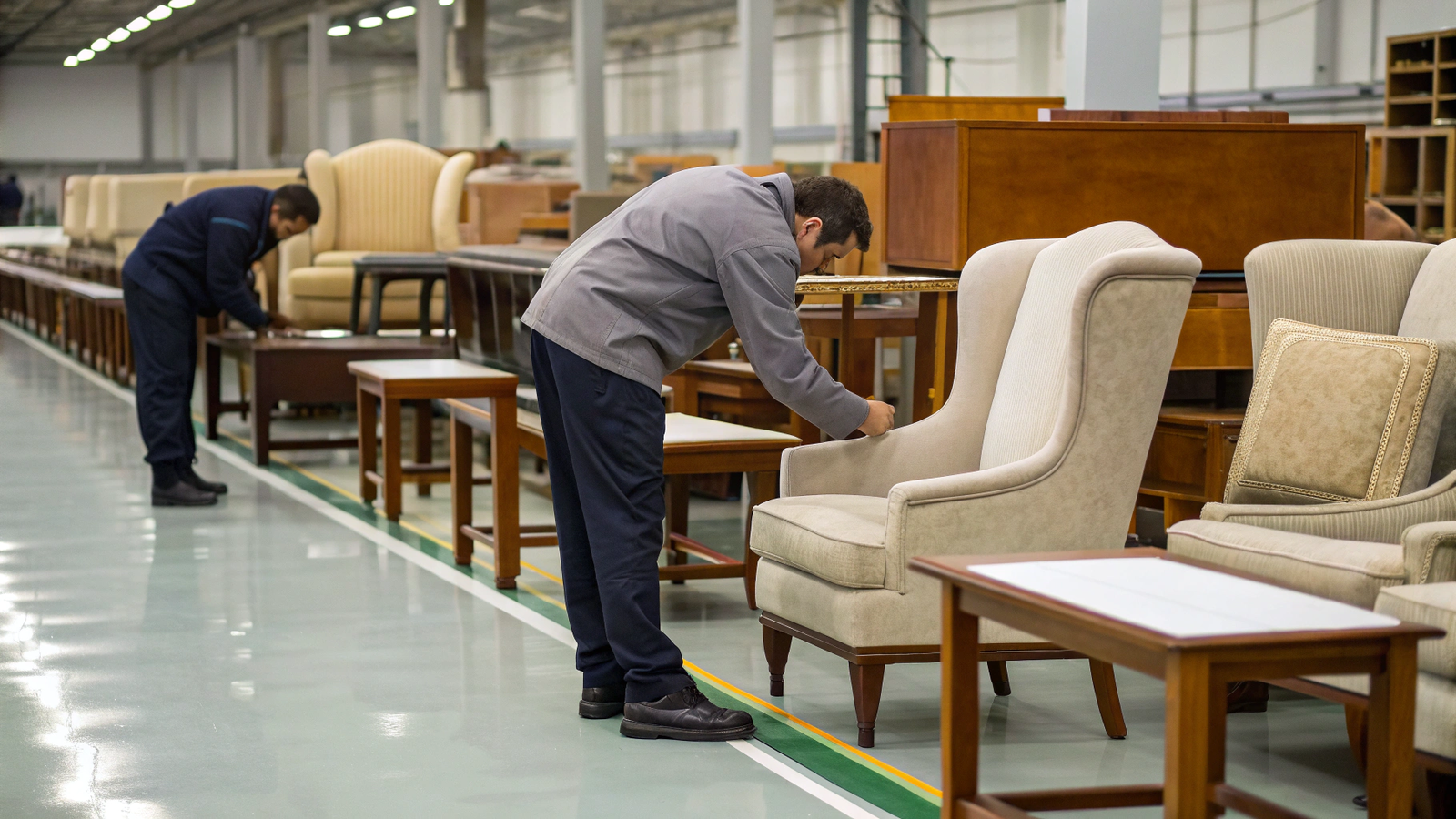
The difference between a good project and a bad project is often just information. You need to know what is happening.
I believe that trust comes from seeing. That is why my team provides clear photo and video reporting. We do not just say “it is done.” We show you.
For a recent resort project, we had to ship 500 chairs. The client was worried about the fabric color. Every week, I sent a video from the production line. I showed the wood cutting. I showed the painting. I showed the upholstery process. When we finished, we did a “dry lay.” We set up a mock-up room in our factory. We put the bed, the nightstand, and the lamp together. We took photos. The client could see exactly how the room would look before we packed a single box.
A reliable system includes these steps:
- Timeline Management[^11]: We give you a schedule and we stick to it.
- Process QC[^12]: We check quality at every step, not just at the end.
- Packing Safety:We engineer the packaging so goods survive the ocean trip.
- Installation Support[^13]: We label every box clearly so your team knows where it goes.
This is the “mature, stable, and controllable custom system[^14]” I mentioned at the start. It is not enough to just make a table. We must manage the whole lifecycle of that table from the drawing board to your building.
When you work with NEXTOP, you get a dedicated project coordinator[^15]. We handle the engineering, the sampling, the production, and the logistics. You get consistent quality and smooth communication. This allows you to focus on your business, while we handle the furniture.
Conclusion
Finding custom furniture is about finding a partner with a system. Choose a manufacturer with engineering skills, integrated production[^16], and strong project management[^4] for success.
[^1]: Discover why a direct manufacturer with in-house engineering ensures precise sizing, consistent quality, and on-time delivery for your custom furniture needs.
[^2]: Learn how material flexibility in manufacturing allows for tailored solutions that meet specific design and functional requirements.
[^3]: Explore how strict quality control ensures that every piece of custom furniture meets high standards and specifications.
[^4]: Understand the role of project management in ensuring smooth communication and timely delivery of custom furniture projects.
[^5]: Find out how communication gaps can lead to errors and delays in custom furniture projects and how to avoid them.
[^6]: Explore the significance of shop drawings in providing detailed specifications for accurate and efficient furniture production.
[^7]: Discover how engineering deepening transforms design concepts into buildable realities, ensuring structural stability and functionality.
[^8]: Learn how a one-stop solution provider simplifies the process by handling all aspects of production under one roof.
[^9]: Understand how multi-material integration ensures seamless coordination and matching of different materials in custom furniture.
[^10]: Find out how regular updates keep you informed about the progress and quality of your custom furniture project.
[^11]: Learn how timeline management ensures that custom furniture projects are completed on schedule.
[^12]: Explore how Process QC involves checking quality at every step of production to ensure high standards.
[^13]: Understand the importance of installation support in ensuring that custom furniture is set up correctly and efficiently.
[^14]: Find out how a mature, stable, and controllable system ensures reliable and high-quality custom furniture production.
[^15]: Discover the role of a dedicated project coordinator in managing all aspects of custom furniture production and delivery.
[^16]: Learn how integrated production combines various manufacturing processes to ensure consistency and quality in custom furniture.