Introduction
Struggling to find a sectional that fits your unique space and style? Retail options feel limiting, and “custom” often just means choosing a fabric. You need something truly bespoke.
The best source for a truly custom-made sectional sofa is an engineering-driven furniture manufacturer. Unlike retail stores, these specialists can build a sofa to your exact spatial requirements, integrate diverse materials, and guarantee structural integrity for complex, large-scale pieces designed for high-end residential and commercial projects.
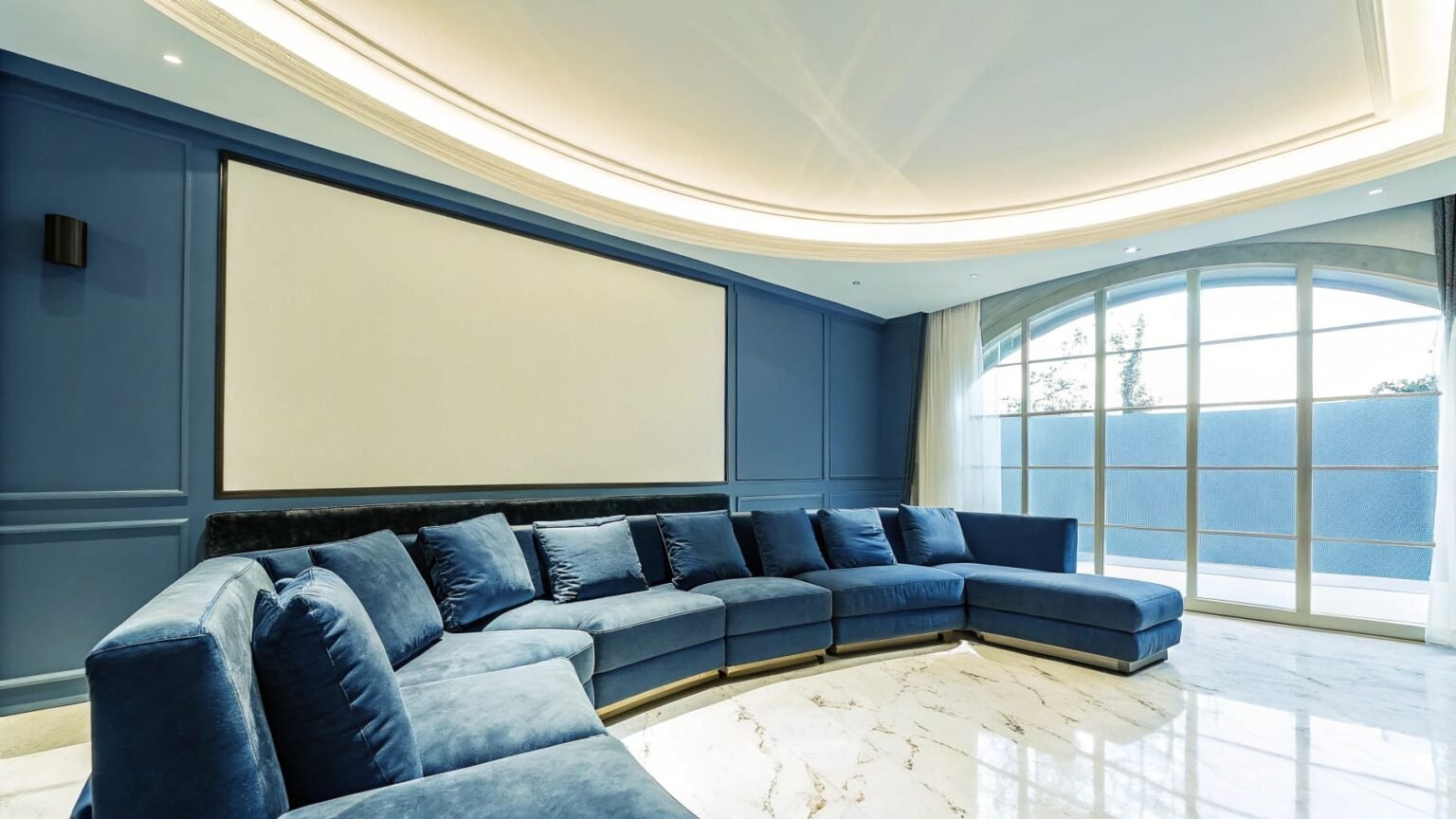
I’ve seen too many designers and project managers frustrated by off-the-shelf solutions that almost work. They spend weeks searching for the perfect sectional, only to compromise on size, shape, or materials. The truth is, for a perfect fit, you need to go beyond traditional suppliers. This is where engineering-led manufacturing comes in. It’s a different world, one focused on precision and problem-solving. Let’s explore what that really means for your project.
How can a sofa fit perfectly with my curved walls and columns?
Your luxury space has a stunning curved wall, but every standard sectional leaves an awkward gap. You need a perfect fit, but retail modular pieces just can’t deliver that precision.
Look for a manufacturer that specializes in “space-adaptive geometric precision.” These experts use detailed shop drawings and CNC machinery to create sofas that perfectly match complex architectural features, including curves, 135° angles, and column wraps, ensuring a flawless, millimeter-perfect fit.
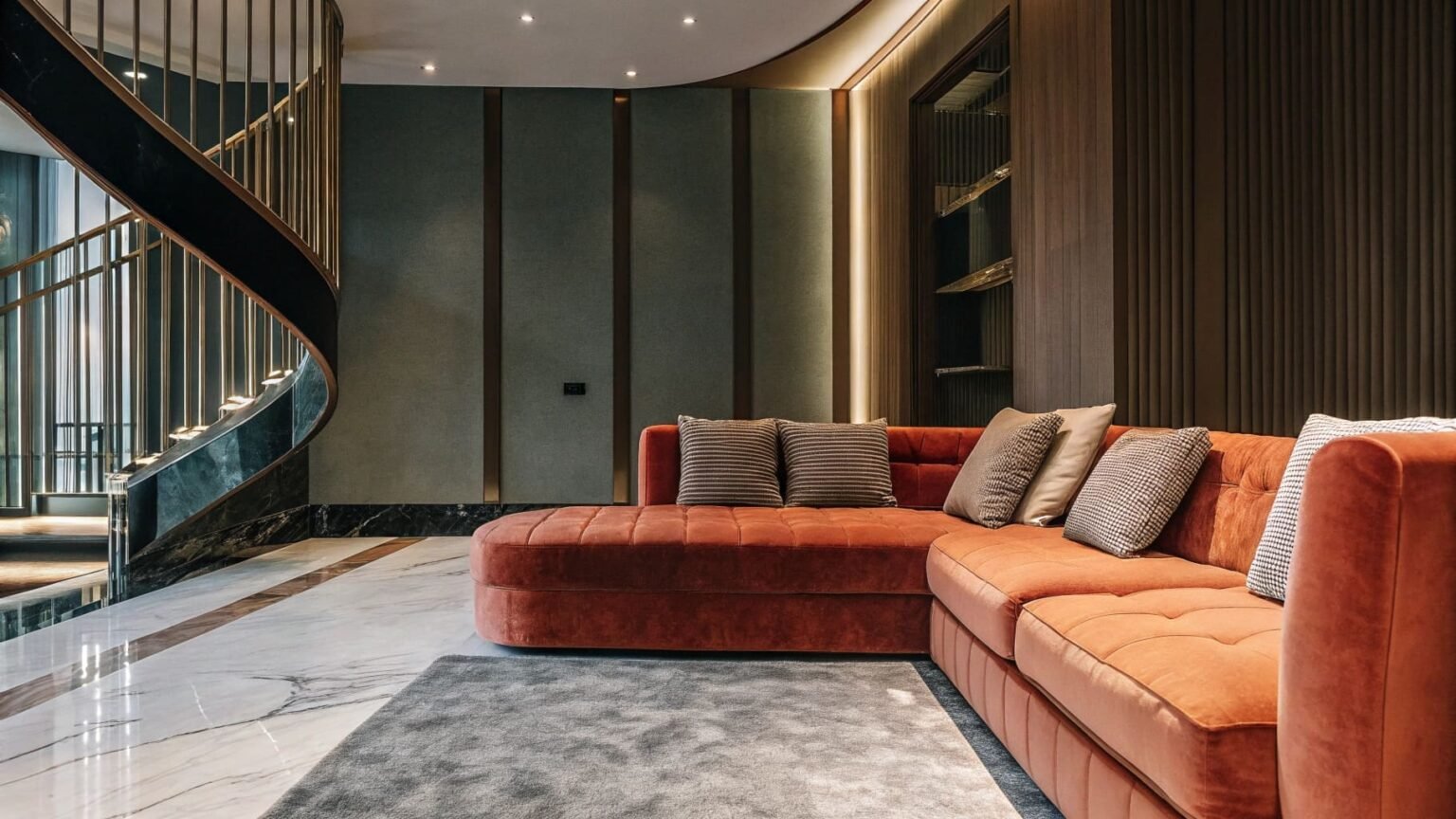
I remember working on a penthouse project in Dubai where the main living area had a massive, floor-to-ceiling curved glass wall. The client wanted a single, sweeping sectional that would mirror the architecture. We went to several high-end showrooms, and they all offered “custom” solutions, which meant we could pick from their standard curved modules. None of them matched the radius of the wall. The gaps would have ruined the entire look. We finally engaged an engineering-focused factory. Their team took precise digital measurements of the space, produced detailed shop drawings for our approval, and then fabricated a piece that fit the curve to the millimeter. This is the difference between simple customization and true bespoke manufacturing.
An engineering-driven approach is not just about looks; it’s about technical execution. Here’s how it breaks down:
Precision Engineering vs. Standard Customization
Feature | Standard Retail “Custom” Sectional | Engineering-Driven Bespoke Sectional |
Geometry | Limited to pre-set angles and radii (e.g., 90° corners, standard curves). | Fully adaptable to any architectural geometry, including complex curves, column wraps, and non-standard angles. |
Process | Customer selects from a catalog of modules. | Begins with site measurements and detailed shop drawings that account for building tolerances. |
Fit | Approximate fit, often resulting in gaps against non-standard walls. | Millimeter-level precision for a seamless, “built-in” appearance. |
Technology | Standard production lines. | CNC (Computer Numerical Control) cutting and advanced 3D modeling for precise fabrication. |
This level of precision ensures the final piece doesn’t just sit in the room—it becomes part of the architecture itself. It solves the problem of “almost-perfect” and delivers a truly integrated solution that standard retail channels simply cannot offer.
Can my sectional sofa include stone tables and metal bases?
You envision a unique sectional with an integrated marble side table and a sleek metal base. But upholstery shops don’t handle stone, and metal fabricators don’t understand sofa construction.
The solution is a manufacturer with integrated, multi-material capabilities. These advanced factories control wood, metal, stone, and upholstery production under one roof, ensuring seamless transitions and perfect alignment between all materials, from a leather tray to a built-in charging hub.
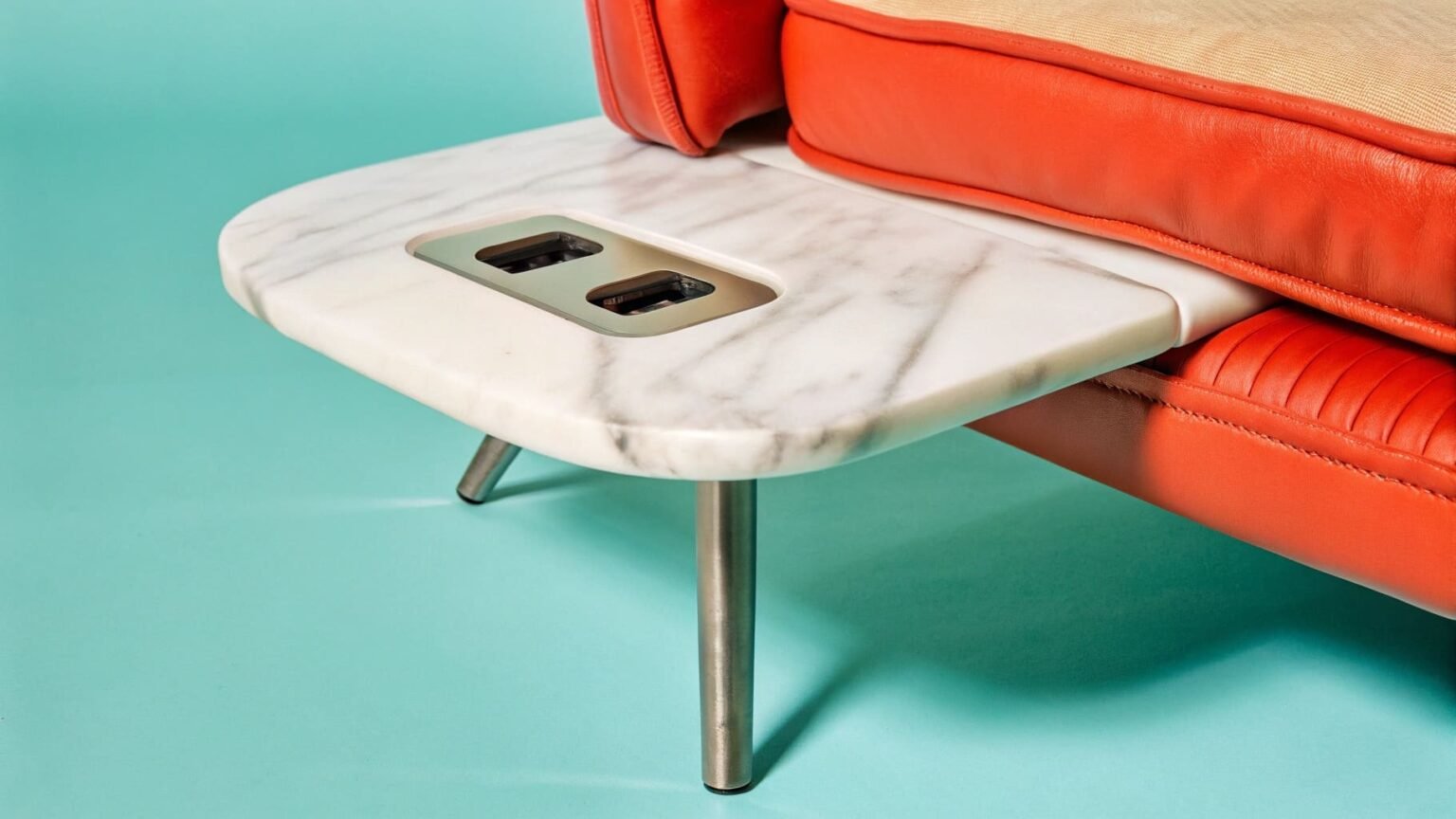
One of the most challenging projects I worked on involved a C-shaped sectional for a hotel lobby. The design called for a suspended black-metal base, a backrest that transitioned into a stone console, and integrated leather-wrapped charging stations. Sourcing this from three different suppliers would have been a nightmare of mismatched finishes and misaligned parts. Instead, we partnered with a single factory that had dedicated departments for metalwork, stonemasonry, and upholstery. Their engineers created a unified production plan. The result was flawless; the 0.2mm seam between the stone and the upholstery was a testament to their integrated control. This is what defines high-end custom furniture—the ability to masterfully combine diverse materials.
This unified approach prevents the common issues that arise when coordinating multiple specialized vendors.
The Advantage of Integrated Multi-Material Production
Challenge | Multi-Supplier Approach | Single Engineering-Driven Manufacturer |
Tolerance & Fit | High risk of mismatched dimensions and visible gaps between materials. | A unified engineering plan ensures all components fit perfectly with tight tolerances. |
Finish Consistency | Difficult to match finishes (e.g., the sheen of metal with the polish of stone) across different suppliers. | All finishing is controlled in-house, guaranteeing a cohesive aesthetic. |
Structural Integrity | The upholstery supplier may not account for the weight of the stone, or the metal fabricator may not understand the needs of the frame. | A holistic design ensures the frame supports all integrated elements without stress. |
Communication | Project manager must coordinate between multiple vendors, increasing risk of errors and delays. | One point of contact streamlines communication and accountability. |
Modern luxury furniture is defined by its rich, textural variety. The ability to seamlessly integrate materials like wood, stone, glass, and metal is no longer an afterthought—it’s a core capability that separates true custom manufacturers from the rest.
What stops a huge sectional sofa from sagging over time?
You’re investing in a large, statement sectional, but you worry it will start to sag and creak after a few years. Traditional all-wood frames often fail under the stress of a long span.
The key is an engineered, composite frame made of hardwood and reinforced with heavy-duty carbon steel. Top-tier manufacturers conduct structural audits and use industrial-grade steel components at key stress points to guarantee the frame remains perfectly level and sag-free for years.
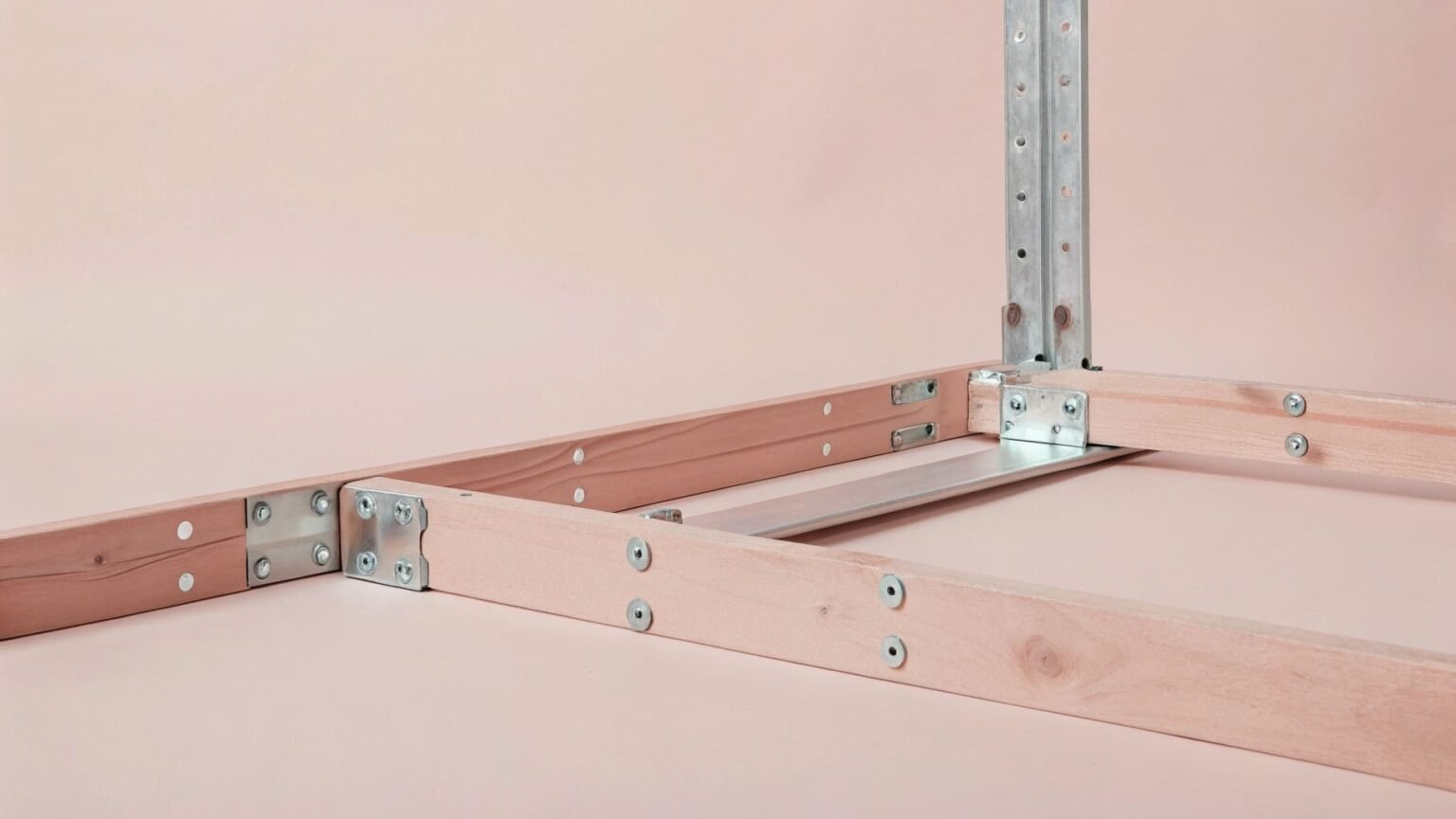
I once had to deal with a client’s nightmare: a massive, 20-foot U-shaped sectional in a hotel lounge that began to dip in the middle after just one year. It looked terrible and felt unstable. The frame was made entirely of pine, which simply couldn’t handle the span and constant use. We replaced it with a sofa from a contract-grade manufacturer. When we inspected their frame, the difference was clear. It was built from kiln-dried hardwood, but the long sections were supported by a carbon steel under-frame. All the joints were reinforced with metal brackets. This engineering approach ensures long-term durability, especially in commercial settings. A sofa’s longevity is determined by its skeleton, and a steel-and-wood hybrid is built to last.
The frame and suspension system are the unseen heroes of a quality sofa. Without a solid foundation, even the most beautiful piece will fail.
Comparing Sofa Frame & Suspension Systems
System | Common Application | Pros | Cons |
All-Wood Frame (Softwood) | Low-to-mid-range residential sofas. | Inexpensive. | Prone to warping, cracking, and sagging, especially over long spans. |
Hardwood Frame | High-end residential sofas. | Strong and durable for standard sizes. | Can still experience stress and fatigue at joints on very large or long-span sectionals. |
Steel-Reinforced Hardwood Frame | Commercial and luxury custom sofas. | Exceptional strength and rigidity; prevents any sagging or twisting over time. Industrial-grade durability. | Higher cost and weight; requires specialized engineering. |
Webbing Suspension | Inexpensive sofas. | Low cost. | Stretches and sags quickly, offering poor support. |
Sinuous Springs | Mid-to-high-end sofas. | Good support and durability if made with heavy-gauge steel. | Can lose tension over time if the steel quality is poor. |
Eight-Way Hand-Tied Springs | Traditional high-end sofas. | Considered the gold standard for even support and comfort. | Labor-intensive and expensive; quality depends heavily on craftsmanship. |
For a large sectional, especially one intended for a hospitality or high-traffic environment, insisting on a steel-reinforced frame is the best way to protect your investment and ensure the piece maintains its structural and aesthetic integrity.
How is a large custom sofa safely delivered for an international project?
You’ve ordered a complex, custom sectional for a project overseas. Now you’re worried about shipping damage and complex on-site assembly. The logistics feel overwhelming and risky.
Top-tier manufacturers provide end-to-end risk management. This includes a full pre-assembly mock-up at the factory, compliance with international standards like BIFMA, and a smart knock-down (KD) design for secure, cost-effective shipping.
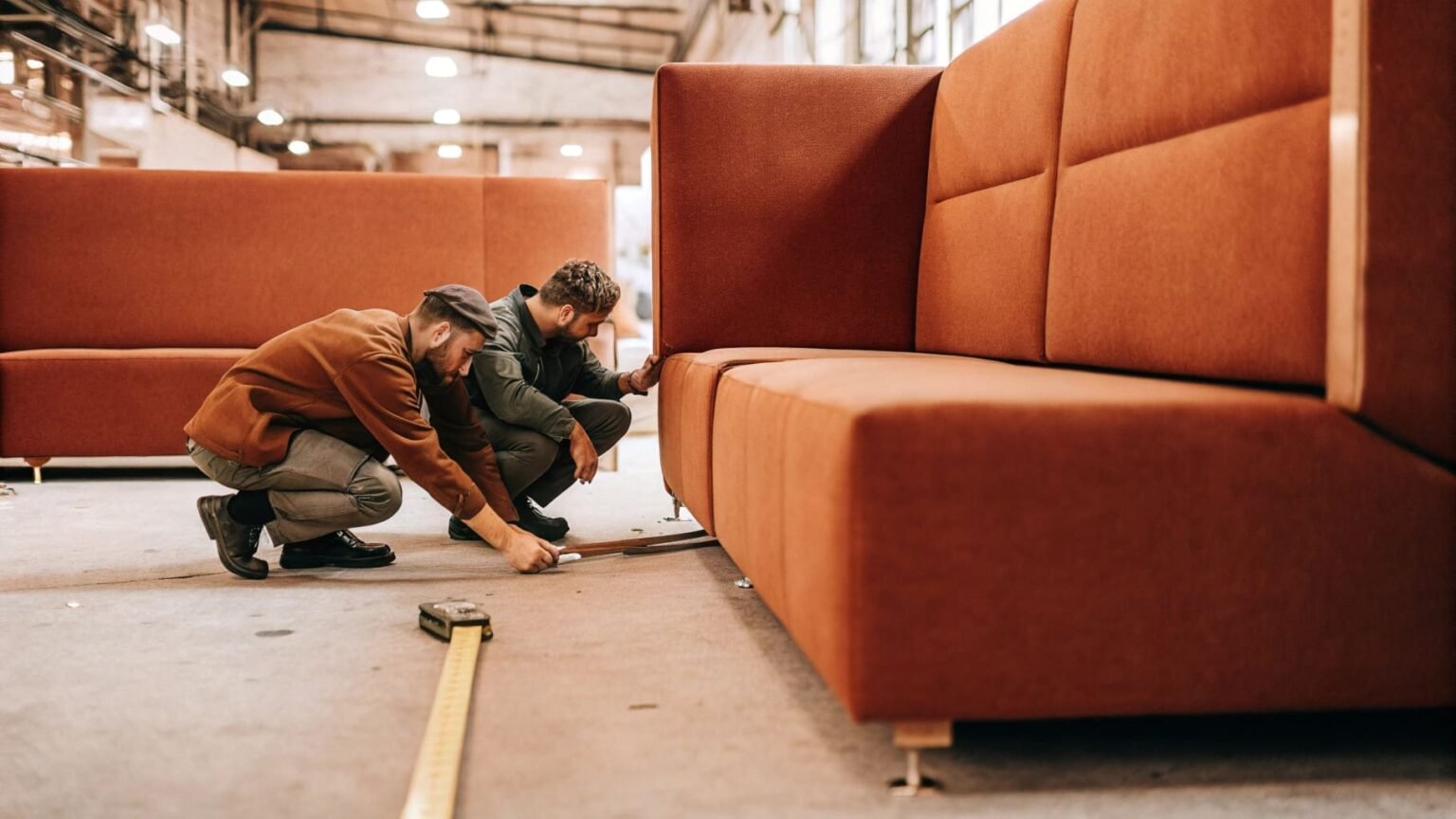
For a villa project in the Caribbean, we commissioned a highly customized, multi-part sectional. The manufacturer was in Asia, and the client was extremely nervous about the delivery process. Before shipping, the factory sent us a full video of the sofa completely assembled in their workshop for a “mock-up review.” We could inspect every detail from thousands of miles away. After our approval, they disassembled it into smart, knock-down modules.Each piece was individually wrapped, crated with ISPM-15 compliant wood, and clearly labeled. When it arrived on-site, the assembly was straightforward thanks to the clear instructions. This level of professional, contract-grade execution provides the peace of mind that is essential for international projects.
This process, from factory floor to final installation, is designed to eliminate surprises and ensure a perfect result.
The Zero-Risk International Delivery Workflow
Stage | Action | Benefit |
1. Mock-Up Review | The factory fully assembles the finished sofa for inspection (in-person or via video) before it’s packed. | Guarantees that all parts fit perfectly and meet quality standards before leaving the factory. |
2. Compliance Verification | Materials and construction are tested to meet international commercial standards, such as BIFMA for durability and various fire-retardancy codes. | Ensures the product is safe, durable, and compliant with project or regional legal requirements. |
3. Knock-Down (KD) Engineering | The sofa is strategically designed to be disassembled into manageable, well-protected modules. | Reduces shipping volume, lowers freight costs, minimizes the risk of damage, and simplifies access to the installation site. |
4. Professional Crating | Each module is wrapped in protective layers (foam, bubble wrap) and packed into custom-built, high-strength crates. | Provides maximum protection against impact, moisture, and stress during international transit. |
5. On-Site Assembly | Modules are designed for simple, intuitive re-assembly with clear instructions. | Reduces installation time and the need for specialized on-site labor, ensuring a smooth and efficient final step. |
For any large-scale or international project, the manufacturer’s logistical capability is just as important as their craftsmanship. An engineering-driven approach to delivery is the ultimate assurance of a successful outcome.
Conclusion
To get a truly bespoke sectional sofa, you must look beyond retail and find an engineering-driven manufacturer. They deliver precision, integrate materials, guarantee structural longevity, and manage global logistics flawlessly.