Introduction
You have a unique vision for your space, but you cannot draw it yourself. Bad designs waste your money and delay your opening date significantly. You need a professional who understands both art and engineering immediately to save your project.
You can find custom furniture designers[^1] through professional design platforms[^2] like Behance, by asking for referrals from high-end furniture manufacturers, or by attending industry trade shows[^3]. Look for professionals who specialize in technical drawings[^4] and have a portfolio showing completed physical projects, not just 3D renderings.
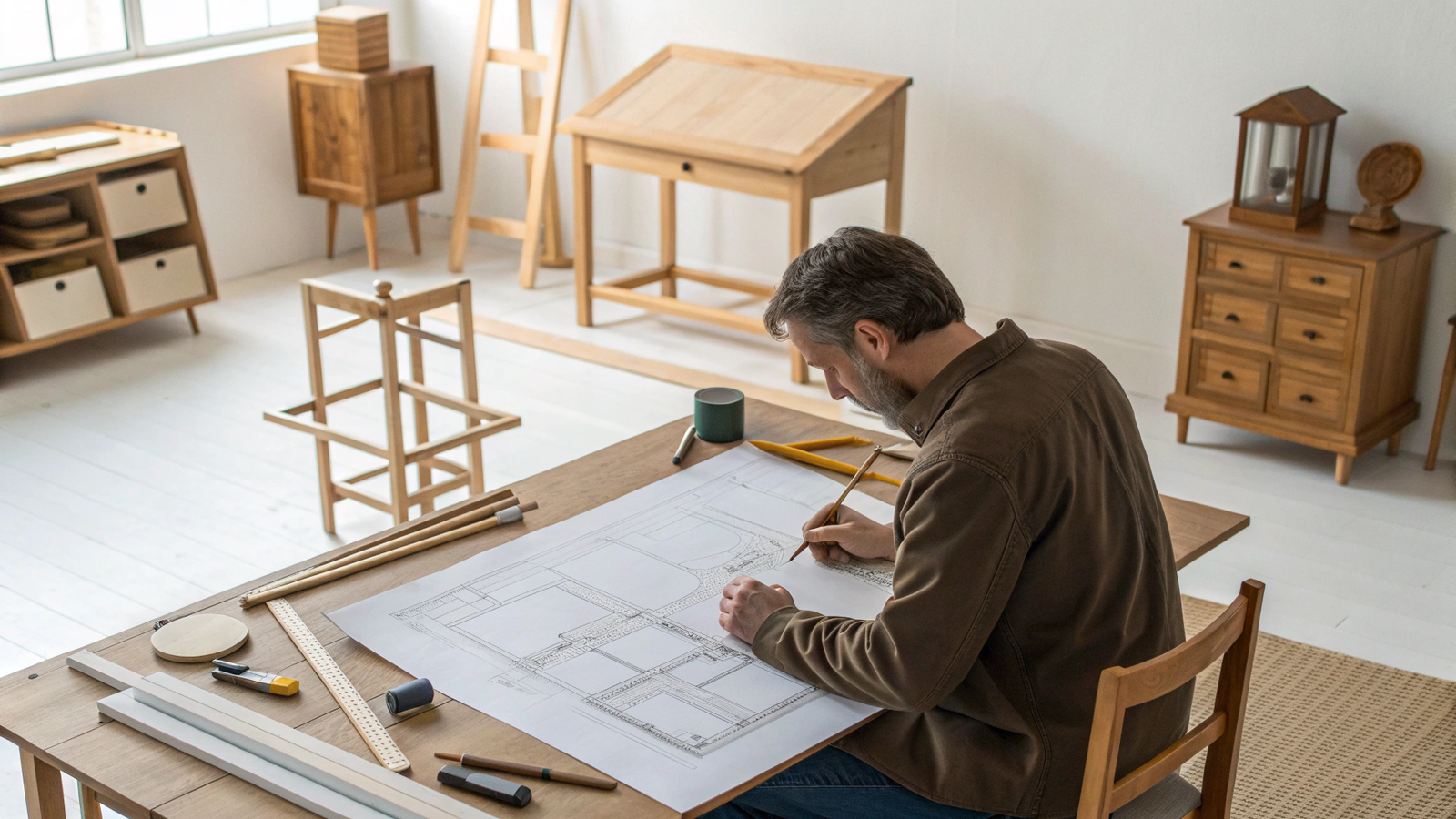
Finding a designer is easy, but finding one who actually understands how to build things is hard. I have seen many projects fail because the drawings were impossible to make. Let me explain what to look for so you do not waste your time on unbuildable concepts.
Why is manufacturing knowledge crucial for a designer?
Many designers draw beautiful pictures that fall apart in the factory. This causes huge delays and budget spikes during production. You must avoid this common trap to succeed.
The best designers understand material properties[^6] and structural logic[^7] before they draw a line. They create designs that are not only visually appealing but also structurally sound and cost-effective to produce. This expertise prevents expensive revisions later and ensures your project stays on schedule.
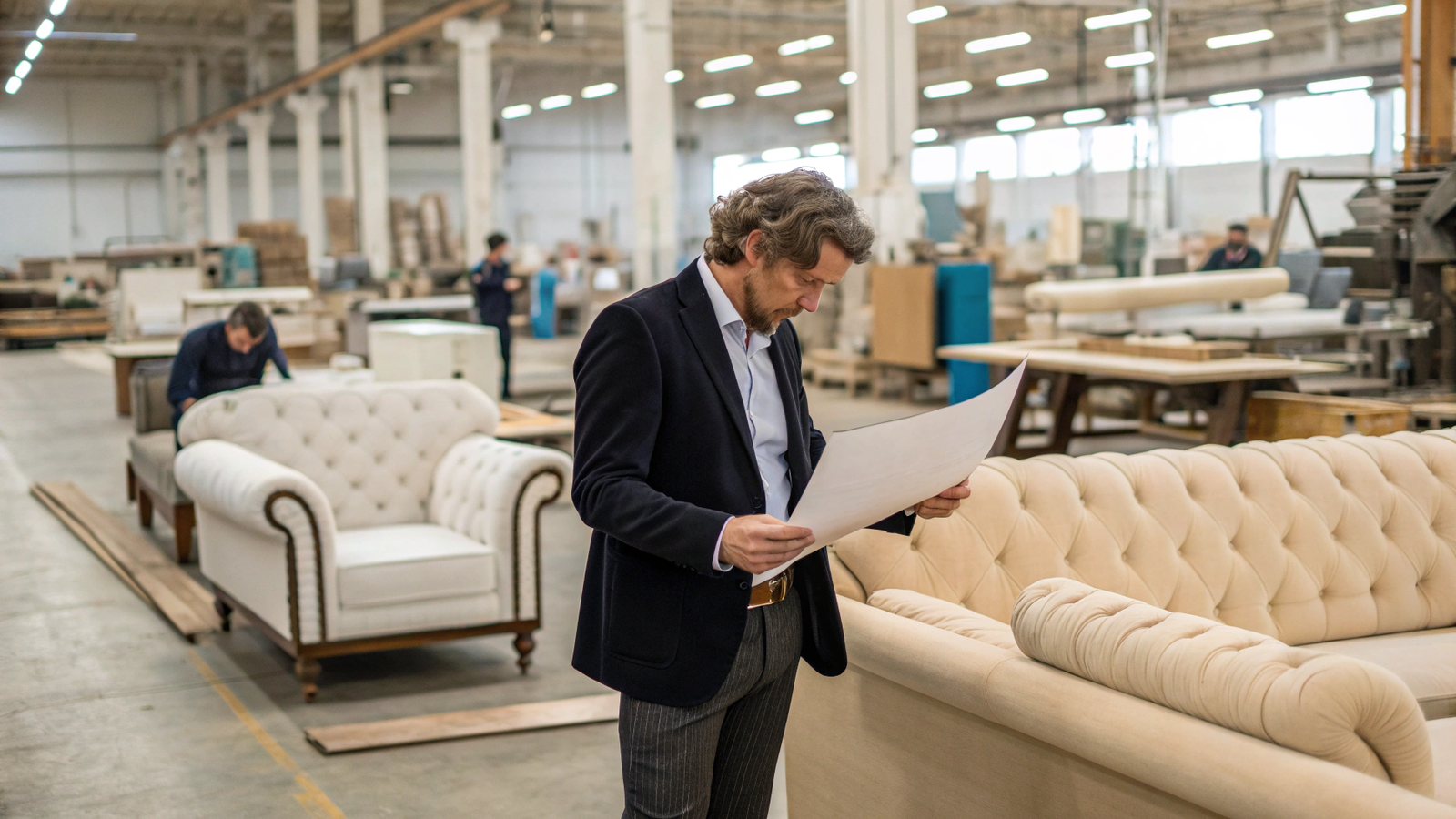
In my years at NEXTOP, I have seen many “perfect” designs fail completely. A designer might draw a thin metal leg supporting a heavy stone top. On paper, it looks sleek and modern. In reality, it wobbles or breaks under the weight. This is why manufacturing knowledge[^5] is non-negotiable. Real design is not just about style. It is about physics. A great designer knows that wood expands with humidity. They know how to hide a weld joint on stainless steel. They understand that a 3-meter table needs a sub-frame for support.
When a designer lacks this skill, we have to redesign everything at the factory. This wastes your money. It pushes your opening date back. You need someone who thinks about the assembly process while they are sketching. They should know the difference between a veneer and solid wood, not just the color. They must know if a shape requires a custom mold or if we can use standard stock.
Here is a breakdown of the difference between a Stylist and a Technical Designer:
Feature | Stylist Only | Technical Designer |
Focus | Visual impact only | Visuals + Structure |
Materials | Chooses based on color | Chooses based on durability & cost |
Cost Control | Often goes over budget | Designs to fit your budget |
Production | Causes delays with revisions | Smooth transition to factory |
You need the person on the right side of this table. They save you headaches.
How do you evaluate a designer beyond their portfolio?
A portfolio full of 3D renders looks impressive but can be very deceptive. You need proof of reality to trust them. Real projects show the truth about a designer’s skill.
Evaluate a designer by requesting photos of completed, installed projects rather than just digital images. Ask about the challenges they faced during production and how they solved them. This reveals their problem-solving skills[^8] and their ability to deliver a tangible, high-quality product.
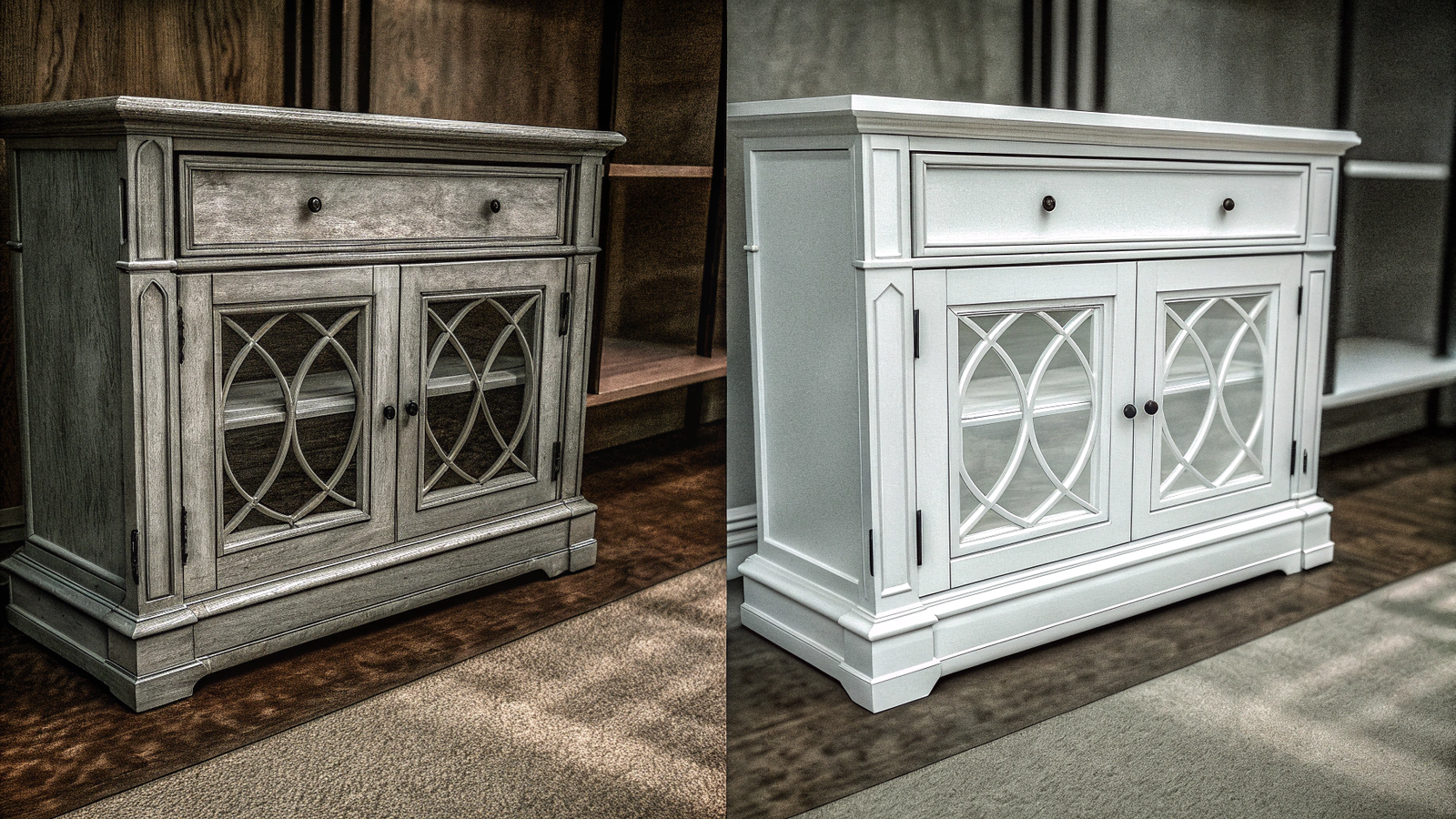
I always tell my clients to look past the glamour shots. Computer-generated images (CGI) are perfect. Real life is not. When you interview a designer, ask to see the “ugly” photos. Ask for site photos taken during the installation phase. These photos show you if the joinery was tight. They show you if the fabric was pulled smooth on the sofa. A pretty picture does not tell you if the drawers stick. It does not tell you if the finish peeled off after a month.
You must dig deeper to find the truth. Ask them for references from manufacturers they worked with. Did they answer questions quickly? Did they accept feedback from the engineers? An experienced designer is proud of their finished work. They will show you the details. If they only show you drawings, be careful. This usually means the final product did not look good, or it was never built.
Consider asking these specific questions to test their experience:
- “Can you show me a shop drawing you corrected?”
- “How did you handle a material shortage on a past project?”
- “What is your process for checking the prototype?”
If they cannot answer these simply, they might not have the field experience you need for a complex commercial project.
Why is the connection between designer and factory vital?
Disconnects between the drawing board and the workshop destroy projects. Miscommunication leads to wrong finishes and wrong sizes. You need a seamless workflow to ensure success.
The connection between the designer and the factory ensures that the design intent matches the production reality. A designer who communicates well with engineers can adapt drawings to fit machine capabilities and budget constraints without losing the aesthetic vision.

At NEXTOP, we work best when the designer talks to us early. In high-end hospitality projects, time is money. If a designer hands over a drawing and disappears, problems happen. The best designers treat the factory as a partner. They send us preliminary sketches. We might tell them, “If you change this curve by 5mm, we can use a standard mold and save $200 per chair.” This collaboration is magic. It balances the budget with the look.
A designer who understands our engineering drawings is valuable. They know that our shop drawings are the final rule. They review them carefully. They do not just sign off blindly. This relationship saves weeks of back-and-forth emails. It stops the “blame game” when things go wrong.
Especially in commercial projects, the scale is huge. One mistake is repeated 100 times. A designer who respects the production process will catch these errors before we cut the wood. They understand the flow of the factory. They know that painting takes time to dry. They know that sourcing stone takes weeks. They plan for this.
Key benefits of Factory-Designer Alignment:
- Cost Efficiency:Adjustments are made on paper, not on metal.
- Speed:Decisions happen in hours, not days.
- Quality:The factory understands exactly what the designer wants.
- Feasibility:No time wasted on impossible shapes.
Where should you actually look for these technical designers?
You know what skills to look for, but where are these people hiding? Searching Google blindly gives too many bad results. You need targeted search strategies to find them.
Look for designers who work within architectural firms[^9] or specialized contract furniture consultancies. You can also ask custom manufacturers like NEXTOP for recommendations, as we often partner with designers who have proven track records in technical execution and successful project delivery.
Do not just look at Instagram. Instagram is for pretty pictures, not engineering. Go to places where technical skill is required. Look at commercial architecture firms. They often have industrial designers on staff who know code and durability. Look at design-build firms[^10]. These companies handle both design and construction, so their designers are very practical. They have to be, or they lose money.
Another great source is your manufacturer. If you come to NEXTOP, I can introduce you to designers we trust. We know who sends us good drawings. We know who understands metal grades and wood veneers. We see their work every day. We know who is easy to work with.
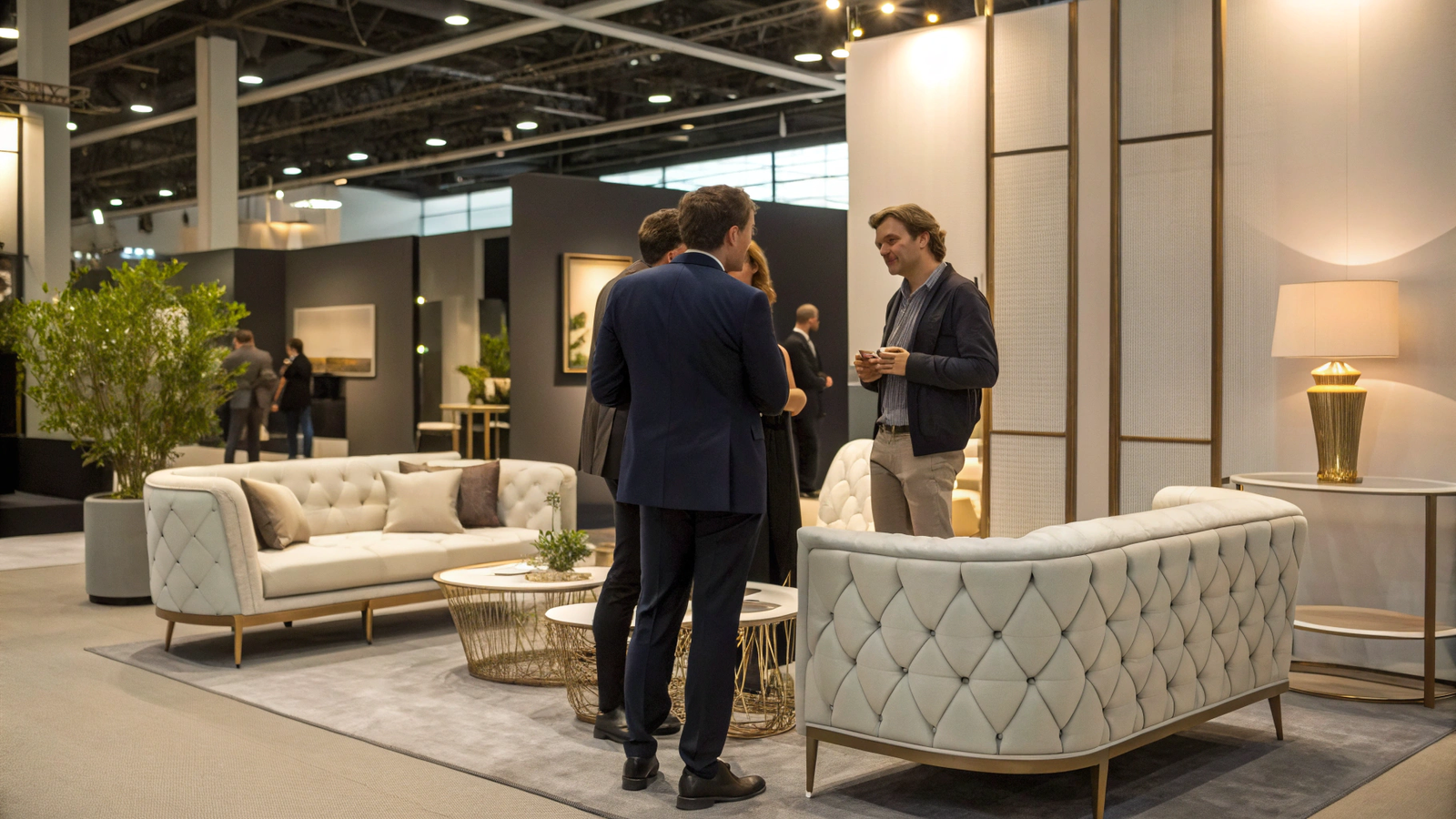
Also, look at trade shows like Milan or High Point, but look at the technical details of their booths. Talk to the people standing there. Ask them how they made that specific joint. If they cannot answer, keep walking. You want the person who gets their hands dirty. You want the person who gets excited about a hinge.
Here is a strategy for your search:
- Check LinkedIn:Search for “Industrial Designer” + “Hospitality”.
- Visit Hotels:If you like the furniture, ask the manager who designed it.
- Ask Contractors:They know which designers produce clear plans.
- Contact Us: We have a network of verified professionals.
Finding the right person takes effort, but it saves you from disaster later. Do not settle for just a sketch artist.
Conclusion
Finding the right designer is about finding a partner who bridges the gap between art and the factory floor, ensuring your vision becomes a durable, profitable reality.
[^1]: Discover platforms and methods to connect with skilled designers who can bring your vision to life.
[^2]: Explore top platforms to find designers with the expertise needed for your project.
[^3]: Learn about trade shows where you can meet designers and see their work firsthand.
[^4]: Understand the significance of technical drawings in ensuring designs are buildable and practical.
[^5]: Discover why understanding manufacturing processes is essential for successful design execution.
[^6]: Gain insights into how understanding materials can prevent design failures and ensure durability.
[^7]: Learn how structural logic ensures that designs are not only beautiful but also functional and stable.
[^8]: Discover how a designer’s ability to solve production challenges can affect project outcomes.
[^9]: Discover why architectural firms are a good source for finding technically skilled designers.
[^10]: Learn how these firms offer practical design solutions by integrating design and construction.