Introduction
Struggling to turn a complex metal art concept[^1] into reality? You worry about finding a partner who can deliver both artistic quality[^2] and engineering precision[^3], avoiding costly and disappointing failures.
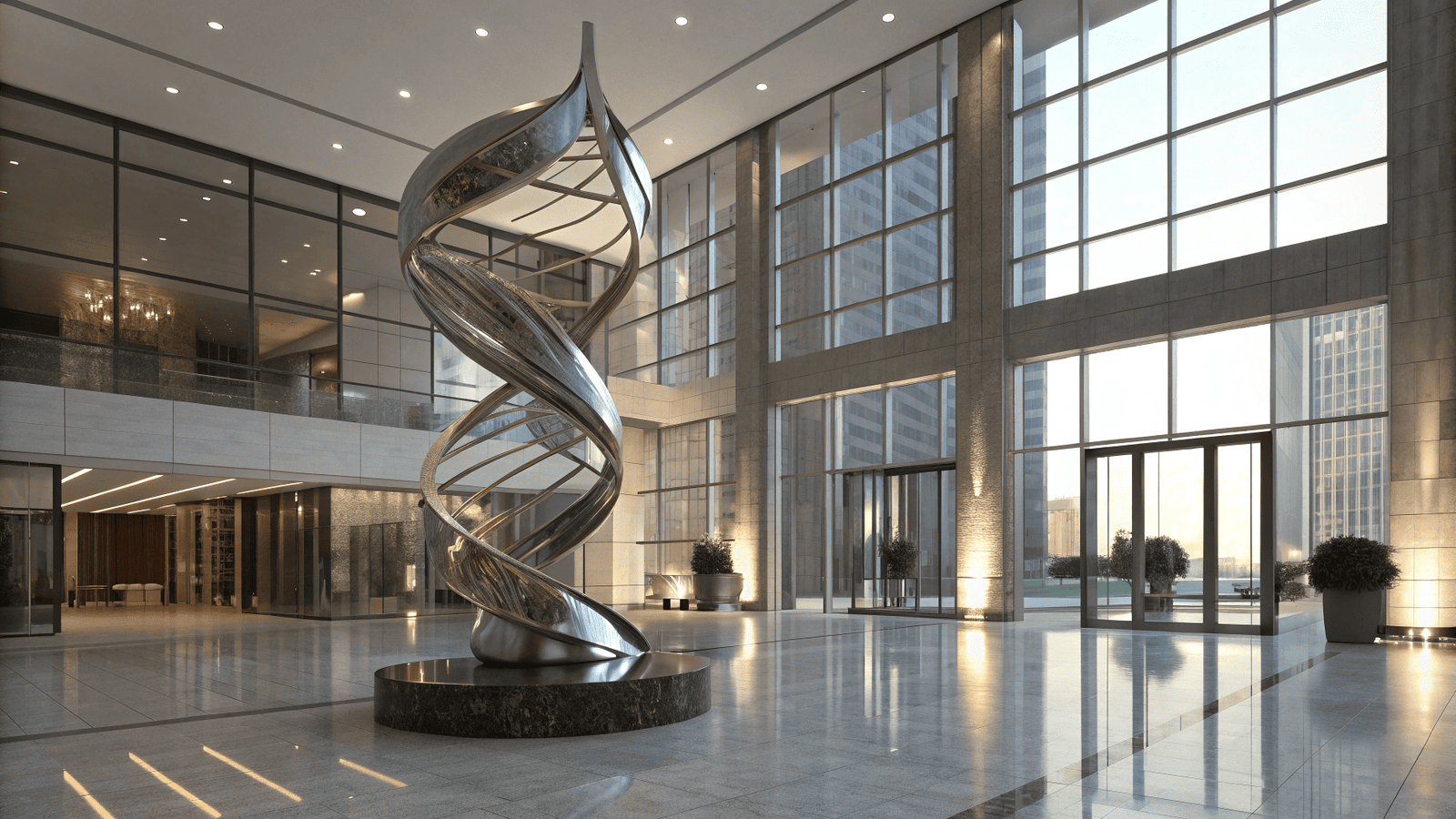
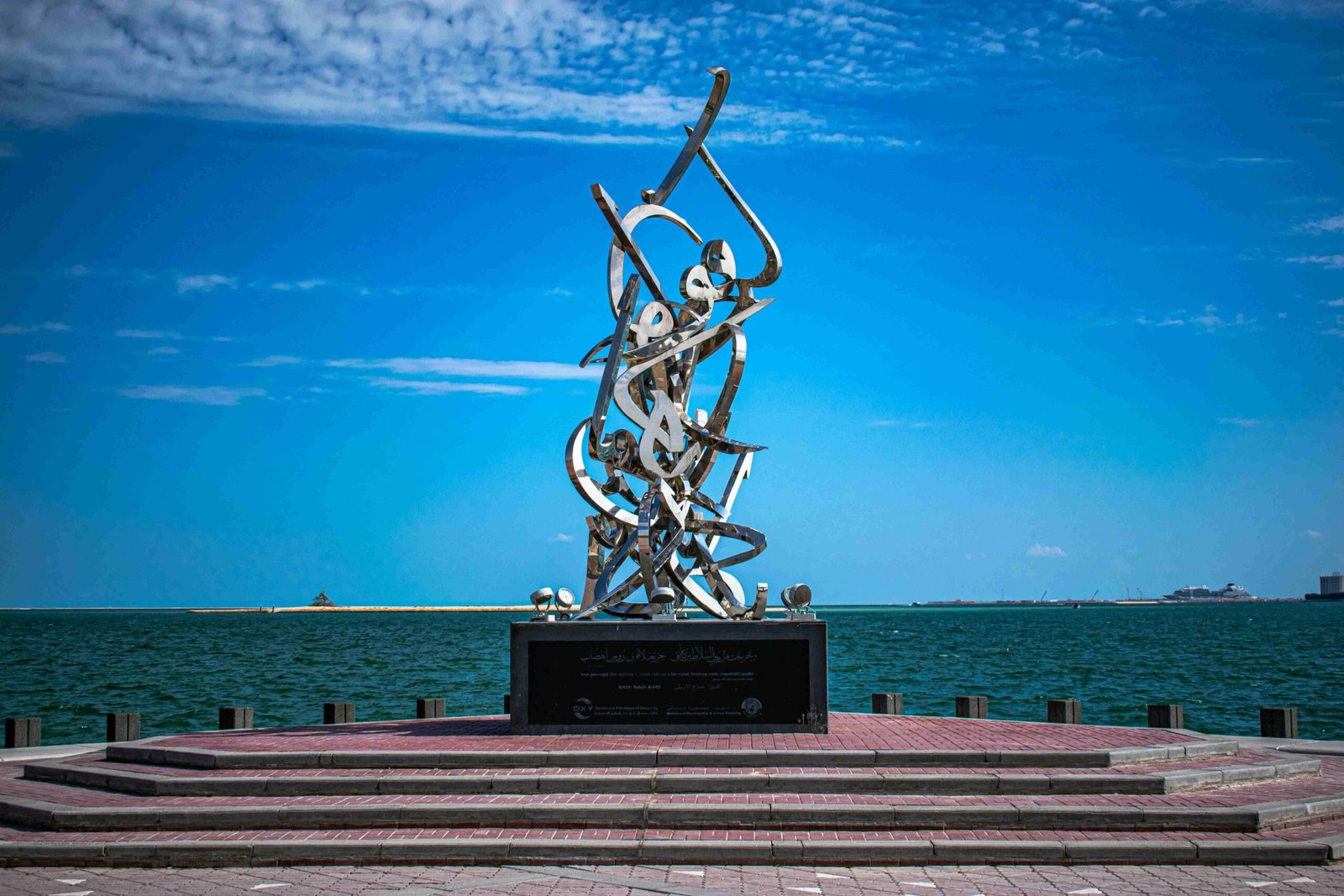
A true masterpiece in metal is more than art; it’s a spatial asset where creative vision meets engineering reliability. Using materials like stainless steel[^4] or bronze[^5], it delivers stunning visual impact while ensuring structural stability[^6], weather resistance[^7], and low maintenance[^8] for years to come.
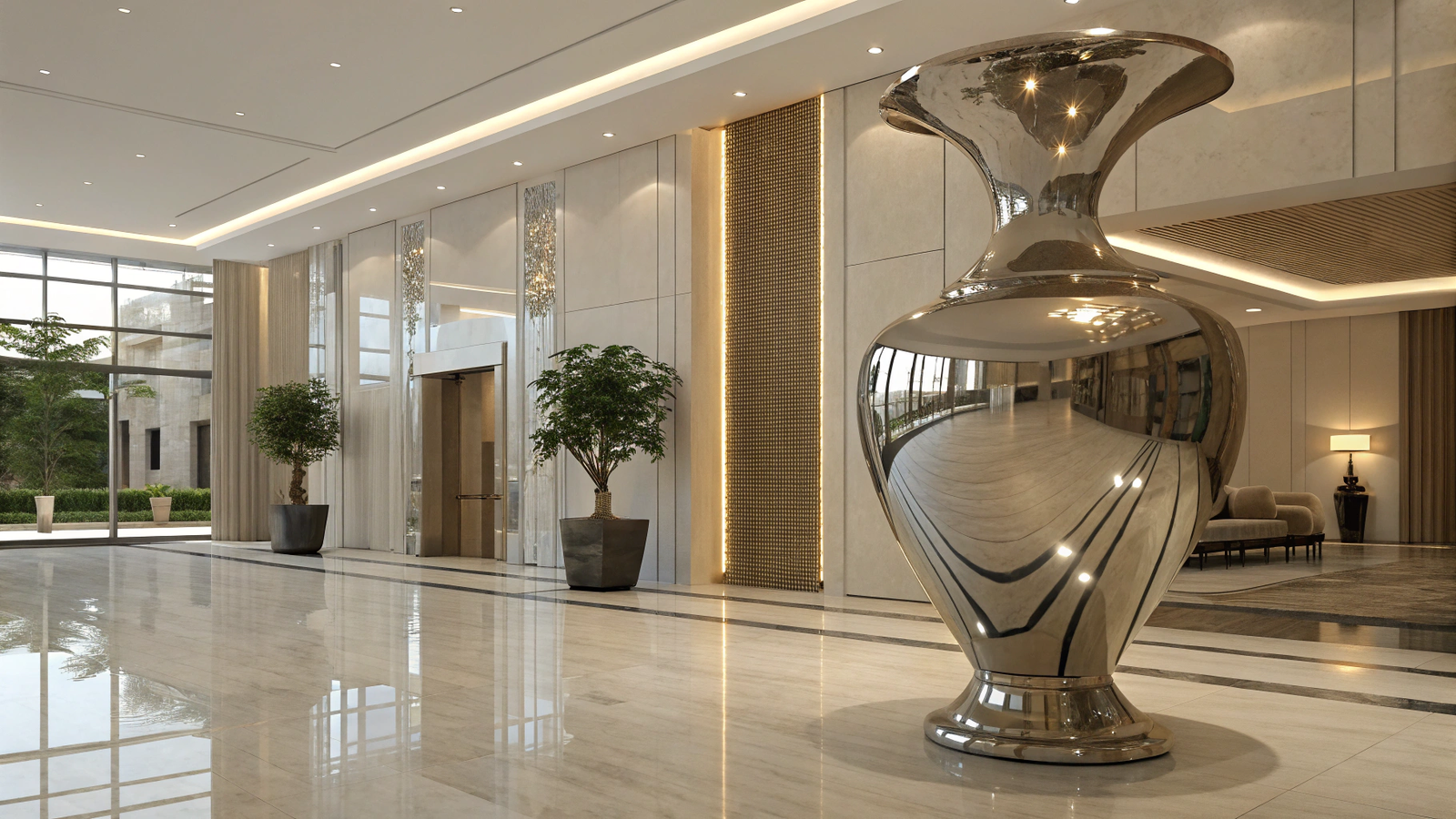
I’ve seen countless designs over the years, from towering outdoor sculptures to intricate lobby centerpieces. The ones that truly succeed are always the ones where the line between artist and fabricator disappears. The final piece feels inevitable, as if it could have been made no other way. But getting to that point requires a deep understanding of materials, techniques, and the collaborative process itself. It’s not magic; it’s a specific kind of expertise. Let’s explore what it takes to transform raw metal into an enduring work of art.
How Do You Choose the Right Metal for Your Art Piece?
Choosing the wrong metal can lead to rust, discoloration, or even structural failure. You need the perfect balance of aesthetics, budget, and longevity, but the options feel overwhelming.
The right metal depends on location, desired finish, and budget. Stainless steel is a workhorse for outdoor durability, aluminum is lightweight and versatile, while copper and brass offer unique, evolving patina[^9]s for a classic, warm look. Each has specific properties for different artistic needs.
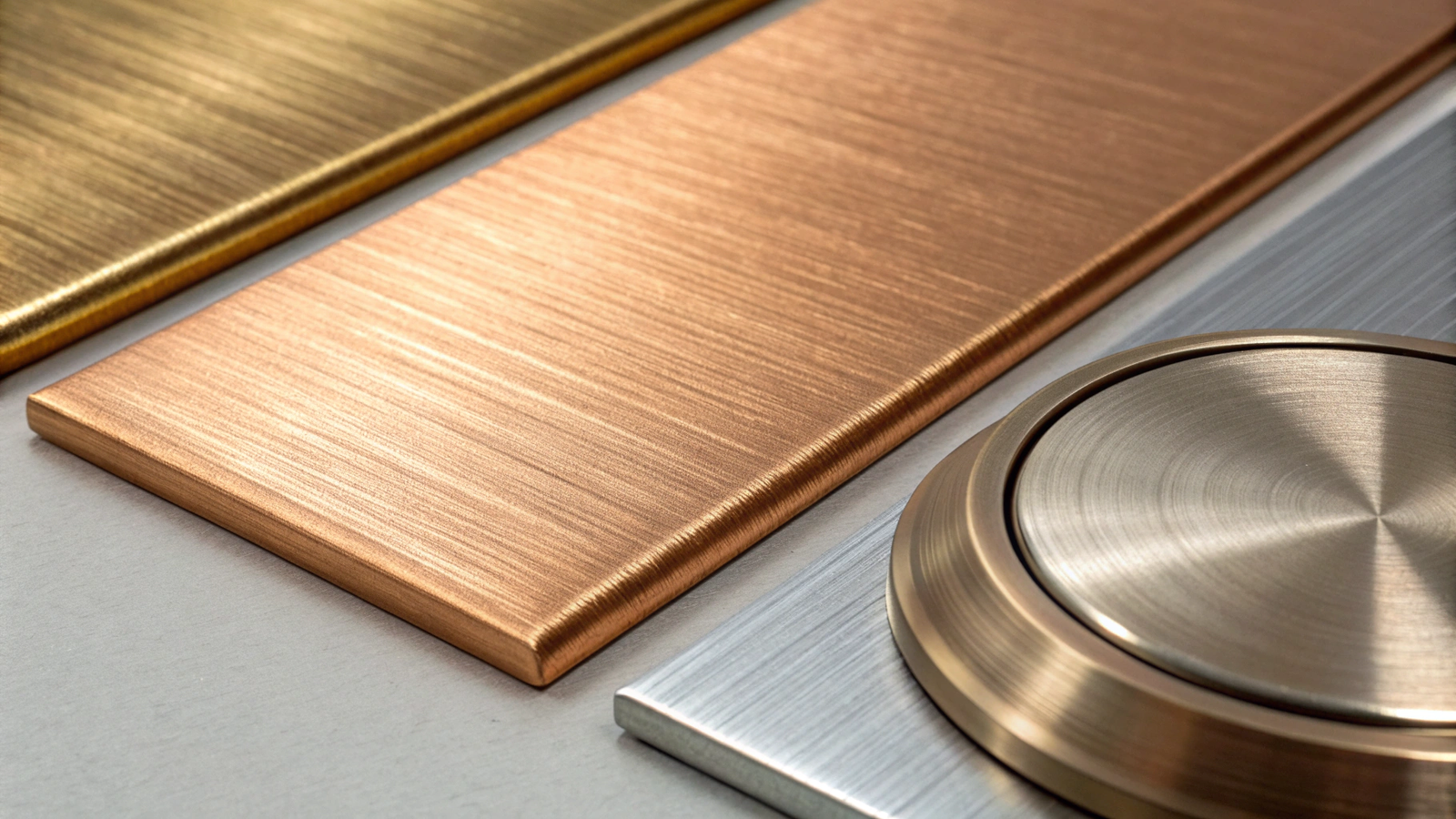
Choosing the material is the first critical decision in any metal art project. It dictates the look, the feel, the weight, and most importantly, the lifespan of the piece. I always advise clients to think about the environment first. A sculpture for a coastal hotel has very different needs than an indoor screen for a restaurant. We need to consider factors like humidity, salt spray, and sun exposure. From there, we can explore the best options that align with the design intent and the project’s financial plan.
Stainless Steel: The Modern Workhorse
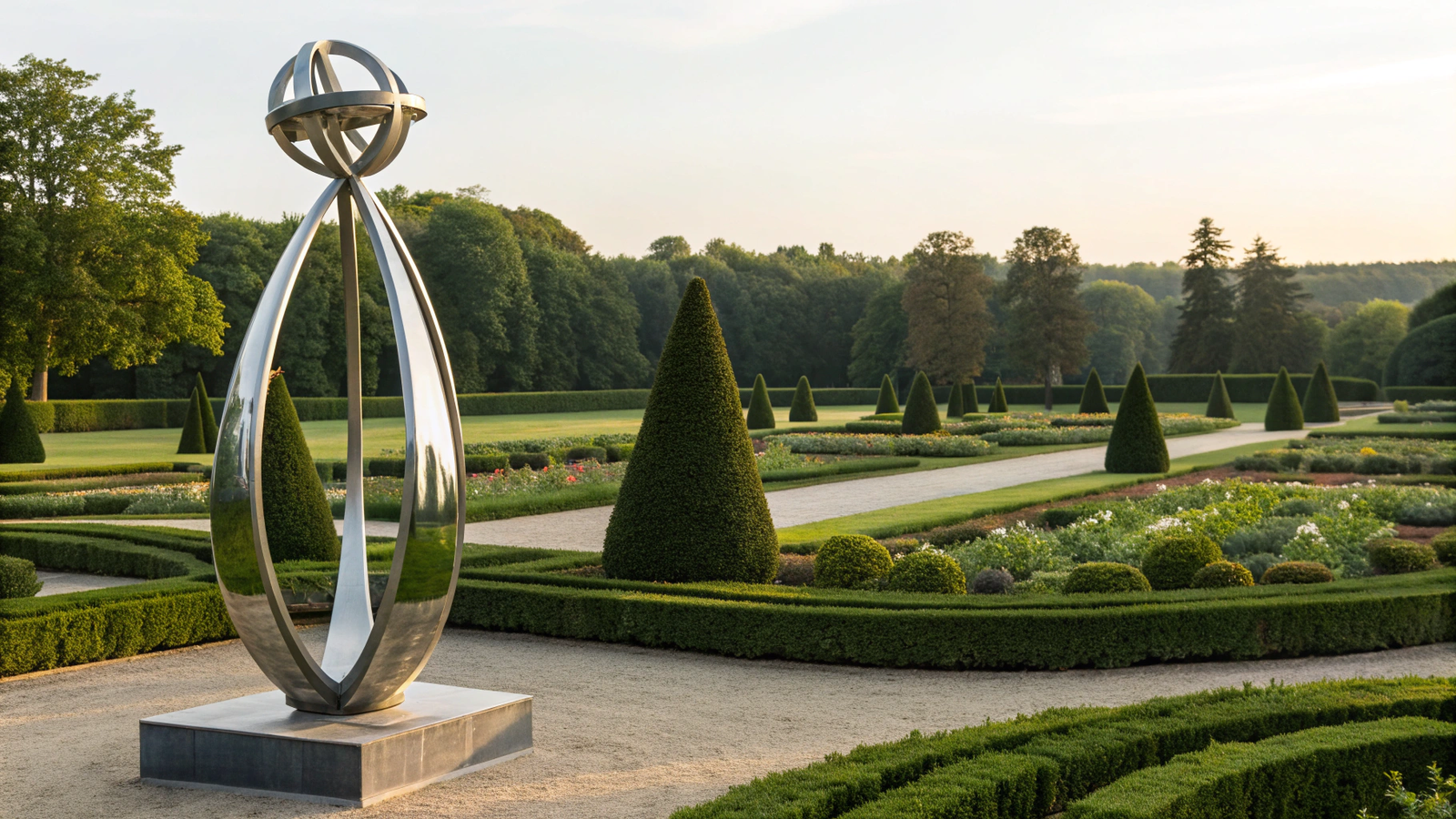
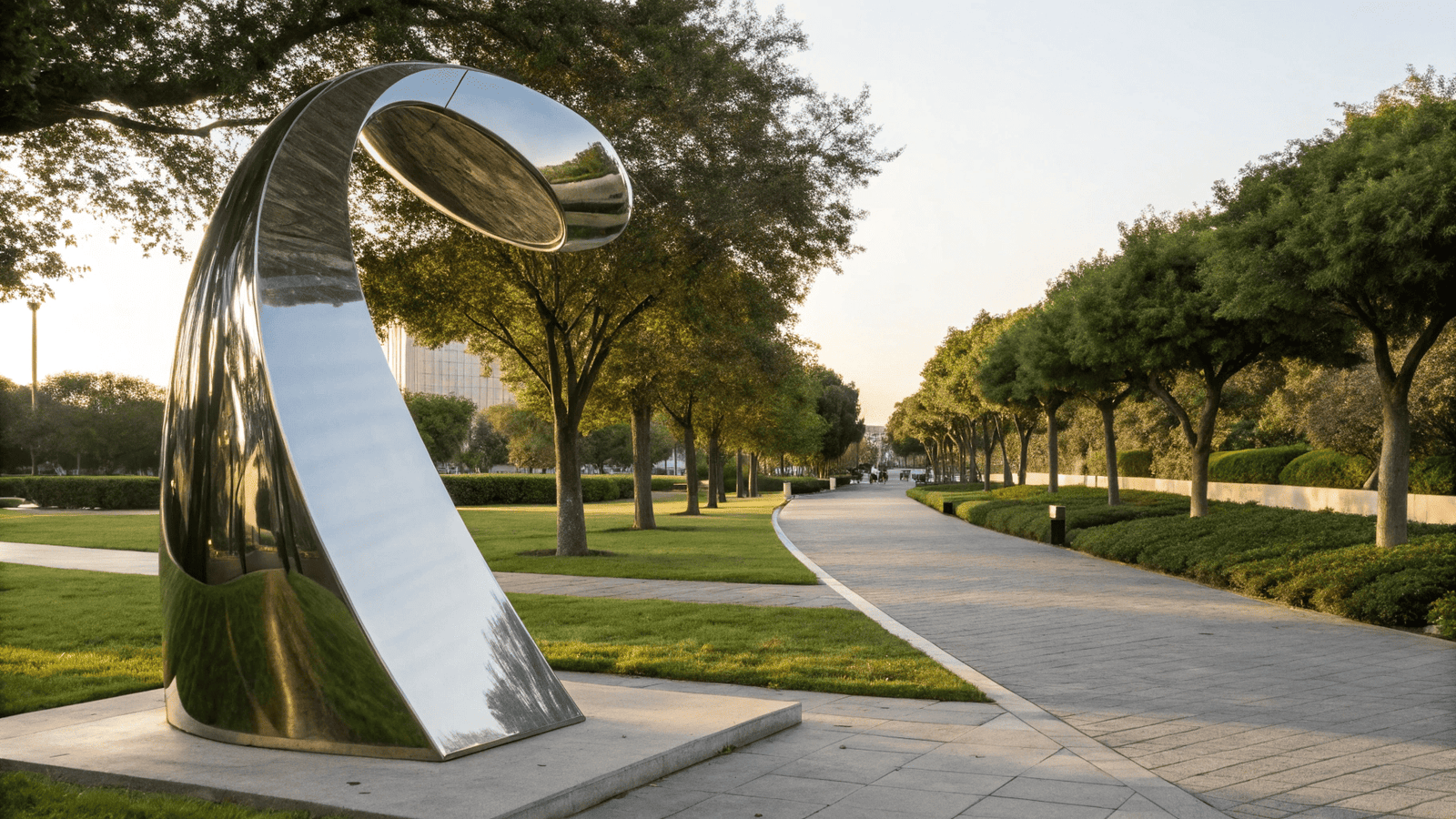
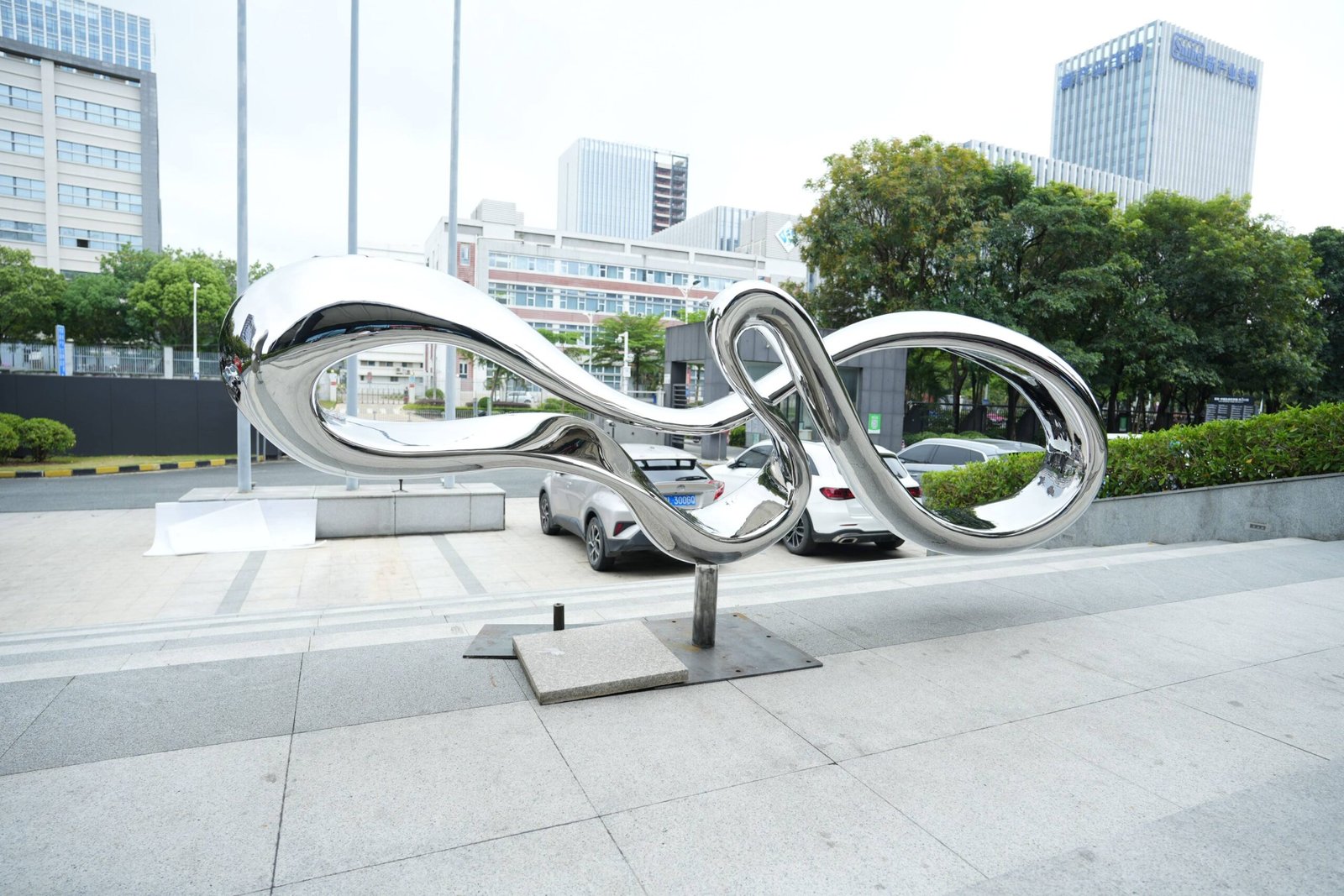
Stainless steel, particularly grades like 304 and 316L, is my go-to for contemporary projects requiring a clean, sleek, and durable finish. Its corrosion resistance is its biggest selling point, especially the 316L grade for marine or harsh environments. It can be finished in a variety of ways, from a mirror-like polish that reflects its surroundings to a satin brush that provides a softer, more subtle sheen.
Aluminum: Lightweight and Versatile
When weight is a concern, for example in a ceiling-suspended feature or a large piece on a rooftop, aluminum is an excellent choice. It’s about a third of the weight of steel but can be engineered to be very strong. It’s also highly resistant to corrosion and can be powder-coated in virtually any color imaginable, offering huge creative freedom.
Copper & Brass: The Living Metals
For a sense of warmth, history, and luxury, nothing beats copper or brass. These metals are “living” because they develop a natural patina[^9] over time, changing from a bright, lustrous finish to rich shades of green, brown, and blue. This evolving character can be a beautiful part of the artwork’s story. We can also accelerate or seal this patina[^9] to achieve a specific look from day one.
Material | Best For | Key Feature | Common Finishes |
Stainless Steel | Outdoor Sculptures, Water Features | Superior Corrosion Resistance | Mirror Polish, Brushed, Bead Blasted |
Aluminum | Suspended Features, Large Panels | Lightweight & Malleable | Powder Coating, Anodizing, Brushed |
Copper / Brass | Luxury Interiors, Accent Pieces | Develops a Natural Patina | High Polish, Satin, Forced Patination |
What Key Manufacturing Processes Turn Metal into Art?
You have a brilliant design concept, but how does it become a physical reality? The manufacturing process can seem like a black box, full of technical jargon and potential pitfalls.
Key processes include precision cutting[^10] (laser, waterjet), forming (bending, rolling), expert welding (TIG), and meticulous surface finishing[^11] (polishing, powder coating). Guided by detailed engineering drawings, these steps transform raw metal into a seamless, finished artwork that matches the original vision perfectly.
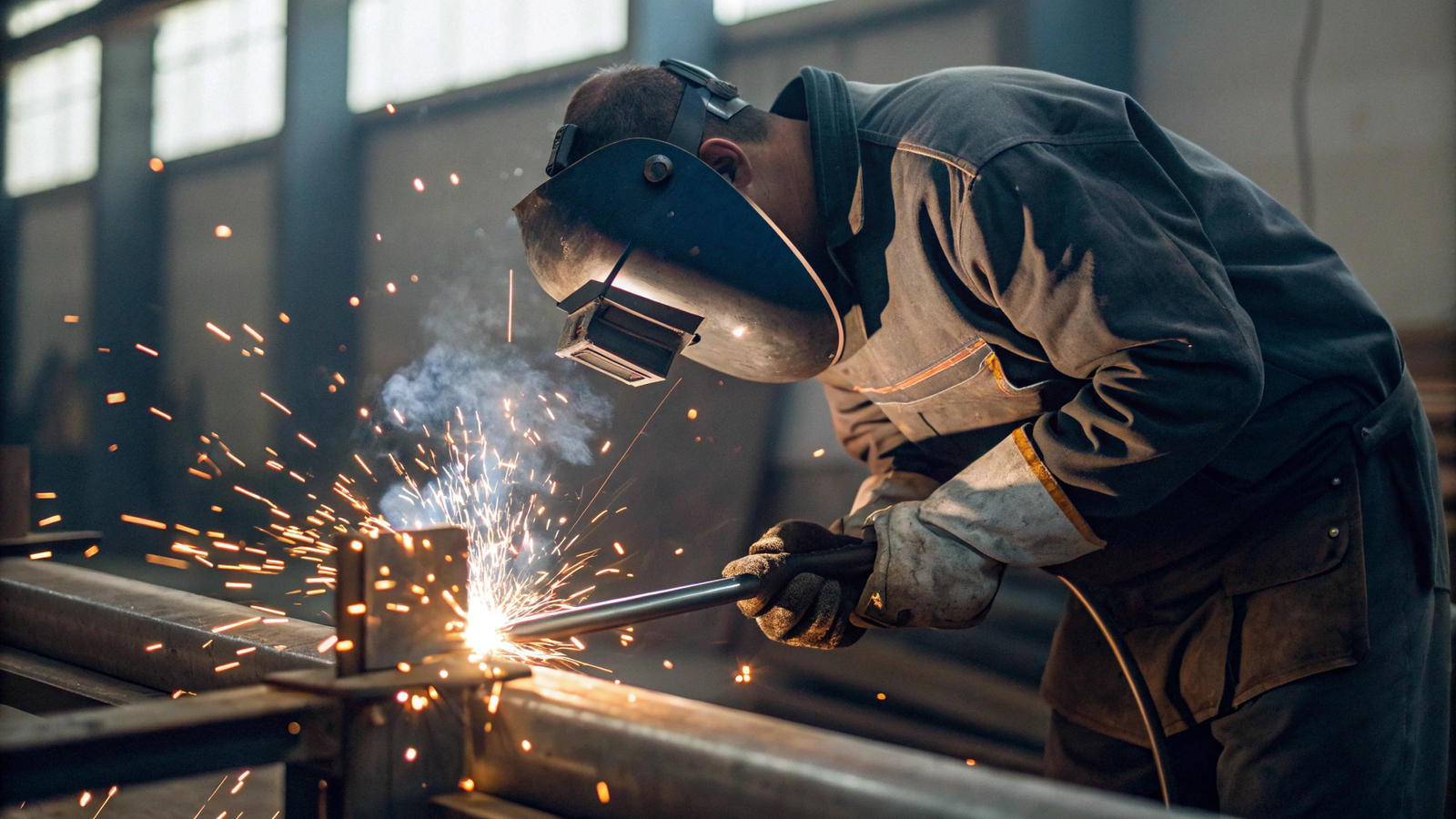
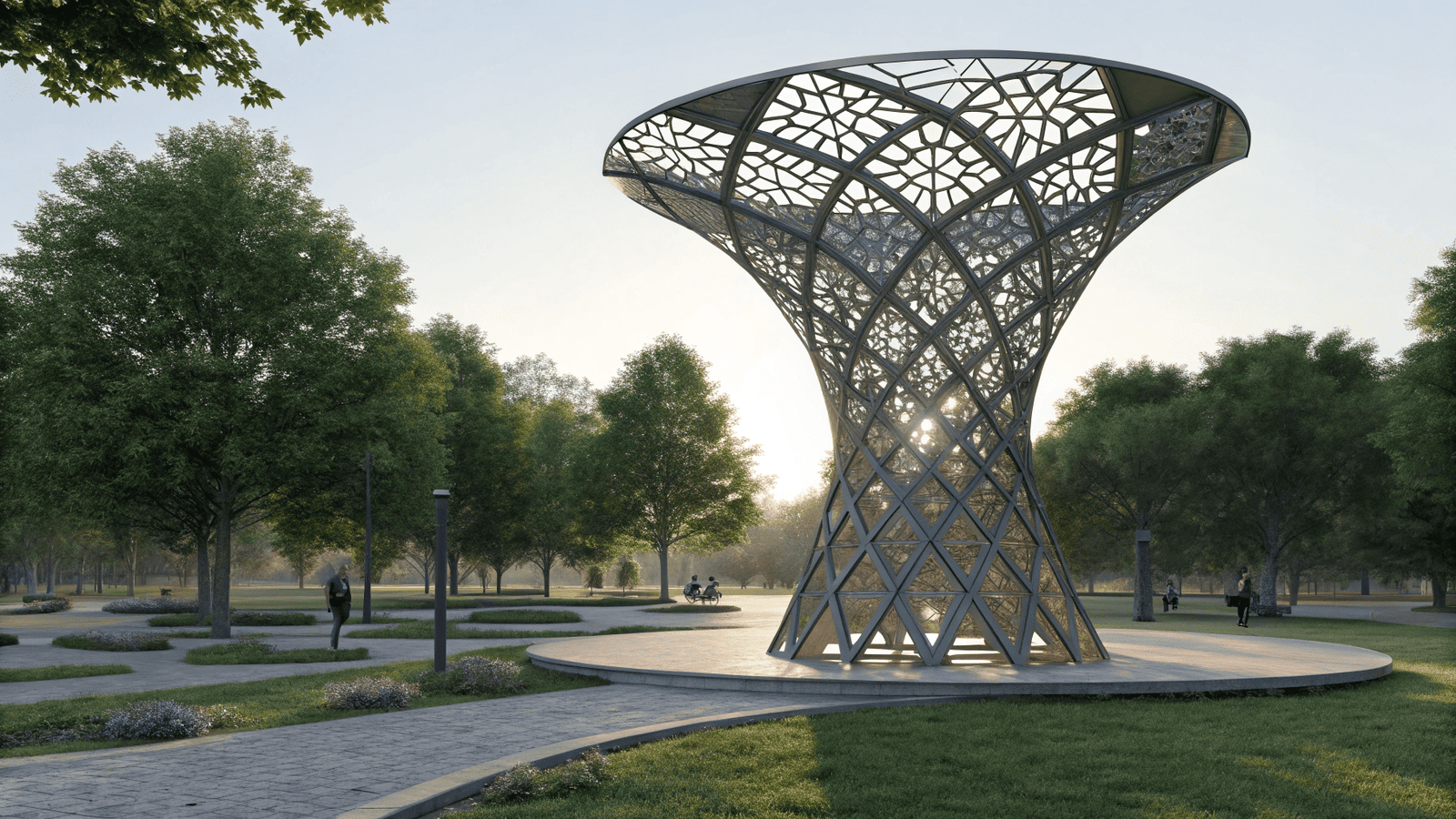
I remember a project with an incredibly intricate, lace-like pattern for a large screen. The designer was worried it couldn’t be done. But by translating their digital file directly to a laser cutter, we were able to replicate every detail perfectly. This is where manufacturing experience becomes so important. It’s not just about having the machines; it’s about knowing which process to use for which effect, and having the skilled hands to execute it flawlessly. The journey from a flat sheet of metal to a three-dimensional sculpture is a carefully choreographed dance of technology and craftsmanship.
Step 1: Digital Engineering and Precision Cutting
Everything starts with a detailed 3D model. Our engineers take the designer’s concept and break it down into manufacturable parts. We check for structural integrity[^12] and plan every joint and connection. Once the plan is approved, we move to cutting. For thin, detailed patterns, a laser cutter offers incredible speed and precision. For thicker materials or metals sensitive to heat, a high-pressure waterjet cutter can slice through the metal without altering its properties, ensuring a clean and accurate edge.
Step 2: Shaping and Assembling the Form
This is where the art truly takes shape. Flat pieces are bent, rolled, and hammered into curves and complex geometries using machinery like press brakes and rollers. Then, our most skilled craftspeople take over. They assemble the pieces like a giant puzzle. We primarily use TIG (Tungsten Inert Gas) welding, a highly precise method that creates clean, strong welds. The goal is to make the seams completely disappear after grinding and polishing, so the final piece looks like it was created from a single, solid block of metal.
Step 3: The Magic of Surface Finishing
The final finish is what everyone sees. It’s the most critical step for aesthetics and protection. A mirror polish on stainless steel[^4], for example, requires hours of sanding with progressively finer grits until the surface is flawless. A brushed finish needs a steady hand to create a consistent, uniform grain. For colored pieces, powder coating provides a durable, even layer of color that is much tougher than conventional paint. This final touch is what elevates a well-made object into a true work of art.
Why is the Collaboration Between Designer and Fabricator So Critical?
You’ve seen projects get derailed by miscommunication between the design studio and the workshop. The final piece doesn’t match the vision, causing frustrating delays and costly reworks.
A deep collaboration[^13] is crucial for success. It ensures the artist’s vision is feasible from an engineering standpoint and that the fabricator fully understands the aesthetic intent. This synergy prevents errors, optimizes materials, and guarantees the final artwork is both beautiful and structurally sound.
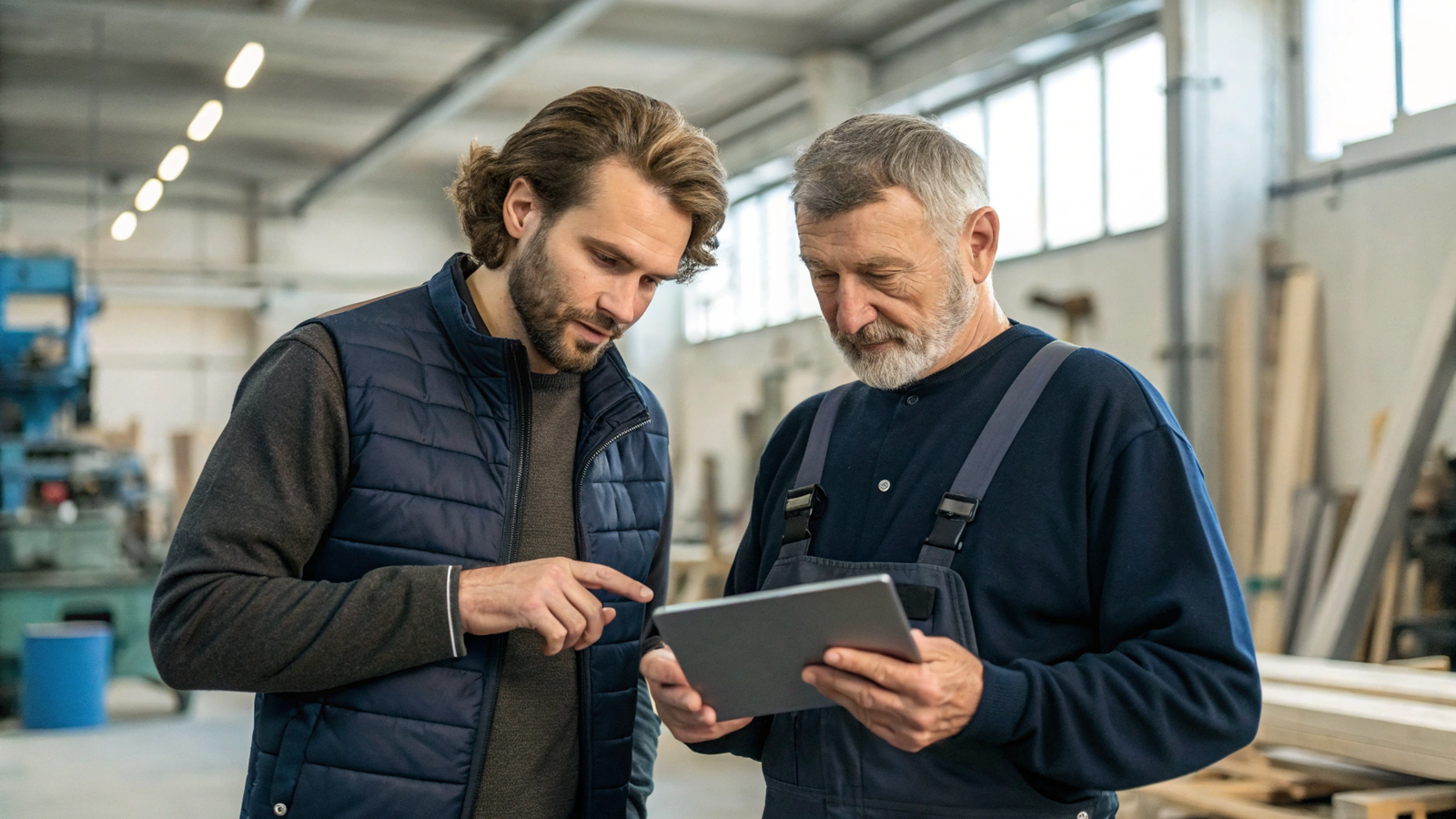
True collaboration[^13] isn’t just about sending drawings and getting a product back. It’s a continuous conversation. I once worked on a project for a hotel lobby that featured a massive, twisting metal ribbon suspended from the ceiling. The initial design was beautiful but structurally impossible to hang safely. Instead of just saying “no,” our team worked with the designer. We proposed internal structural changes and slight modifications to the curves that were invisible to the naked eye but made the piece completely stable. The designer loved the solution, and the final result was a stunning success. That’s the power of working together.
Bridging the Gap: From Concept to CAD
The most important work happens before any metal is cut. The designer provides the vision, the mood, and the form. Our engineers then translate that vision into a precise CAD (Computer-Aided Design) model. This is where we solve problems. We might suggest a different material thickness to save weight, a hidden bracket for a cleaner installation, or a specific weld type to create a seamless look. This back-and-forth ensures the final piece is buildable, safe, and true to the original intent.
Prototyping: A Crucial Checkpoint
For complex finishes or shapes, a small-scale mockup or a full-size sample is invaluable. It allows the designer to see and touch the finish, feel the texture, and see how the light interacts with the form. It’s a physical checkpoint that removes all guesswork. Any adjustments to the color, polish, or shape can be made on the sample, not on the final, expensive piece. This step saves time, money, and ensures everyone is aligned before full production begins.
Role | Key Contribution | Impact on Project Success |
Designer/Architect | Provides the artistic vision, form, and aesthetic goals. | Sets the creative direction and ensures the piece fits the space. |
Engineer/Fabricator | Assesses feasibility, creates technical drawings, plans production. | Guarantees structural integrity, safety, and manufacturability. |
Project Manager | Facilitates communication, manages timelines, and oversees logistics. | Ensures a smooth workflow, on-time delivery, and clear reporting. |
How Do You Ensure a Metal Sculpture Lasts for Decades?
Investing in a major art installation[^14] is significant. You worry about it degrading over time—rusting, fading, or becoming a maintenance headache, diminishing its value and impact.
Longevity comes from three things: the right material choice, a high-quality protective surface finish, and a solid structural design. For outdoor pieces, using marine-grade stainless steel[^15](316L) with a proper finish is key. Often, simple cleaning is the only maintenance required.
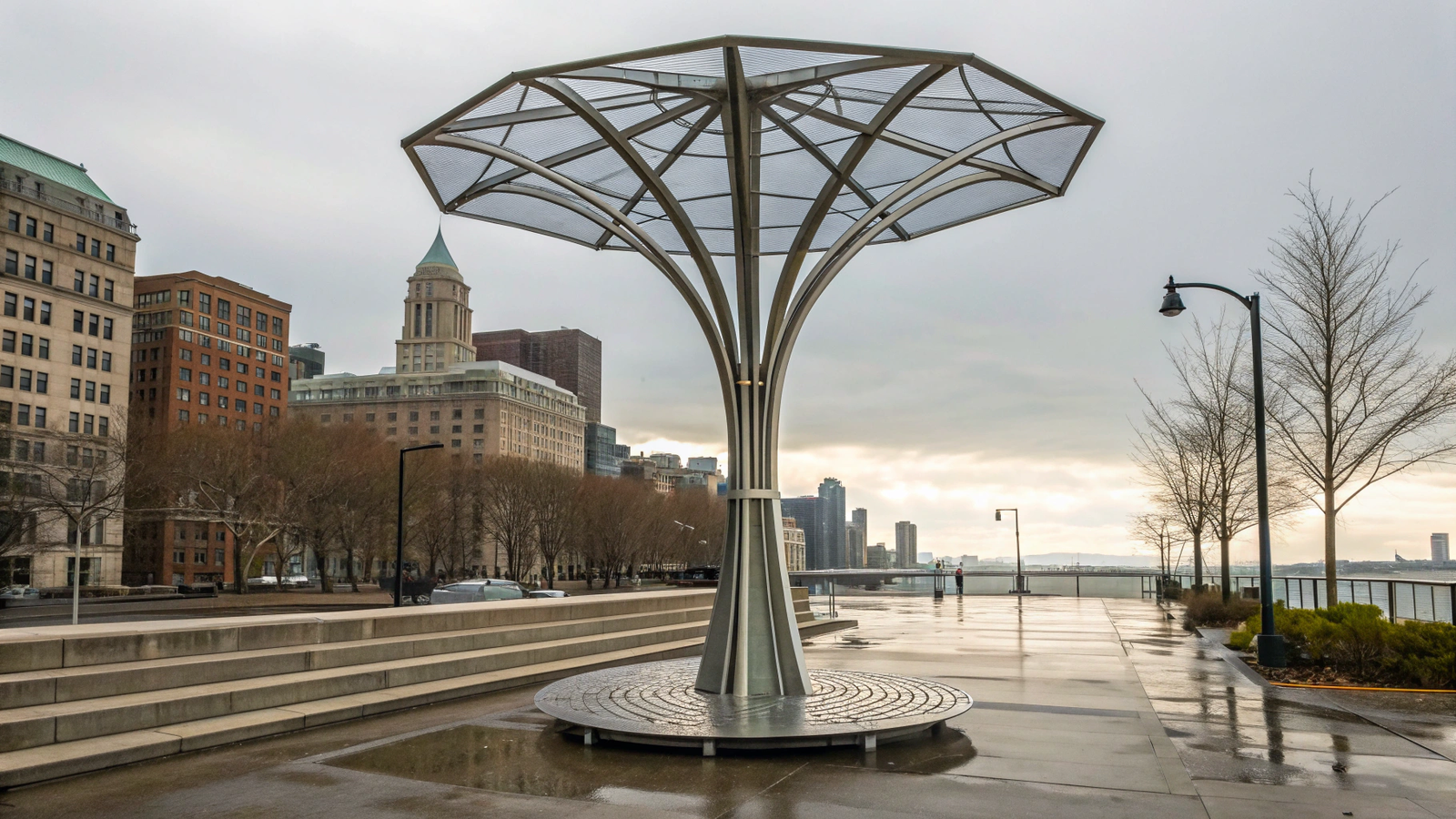
Building something to last is a point of pride for me. It’s about more than just fulfilling a contract; it’s about creating a legacy for the client and for our workshop. The key is to think about durability from the very first drawing. We consider everything: How will water drain off the surface? How will it stand up to wind? Is the finish robust enough for a high-traffic public area? By addressing these questions early, we build pieces that look just as good on their tenth anniversary as they did on day one. A well-made metal artwork should be an asset, not a liability.
The Foundation: Structural Integrity
A sculpture’s lifespan begins with its skeleton. We use software like Finite Element Analysis (FEA) to simulate stresses from wind, weight, and other potential loads. This ensures the internal frame is strong enough without being excessively heavy or expensive. All connections, whether welded or bolted, are engineered to exceed safety standards. For public art, this is non-negotiable.
The Shield: Protective Finishes
The surface finish is the artwork’s first line of defense.
- For Stainless Steel:We ensure the surface is properly passivated, a chemical process that enhances its natural corrosion resistance.
- For Painted Aluminum:We use a multi-step process, starting with a thorough cleaning and a chemical pre-treatment to ensure the powder coat or paint adheres perfectly. This prevents chipping and flaking down the line.
- For Bronze or Copper:We can apply a specialized wax or lacquer to seal the patina[^9] and protect it from environmental pollutants, or we can leave it to age naturally if that is the desired effect.
The Long Game: Maintenance and Care
The best-made pieces require the least maintenance. We provide clients with a simple care guide tailored to their specific artwork and environment. For most high-quality stainless steel[^4] or powder-coated aluminum pieces, the plan is simple: periodic cleaning with mild soap and water to remove dust and grime. This simple step is often all that’s needed to maintain the finish and prevent any long-term buildup that could harm the surface. By planning for low maintenance[^8] from the start, we ensure the artwork remains a source of beauty, not a burden.
Conclusion
Exceptional metal art merges bold vision with expert engineering. This fusion creates iconic, durable installations that define a space and deliver lasting value for any high-end project.
[^1]: Explore expert insights on transforming metal art concepts into stunning realities.
[^2]: Discover tips from professionals on achieving high artistic quality in metal sculptures.
[^3]: Learn about the importance of engineering precision in creating durable metal art.
[^4]: Find out why stainless steel is favored for its durability and aesthetic appeal.
[^5]: Explore the unique qualities of bronze that make it a sought-after material for art.
[^6]: Understand the key factors that contribute to the structural stability of metal art.
[^7]: Learn about materials that withstand the elements for outdoor metal art.
[^8]: Get tips on designing metal art that requires minimal upkeep over time.
[^9]: Explore the concept of patina and its impact on the aesthetics of metal art.
[^10]: Discover the latest techniques in precision cutting for high-quality metal art.
[^11]: Explore various surface finishing techniques that enhance the beauty of metal art.
[^12]: Learn about methods to guarantee the structural integrity of metal art installations.
[^13]: Understand how collaboration between designers and fabricators leads to successful projects.
[^14]: Explore essential factors that contribute to the success of art installations.
[^15]: Find out why marine-grade stainless steel is ideal for outdoor metal sculptures.