Introduction
Struggling to find the “best” furniture maker? The endless options are overwhelming, but the real solution is finding the one that perfectly fits your project’s specific needs.
The best furniture maker[^1] in the world isn’t a single brand. It’s the manufacturer who provides the most suitable and stable solution for your project. Their true value lies in delivering exactly what you need with consistent quality, not just in having a famous name.
I get asked this question a lot. Clients, designers, and even fellow contractors want to know who the “best” is. Everyone is looking for that one magic name that guarantees success. But after years of managing complex projects, I’ve learned that the search for a single “best” is a trap. The real question isn’t about finding the most famous brand. It’s about finding the most capable partner[^2]. Let’s break down what that really means and how you can identify the right manufacturer for your next big project.
How do you measure a top furniture manufacturer beyond brand name?
Are you drawn to big brand names, only to find they can’t handle your custom needs? It’s frustrating when a famous label doesn’t translate to flexible, real-world execution.
You measure a top manufacturer by their total control over materials[^3], structure, craft, and delivery. Their ability to understand your design and translate it into a physical product is far more important than their brand recognition. This comprehensive capability is the true mark of excellence.
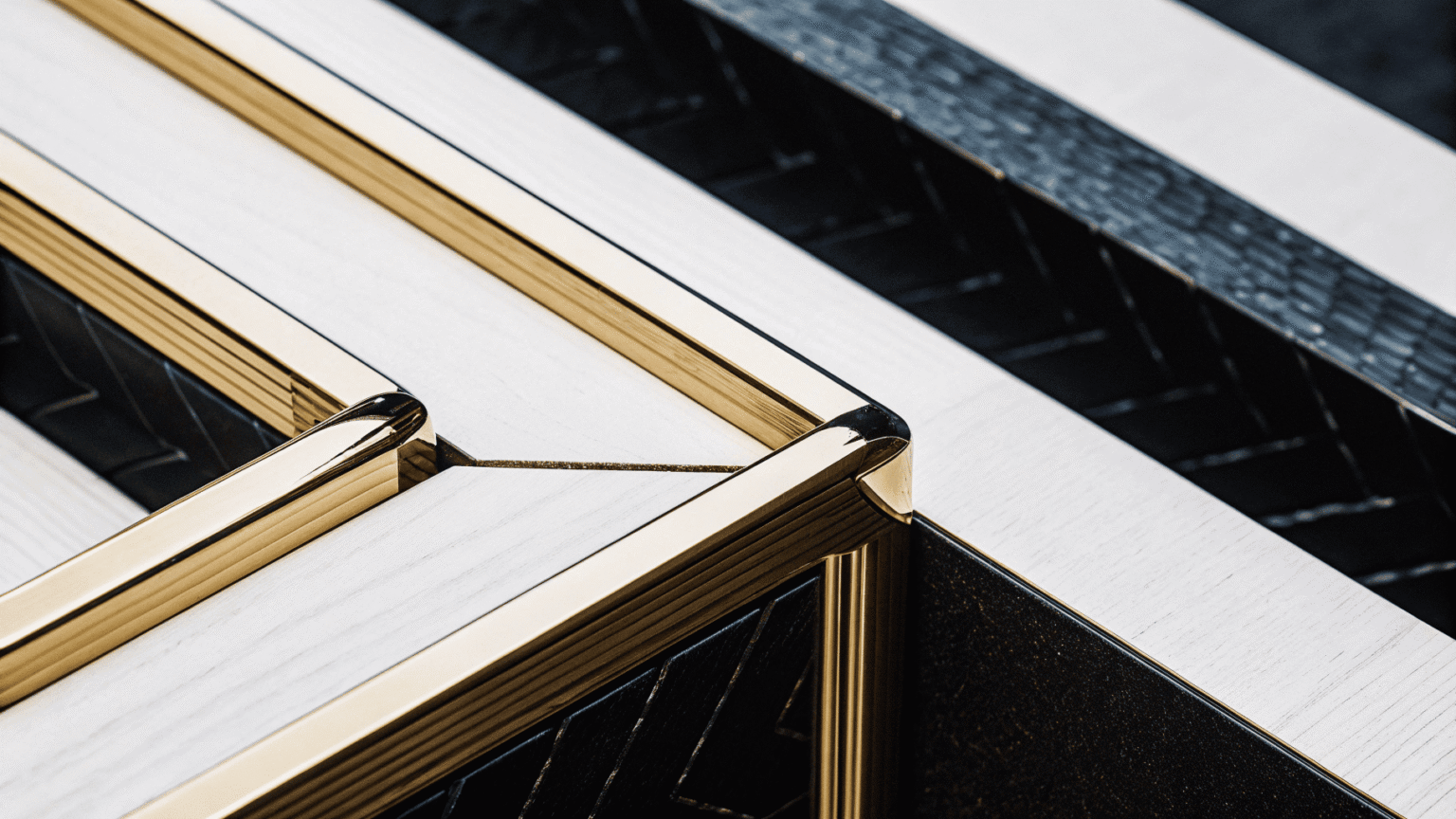
I remember a high-end residential project a few years back. We initially specified a very famous Italian brand for the casegoods. Their designs were beautiful, and their name carried a lot of weight. The problem started when we needed to make small adjustments to fit the unique dimensions of the space. Their system was rigid. They couldn’t, or wouldn’t, deviate from their standard catalog. We wasted weeks in back-and-forth communication, only to be told it wasn’t possible. We had to switch gears and find a manufacturer who focused on custom solutions[^4]. This new partner wasn’t a household name, but they had incredible control over their production. They understood our drawings, suggested better materials for durability, and engineered the pieces perfectly. The end result was flawless and delivered on time. That experience taught me to look past the marketing and focus on what truly matters: capability.
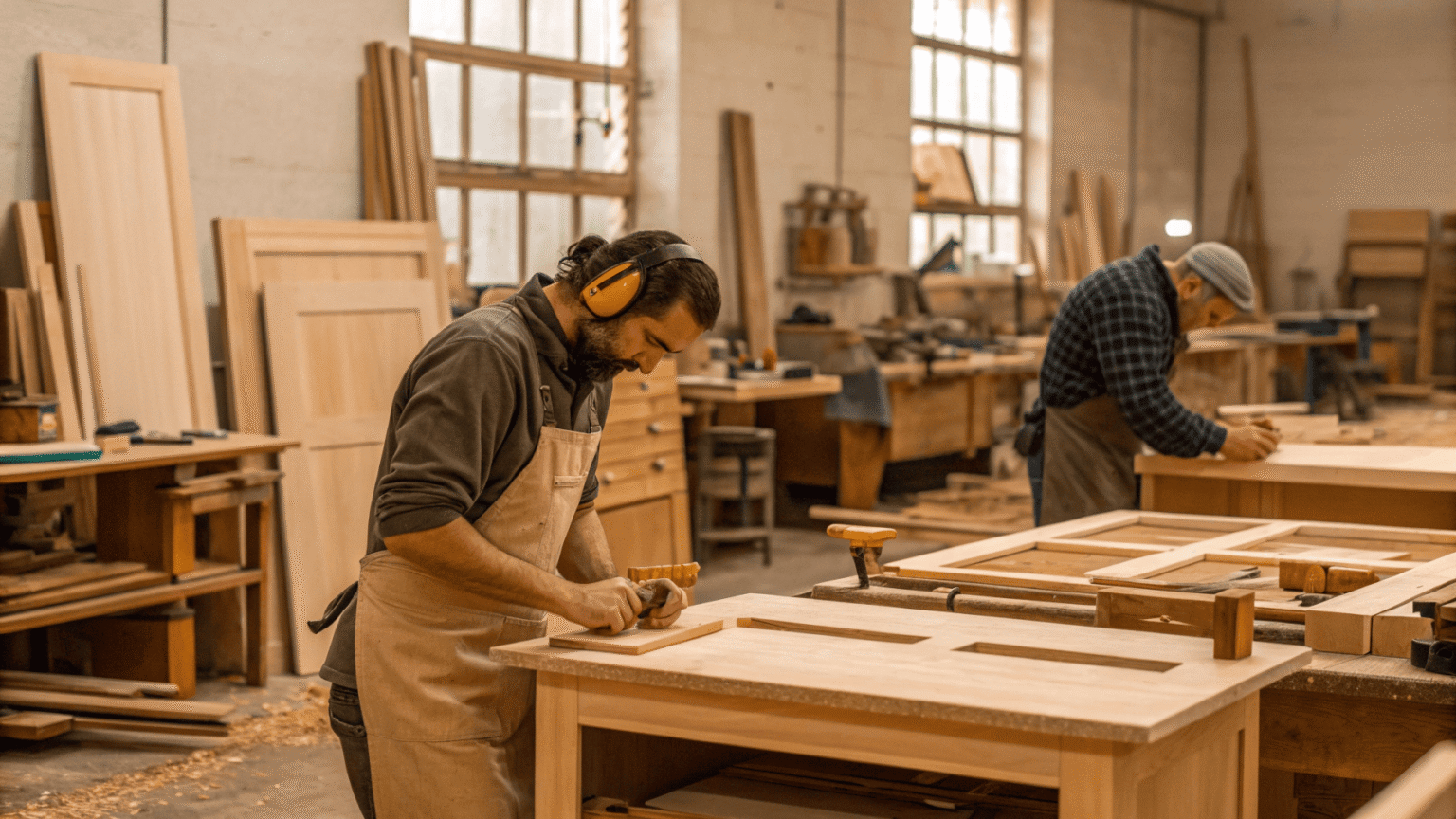
A top-tier manufacturer’s strength is not in their showroom, but in their workshop and engineering department[^5]. They have a deep understanding of how different materials behave and how to construct furniture that lasts.
Brand Fame vs. Manufacturing Capability
Aspect | Brand-Focused Maker | Capability-Focused Maker |
Primary Goal | Selling standard, high-margin products. | Delivering precise, custom solutions[^4]. |
Flexibility | Low. Limited to catalog items. | High. Built to project specifications[^6]. |
Engineering | Focused on mass production. | Focused on custom engineering[^7] & problem-solving. |
Value | In the brand name and design style. | In the quality, precision, and reliability. |
This is why at NEXTOP, we emphasize our control over the entire process. We work with a wide range of materials—wood, veneer, metal, stone, fabrics—and our engineering team ensures every piece is built not just to look good, but to perform.
Why is a one-stop solution crucial for large-scale projects?
Ever tried juggling multiple suppliers for one project? The stress of mismatched finishes, constant delays, and endless finger-pointing is a project manager[^9]‘s nightmare. A single, coordinated system[^10] is the answer.
A one-stop solution[^8] is vital for large projects because it ensures consistency, controls costs, and guarantees reliable delivery[^11]. By handling everything under one roof, you avoid the common issues that arise from coordinating multiple independent suppliers, leading to a smoother, more predictable outcome.

On a large hotel project in the Middle East, we learned this lesson the hard way. We had one supplier for casegoods, another for upholstery, and a third for architectural metalwork. The design called for a specific brushed brass finish to be used across all three elements. On paper, it sounded simple. In reality, it was a disaster. The “brushed brass” from the metalworker was a different shade and texture from the brass accents on the furniture. The casegoods supplier was delayed, which held up the upholstery team. Everyone blamed each other, and my team was stuck in the middle, trying to mediate. It cost us time and money to fix the inconsistencies.
Now, I only work with partners who offer a one-stop execution. When your entire workflow—from engineering and sampling to production and logistics—is managed by one coordinated system[^10], these problems disappear. There’s one point of contact. There’s one team responsible for quality and consistency.
Multi-Supplier Workflow vs. One-Stop Execution
Challenge | Multi-Supplier Approach | One-Stop Solution Approach |
Consistency | Finishes and materials often mismatch. | Unified production ensures perfect matching. |
Communication | Complex, with multiple points of contact. | Streamlined. One project manager, one team. |
Accountability | Suppliers blame each other for delays/errors. | Full accountability rests with one partner. |
Logistics | Coordinating multiple deliveries is complex. | A single, coordinated shipping plan. |
This is the core of our model at NEXTOP. We unified the production of both furniture and architectural metal works specifically to solve this problem. Our clients get consistent quality and smooth communication because we handle everything. It turns a chaotic process into a reliable, project-ready solution.
What makes a manufacturer the 'right fit' for your custom project?
Have you ever sent detailed drawings to a manufacturer, only to get something that completely misses the mark? It’s incredibly frustrating when they don’t grasp your design intent[^12].
The ‘right fit’ is a manufacturer with deep engineering expertise[^13] and proven international project experience[^14]. They don’t just build what’s on the drawing; they understand the vision, anticipate challenges, and have the technical skill[^15] to turn complex designs[^16] into reality with precision.
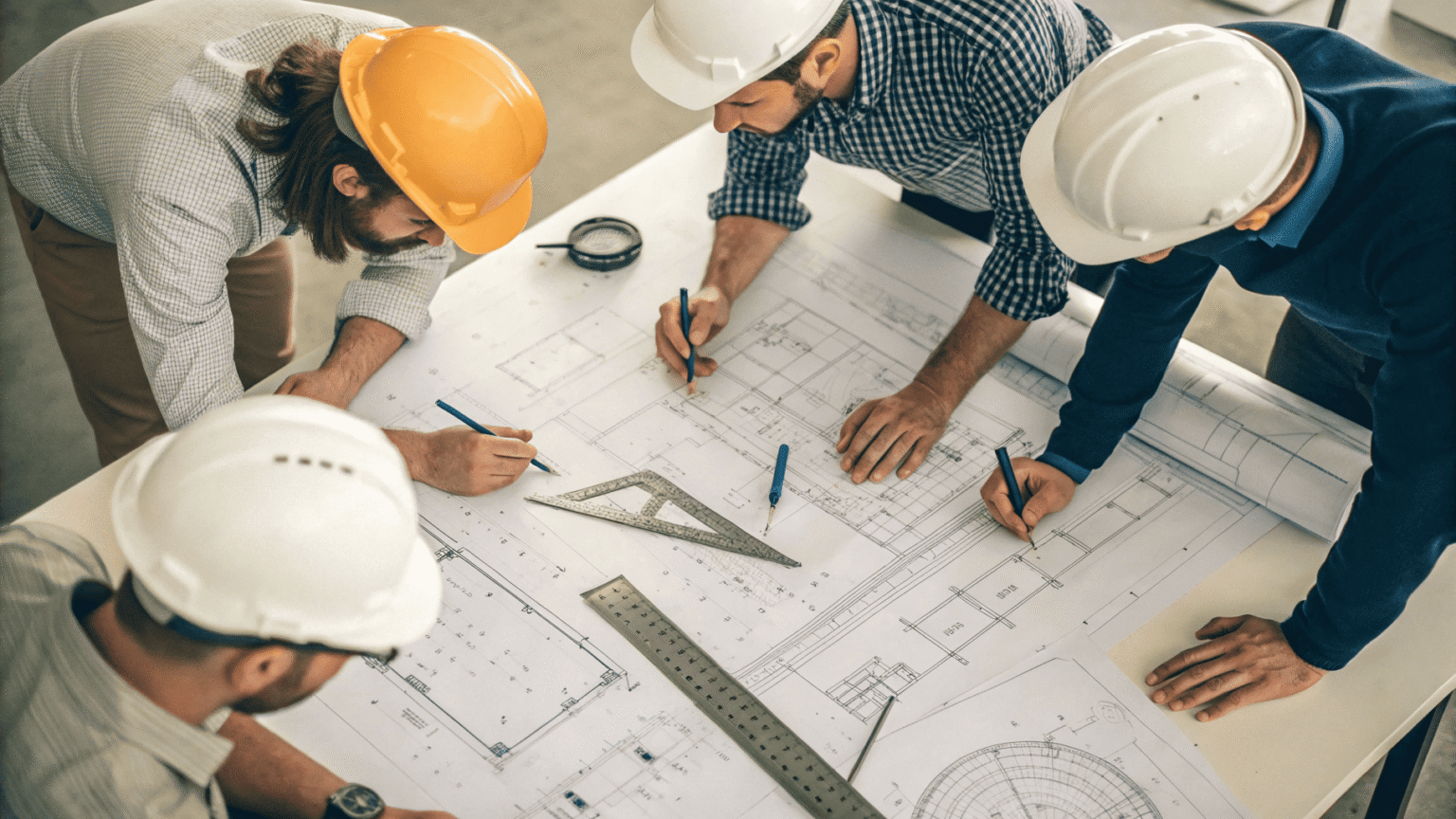
I once worked on a boutique hotel where the centerpiece was a massive, sculptural reception desk made of curved wood and integrated metal lighting. The design was stunning but technically very challenging. The first manufacturer we approached was a well-known furniture maker, but their team was primarily designers. They loved the concept but had no idea how to actually build it. They couldn’t solve the structural challenges or figure out how to seamlessly integrate the lighting. We then turned to a partner, much like NEXTOP, whose strength was in engineering. Their team broke down the design, created detailed shop drawings, and even built a small-scale model to test the joinery. They saw problems we hadn’t even considered and proposed smart solutions. They weren’t just following instructions; they were a true technical partner. The final piece was delivered and installed without a single issue, becoming the hotel’s main feature. This is the difference professional engineering makes. It’s the bridge between a beautiful idea and a dependable reality.
Key Attributes of the 'Right Fit' Manufacturer
Attribute | Why It Matters | What to Look For |
Engineering Skill | Translates complex designs into buildable plans. Solves structural and material challenges before production. | An in-house engineering team, detailed shop drawings, and a history of complex projects. |
Project Experience | Understands the demands of commercial, hospitality, or high-end residential projects. Knows the standards. | A portfolio with projects similar to yours. Experience with international clients and logistics. |
Clear Reporting | Provides transparency and builds confidence. You always know the status of your project. | A system of regular photo and video updates from the factory floor. |
Quality Control | Ensures every piece meets specification before it leaves the factory. Prevents costly on-site fixes. | A documented QC process with clear checkpoints and dedicated inspectors. |
The “right fit” turns your vision into reality with accuracy and confidence. They don’t just make furniture; they deliver solutions. That’s what we promise at NEXTOP—reliable, on-time execution backed by professional engineering and strict quality control[^17].
Ultimately, the best furniture maker[^1] isn’t the most famous one. It’s the one that becomes a seamless extension of your team, perfectly suited to your project’s unique needs.
[1]: Explore insights on what truly makes a furniture maker stand out for your specific needs.
[2]: Discover the essential traits that make a furniture manufacturer a reliable partner.
[3]: Understand how material control impacts the quality and durability of your furniture.
[4]: Learn how tailored solutions can improve the quality and fit of your furniture.
[5]: Explore how an engineering department contributes to the quality and precision of furniture.
[6]: Understand how adhering to specifications ensures the success of your project.
[7]: Explore how custom engineering can solve complex design challenges effectively.
[8]: Learn how a one-stop solution can streamline your project and reduce stress.
[9]: Learn about the critical role a project manager plays in ensuring project success.
[10]: Discover the advantages of having a single point of contact for your furniture needs.
[11]: Discover how reliable delivery can impact your project’s timeline and success.
[12]: Discover strategies for ensuring manufacturers grasp your design vision.
[13]: Understand how engineering expertise translates designs into successful builds.
[14]: Learn how international experience can enhance a manufacturer’s reliability.
[15]: Explore the importance of technical skills in turning designs into reality.
[16]: Learn about the unique challenges that come with complex furniture designs.
[17]: Find out how quality control processes prevent costly mistakes in your project.