Introduction
Metal sculpture has been an enduring form of artistic expression for thousands of years. From the earliest hammered copper figures of ancient civilizations to today’s monumental stainless steel installations, the history of metal sculpture tells a story of human innovation, cultural identity, and evolving aesthetics. In this article, we will explore the fascinating journey of metal sculpture through different historical periods, examining how techniques, materials, and meanings have transformed over time.
The Origins of Metal Sculpture in Prehistoric Times
The roots of metal sculpture can be traced back to the Bronze Age (around 3300 BCE). During this period, humans first discovered how to smelt and cast metals such as copper, tin, and later bronze. Early societies used these materials to create tools, weapons, and ritual objects, but they also experimented with sculptural forms.
- Early Bronze Figurines: Small human and animal figures cast in bronze have been discovered in Mesopotamia and the Indus Valley. These were often linked to spiritual or ritual practices.
- Symbolism: Metal was seen as a powerful material, associated with divine or supernatural qualities, which made sculptures especially significant in religious contexts.
Metal Sculpture in Ancient Civilizations
As civilizations advanced, so did the sophistication of metalworking.
- Egypt: The Egyptians crafted small bronze statues of deities, designed for temples and tombs. Gold and electrum were also used to embellish statues of pharaohs.
- Greece: Ancient Greece is renowned for its large-scale bronze sculptures, such as the lost Colossus of Rhodes. Greek sculptors perfected the art of casting hollow figures using the lost-wax process, which allowed for more realistic proportions and dynamic poses.
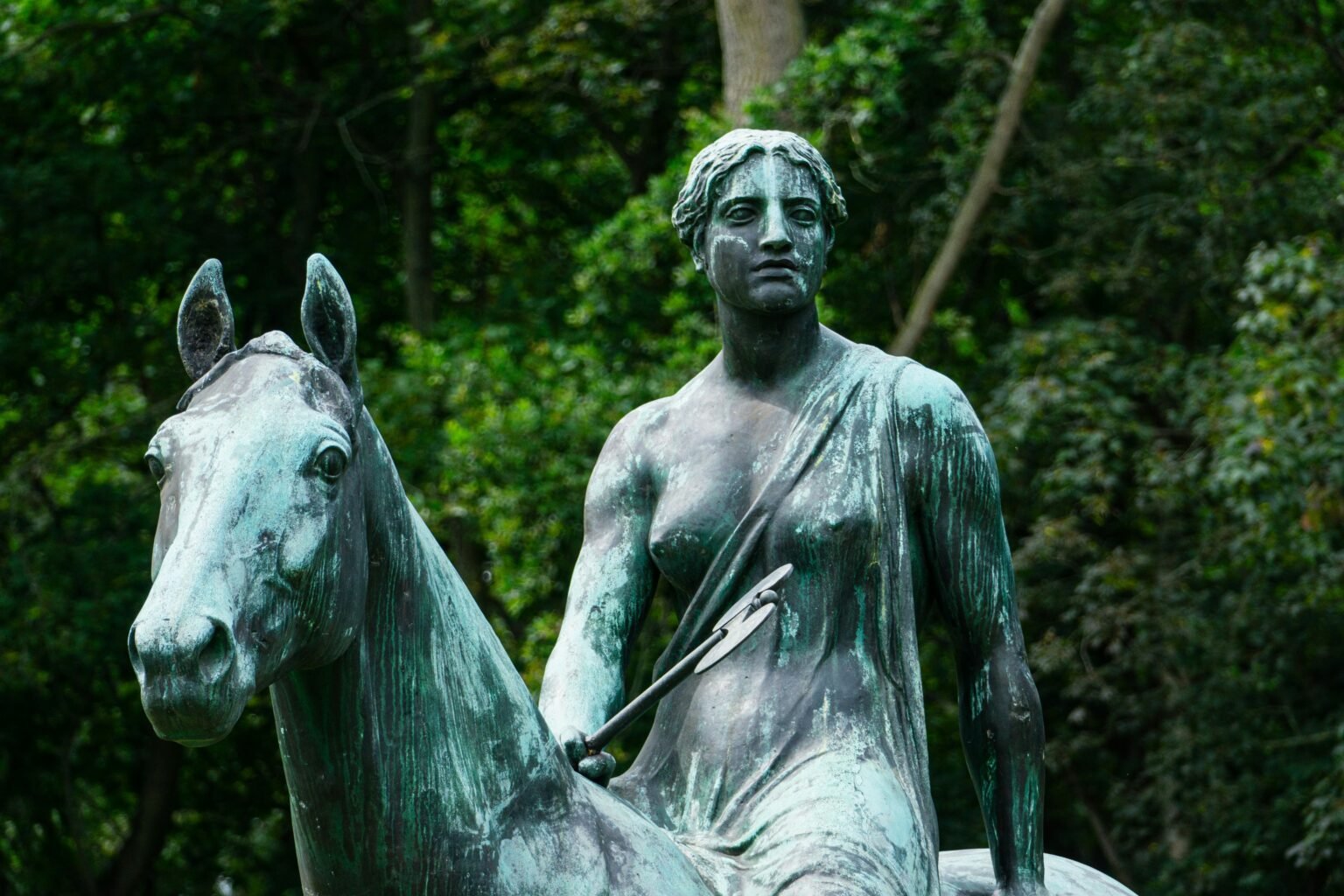
- Rome: The Romans adopted Greek techniques, producing bronze portraits, equestrian statues, and decorative metal reliefs.
These works reflected not only religious devotion but also civic pride, political authority, and cultural achievements.
Medieval Metal Sculpture: Function Meets Faith
The Middle Ages (5th–15th century) marked a shift in the role of sculpture. Metal was widely used in churches, cathedrals, and religious objects.
- Liturgical Art: Chalices, reliquaries, and altarpieces crafted in bronze, silver, and gold became central to Christian worship.
- Bronze Doors: One of the most iconic medieval applications of metal sculpture is the monumental bronze doors of cathedrals, such as those at Hildesheim (Germany).
- Celtic Metalwork: In regions like Ireland and Britain, intricate interlaced designs adorned crosses and ritual items, blending artistry with symbolism.
Renaissance and Baroque: A Golden Age of Metal Sculpture
The Renaissance revived interest in classical art, and metal sculpture reached new artistic heights.
- Donatello & Bronze Mastery: Donatello’s David (1430s), cast in bronze, was revolutionary for its naturalism and human emotion.
- Public Art: Bronze equestrian statues, such as Gattamelata in Padua, demonstrated both technical skill and political symbolism.
- Baroque Era: In the 17th century, dynamic bronze sculptures by Bernini brought drama, movement, and emotion to public spaces and churches.
This period reflected how sculpture became a symbol of power, patronage, and artistic genius.
Industrial Revolution: New Materials, New Possibilities
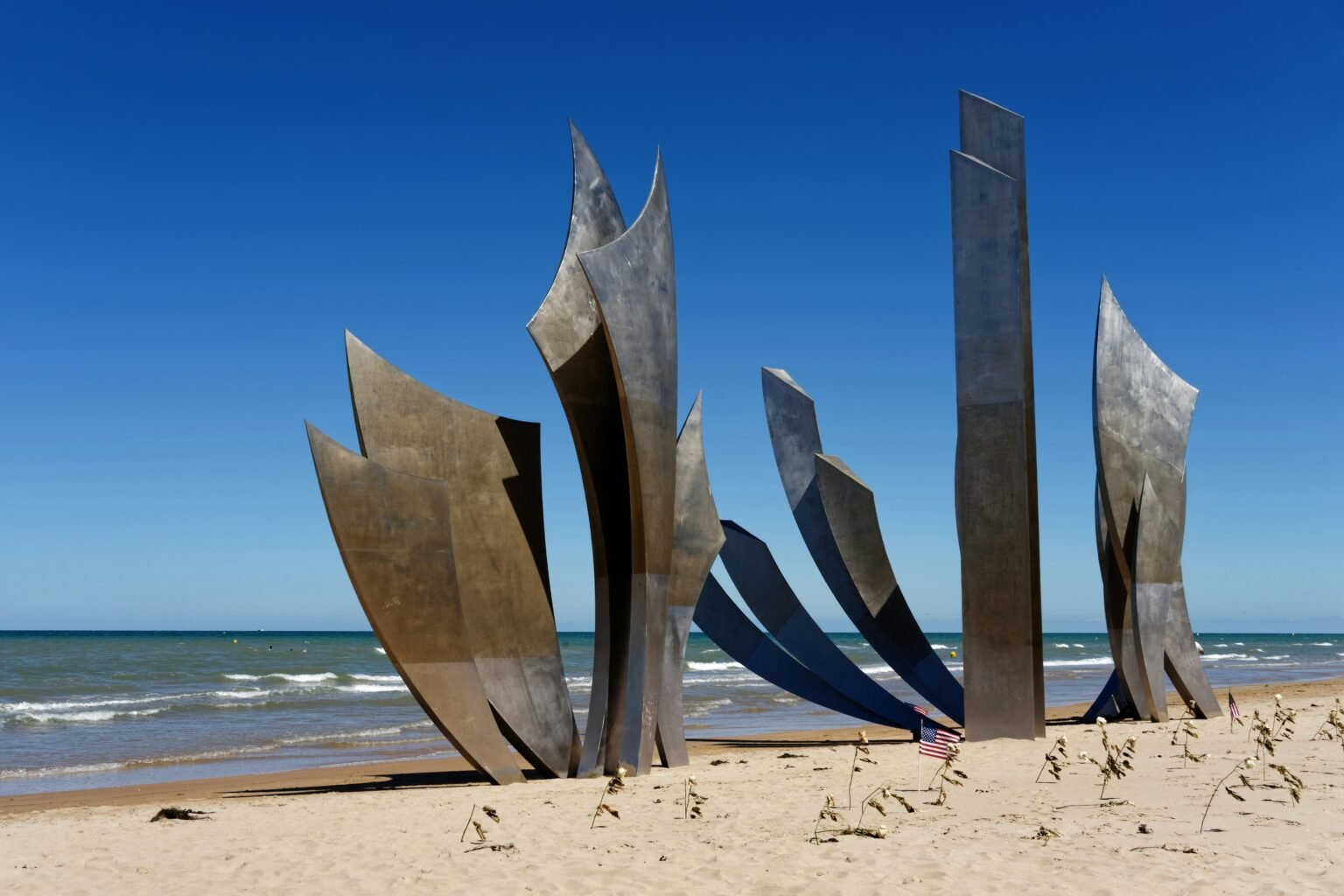
The Industrial Revolution in the 18th and 19th centuries transformed sculpture once again. The mass production of iron and steel, along with advances in casting technology, allowed for larger and more ambitious works.
- Public Monuments: Cast-iron fountains, war memorials, and bronze statues became widespread in Europe and America.
- Art Nouveau & Art Deco: Decorative metalwork flourished in architecture and design, combining function with beauty.
Modern and Contemporary Metal Sculpture
In the 20th and 21st centuries, metal sculpture embraced abstraction, experimentation, and monumental scale.
- Abstract Sculpture: Artists like Pablo Picasso and Julio González pioneered welded iron sculptures, breaking away from traditional figurative forms.
- Public Installations: Alexander Calder’s large-scale steel mobiles and Richard Serra’s monumental steel structures redefined sculpture as an interactive, environmental experience.
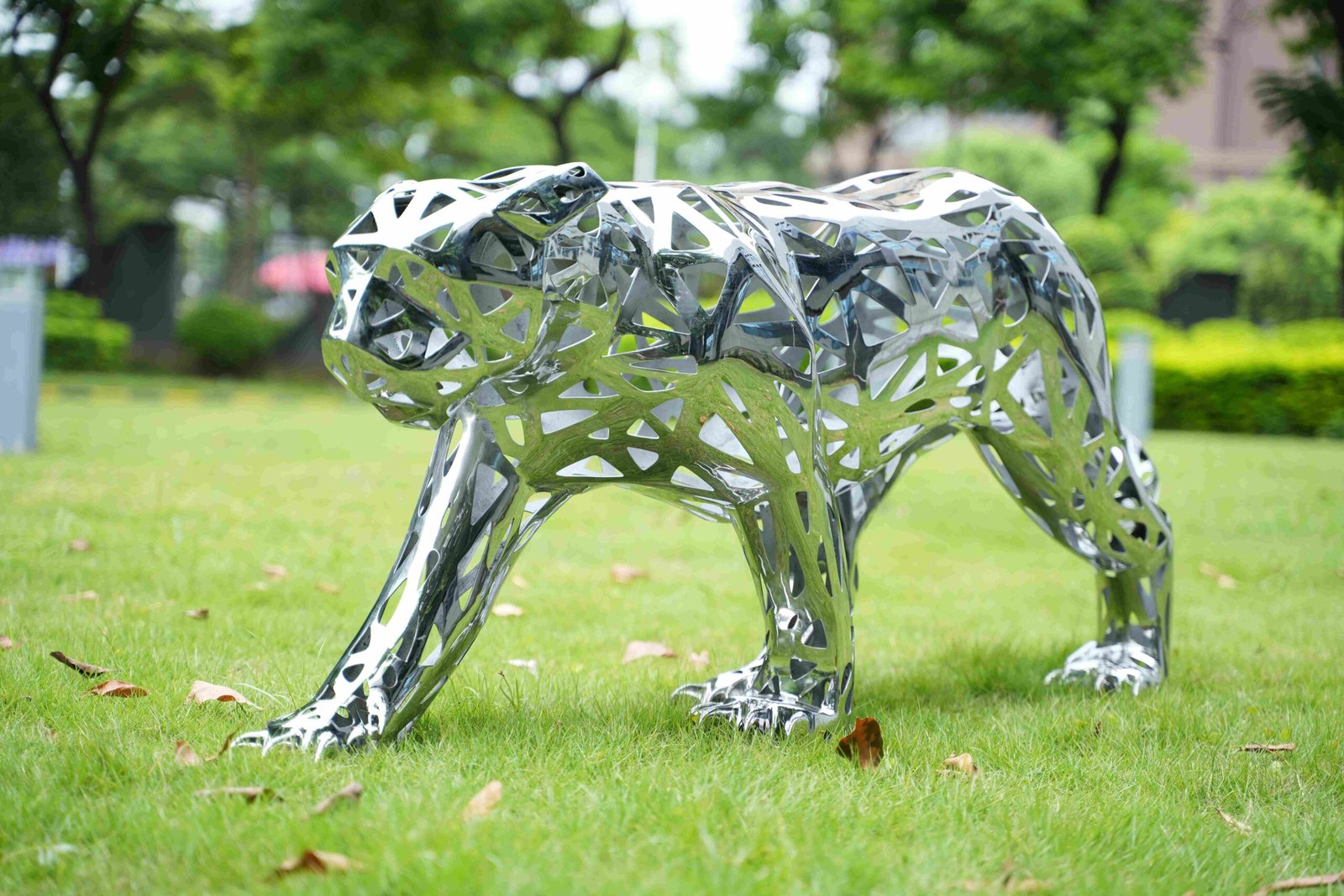
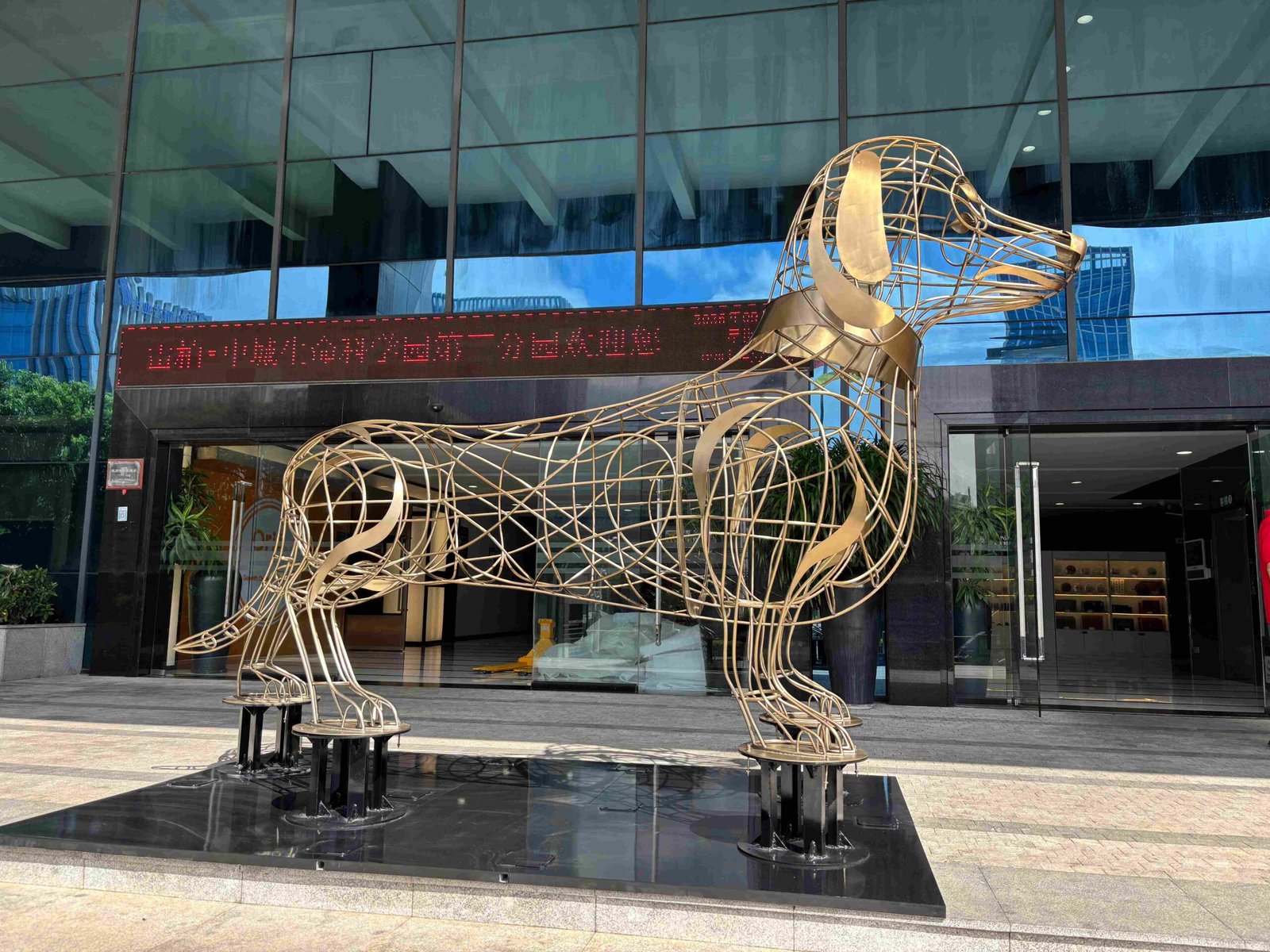
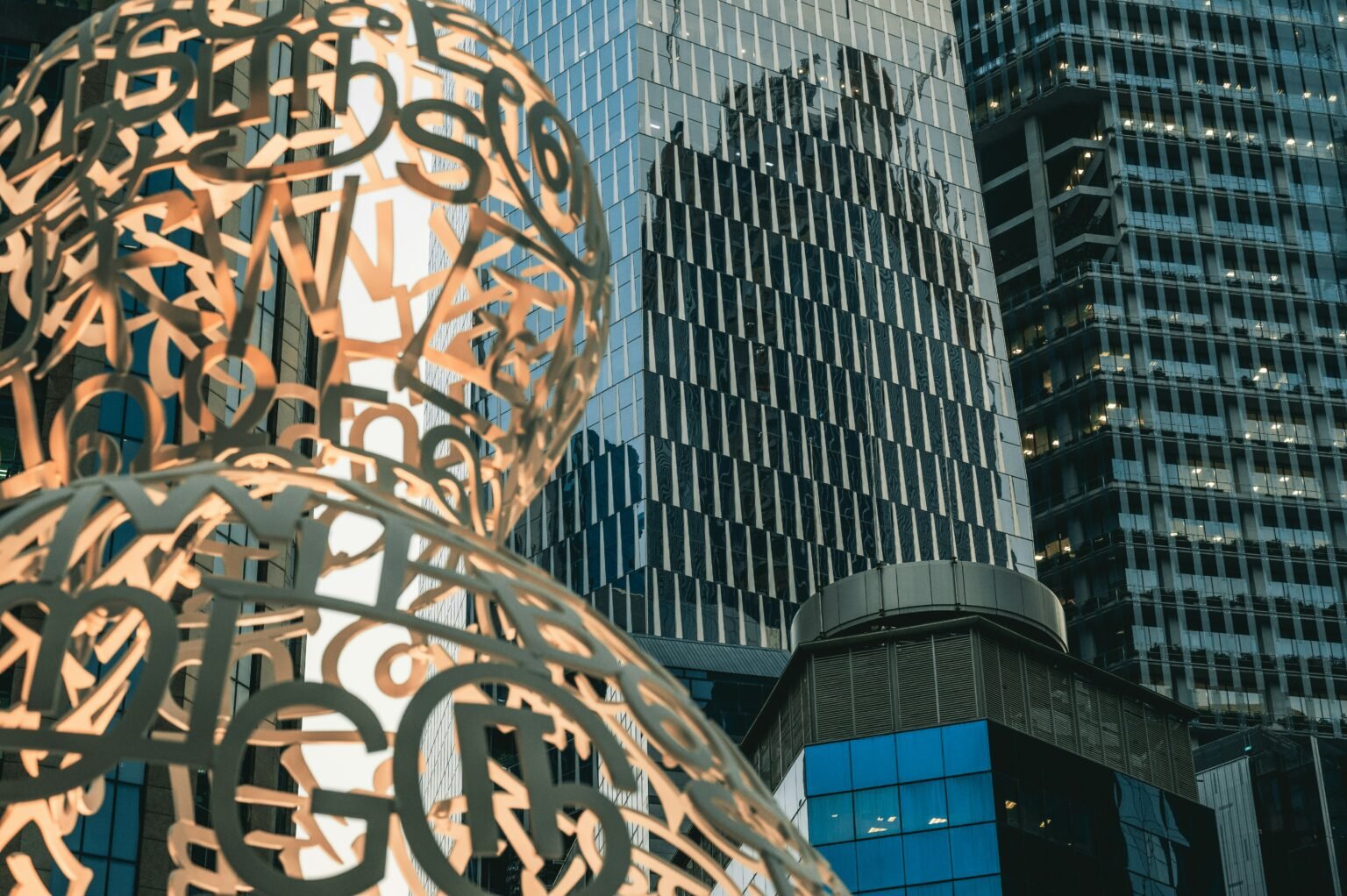
- Contemporary Innovations: Stainless steel, aluminum, and titanium allow artists to create reflective, durable, and futuristic designs. Surface finishes such as powder coating, PVD coating, and mirror polishing further enhance the impact of modern works.
The Lasting Legacy of Metal Sculpture
From the ritual bronze figures of the Bronze Age to contemporary large-scale installations, metal sculpture continues to embody human creativity and technical mastery. Its evolution reflects not only artistic trends but also the cultural, spiritual, and industrial milestones of human history.
Today, metal sculptures enrich public spaces, private collections, and architectural environments, bridging the past with the present.
Conclusion: Preserving Tradition, Embracing Innovation
The story of metal sculpture is ultimately a story of human progress. From the ritual bronzes of ancient civilizations to the breathtaking contemporary steel installations found in cities today, metal sculpture has continually adapted to reflect cultural values, technological advancements, and artistic ambition. It remains one of the most versatile and enduring art forms, bridging the past with the future.
At NEXTOP, we honor this tradition by applying the same principles of craftsmanship, durability, and innovation to our architectural metal works, surface finishes, and fit-out solutions. Whether for luxury hotels, villas, or commercial spaces, our expertise ensures every project reflects both functional excellence and timeless artistry.
👉 Ready to bring lasting artistry and precision to your next project?
Contact NEXTOP today to explore how our custom solutions can transform your vision into reality.