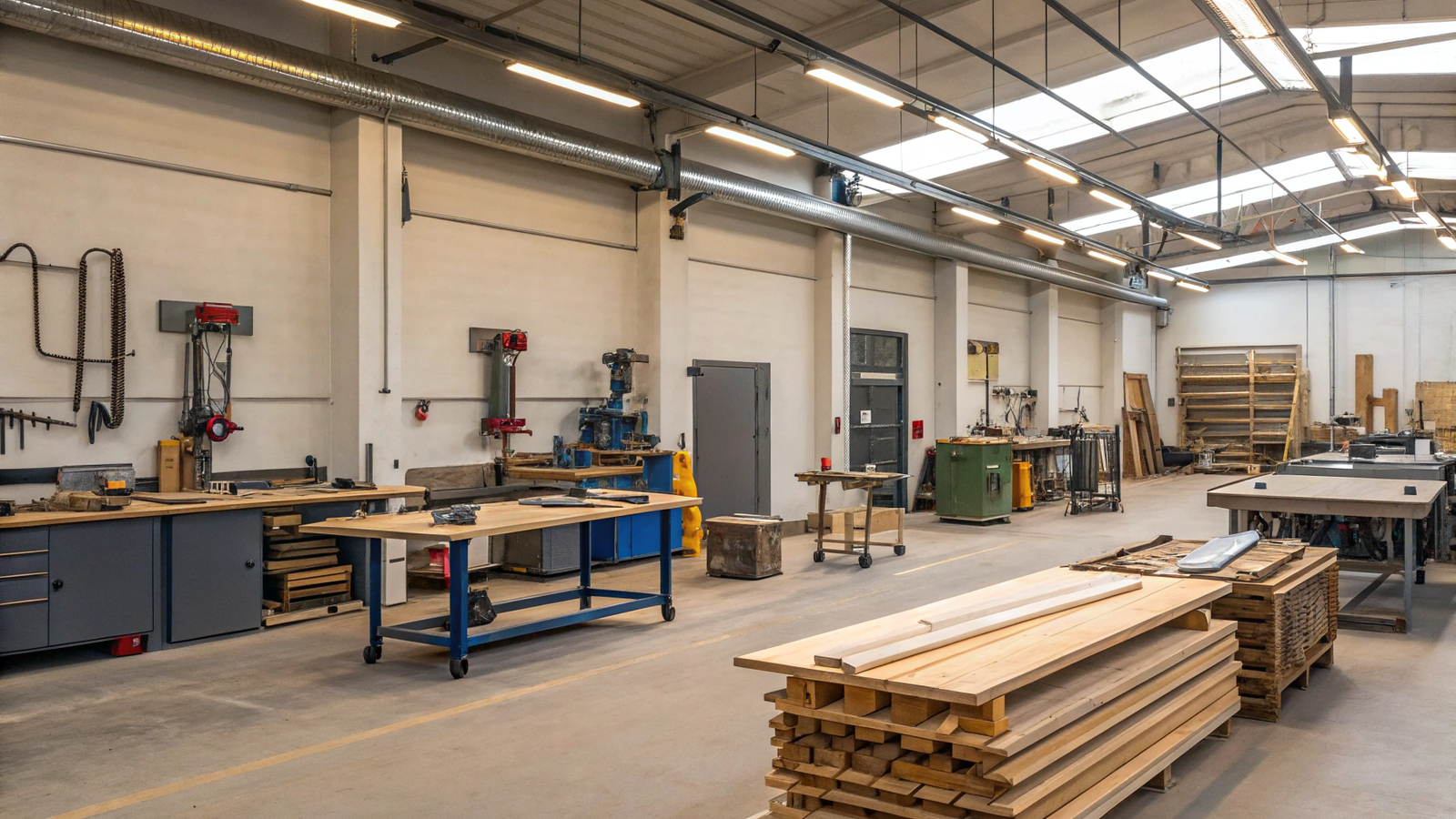
Introduction
Are you struggling to find a supplier who truly understands your vision? Frustrated with middlemen who just don’t get the details right? You need a partner, not just a vendor.
The best source for reliable custom furniture is a factory-based manufacturer with a proven production system and solid project experience. This means they handle everything from engineering to quality control in-house, ensuring your project’s success without communication gaps or delays.
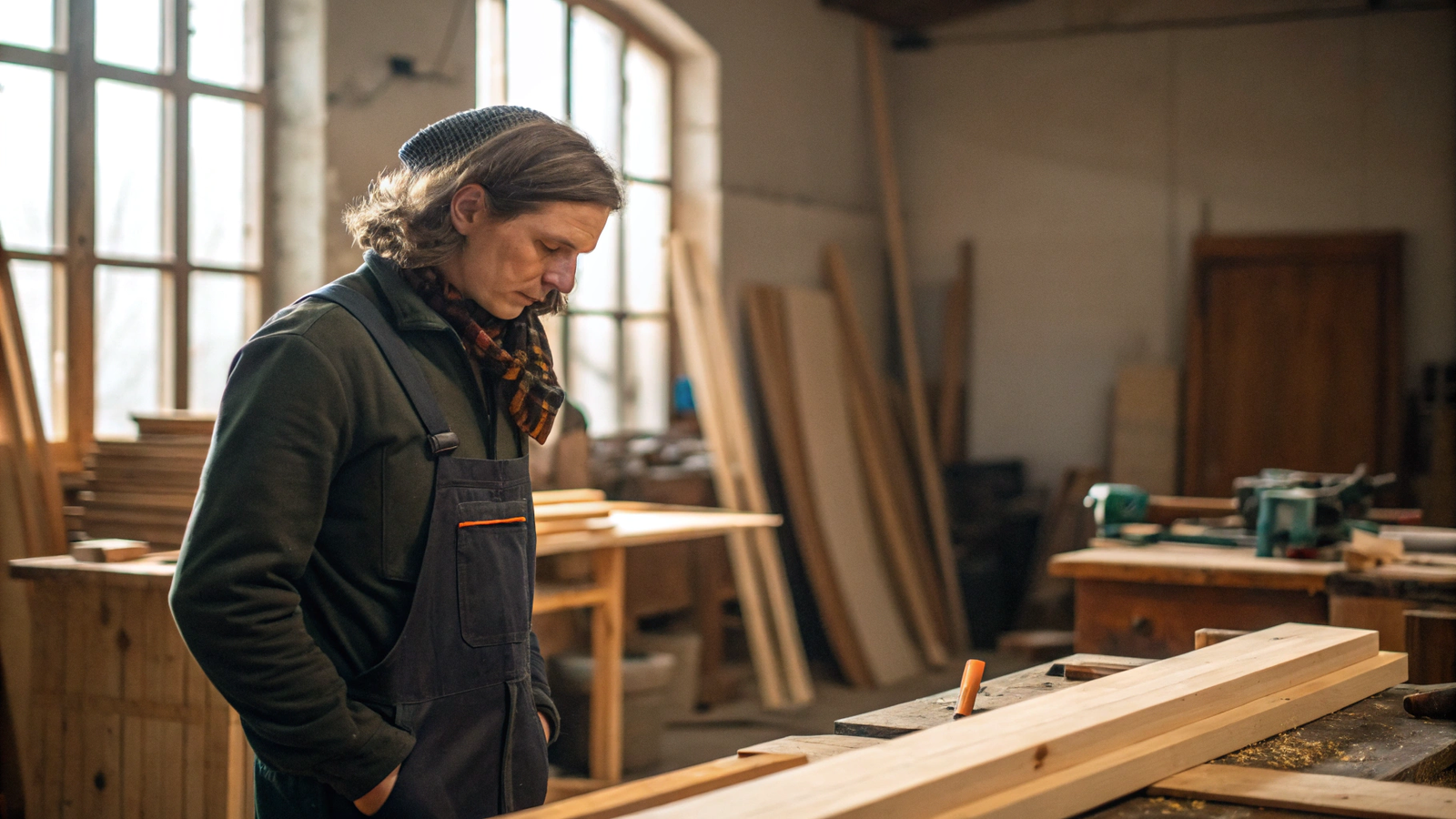
I’ve seen many clients start with a weekend project, a simple bookshelf or a small table. They come to us later for their larger, more permanent pieces. They learn that what looks like just assembling wood panels is actually a science. A piece of solid wood that hasn’t been properly treated can warp and crack over time. A joint that isn’t reinforced correctly can loosen after just a few years of use. Even a few millimeters of error in your measurements can compromise the stability and look of the entire piece. This is why for anything beyond a small, simple item, it’s often best to rely on a team with a mature manufacturing system and engineering experience. It’s about getting a piece that is not only beautiful but also safe and built to last.
Why is material selection so critical for furniture durability?
Choosing the wrong wood can doom your project from the start. A beautiful but soft wood might not withstand daily use, leading to dents and scratches. The result is a piece that quickly shows its age.
The choice of material is fundamental to a furniture piece’s longevity and appearance. Different woods have varying densities and strengths. It’s not just about looks; it’s about matching the wood’s properties to the furniture’s function to ensure it lasts for years.
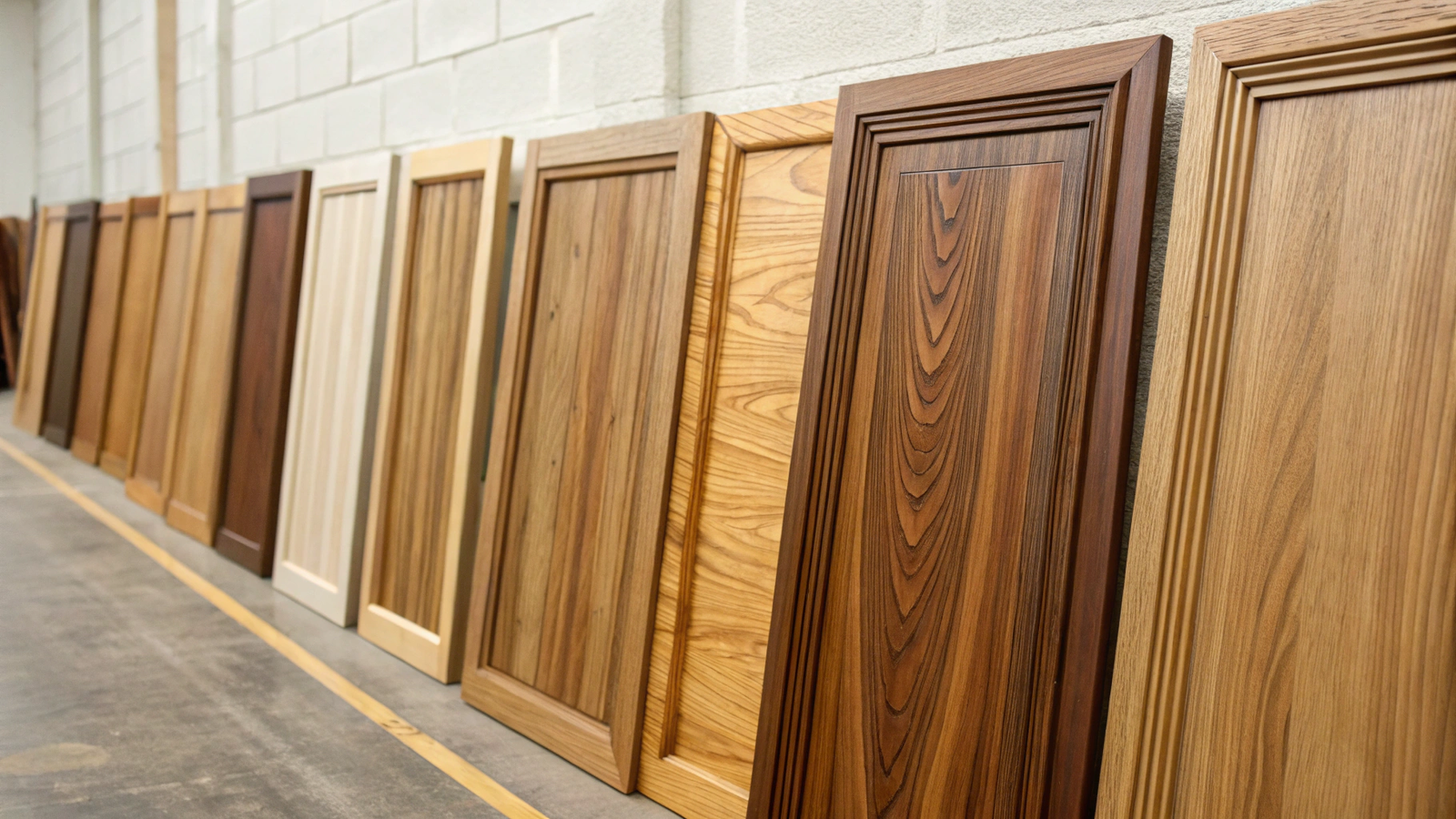
I remember a project where a designer specified a gorgeous, soft-grained wood for a hotel lobby’s reception desk. It looked stunning initially, but within months, the front edge was full of dents from luggage and daily traffic. We had to replace the top with a much harder wood. This experience taught me a valuable lesson: the beauty of the material must be balanced with its practical application. It’s a core principle we now apply to every project, whether it’s for a high-traffic commercial space or a private villa. We consider not just the wood species[^6], but its entire journey.
The Science Behind the Wood
The process begins long before any cuts are made. It starts with sourcing high-quality, legally-certified timber. Once the wood arrives at our facility, it’s not ready for production. First, it needs to be properly dried. This is arguably the most critical stage for ensuring the long-term stability of solid wood furniture. Wood that is not dried correctly is prone to warping, cracking, or failing. We use a scientific kiln-drying process, where temperature and humidity are precisely controlled over weeks to reduce the wood’s moisture content to the industry standard of 8-12%. This ensures the final piece remains stable in any climate.
Material Aspect | Why It’s Important | NEXTOP’s Approach |
Moisture Content | Improperly dried wood will warp, crack, and bow over time, ruining the furniture’s structure. | We use a scientific, data-driven kiln-drying process to slowly and evenly reduce moisture content to the 8-12% industry standard, ensuring stability in any climate. |
Wood Species | Different woods have different levels of hardness, grain patterns, and resistance to wear. Softwoods can dent easily in high-traffic areas. | Our engineers advise on the best wood species for each application, balancing aesthetic goals with the functional demands of the environment (e.g., hospitality vs. residential). |
Material Grading | Not all parts of a log are equal. Knots, cracks, and inconsistent grain can weaken the final product. | Experienced graders inspect and sort every plank upon arrival, ensuring only wood that meets the specific grade required for a project proceeds to production. |
Sustainability | Sourcing wood responsibly is a major concern for both regulators and consumers. | We are committed to using legally-certified timber, ensuring our materials are sourced responsibly and are fully compliant for export. |
How do you ensure a piece of furniture is structurally sound?
You’ve built a beautiful chair, but it wobbles. You’ve assembled a cabinet, but the doors don’t align. These common DIY frustrations often stem from a lack of understanding of structural engineering principles[^8].
A piece of furniture’s stability comes from more than just screws and glue. It relies on well-executed joinery techniques[^9] that create strong, lasting connections between parts. This ensures the piece can withstand daily use without weakening or falling apart.
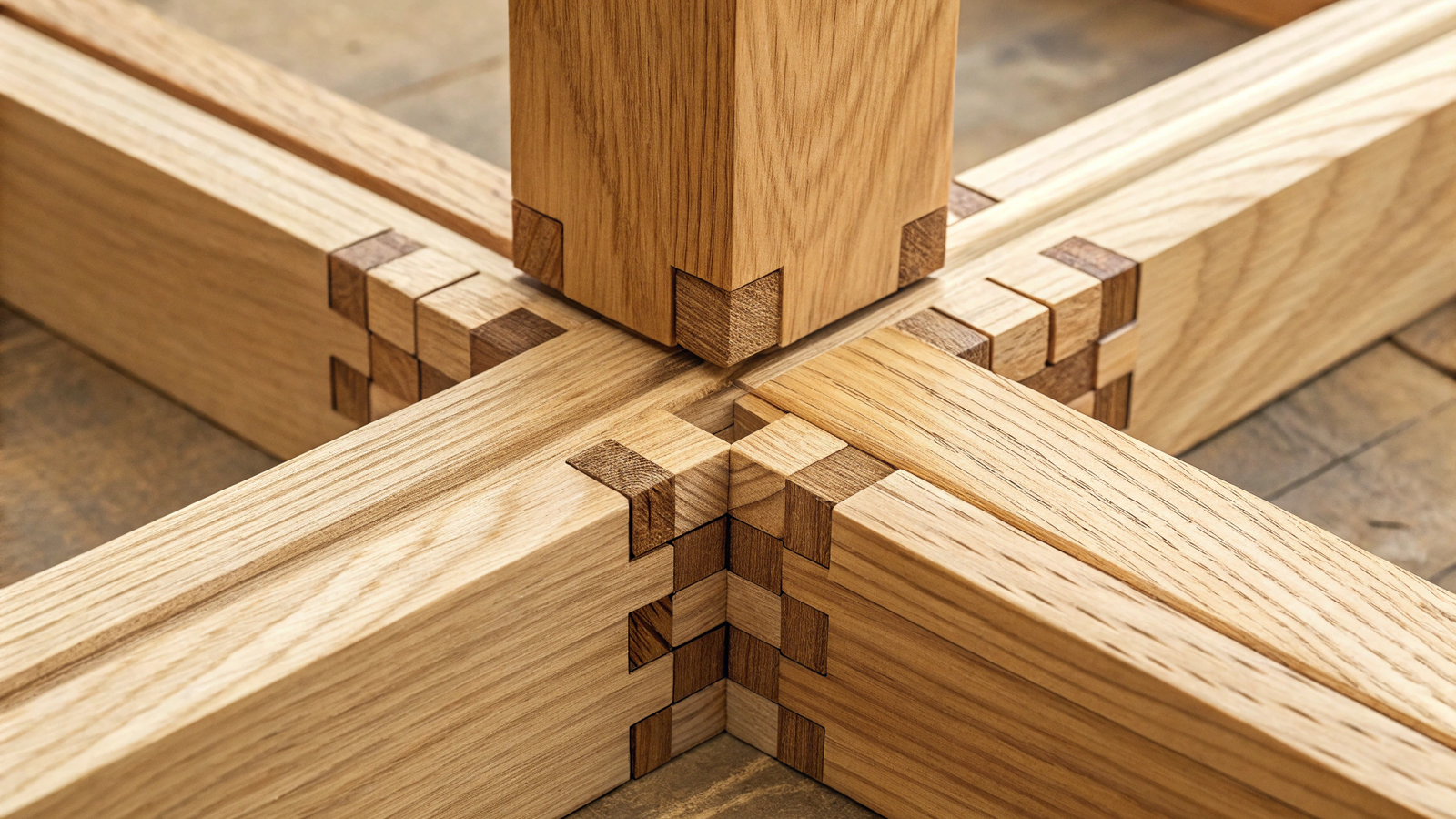
In my early days, I tried to build a dining table for my own home. I used simple butt joints and screws, thinking it would be strong enough. For a while, it was. But over time, with the constant movement of people sitting and leaning, the legs started to loosen. The whole table became wobbly and unsafe. That’s when I truly understood the importance of proper joinery. For our projects at NEXTOP, we don’t take shortcuts. We use time-tested techniques to ensure every piece we deliver is as solid and stable as it is beautiful. This is not just about craftsmanship; it’s about safety and longevity.
The Engineering of a Solid Build
The way individual pieces of wood are connected is the backbone of a furniture’s strength and longevity. Instead of relying solely on nails or screws, professional woodworking uses precision-cut joints[^10] that fit together seamlessly. This not only creates a stronger bond but also allows the wood to naturally expand and contract with changes in humidity, preventing cracks and warping.
There are many types of wood joints, each with its own specific purpose and strength.
Joint Type | Description | Common Uses |
Mortise and Tenon | A protruding “tenon” fits snugly into a “mortise” hole. It’s known for its exceptional strength. | Widely used for joining table legs, chairs, and frames at a 90-degree angle. |
Dovetail Joint | Interlocking wedge-shaped “pins” and “tails” create a very strong joint that resists being pulled apart. | Often used for drawer construction and connecting the corners of cabinets. |
Dado Joint | A groove is cut in one piece of wood where another piece fits snugly, providing great lateral strength. | Commonly used for shelves in bookcases and cabinets. |
Tongue and Groove | A “tongue” on one board fits into a “groove” on another, creating a strong, seamless surface. | Used for creating wide tabletops and paneling. |
Even with the best joinery, precision is key. A small miscalculation can throw off the entire project, leading to joints that don’t fit and an unstable final product. [19] That’s why we use the “measure twice, cut once[^14]” philosophy, combined with advanced machinery and jigs, to ensure every cut is perfectly accurate.
What does it take to achieve a flawless finish?
You’ve built a solid piece, but the final finish is blotchy and uneven. This is a common final hurdle in DIY furniture making. A poor finish can ruin an otherwise perfect project.
Achieving a professional-quality finish is a multi-step process[^16] that requires patience and attention to detail. It involves meticulous sanding and the even application of stains, varnishes, or paints in a controlled environment[^17] to protect the wood and enhance its beauty.
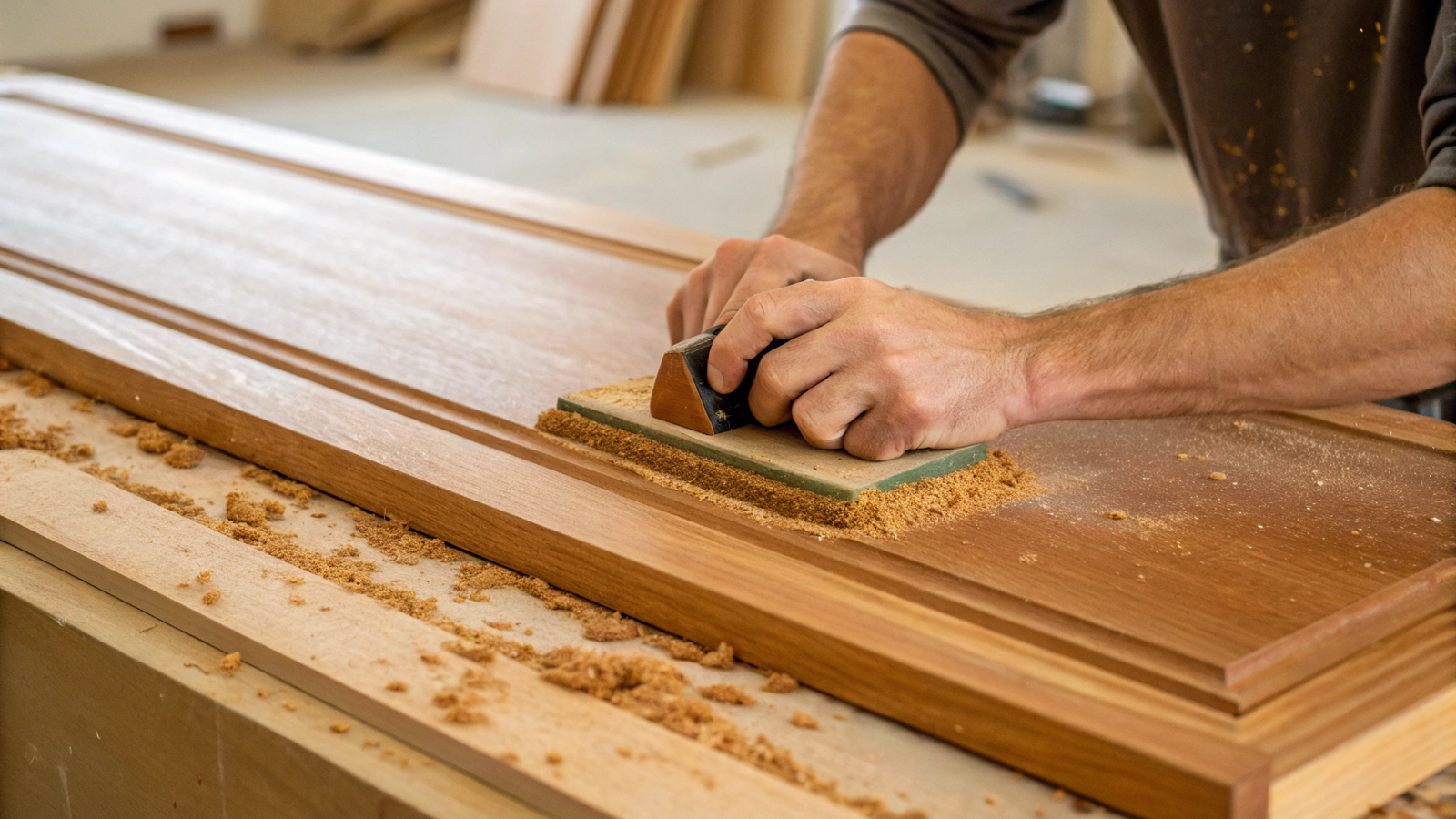
I once watched a craftsman spend an entire day just sanding a single tabletop. He started with a coarse grit sandpaper and gradually worked his way to a very fine grit. [21] To me, it looked perfect after the first hour, but he kept going. When he finally applied the stain, I understood why. The wood absorbed it perfectly evenly, and the grain popped in a way I had never seen before. It was like glass. This experience showed me that the finishing stage is not something to be rushed. It’s an art form in itself. It’s this level of dedication that we bring to every piece, ensuring the final product not only looks stunning but also has a durable, protective coating that will last.
The Art and Science of Finishing
A perfect finish starts with a perfectly prepared surface. The sanding process is a careful, multi-stage affair. It begins with coarser grit sandpaper to level the surface and remove any imperfections, then moves to progressively finer grits. This painstaking process closes the wood’s pores and creates a flawlessly smooth surface that is essential for the finish to adhere perfectly. Rushing through sanding is a common mistake that leads to an uneven finish, as the stain will absorb differently in rougher spots.
Once the piece is perfectly sanded, the finishing materials are applied. This should happen in a controlled environment[^17], like a spray booth, to avoid dust and other particles from settling on the wet surface. The process involves several steps:
- Staining (optional): If a different color is desired, a stain is applied to the wood.
- Sealing: A sealer is applied to close the wood’s pores and provide a stable base for the topcoat.
- Topcoat Application:Several coats of a protective finish[^18], like varnish or lacquer, are applied. Each coat needs to dry completely before the next is added.
- Final Buffing: After the final coat is cured, the surface is often buffed to achieve the desired sheen and smoothness.
This detailed process not only enhances the furniture’s appearance but also protects it from moisture, wear, and tear, ensuring it looks great for years to come. [11]
Conclusion
Building your own furniture can be a rewarding hobby, but creating durable, high-quality pieces requires significant expertise. For projects that demand longevity and safety, a professional team[^19] is the best choice.
[^1]: Explore this link to learn the essential techniques and considerations for creating furniture that lasts and remains stable over time.
[^2]: Understanding wood moisture control is crucial for preventing warping and cracking, ensuring your furniture remains stable and durable.
[^3]: Learn how to calculate structural loads to ensure your furniture can withstand daily use without compromising its integrity.
[^4]: Discover the most effective joinery techniques to create strong, lasting connections in your furniture projects.
[^5]: Professional manufacturing ensures your furniture is built with precision, safety, and quality, making it a wise choice for long-term use.
[^6]: Explore how the choice of wood species impacts the strength, appearance, and longevity of your furniture.
[^7]: Discover the importance of using responsibly sourced wood and its impact on the environment and furniture quality.
[^8]: Understanding these principles is key to building furniture that is stable, safe, and long-lasting.
[^9]: Explore the techniques that ensure strong, durable connections between furniture parts, enhancing stability and longevity.
[^10]: Learn how precision-cut joints contribute to the strength and durability of furniture, preventing issues like warping and cracking.
[^11]: Discover the strength and applications of the Mortise and Tenon joint, a staple in quality furniture construction.
[^12]: Explore the Dovetail Joint, known for its strength and aesthetic appeal, commonly used in drawers and cabinets.
[^13]: Learn about the Tongue and Groove joint, ideal for creating seamless surfaces in tabletops and paneling.
[^14]: This philosophy ensures precision and accuracy in cuts, preventing costly mistakes and ensuring a stable final product.
[^15]: Explore the steps to achieve a professional-quality finish that enhances the beauty and durability of your furniture.
[^16]: Learn about the detailed process that ensures a smooth, even finish, protecting and beautifying your furniture.
[^17]: A controlled environment prevents dust and particles from ruining the finish, ensuring a perfect final product.
[^18]: Discover how a protective finish shields your furniture from moisture and wear, preserving its appearance and longevity.
[^19]: A professional team brings expertise and precision, ensuring your furniture is safe, durable, and beautifully crafted.