Introduction
Struggling to find a dining table that fits your space and style? It’s frustrating when off-the-shelf options force you to compromise. A custom table solves this by matching your exact needs.
Yes, a custom-made dining table[1] is worth it if you value a perfect fit, personalized style, and long-term durability. It allows you to control the size, materials, and design, creating a unique piece that standard furniture stores simply cannot offer, ensuring it serves your lifestyle perfectly.
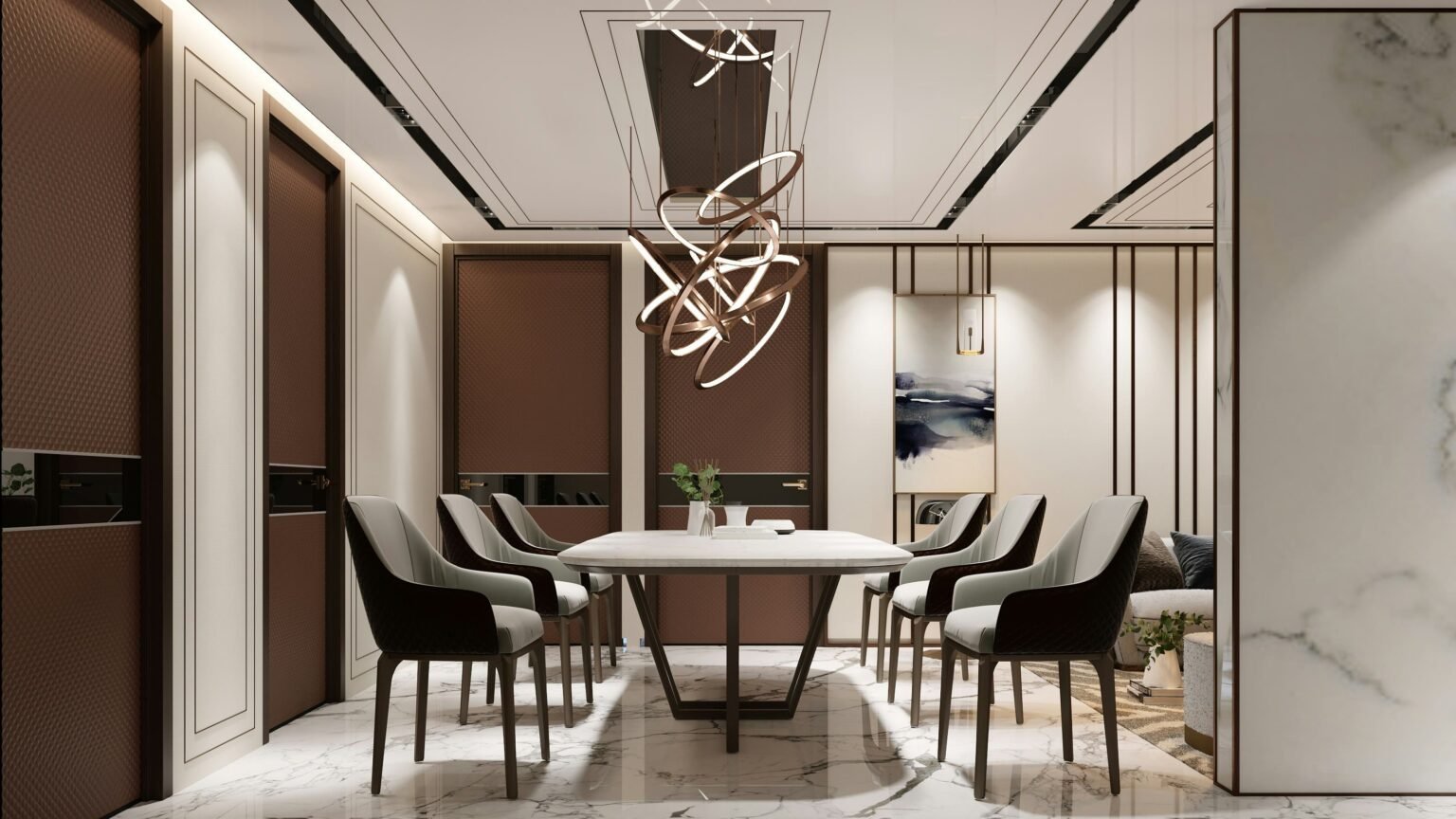
A dining table is more than just a place to eat. It’s the center of family gatherings, project discussions, and daily life. Choosing the right one is a big decision. While ready-made tables offer convenience, they often involve a trade-off in size, quality, or style. This is where custom furniture shines. It’s about creating a piece that doesn’t just fit into your room, but fits into your life. Let’s explore what that really means and how it can make a difference in your project or home.
How Does Custom Sizing Improve Your Space and Daily Flow?
Have you ever squeezed past a dining chair, knocking your hip on the table? The wrong size table creates daily frustration. A custom solution ensures your dining area is comfortable and functional.
Custom sizing improves your space by creating a table with perfect proportions for your room, family size, and lifestyle. This optimizes traffic flow, ensures comfortable seating for everyone, and makes the entire area feel more intentional, balanced, and easy to use every single day.
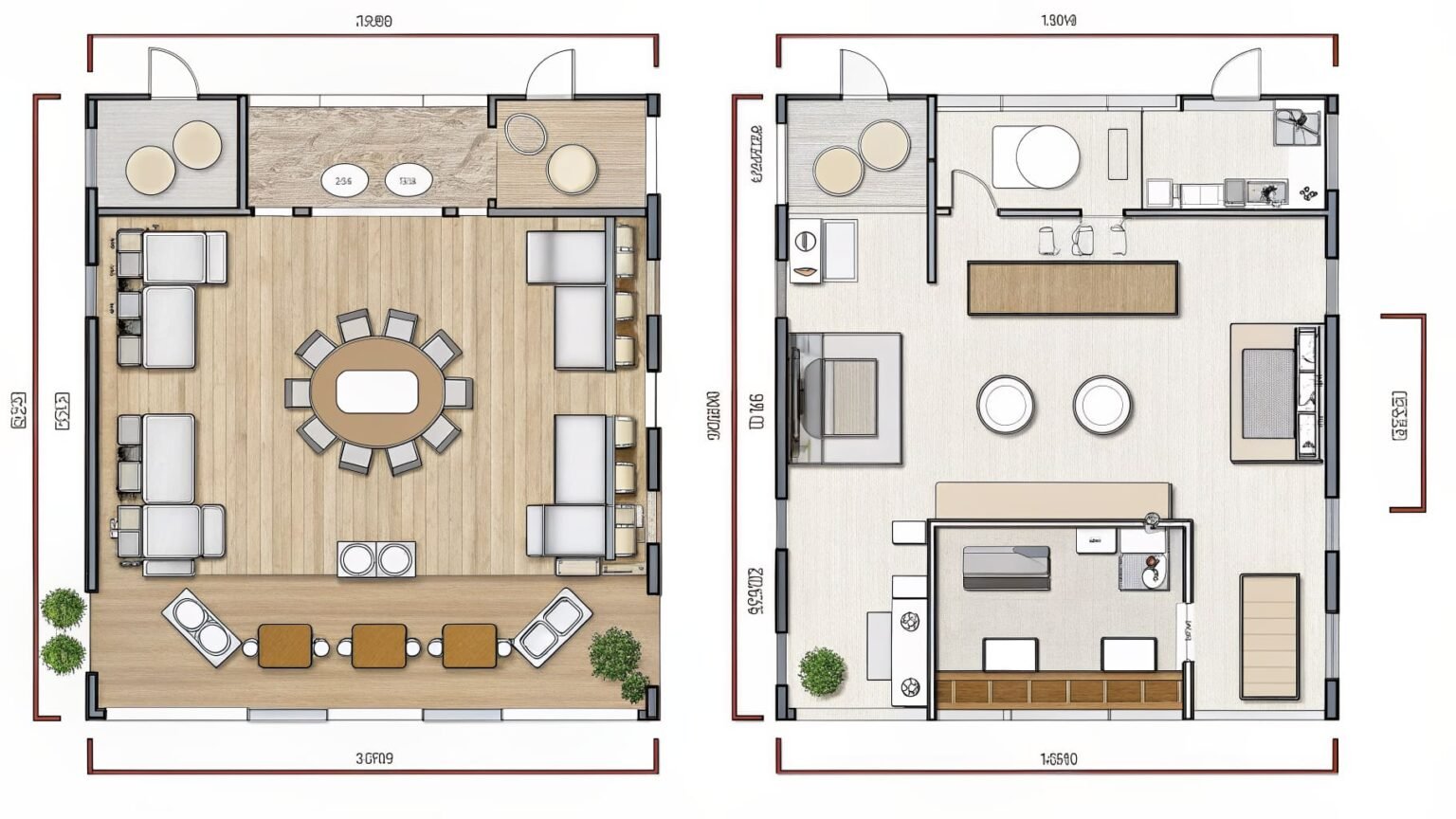
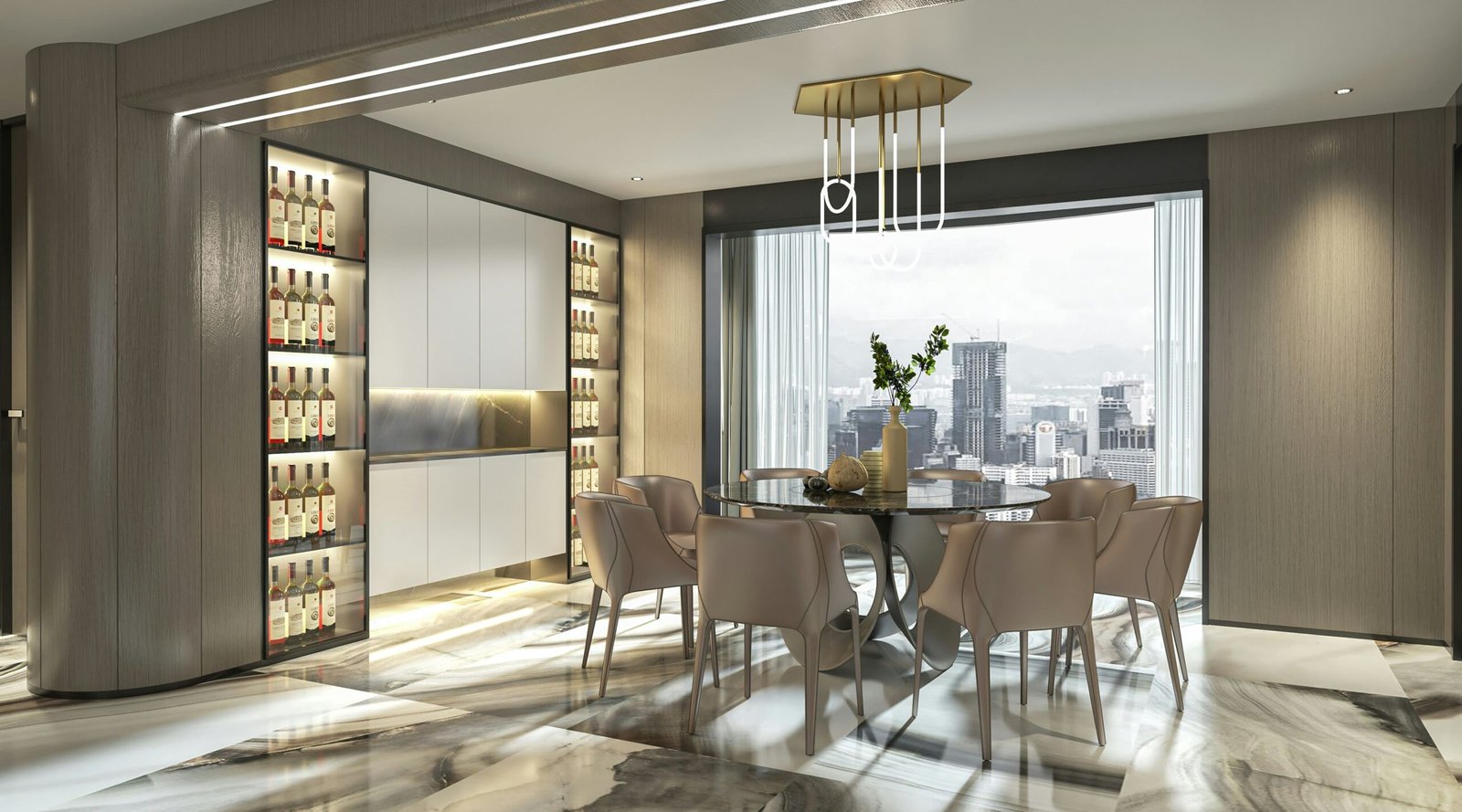
When I talk to clients, we don’t just measure the room. We talk about how they live. A table’s size isn’t just about length and width; it’s about creating an experience. We consider the number of people you host regularly versus daily, ensuring there’s enough elbow room for everyone. We also plan for movement. You need clear pathways around the table so people can get up and walk around without asking others to shift their chairs. This is often overlooked with standard tables, leading to a cramped and awkward space. A custom table is engineered for your life, not just for a generic showroom.
Measuring for Your Lifestyle
The first step is always a detailed assessment. We need to think beyond just the table. How big are your dining chairs? Will they have arms? You need to be able to push them in fully. We also account for “pull-back” space—the room needed to comfortably pull a chair out and sit down. These small details make a huge impact on daily comfort.
Optimizing Seating and Flow
The goal is to balance seating capacity[2] with open space. A table that’s too large can dominate a room and block pathways, while a table that’s too small can feel temporary and fail to serve your needs. We use established ergonomic standards to ensure the final product is a perfect fit.
Clearance Guideline | Recommended Space | Why It Matters |
Walkway Behind Chairs | 36-44 inches (91-112 cm) | Allows people to walk behind seated guests easily. |
Chair Pull-Back Space | 30 inches (76 cm) minimum | Space to pull out a chair and sit down comfortably. |
Space Per Person | 24-30 inches (61-76 cm) | Provides adequate elbow room for each diner. |
Table to Wall | 48 inches (122 cm) minimum | Ensures a major traffic path remains clear. |
This level of planning ensures your dining table supports your life, rather than complicating it.
Can You Truly Personalize Every Single Detail?
You found a table with the right top, but you hate the legs. Or you love the design, but it doesn’t come in the right color. This compromise is common with mass-produced furniture.
Yes, with a custom process, you can personalize every detail[3]. From the exact species and grain of the wood to the shape of the tabletop, the style of the legs, and the specific finish, you have complete creative control to build a table that is truly one-of-a-kind.
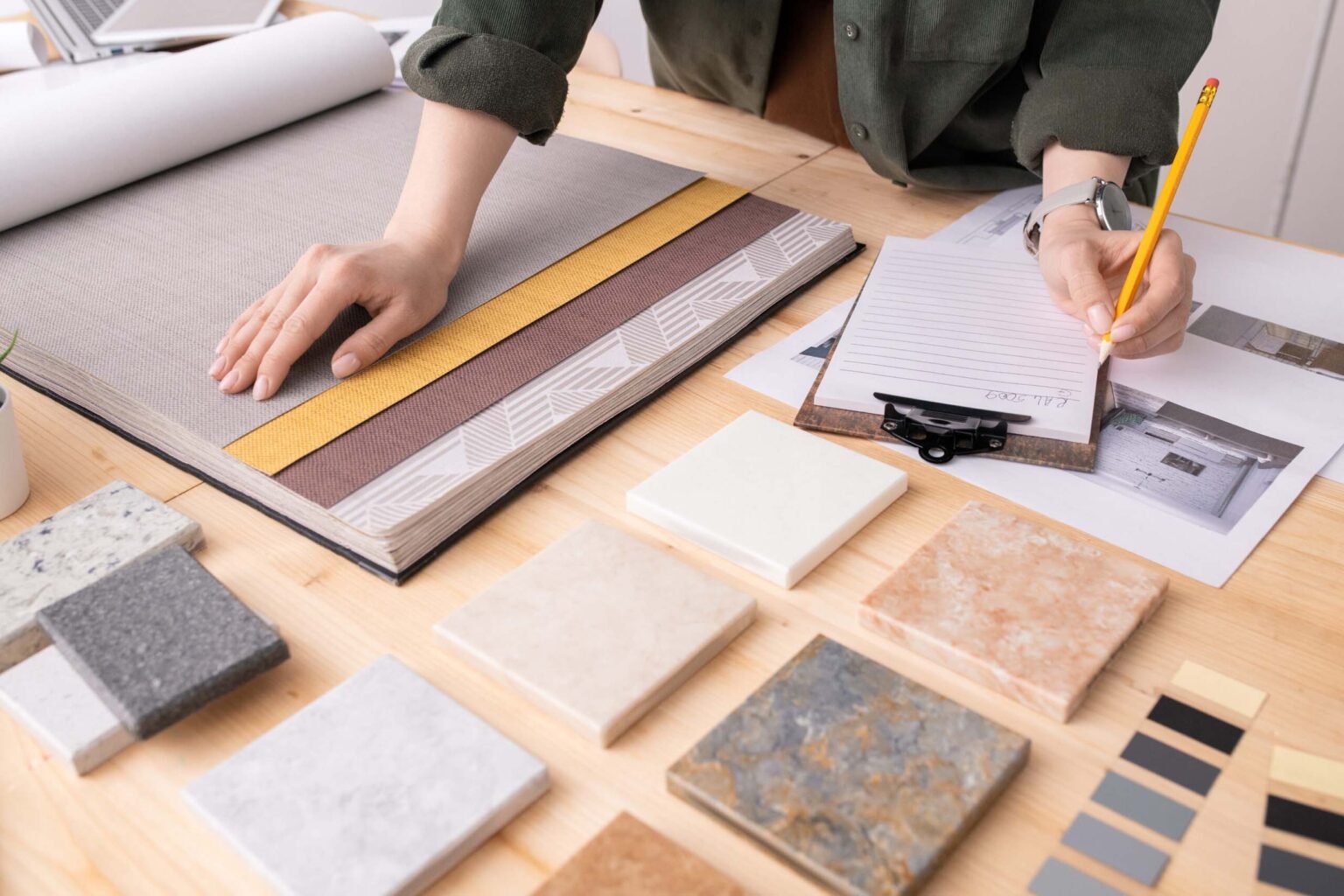
Personalization is where custom furniture truly outshines retail. It’s not just about picking from a few options; it’s about starting with a blank slate. I’ve worked on projects where we’ve matched the table’s wood grain to the room’s architectural millwork. We’ve designed metal bases that echo other fixtures in the space. This is how you create a cohesive, high-end look. You’re not just buying a table; you’re commissioning a piece of functional art that tells your story. This is impossible to achieve when you’re limited to what’s in a catalog. The ability to specify every element means the final piece will be a perfect reflection of your vision and a seamless part of your design.
Choosing the Right Tabletop
The tabletop is the main event. It sets the tone for the entire piece. Your choice of material affects not just the look but also the durability and maintenance. For a hospitality project, we might recommend a quartz or a commercial-grade laminate for its durability. For a private villa, a beautiful solid wood slab might be the perfect centerpiece.
Material | Pros | Cons | Best For |
Solid Wood | Beautiful, unique grain, can be refinished | Can scratch, sensitive to humidity | Homes, private dining rooms |
Stone | Very durable, heat resistant, elegant | Heavy, can be porous and stain if unsealed | Luxury hotels, high-end residential projects |
Metal | Modern look, extremely durable | Can show fingerprints, may feel cold | Commercial spaces, industrial-style designs |
Veneer | Stable, cost-effective, consistent look | Cannot be deeply refinished if damaged | Contract furniture, large-scale projects |
Designing the Foundation: Legs and Base
The base does more than hold the table up; it defines the style and impacts seating. Four legs at the corners are classic but can limit how many chairs you can fit. A pedestal base[4] opens up legroom, allowing you to squeeze in an extra guest. A trestle base[5] offers great stability for long tables and adds a strong design element. We can engineer a base from wood, steel, or a combination of materials to achieve the exact look and function you need.
Is a Custom Table Actually Built to Last Longer?
You’ve seen it before: a beautiful table that starts to wobble after a year. Or a finish that scratches and stains almost immediately. Mass-market furniture often prioritizes looks over longevity.
Absolutely. A professionally custom-made table is built to a higher standard. It uses superior joinery techniques, structural reinforcements, and commercial-grade finishes[6] to ensure it remains stable, durable, and beautiful for years, far surpassing the lifespan of most mass-produced furniture.
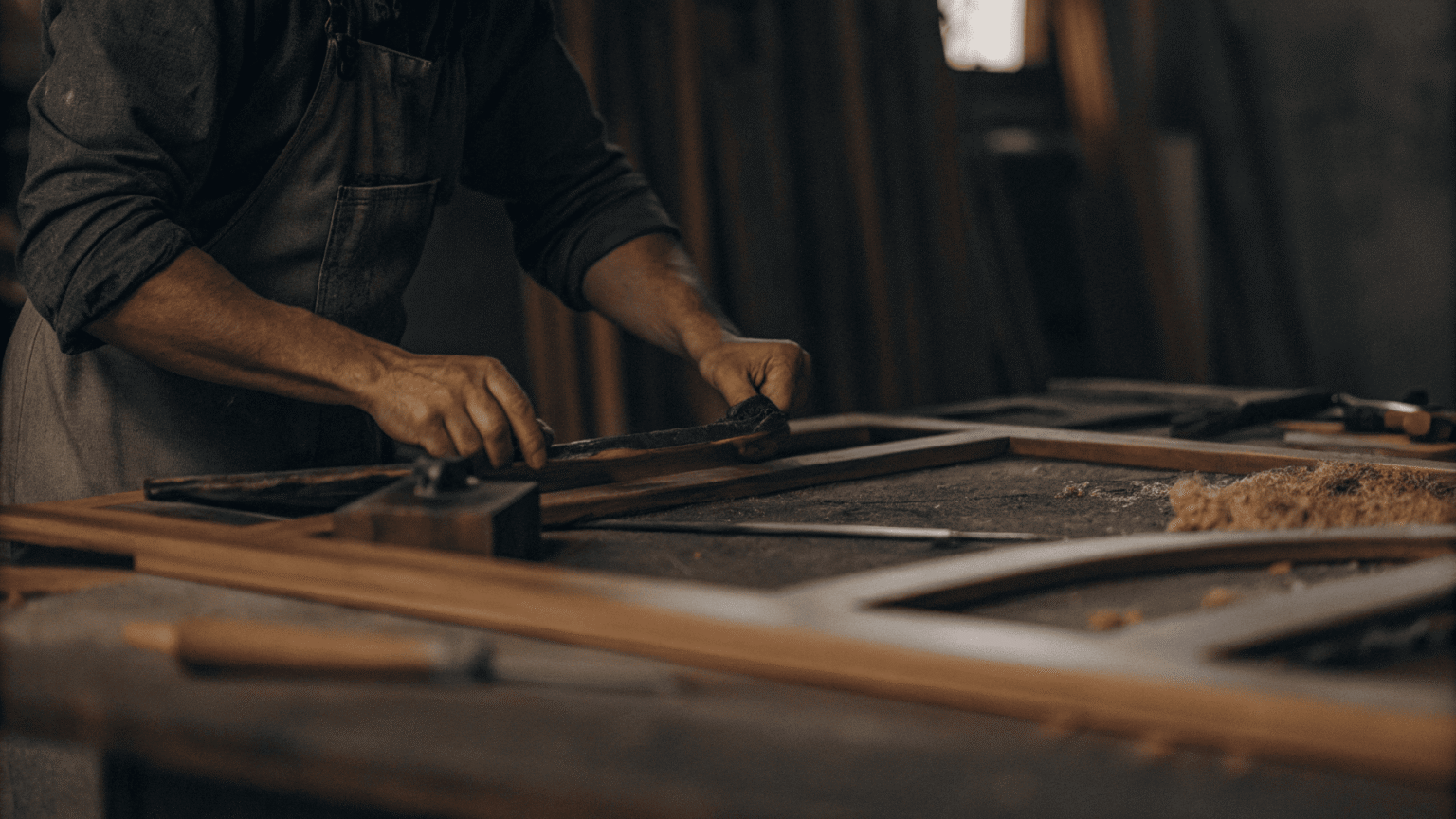
When we build a custom table, we’re not just thinking about how it will look on day one. We’re thinking about how it will perform on day one thousand. This means using engineering principles that you won’t find in typical retail furniture. For example, on a long wooden table, we might embed steel C-channels underneath to prevent the wood from warping over time. We use robust connection methods like mortise and tenon joints instead of just screws. These are time-tested techniques that create an incredibly strong and stable structure. This is the unseen value of custom work. It’s the difference between a table that lasts a few years and one that can be passed down through generations or withstand the heavy use of a commercial environment.
The Engineering Behind a Stable Table
The stability of a table comes from its core construction. Mass-produced tables often use simple brackets and screws, which can loosen over time and cause wobbling. We use much stronger methods. For a project with a heavy stone top, we engineer a steel sub-frame to fully support the weight and distribute it evenly. This prevents stress on any single point and ensures the table is completely rigid and safe. It’s this focus on structural integrity[7] that defines commercial-grade quality.
Finishes That Withstand Real Life
The finish is your table’s first line of defense. A cheap lacquer will quickly show scratches, water rings, and heat marks. We use high-performance finishes[6] designed for real-world use.
Quality Standard | Mass-Market Furniture | Professional Custom Furniture (NEXTOP) |
Joinery | Screws, dowels, simple brackets | Mortise & tenon, dovetails, welded metal joints |
Structural Support | Often minimal or absent | Engineered sub-frames, internal steel reinforcement |
Finishes | Thin, single-coat lacquer or paint | Multi-layer, commercial-grade catalyzed lacquer or hard-wax oil |
Material Quality | Lower-grade woods, particleboard, thin veneers | High-quality solid wood, thick-cut veneers, robust metal |
This commitment to quality means your table won’t just look good; it will stay looking good with minimal maintenance, even in a demanding environment like a busy restaurant or hotel lobby.
A custom dining table[8] is an investment in quality, function, and style that is built specifically for you, ensuring it will be a cherished and durable centerpiece for many years.
[1]: Discover how a custom-made dining table can perfectly fit your space and style, offering a unique and durable solution that standard options can’t match.
[2]: Find out how to choose the right table size based on your seating needs and space.
[3]: Learn how you can have complete creative control over your dining table’s design, from materials to finishes, making it truly one-of-a-kind.
[4]: Find out how a pedestal base can maximize legroom and seating flexibility.
[5]: Understand the stability and legroom advantages of a trestle base design.
[6]: Find out how the right finish can protect your table and keep it looking new.
[7]: Learn how structural integrity ensures the longevity and stability of your dining table.
[8]: Explore how a custom dining table can enhance your dining experience and fit your unique space.