Introduction
Finding the perfect sculpture for your garden feels like a huge challenge. You want a beautiful centerpiece, but fear making an expensive mistake that looks out of place or falls apart.
The key is to balance three things: the right size[^1] for your space, a material that can handle the outdoors, and how it connects with your garden’s overall feel. This ensures your sculpture is a long-lasting source of beauty, not a short-term problem.
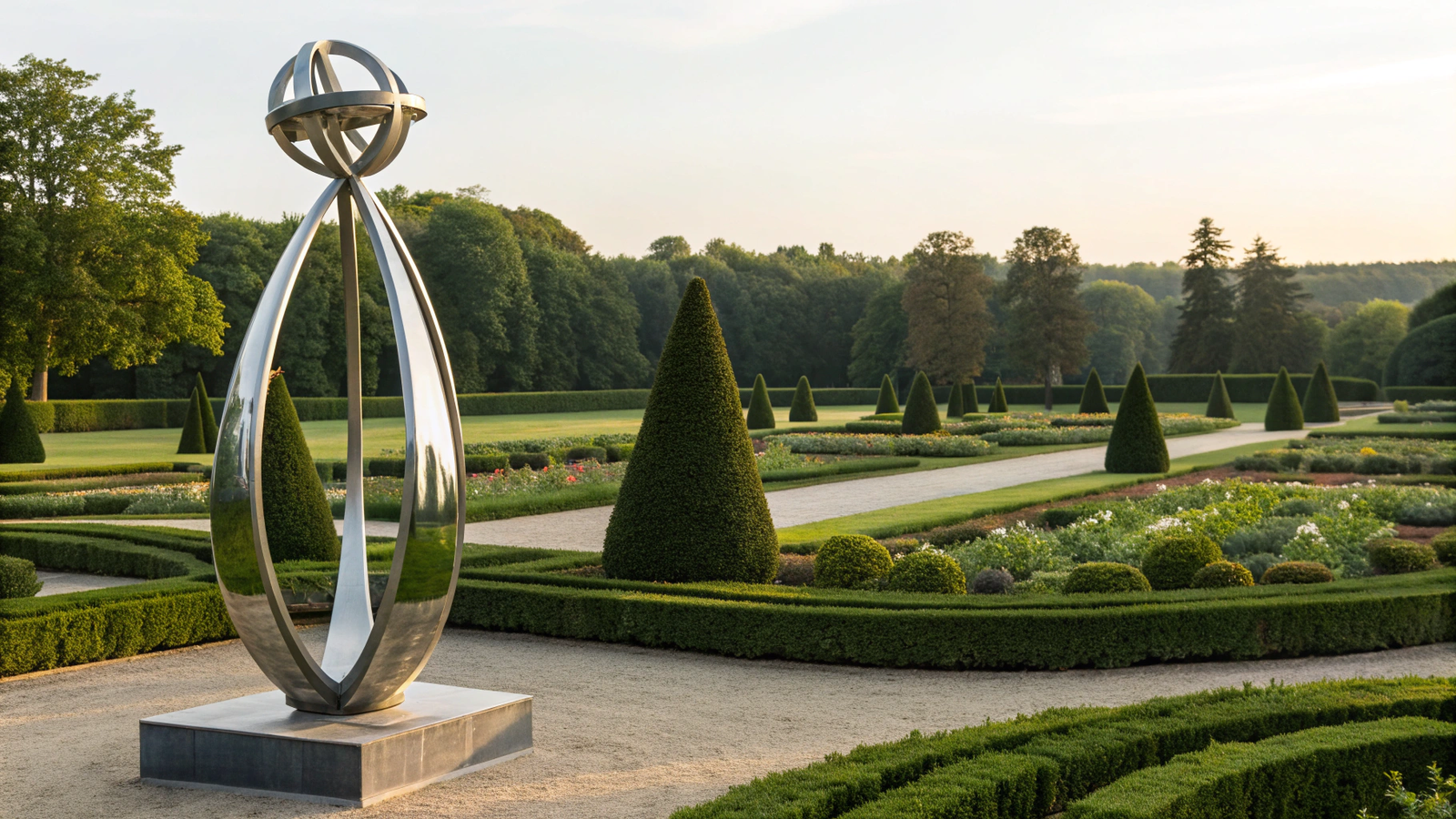
Choosing a sculpture is more than just an aesthetic decision; it’s a practical one. I’ve seen many projects over the years, and the most successful ones always start with a few key questions. It’s about creating a piece that feels like it truly belongs. Let’s walk through the exact steps I take with my clients to ensure their vision becomes a lasting reality.
How do I get the scale and placement right?
You’re worried a sculpture will look too big for your garden, or maybe too small and get lost. An incorrectly scaled piece can throw off your entire garden’s harmony, feeling awkward.
Start by identifying your main sightlines[^3]—where you’ll see the sculpture from most often. Use these views to decide on a size that feels balanced with nearby plants and structures, creating a natural focal point[^4] without overwhelming the space.
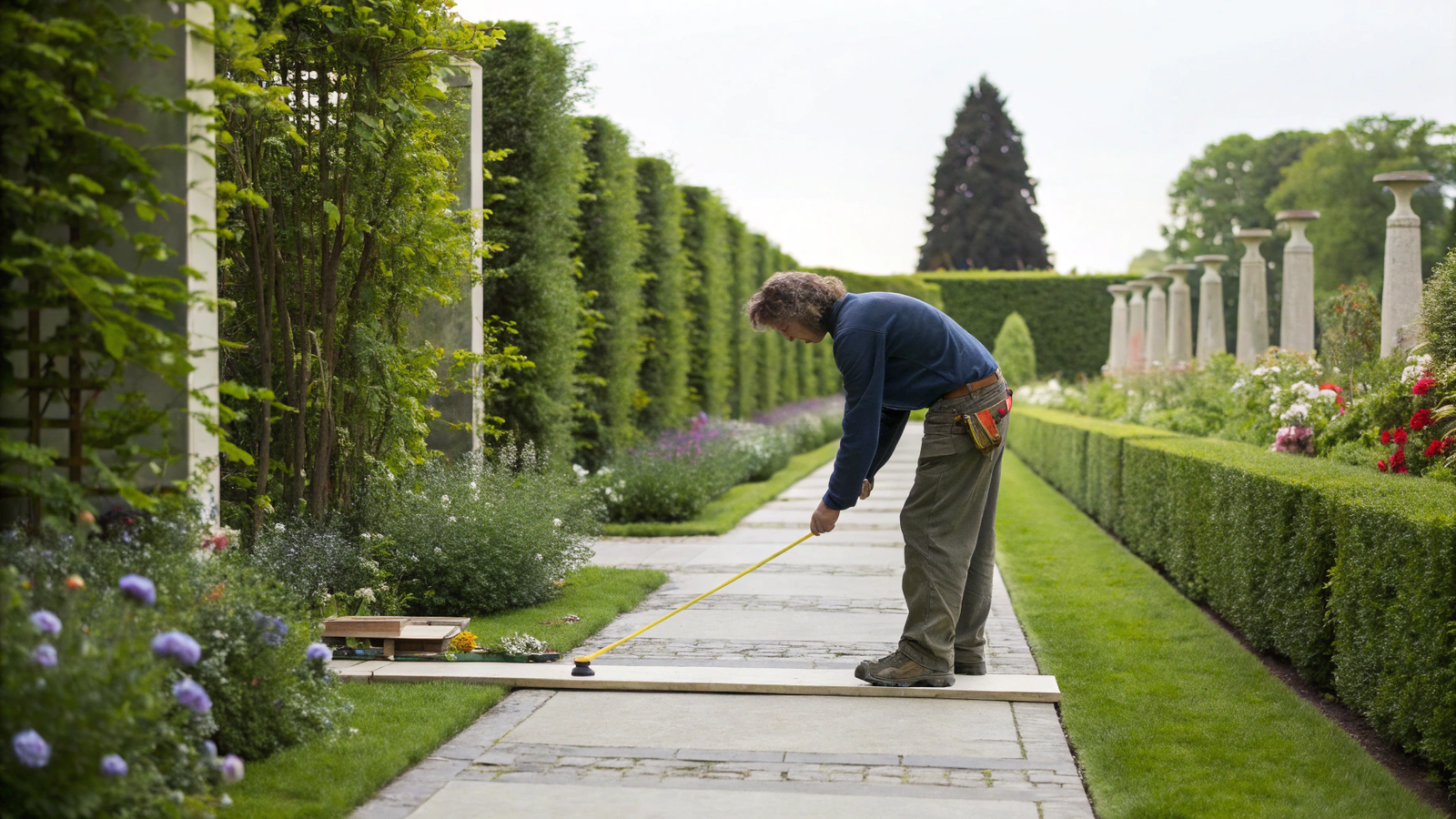
Getting the scale right is a mix of art and science. It’s about feeling, but there are practical rules that can guide you. I always tell my clients to think about the sculpture’s relationship with its surroundings. Is it meant to be a commanding focal point[^4] or a hidden gem you discover?
Creating a Journey and a Destination
Think about how people move through your garden. A sculpture can act as a destination at the end of a path, drawing people forward. In one project, we placed a tall, slender sculpture where it was only partially visible from the patio. As you walked down the garden path, more of it was revealed, creating a sense of curiosity and discovery. This is much more engaging than just placing it in the middle of a lawn. Consider the negative space[^5] around the sculpture, too. It needs room to breathe. A piece crowded by overgrown shrubs will lose its impact.
Finding Harmony with Plants and Architecture
Your sculpture doesn’t exist in a vacuum. It has to talk to the plants and buildings around it.
- Soft vs. Hard:The hard lines of a metal or stone sculpture create a beautiful contrast with soft, flowing grasses or lush foliage. You can use plants to frame the art.
- Color and Texture:A dark bronze sculpture[^6] might pop against a light-colored wall, while a reflective stainless steel piece can mirror the colors of your flowers.
Here’s a simple table I use to help clients visualize this:
Location Context | Recommended Scale and Type | Why It Works |
Open Lawn | A larger, substantial piece with a strong silhouette. | It can stand on its own as a powerful focal point and won’t feel lost. |
Among Flowerbeds | A smaller, more detailed piece, maybe at eye level or lower. | It becomes a discovery and complements the plants instead of competing. |
Against a Wall or Fence | A taller, relatively flat piece or a wall-mounted relief. | It uses the wall as a backdrop, adding depth and interest to a flat surface. |
In a Small Courtyard | A vertical piece that draws the eye upward. | This can make a small space feel larger and more dynamic. |
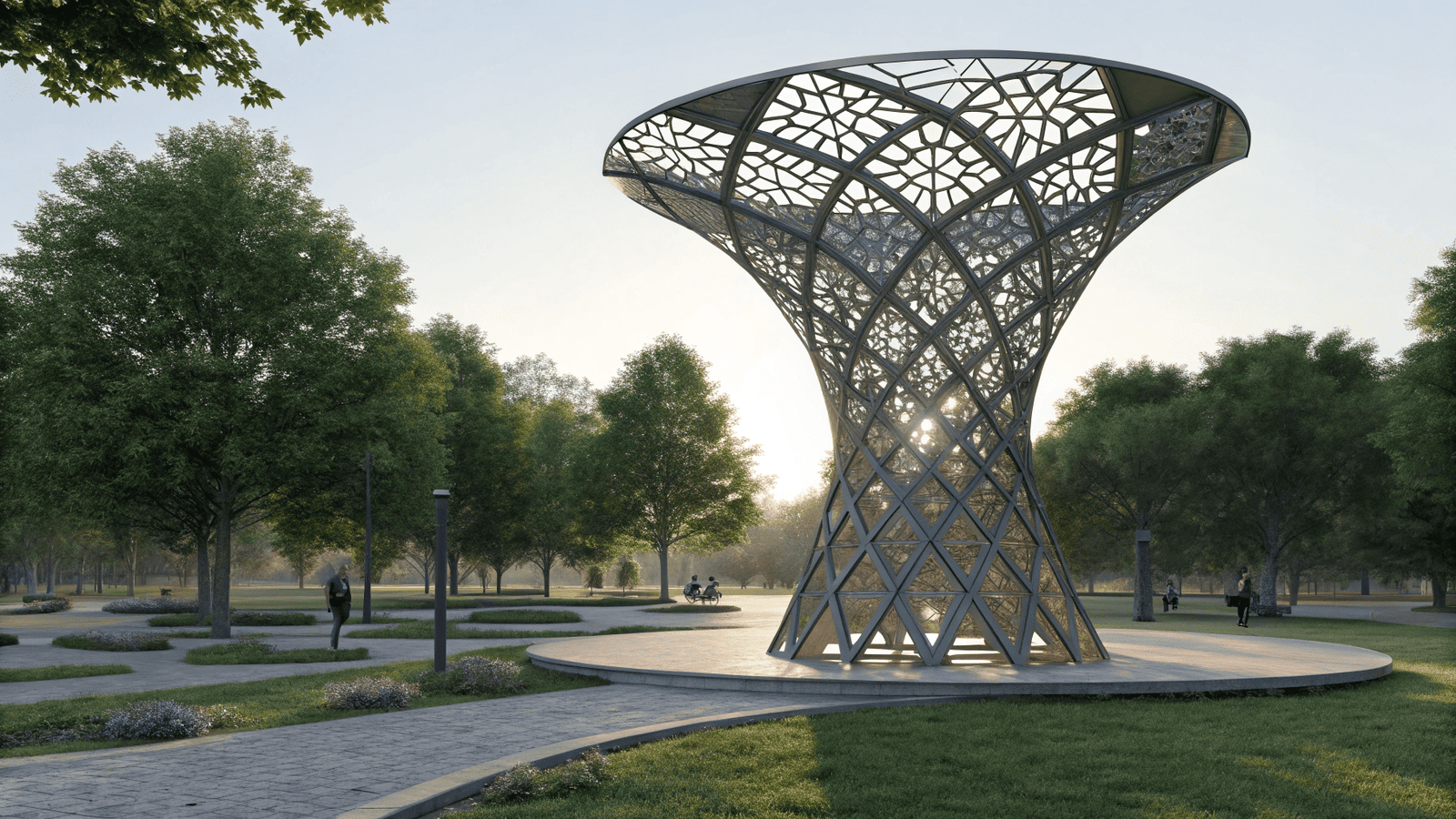
A few years ago, a client wanted a very large, bulky sculpture for a compact city garden. On paper, it fit. But when we created a simple 3D model, it was clear the piece would have felt oppressive. We switched to a taller, more open design. It had the same presence but allowed light and air to move through it, making the whole garden feel more spacious and elegant.
What are the best materials for outdoor sculptures?
You’ve found a design you love, but you wonder if it will survive the rain, sun, and snow. Choosing the wrong material can lead to rust, cracks, or fading within a single season.
For long-term durability with minimal upkeep, choose materials like 316-grade stainless steel[^7], bronze, or Corten steel[^8]. These metals are engineered to resist corrosion and weathering, ensuring your sculpture remains beautiful for decades with very little maintenance.
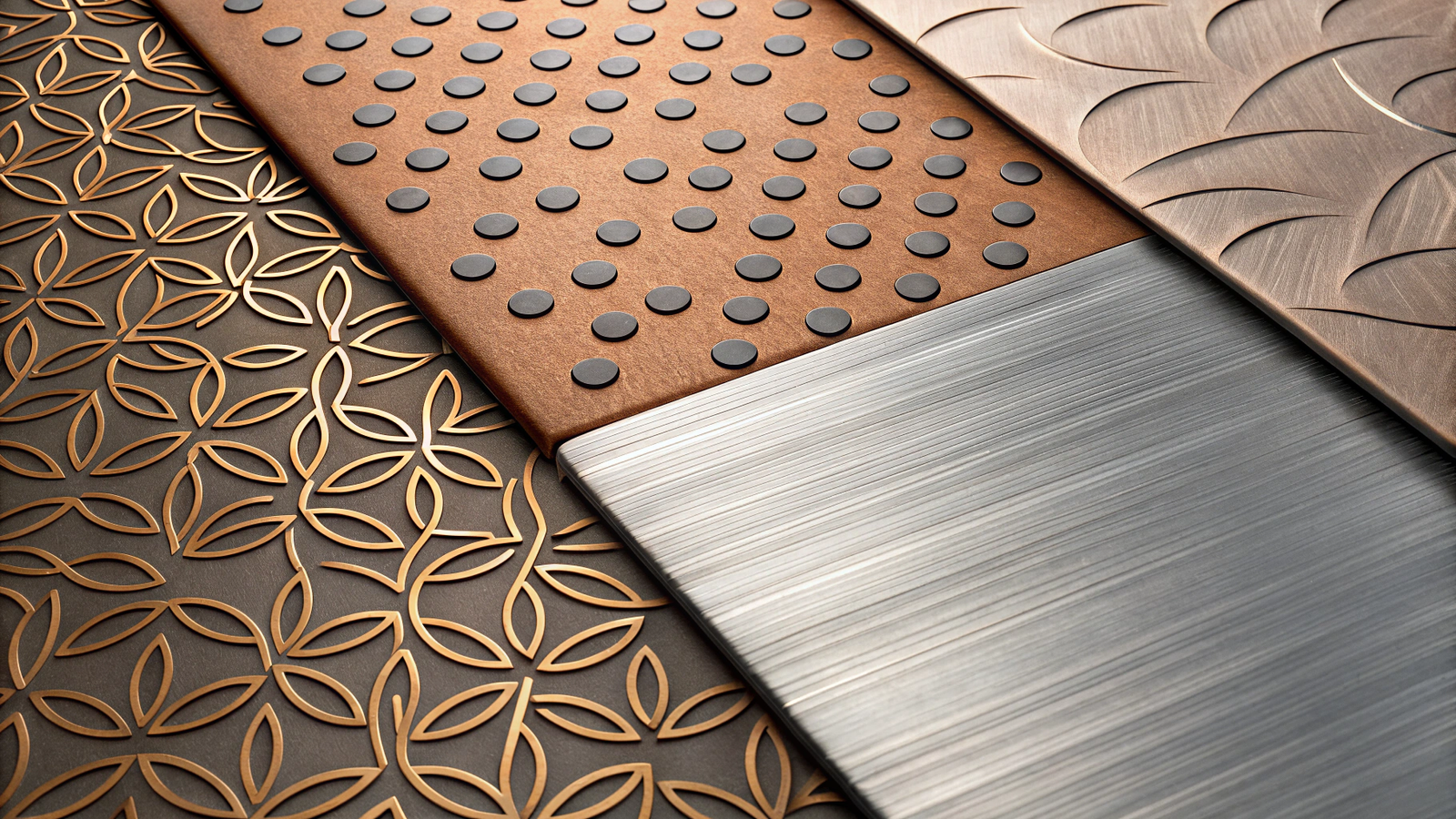
The material you choose is probably the single most important decision for the longevity of your sculpture. In my business, we work almost exclusively with materials that are proven to last. The outdoor environment is harsh, with UV rays, temperature swings, and moisture. You need a material that can stand up to it.
Metals That Are Built to Last
When we fabricate architectural metalwork[^9] and sculptures for hospitality or high-end residential projects, we rely on a few trusted options.
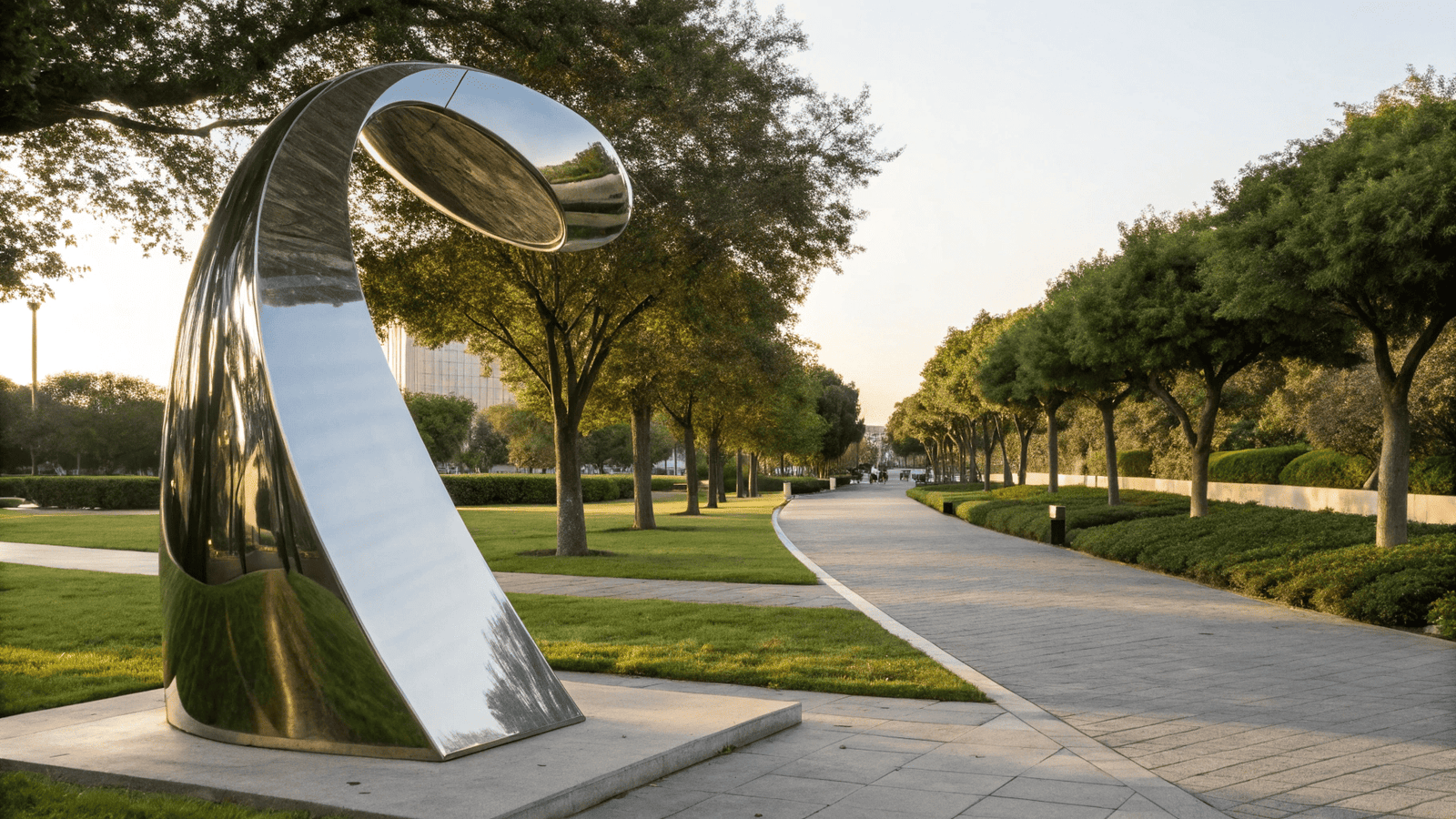
- Stainless Steel:This is a fantastic choice for a clean, modern look. It’s incredibly strong and corrosion-resistant. We almost always use 316 marine grade, especially for projects near the coast, as it has extra protection against salt. It can be finished with a mirror polish to reflect the garden, or a brushed satin finish for a softer, more subtle effect.
- Bronze:This is the classic, timeless material for sculpture. It’s heavy, substantial, and develops a beautiful blue-green layer over time called a patina. This patina isn’t damage; it’s a natural protective coating that shields the metal underneath. It gives the sculpture a sense of history and character.
- Corten (Weathering) Steel:You’ve probably seen this material, known for its stable, rust-like appearance. When exposed to the elements, Corten develops a protective outer layer of rust that prevents any deeper corrosion. It provides a warm, earthy, and industrial look that contrasts beautifully with green foliage. The key is that the “rust” is the intended finish and protection.
A Quick Comparison
Here is how these top materials stack up. It helps clarify why we recommend them for serious, long-term installations.
Material | Durability | Maintenance | Cost | Common Aesthetic |
Stainless Steel (316) | Excellent | Very Low | High | Modern, sleek, reflective |
Bronze | Excellent | Very Low | Very High | Classic, traditional, evolving |
Corten Steel | Very Good | None | Medium-High | Rustic, industrial, warm |
Stone (e.g., Granite) | Excellent | Low | High | Natural, solid, timeless |
There are materials I generally advise clients to be cautious with for permanent outdoor pieces. Standard mild steel will rust away completely if not meticulously painted and maintained. Some woods can work if they are extremely dense (like teak) and regularly treated, but they will always require more upkeep than metal or stone. For a “set it and forget it” piece of art, metal is almost always the superior choice.
What technical details should I not overlook?
You’ve picked a design, material, and location. But how do you make sure the sculpture is secure and won’t cause issues down the line? Poor installation can lead to tilting, water damage, or safety hazards.
Focus on three key technical areas: a proper foundation, good water drainage[^10], and planned lighting. A solid concrete footing provides stability, proper drainage prevents water damage, and pre-planned wiring for lights brings your sculpture to life at night.
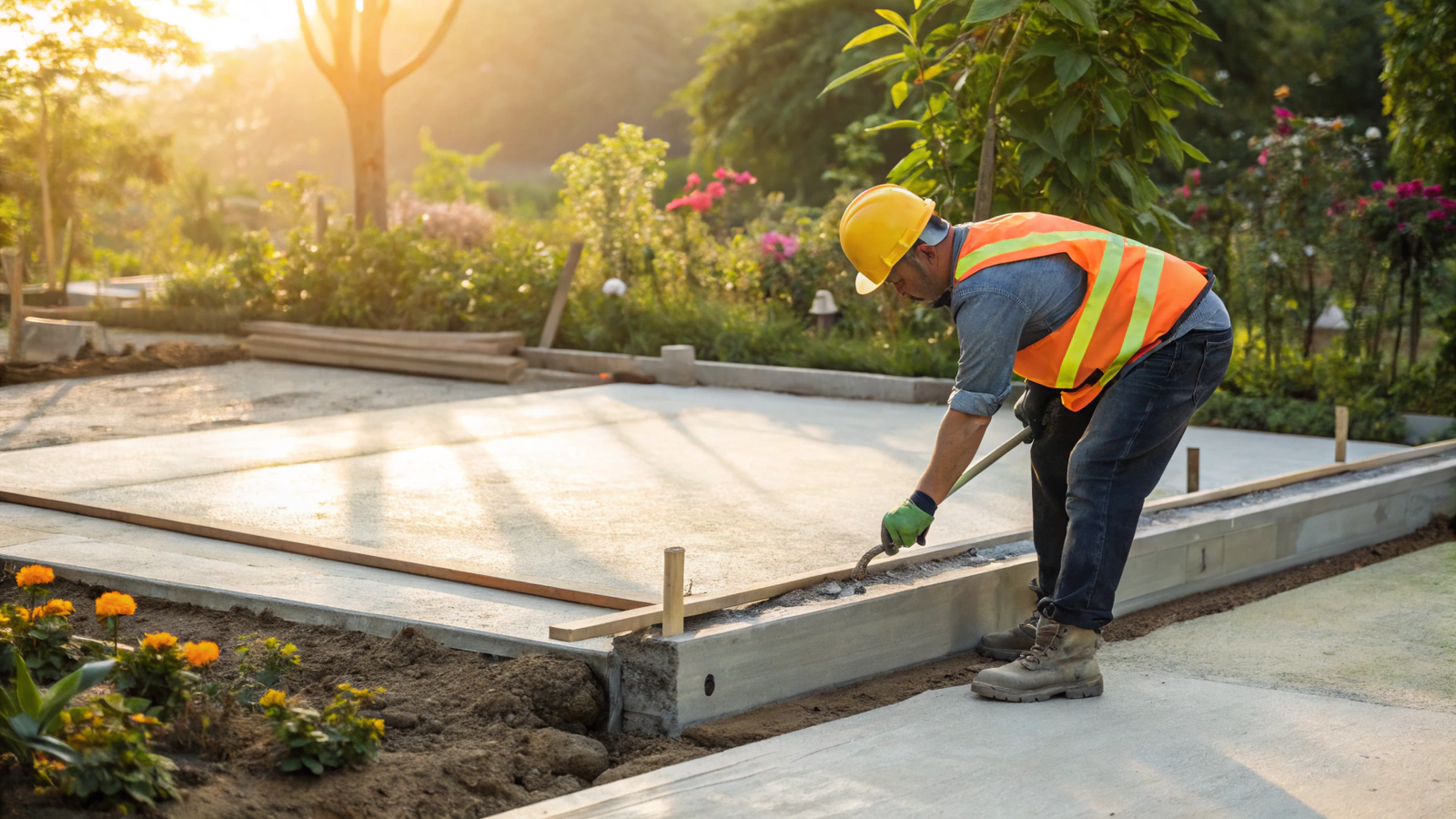
This is the part that often gets ignored, but it’s what separates a professional installation from an amateur one. As someone who engineers and delivers these pieces, I can tell you that the work below the ground is just as important as the art itself. Getting these details right from the start saves enormous headaches later.
Building a Solid Foundation
A sculpture, especially a large one made of metal or stone, is heavy. You can’t just place it on the soil. It needs a proper foundation to keep it stable and level for years to come.
- Concrete Footings:For most of our projects, we engineer a reinforced concrete footing that extends below the frost line. This prevents the ground from shifting during winter freezes and thaws, which could cause the sculpture to tilt. The size and depth of the footing depend entirely on the sculpture’s weight, height, and local soil conditions.
- Wind Load:For tall, slender pieces, we also have to calculate for wind load to ensure they are safe and secure even in a storm. This is a critical safety consideration.
Managing Water and Lighting
Water is the enemy of longevity if not managed. And a sculpture that disappears at night is only doing half its job.
- Drainage:Water should never pool around the base of the sculpture. We often specify a layer of gravel within the foundation to allow water to drain away freely. For hollow metal sculptures, it is absolutely essential that they have small, hidden drain holes. If water gets trapped inside and freezes, it can expand and split the seams of the sculpture.
- Lighting:Uplighting can create dramatic shadows and highlight the texture of your sculpture after dark. I always advise clients to plan for this from the beginning. It is very easy and inexpensive to run an empty electrical conduit pipe in the trench when the foundation is being poured. Trying to dig a trench and run wiring across an established lawn later is a much bigger, more disruptive job.
In our one-stop execution process at NEXTOP, we coordinate all of this. We provide the landscape architect[^11] or contractor with detailed drawings for the foundation and any electrical needs. This ensures the site is perfectly prepared before the sculpture even arrives. It’s this level of planning that ensures the final result is seamless, safe, and built to last.
Conclusion
Choosing the right garden sculpture[^12] is a blend of art and engineering[^13]. By focusing on scale, durable materials, and proper installation, you create a timeless feature you will enjoy for decades.
[^1]: Learn how to choose the right size for your garden sculpture to ensure it fits harmoniously in your space.
[^2]: Get insights on achieving the perfect scale and placement for your garden sculpture.
[^3]: Explore the importance of sightlines in garden design and sculpture placement.
[^4]: Discover techniques to create stunning focal points in your garden using sculptures.
[^5]: Explore the concept of negative space and its significance in enhancing garden sculptures.
[^6]: Understand the timeless appeal and benefits of using bronze for garden sculptures.
[^7]: Find out why 316-grade stainless steel is a top choice for durable outdoor sculptures.
[^8]: Learn about Corten steel’s unique properties and its aesthetic appeal in garden art.
[^9]: Discover the role of architectural metalwork in creating stunning garden sculptures.
[^10]: Find effective strategies for managing water drainage to protect your garden sculptures.
[^11]: Learn about the vital role landscape architects play in garden sculpture projects.
[^12]: Explore expert tips on selecting the perfect garden sculpture that enhances your outdoor space.
[^13]: Explore the intersection of art and engineering in creating beautiful garden sculptures.