
Introduction
Picking furniture for your hotel project feels overwhelming. You worry about getting the look right, but also if it will break down in a year. This decision is stressful.
The key is to choose a manufacturing partner[^1] who balances aesthetics, commercial-grade durability[^2], and reliable project delivery. They must use precise engineering[^3] and robust materials[^4] to ensure your investment serves your guests and your brand for years to come.
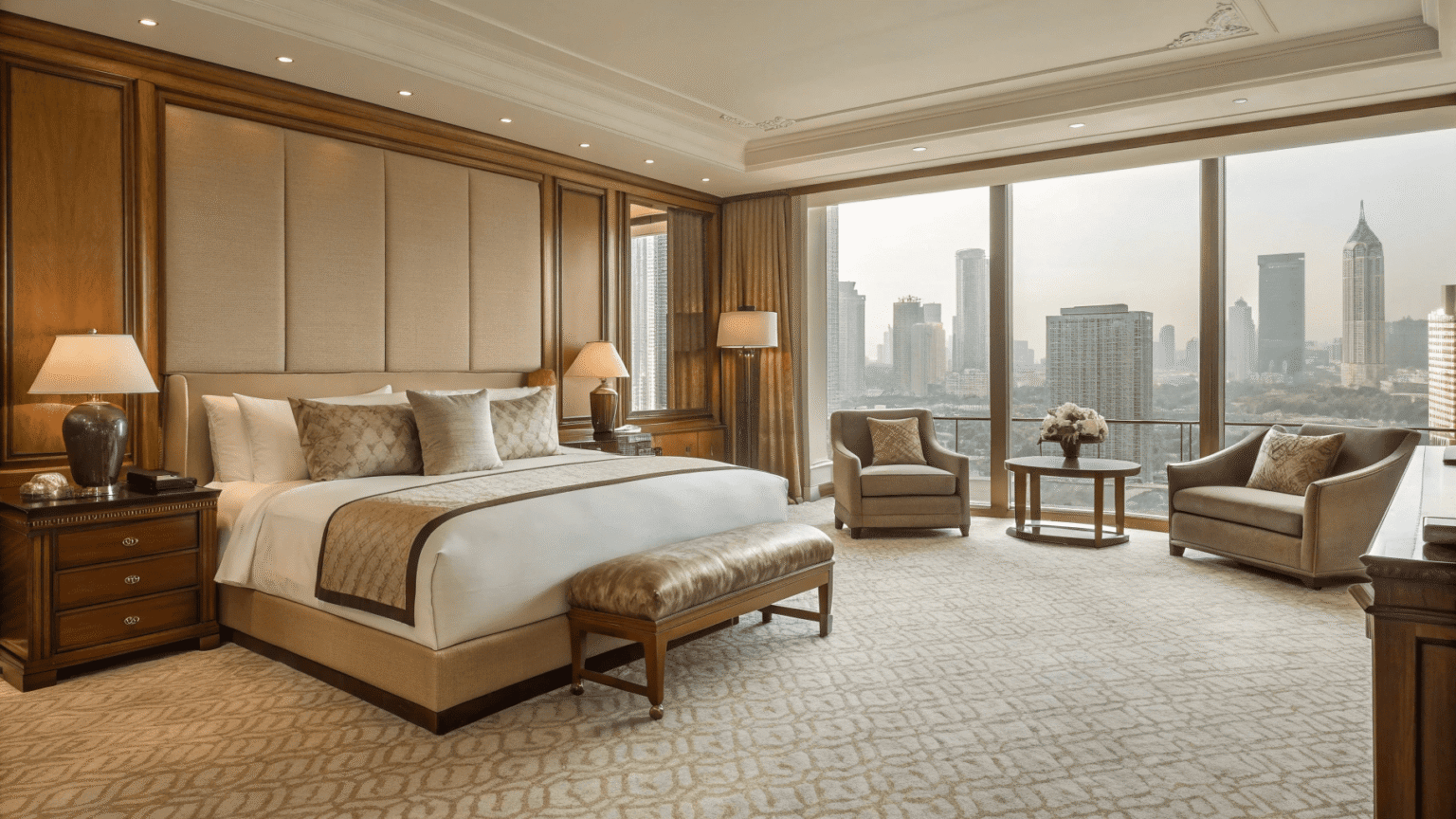
I’ve spent my career turning design visions into reality for hospitality projects. I’ve learned that the most successful projects don’t just focus on the initial look of the furniture. They focus on what happens after the first year of check-ins, luggage carts, and housekeeping. The real challenge is finding furniture that is not only beautiful but also built for the long run. Let’s break down what truly matters when making this critical choice.
Does aesthetics have to compromise durability?
You are worried that your unique design vision will be simplified for the sake of durability. You want stunning pieces, but you fear they won’t last in a busy hotel.
No, aesthetics and durability can absolutely coexist through smart engineering. A skilled manufacturer translates your design into a robust structure. They use reinforced joints, commercial-grade finishes, and smart material choices that protect the look without sacrificing strength.
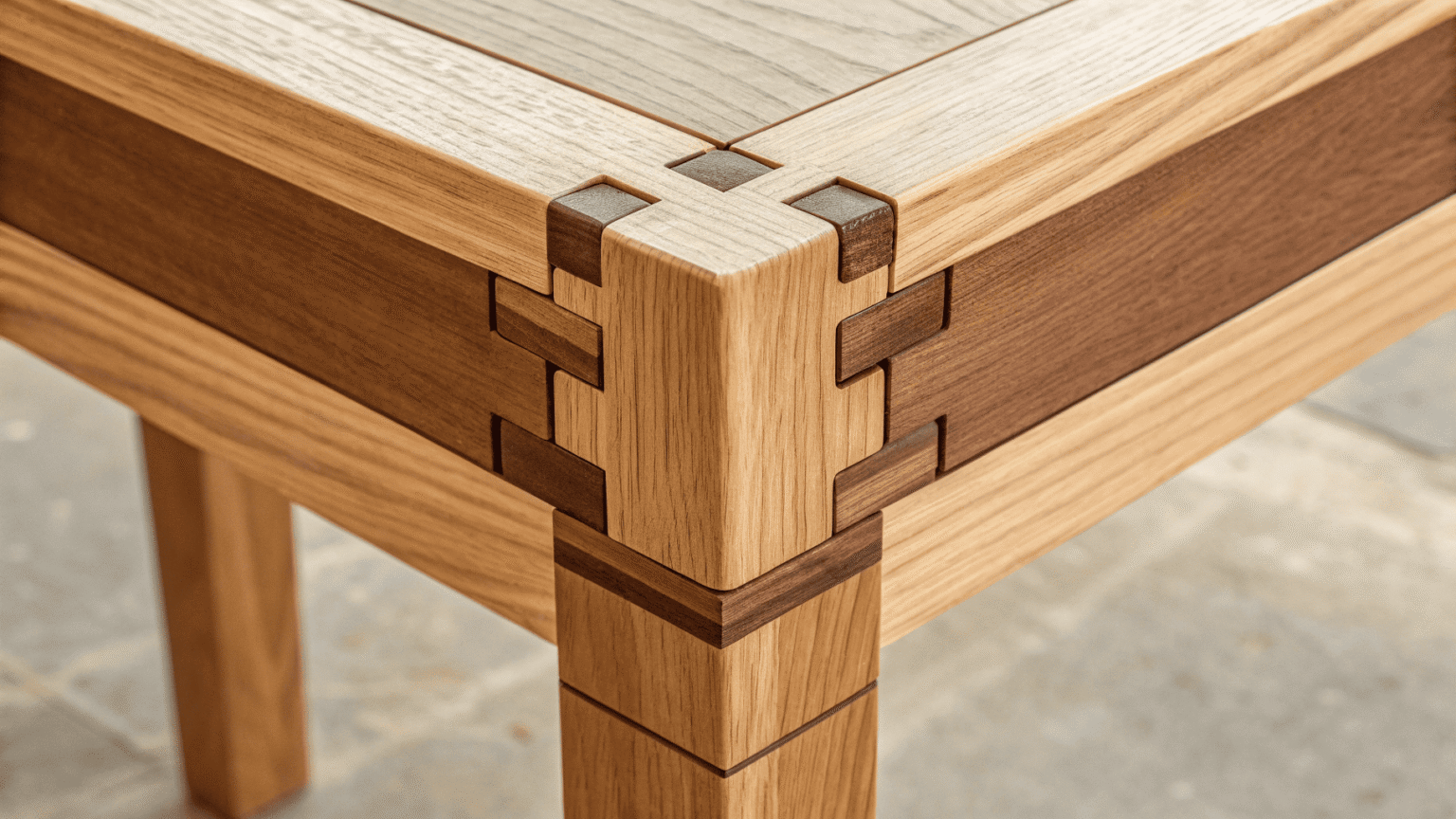
I often see designers worry that their beautiful concepts will be lost in production. They fear that to make a chair strong enough for a hotel, it has to be bulky and uninspired. This is a common misconception. The truth is, great design and long-term durability are not enemies; they are partners. The bridge between them is engineering. It’s about taking a beautiful idea and building it to withstand reality.
The Role of Shop Drawings
This is where the magic happens. Before any wood is cut, we create detailed shop drawings[^5]. These blueprints translate the designer’s sketch into a buildable product. We analyze stress points[^6] on a chair’s legs. We plan for internal reinforcements[^7] in a sleek headboard. We specify the right hardware for a cabinet that will be opened thousands of times. This engineering step ensures the final piece looks exactly as intended but has the hidden strength to perform for years.
Material Selection is Key
Materials are chosen for performance, not just appearance. A beautiful wood grain on a tabletop can be achieved with a commercial-grade veneer[^8] that is far more stable and resistant to cracking than solid wood in some applications. We use solid wood where it matters most, like in the structural frames of sofas and chairs.
Feature | Aesthetic Goal | Durability Solution |
Tabletop Surface | Natural wood grain | Commercial-grade veneer with a protective acrylic finish |
Chair Legs | Slim, elegant profile | Solid wood or metal with internal reinforcement |
Upholstery | Luxurious feel | High-rub-count fabric with stain-resistant treatment |
Drawer Fronts | Seamless look | Reinforced joinery and heavy-duty drawer slides |
Finishing Touches that Protect
The finish is the furniture’s first line of defense. For hotels, we don’t use a simple coat of lacquer. We apply multiple layers of high-quality, commercial-grade finishes. These are designed to resist scratches from keys, water rings from glasses, and the chemicals used in daily cleaning. This protective shell is what keeps the furniture looking new long after the hotel opens.
How can you ensure consistency across hundreds of rooms and public areas?
You have a clear brand standard for your project. But coordinating finishes between different suppliers is a nightmare. Mismatched woods and metals can ruin the entire design’s coherence.
The best way to ensure consistency is through a single-source supplier[^10]. When one partner handles all case goods, upholstery, and architectural metalwork, they control the entire process. This unified production system guarantees that finishes, materials, and quality are identical across every single piece.
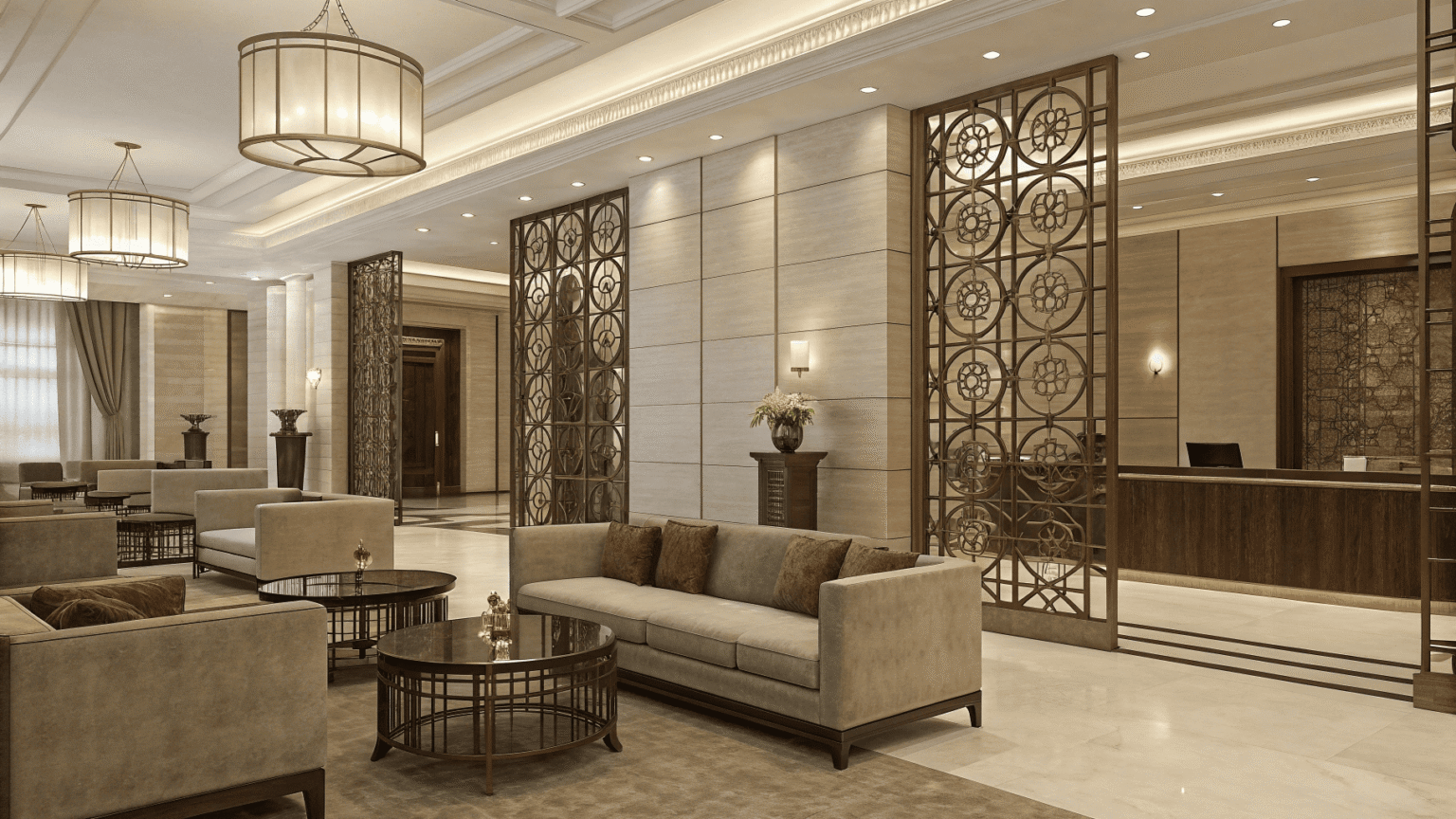
Early in my career, I saw projects get derailed by this exact problem. The case goods came from one factory, the chairs from another, and the metal accents from a third. The “walnut” finish on the desks was a different shade from the “walnut” on the nightstands. The “brushed brass” on the lamps didn’t match the table bases. It creates a subtle but jarring inconsistency that cheapens the guest’s experience. This is why we built our company around a one-stop execution model.
The Problem with Multiple Suppliers
Using several suppliers introduces risk at every step. One supplier’s delay can halt the entire project. There’s no single point of accountability when something goes wrong. Most importantly, you lose control over the final look and feel. Each supplier has their own interpretation of a finish, their own materials, and their own quality standards. It’s nearly impossible to get perfect harmony.
The Power of a Unified System
When we handle a project, everything is coordinated under one roof. Our engineering team creates shop drawings[^5] for the furniture and the architectural metalwork at the same time. Our finishing department develops the master samples for wood, metal, and specialty surfaces. These approved samples then become the non-negotiable standard for every item we produce for that project. There is no guesswork and no variation.
From Guest Room to Lobby
Think about the guest experience[^11]. The wood veneer on the guest room headboard should perfectly match the paneling in the elevator lobby. The black metal base of the in-room desk should have the exact same finish as the large decorative screen in the restaurant. With a single, coordinated system, this becomes simple. We ensure that every touchpoint a guest has with your property reflects a consistent, high-quality brand standard.
What really goes into a reliable project delivery?
You’ve approved the perfect designs. Now you’re anxious about production delays, quality issues, and shipping damage. A missed opening date is simply not an option for your business.
Reliable delivery is a complete system, not just a shipping date. It starts with a clear production schedule, includes rigorous in-process quality control[^12], and ends with professional export packaging[^13]. Transparent reporting with photos and videos at each stage ensures everything arrives safely and on time.
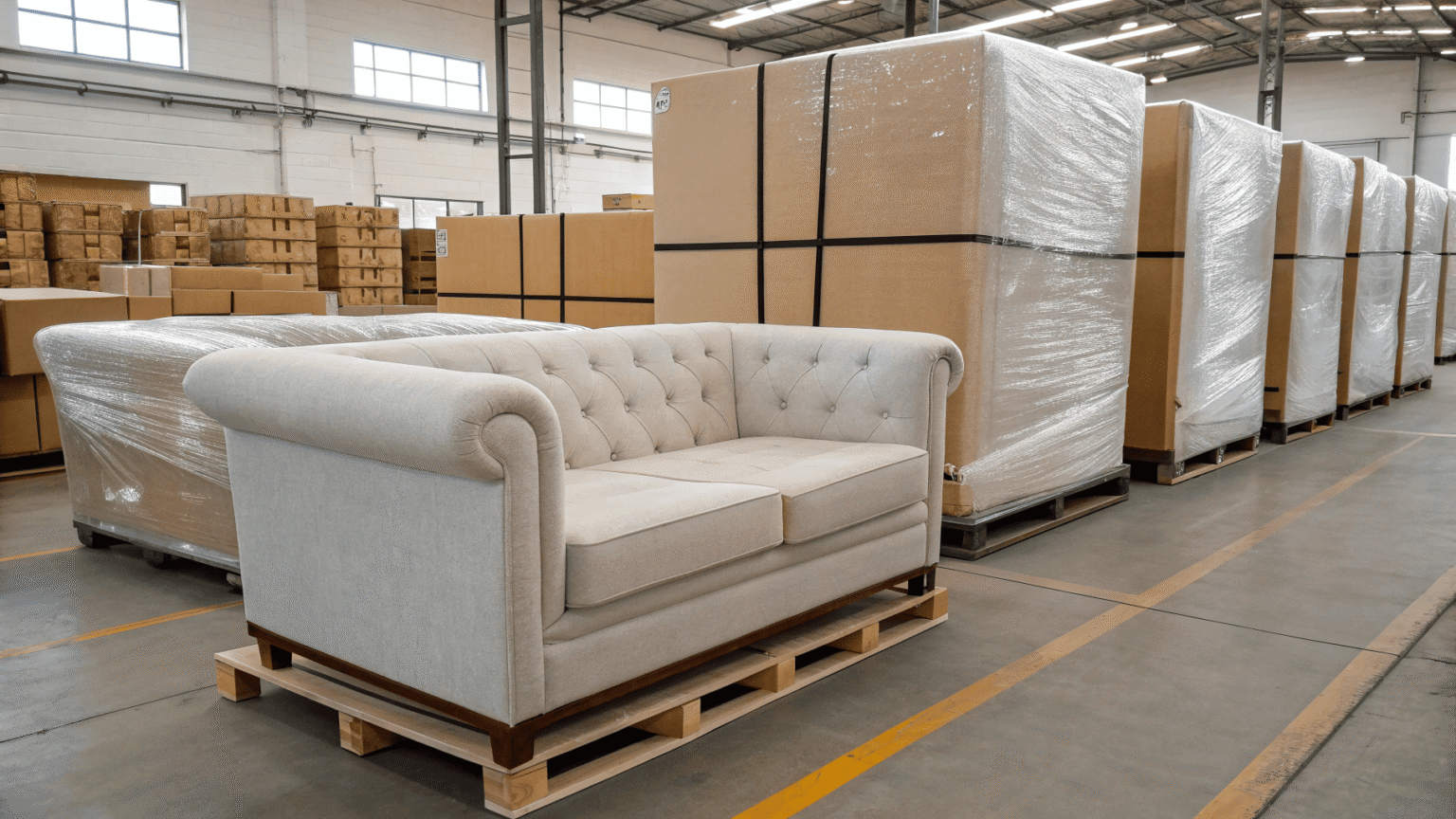
A promise is just a promise until you see it happen. I’ve learned that our clients don’t just want furniture; they want peace of mind. They need to know that what they approved is what will be produced, and that it will arrive on schedule and in perfect condition. That’s why we have built our entire process around transparency and control. You are never left wondering what is happening with your order.
It Starts with a Schedule
Once shop drawings[^5] are approved, we create a detailed production schedule. This isn’t just one final date. It is a timeline with clear milestones for each phase: material procurement, cutting and assembly, finishing, quality control[^12], and packing. We share this with you and provide regular updates, so you always know the exact status of your project.
Quality Control Isn't Just at the End
Many factories only inspect furniture right before it goes in the box. By then, it’s often too late to fix problems without causing major delays. We do things differently. We have dedicated QC teams that inspect items at multiple stages. They check the raw materials. They check the joinery after assembly. They check the finish before it’s fully cured. This proactive approach catches any small issue before it becomes a big problem.
Packaging for the Real World
Your furniture may travel thousands of miles by sea and land to reach your hotel. It needs to be protected. We design our packaging for the harsh realities of international logistics.
Phase | Key Action | Your Benefit |
1. Engineering | Detailed Shop Drawings | Guarantees design intent and buildability |
2. Sampling | Physical Finish & Mock-up Approval | Ensures look and feel meet expectations |
3. Production | In-Process QC Checks | Catches issues early, preventing delays |
4. Reporting | Weekly Photo/Video Updates | Provides full transparency and peace of mind |
5. Logistics | Professional Export Packing | Protects your furniture for safe arrival |
Every piece is wrapped in soft EPE foam. We add rigid corner protectors to all edges. It’s then placed in a sturdy, double-walled carton. For delicate items like marble tops or large mirrors, we build custom wooden crates. This isn’t just a box; it’s a protective system for your investment.
How do you calculate the true cost of hotel furniture?
It is very tempting to focus only on the initial price tag. But what about the hidden costs of repairs, replacements, and room downtime? The cheapest option can become very expensive.
The true cost is the total cost of ownership[^14] over the furniture’s lifespan. This includes the initial price plus all future maintenance. Investing in superior engineering and durable construction significantly lowers long-term costs, offering a much better return on your investment.

I always tell my clients, “You can pay for the engineering now, or you can pay for the repairs later.” The initial quote for a piece of furniture is only one part of the financial equation. A high-end hotel is a demanding commercial environment. Furniture that isn’t specifically built for it will fail, and that failure has a real, measurable cost that goes far beyond the price of a replacement chair.
The Price of a Wobbly Chair
A wobbly chair or a drawer that sticks is not a small problem. First, it leads to a guest complaint, which can damage your online reputation. Second, it requires a call to your maintenance team, which costs time and money. Third, you may have to take the room out of service to fix or replace the item, resulting in lost revenue. Now, multiply that scenario across hundreds of rooms over several years. The “cheaper” chair suddenly looks very expensive.
Built for High-Frequency Use
“Commercial-grade” is more than just a marketing term. It is a specific standard of construction. It means using kiln-dried solid wood[^15] for frames to prevent warping. It means using reinforced corner blocks[^16] and joinery for stability. It means selecting heavy-duty drawer slides[^9] rated for 50,000 cycles and hinges designed for constant use. The finish has to withstand daily cleaning with commercial-grade chemicals[^17]. This level of quality is not an accident; it is a deliberate engineering choice.
An Investment, Not an Expense
Your furniture is a core asset of your business. It directly impacts the guest experience[^11], brand perception, and operational efficiency[^18]. Choosing well-made, durable custom furniture is an investment in your hotel’s long-term success. It reduces maintenance headaches, protects your revenue, and ensures your property looks as good on its fifth anniversary as it did on opening day. That is the true measure of value.
Choosing the right custom furniture means finding a partner who balances design, durability, and delivery. This ensures your hotel looks great and operates smoothly for the long haul.
[1]: Understanding the qualities of a good manufacturing partner can help ensure your furniture meets both aesthetic and durability standards.
[2]: Learn about commercial-grade durability to make informed choices for long-lasting hotel furniture.
[3]: Explore how precise engineering can enhance the durability and longevity of your hotel furniture.
[4]: Discover the types of robust materials that can ensure your hotel furniture withstands heavy use.
[5]: Understanding shop drawings can help you appreciate the planning that goes into creating durable furniture.
[6]: Learn how analyzing stress points can lead to stronger, more durable furniture designs.
[7]: Find out how internal reinforcements contribute to the strength and durability of furniture.
[8]: Explore the advantages of using commercial-grade veneer for stable and attractive furniture surfaces.
[9]: Discover why heavy-duty drawer slides are essential for furniture in commercial settings.
[10]: Understand how a single-source supplier can streamline your project and ensure consistency.
[11]: Explore the connection between furniture quality and guest satisfaction in the hospitality industry.
[12]: Learn how quality control processes can prevent issues and ensure high-quality furniture.
[13]: Explore the significance of export packaging in protecting your furniture during shipping.
[14]: Understanding the total cost of ownership can help you make smarter financial decisions for your hotel.
[15]: Discover why kiln-dried solid wood is preferred for furniture frames in high-use environments.
[16]: Find out how reinforced corner blocks enhance the stability and durability of furniture.
[17]: Learn about the types of commercial-grade chemicals that can help maintain your furniture’s appearance.
[18]: Understand how well-designed furniture can improve the operational efficiency of your hotel.