Introduction
You worry about poor quality and delays in your custom furniture projects. These issues ruin your reputation and cost money. Here is how we ensure perfect results every time.
High-quality custom furniture results from a systematic process: precise on-site measurement[^1], engineering-grade shop drawings[^2], strict material selection[^3], CNC precision manufacturing[^4], and rigorous testing[^5]. We combine design understanding[^6] with robust engineering[^7] to deliver consistent, durable, and project-ready solutions[^8] for hotels and commercial spaces.
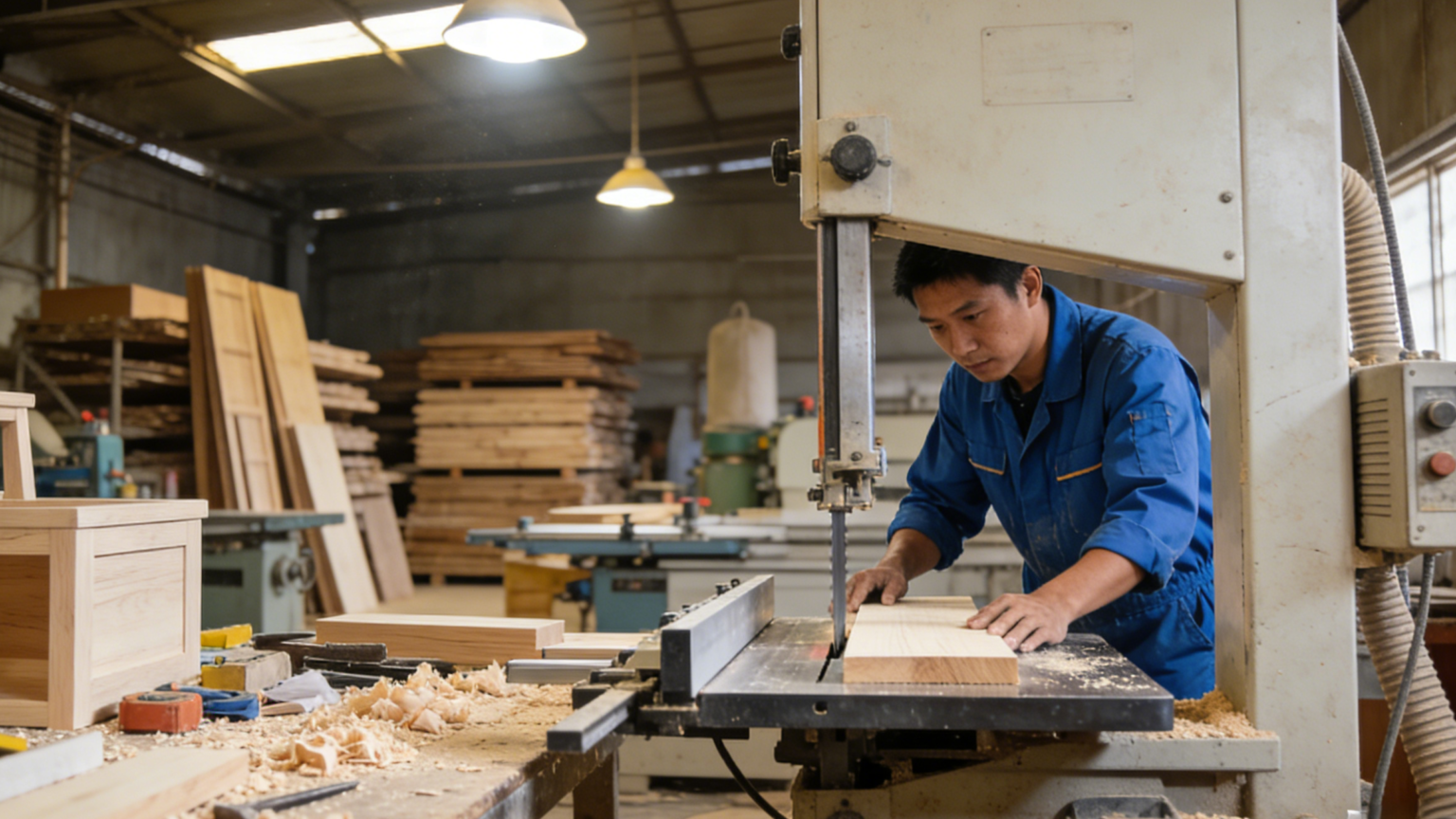
Many people think a good design picture is enough to start making furniture. But making it real is hard. A pretty picture does not show how the wood connects to the metal. It does not show if the chair will break when a heavy person sits on it. Let me show you the real steps we take at NEXTOP to make sure your furniture lasts a long time and looks exactly like you want it to.
Why does the process start with engineering drawings?
Beautiful renders often fail in production because they lack structural logic[^9]. This causes panic during installation. We stop this by focusing on the technical drawings first.
The first step to quality is translating creative concepts into producible engineering shop drawings[^10]. This step solves structural issues before production begins, ensuring every joint and material thickness is calculated for stability.
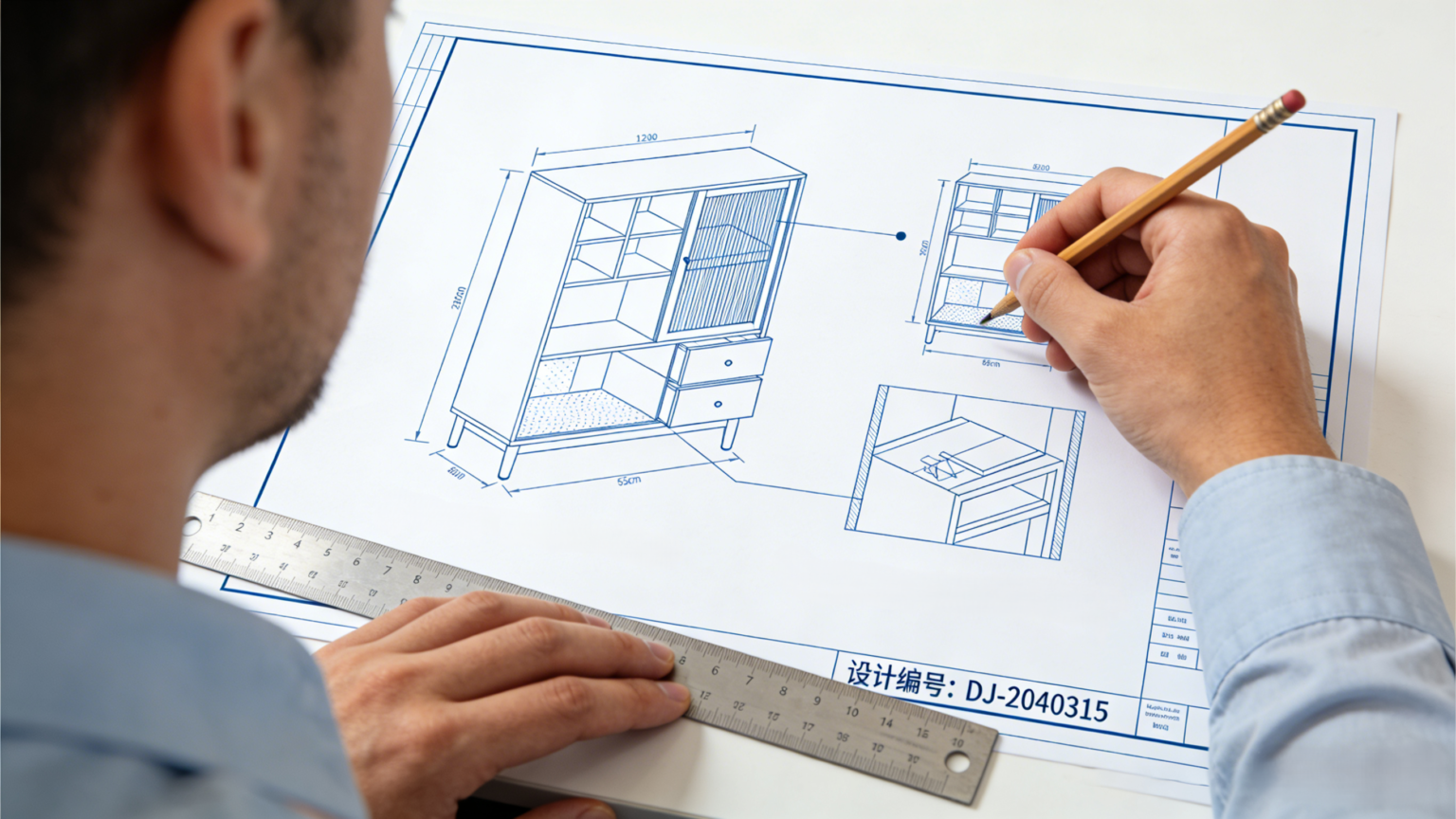
I have seen many projects fail because the factory tried to build directly from a visual rendering. A rendering is just a picture. It shows the “look,” but it does not show the “bones.” At NEXTOP, we believe that quality is born on the paper before we cut any wood. We take your design intent and apply critical thinking to it. We ask questions like: “Is this leg strong enough?” or “Will this veneer peel off in a humid hotel room?”
We turn your concept into a detailed shop drawing. This is a map for our workers. It creates a bridge between a beautiful idea and a solid object. If we do not do this, the final product might look right, but it will be weak. We use specific software to model the furniture. This helps us see problems early. If we find a problem on the computer, it costs nothing to fix. If we find a problem in the factory, it costs a lot of money and time.
Here is how we break down the design phase:
Design Stage | What We Do | Why It Matters |
Measurement | We analyze on-site dimensions. | Ensures the furniture fits the room perfectly. |
Structure | We design the internal frame. | Prevents sagging or breaking under heavy use. |
Material Match | We check wood and metal compatibility. | Ensures different materials expand and contract safely. |
Details | We draw every screw and joint. | Guarantees the finish looks clean and professional. |
How do we balance machines and handcraft?
Inconsistent finish quality ruins the look of a hotel room or shop. You cannot accept variations. We use specific tools to keep everything the same.
We achieve consistency through a mix of CNC precision and skilled handcraft[^11]. Machines cut parts with exact accuracy, while experienced joiners handle the delicate assembly and finishing details that machines cannot replicate.
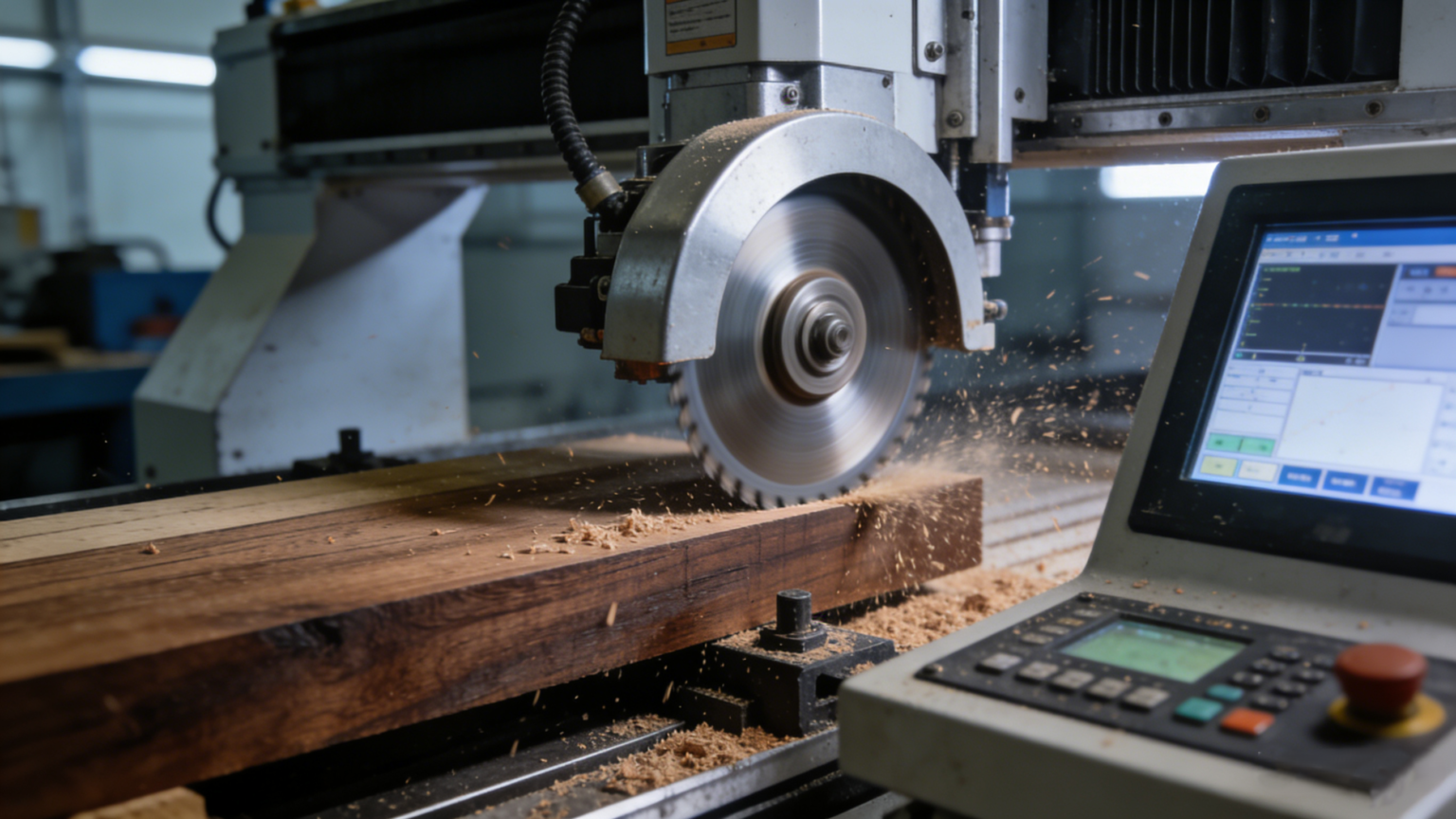
In mass production for a hotel, you might need 200 chairs. They all need to look exactly the same. If one chair is slightly different, the whole room looks bad. This is where we use technology. We use CNC machines[^12] to cut the wood. These machines are guided by computers. They cut to within a fraction of a millimeter. This means every leg, every arm, and every panel is identical. This is the base of our quality control. It removes human error from the cutting process.
However, machines cannot do everything. A machine cannot “feel” the wood. Wood is a natural material. It has grain and texture. This is where our experienced craftsmen come in. After the machine cuts the parts, our workers take over. They sand the wood by hand. They apply the veneer. They check the joints. I recall a project where the curve of a sofa arm was too complex for the machine to finish perfectly. Our master carpenter spent hours smoothing it by hand. That human touch is what makes the furniture feel expensive. It is a balance. We use machines for accuracy and speed. We use hands for beauty and detail.
Production Method | Purpose | Benefit to You |
CNC Cutting | Shaping parts and drilling holes. | 100% consistency across hundreds of items. |
Hand Sanding | Smoothing surfaces. | A soft, luxury feel that guests appreciate. |
Manual Assembly | Fitting parts together. | Stronger joints that do not wobble. |
Finishing | Painting and staining. | Deep, rich colors that match your design. |
What ensures the furniture is safe and durable?
Furniture that breaks after six months is a nightmare for any business. It costs you money to replace. We test everything to prevent this failure.
High quality means durability. We perform structural reinforcement[^13] and hardware cycle testing[^14]. We also check finishes against environmental standards[^15] to ensure the furniture withstands heavy daily use in commercial settings.
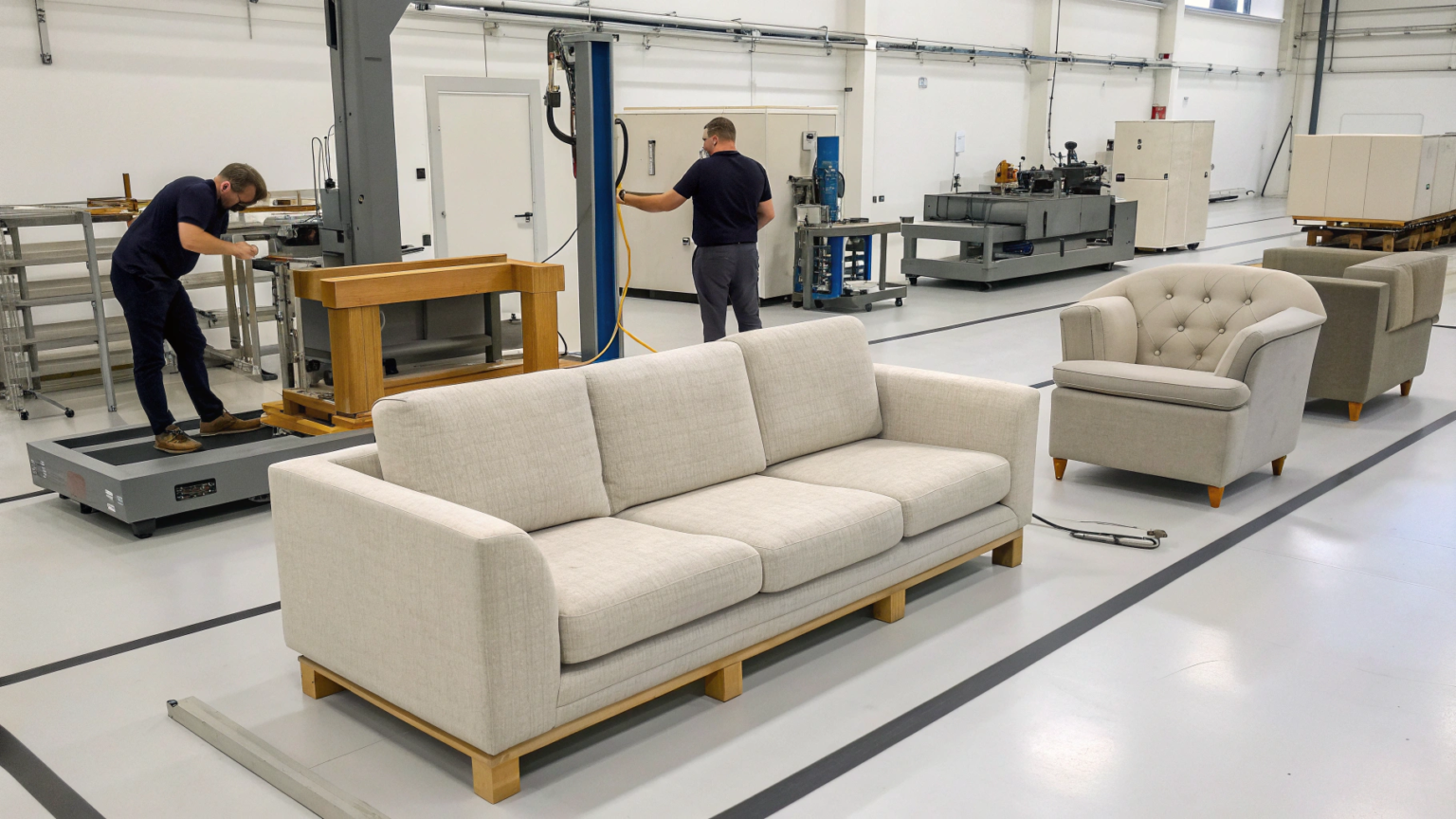
Commercial projects are different from residential homes. In a hotel or a restaurant, people are not careful with furniture. Guests drag chairs, slam drawers, and spill drinks. If we build the furniture like normal home furniture, it will break very fast. We have to think about “heavy duty” use. This is a critical part of our thinking. We do not just build for looks; we build for survival.
We focus on the hidden parts. We add metal supports inside wooden legs. We use higher density foam for sofas so they do not lose their shape. We test the hardware. For example, we open and close a drawer thousands of times to make sure the rails do not fail. We also test the paint and glue. We make sure they are safe and meet environmental standards[^15]. I remember a client who bought cheap tables from another supplier. The legs snapped after one month. They came to us for help. We rebuilt the tables with internal steel rods. They are still strong today. This testing phase is what gives you peace of mind.
Testing Area | What We Check | Result |
Structure | Load-bearing capacity. | Furniture supports heavy weight safely. |
Hardware | Hinges and slides. | Drawers and doors work smoothly for years. |
Surface | Scratch and liquid resistance. | Tables look new even after spills. |
Environment | Glue and paint emissions. | Safe air quality for your guests. |
Why is a unified manufacturing system necessary?
Dealing with five different factories is stressful and messy. Mistakes happen easily when suppliers do not talk. We handle everything in one place to save your time.
A unified production system[^16] merges metal, wood, and upholstery under one roof. This ensures colors match, parts fit together perfectly, and you only have one point of contact for the whole project.
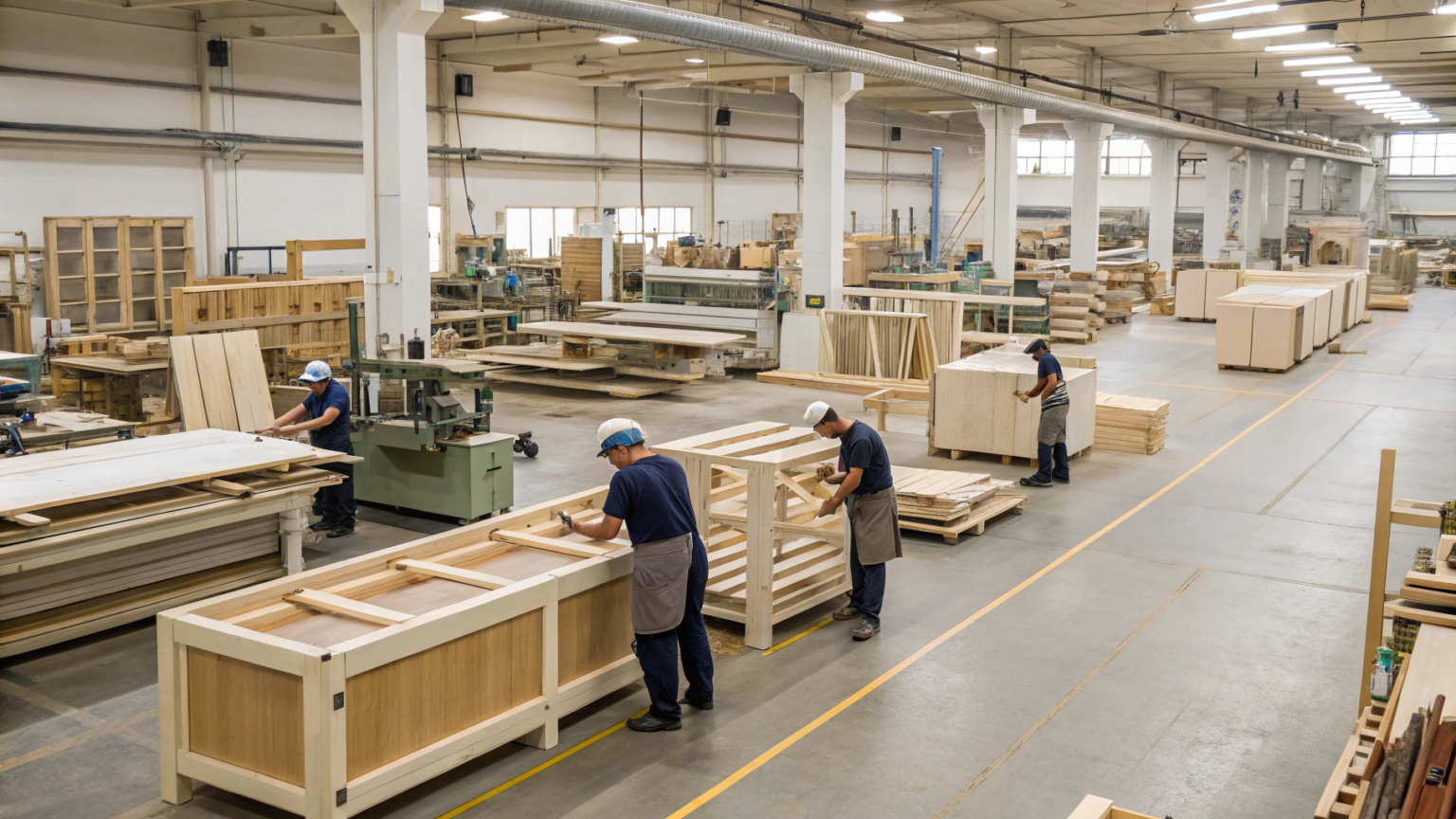
Many modern designs mix materials. You might have a desk with a stone top, a wood body, and brass legs. In the old way, you would buy the stone from one place, the wood from another, and the metal from a third place. This is a recipe for disaster. The metal legs might not fit the wood body. The gold color of the metal might clash with the stone. The delivery times might be different. You end up waiting and worrying.
At NEXTOP, we solve this by doing it all together. We are experts in both furniture and architectural metal works. When we make a table, the metal team and the wood team talk to each other. They work in the same system. We check the fit before we finish the product. This “One-Stop Execution[^17]” is our biggest strength. It means we catch mistakes before they leave our factory. It also means you get one report. You do not have to chase ten different people. I firmly believe that this integration is the only way to guarantee true high quality for complex commercial projects.
Integration Aspect | Problem with Separate Suppliers | The NEXTOP Solution |
Fit & Tolerance | Parts do not assemble correctly. | Pre-assembly in factory ensures perfect fit. |
Color Control | Metal finishes do not match design. | Unified control over all specialty finishes. |
Logistics | Items arrive at different times. | One coordinated shipment for the whole project. |
Communication | Blame game between factories. | One responsible partner for everything. |
Conclusion
True quality comes from strict processes, from engineering drawings to final testing. We combine machines and craft to deliver furniture that meets your exact vision and lasts for years.
[^1]: Understanding the importance of precise on-site measurement ensures your furniture fits perfectly in its intended space, enhancing both aesthetics and functionality.
[^2]: Explore how engineering-grade shop drawings prevent structural issues and ensure your furniture is both beautiful and durable.
[^3]: Learn how choosing the right materials can prevent future problems like sagging or breaking, ensuring long-lasting furniture.
[^4]: Discover how CNC precision manufacturing ensures consistency and accuracy in furniture production, eliminating human error.
[^5]: Understand how rigorous testing guarantees the durability and safety of furniture, preventing costly replacements.
[^6]: Explore how a deep understanding of design translates into furniture that meets your aesthetic and functional needs.
[^7]: Learn how robust engineering ensures that your furniture is structurally sound and built to last.
[^8]: Find out how project-ready solutions streamline the furniture installation process, saving time and reducing stress.
[^9]: Discover how structural logic in design prevents installation issues and ensures furniture stability.
[^10]: Learn how these drawings solve potential structural issues before production, saving time and money.
[^11]: Explore how skilled handcraft adds the finishing touches that machines cannot, ensuring a luxurious feel.
[^12]: Understand how CNC machines contribute to the precision and consistency of furniture parts, enhancing quality control.
[^13]: Learn how structural reinforcement techniques ensure furniture can withstand heavy use without breaking.
[^14]: Discover how hardware cycle testing ensures the longevity and smooth operation of furniture components.
[^15]: Understand how meeting environmental standards ensures the safety and sustainability of your furniture.
[^16]: Find out how a unified production system ensures seamless integration of different materials, enhancing quality and efficiency.
[^17]: Learn how One-Stop Execution simplifies the production process, reducing errors and improving communication.