Introduction
Renovating a space is often messy, expensive, and takes a long time. You might think you need to tear down walls or change the flooring to fix a boring room, but that is a big headache.
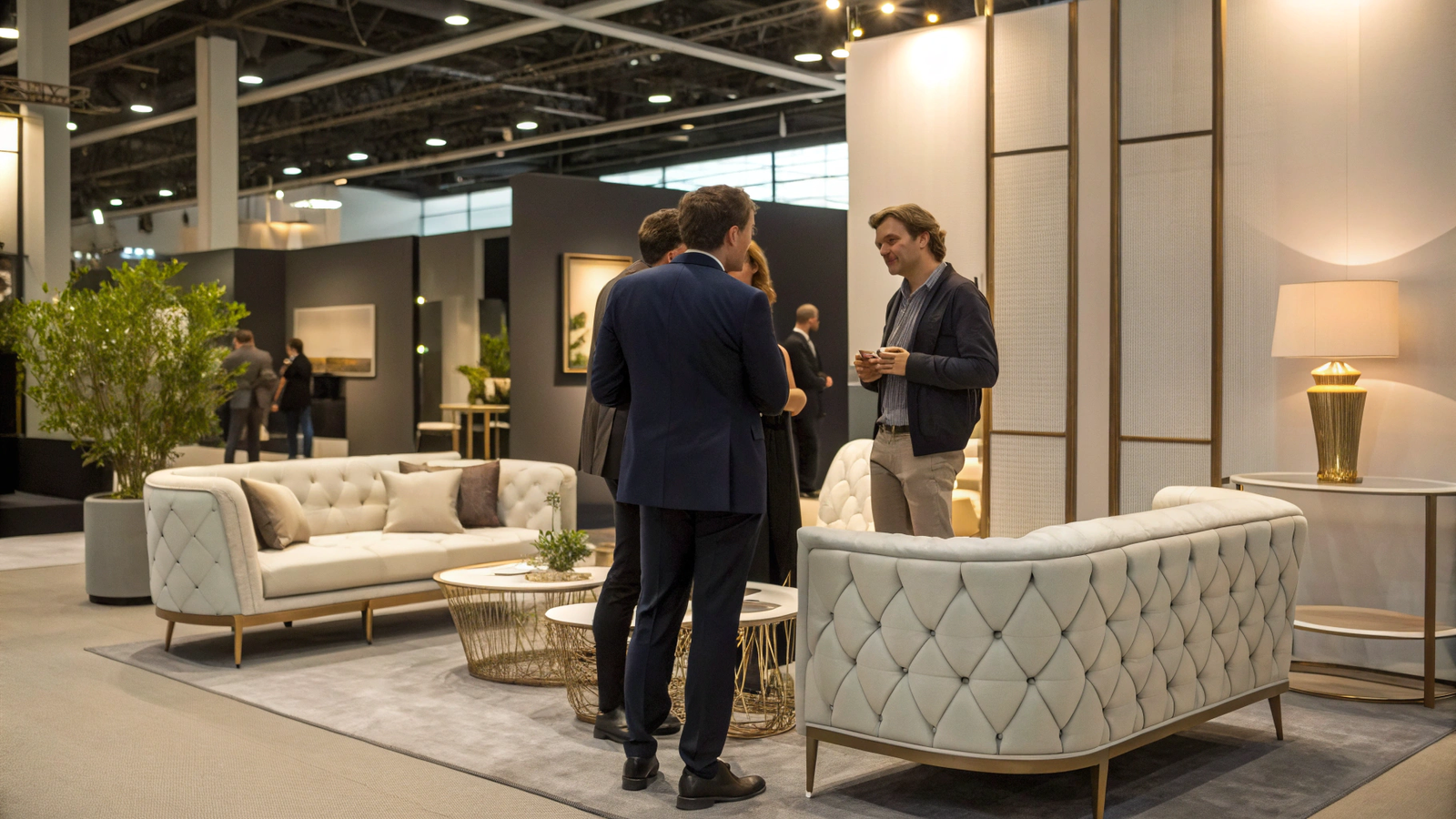
Custom furniture[^1] changes a space by aligning dimensions, materials, and flow without major construction. It offers precise control over aesthetics and function, creating a unified look that off-the-shelf pieces cannot match. This is the most effective way to elevate style and value.
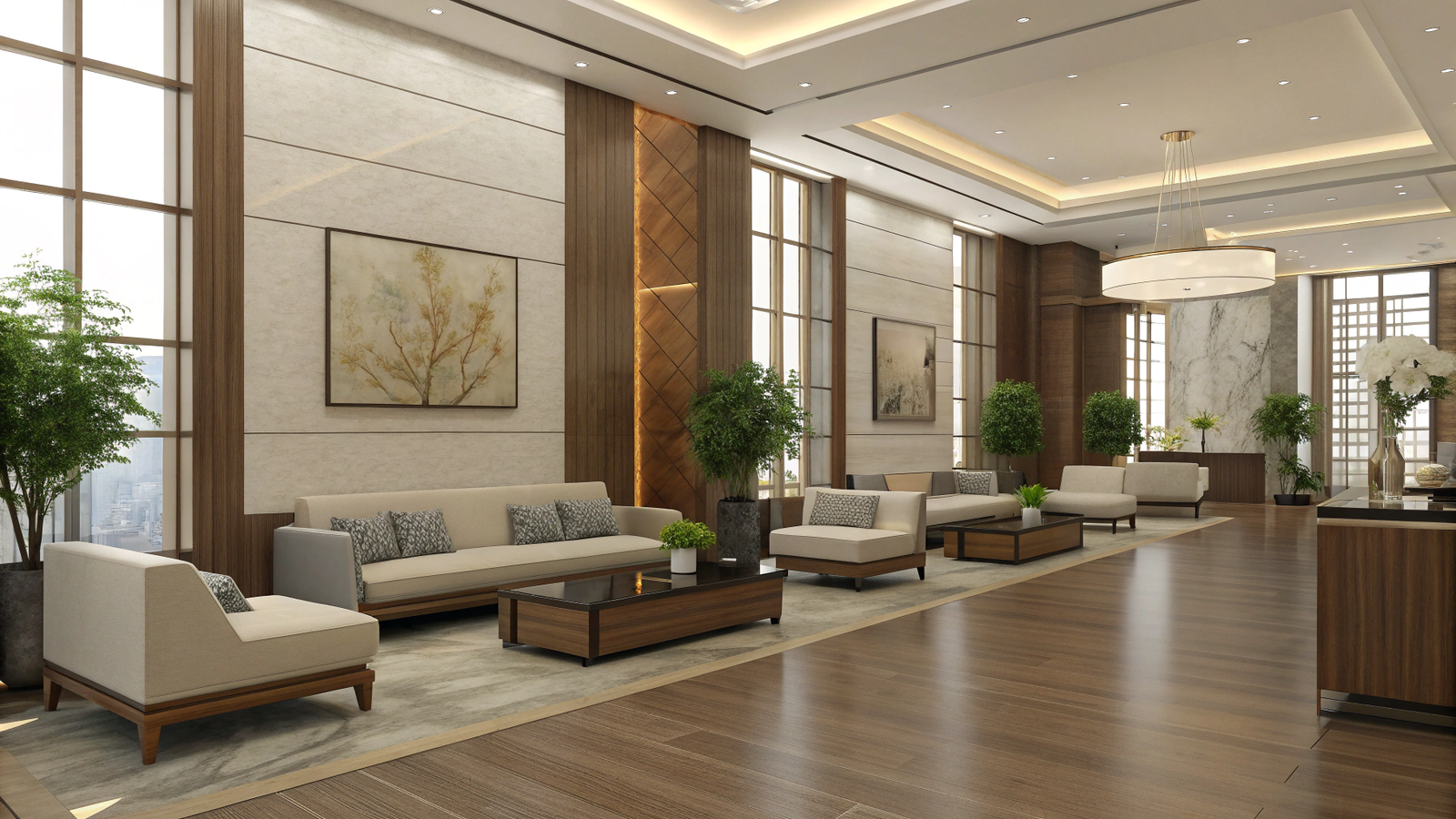
I see many projects fail because the furniture does not fit the room. The design looks good on paper, but the final result feels wrong. This usually happens when you buy standard products that do not match the specific needs of the building. I want to show you how a different approach works better.
How does custom furniture improve spatial proportions and flow?
Buying standard furniture often leaves awkward gaps in a room. It makes the space feel cluttered or empty because the pieces do not fit the actual size of the building.
Custom pieces are built to specific dimensions, maximizing every inch of floor space. They guide movement through the room naturally, ensuring the layout feels intentional and balanced rather than forced or crowded.
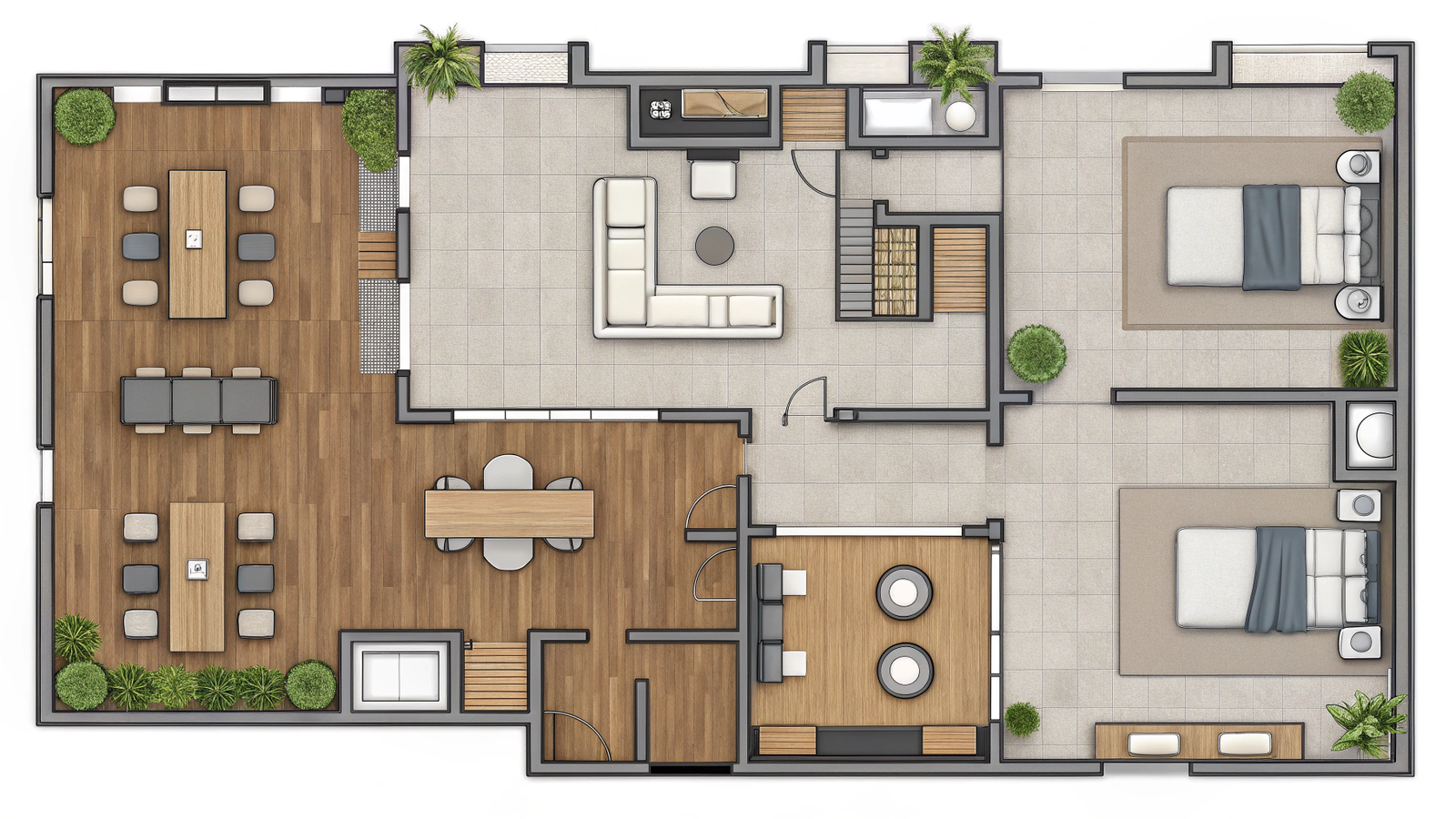
Moving from "Filling" to "Shaping"
I believe the biggest mistake people make is thinking of furniture as just objects to fill a room. When we work on high-end projects at NEXTOP, we see furniture as a tool to shape the space. Standard furniture forces you to work around it. Custom furniture[^1] works for you.
When you use custom designs, you can control the visual weight[^3] of the room. For example, if a ceiling is low, we can design lower furniture profiles to make the room feel taller. If a room has strange angles, we build pieces that follow those lines. This makes the furniture feel like part of the architecture.
Controlling the Flow
In a hotel lobby or a busy restaurant, how people walk is very important. This is called “flow.” Standard tables might be too wide and block the path. Custom options let us change the width by just a few centimeters. This small change opens up the path and makes the room feel bigger.
Here is how custom sizing helps different areas:
Feature | Standard Furniture | Custom Furniture |
Dimensions | Fixed sizes (e.g., 200cm sofa) | Exact fit (e.g., 215cm to fill a wall) |
Movement | Can block walkways | Designed to clear paths |
Visual Balance | Often too big or too small | Proportional to ceiling and walls |
Dead Space | Leaves gaps in corners | Utilizes every corner effectively |
I always tell my clients that good design is about these invisible details. You do not notice them when they are right, but you definitely feel it when they are wrong. Custom planning solves this before production starts.
Why is material coordination essential for a high-end look?
Mismatched wood stains and metal finishes look cheap and messy. They ruin the vibe of luxury projects instantly because the eyes get confused by too many different colors.
Custom manufacturing allows you to use the exact same veneers, metals, and fabrics across different furniture types. This unity creates a cohesive visual experience that defines the character of hotels, villas, and commercial spaces.
The Problem with Multi-Sourcing
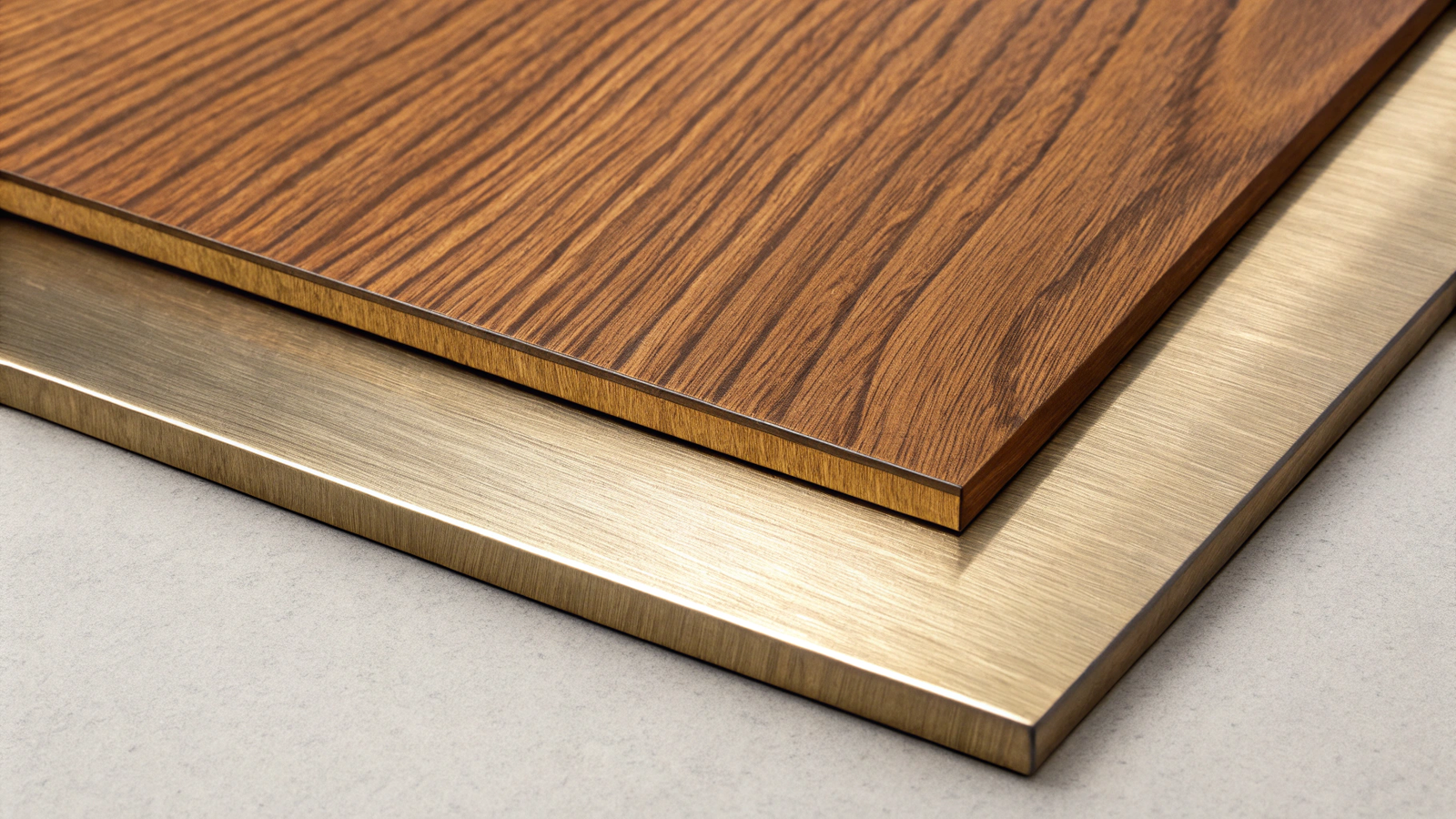
In my experience, buying from many different suppliers is a risk. You might buy a table from one shop and a chair from another. They both say “walnut finish,” but when they arrive, one is red and the other is brown. This creates a “style fracture[^5].” The room does not look calm or expensive. It looks like a showroom sale.
Unified Production at NEXTOP
At NEXTOP, we handle everything in one place. This includes wood, metal, stone, and upholstery. This is very important for the final look. If we use a specific bronze finish on a table leg, we use the exact same finish on the cabinet handle.
We also consider lighting. The material you choose must look good in your specific light. A shiny metal might look bad in a bright room, while a matte finish looks elegant. Customization lets us test this.
Layers of Texture
A good space needs layers. It needs a mix of hard and soft materials. Custom furniture[^1] lets you plan these layers perfectly. We can mix leather with stone, or wood with fabric, in a way that standard products cannot.
Here is why material control matters:
- Color Consistency: The wood grain matches across the whole room.
- Metal Matching: All hardware has the same tone and shine.
- Durability:You choose materials that last longer in high-traffic areas.
- Light Interaction: Finishes are chosen to work with your lighting plan.
When the materials work together, the space feels complete. It shows that you care about quality.
Can furniture really define your project's brand identity?
Generic furniture makes a hotel or office look like everyone else. Guests forget boring spaces immediately because there is nothing unique to remember or talk about.
Custom furniture[^1] acts as a physical extension of your brand story. Unique designs and specific finishes create memorable experiences for guests, distinguishing your property from competitors and increasing the perceived value of the destination.
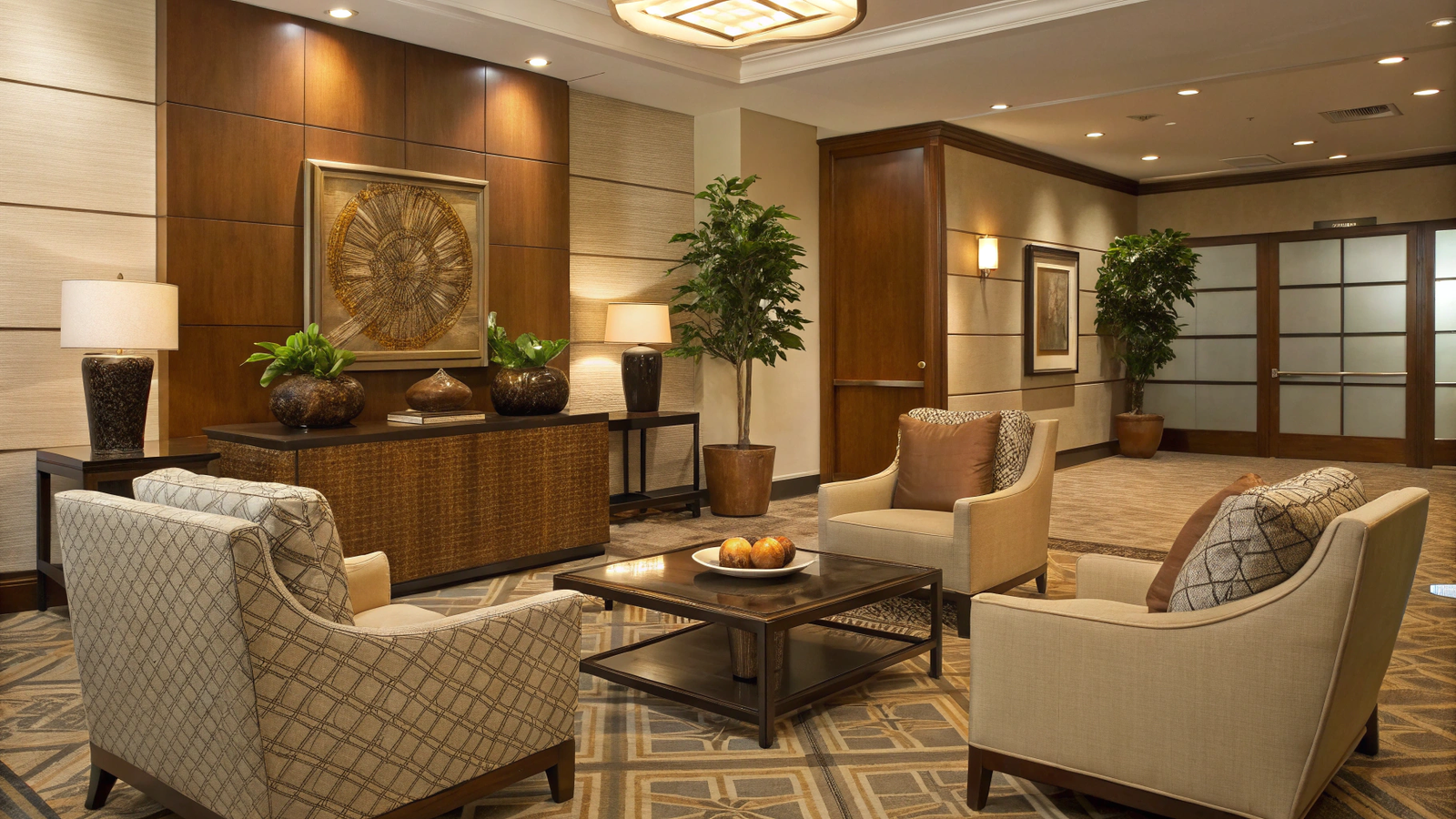
For my clients in the hospitality industry, brand is everything. A Marriott looks different from a W Hotel. This difference comes from the interior design. You cannot achieve a unique look with a catalog item that five other hotels also bought.
Custom furniture[^1] is the carrier of your brand image. If your brand is modern and tech-focused, we build sleek, metal-heavy designs with integrated power. If your brand is classic and warm, we use rich woods and soft curves. The furniture tells the guest who you are without words.
I have found that guests pay more for better environments. When a room feels “designed,” the perceived value goes up. This applies to hotels, retail stores, and even rental villas.
Custom furniture[^1] shows effort. It shows that the owner invested in the experience. This translates to better reviews and higher revenue. It is not just a cost; it is an investment in the business image.
Brand identity is also about how well things work. If a guest is frustrated because the bedside table is too small, that hurts your brand. Custom designs solve these specific problems.
- For Hotels: We build headboards with built-in controls.
- For Retail: We build displays that highlight products perfectly.
- For Offices: We build desks that hide messy cables.
Aspect | Generic Solution | Custom Solution |
First Impression | “I have seen this before.” | “This is new and exciting.” |
Guest Comfort | Average comfort | Tailored to user needs |
Durability | Standard wear and tear | Built for commercial use |
Brand Recall | Low | High |
By choosing custom, you stop competing on price and start competing on experience. That is how you truly change the look and feel of a space.
Conclusion
Custom furniture[^1] transforms a space by perfecting the layout, unifying materials, and solidifying your brand identity[^8], creating a high-value environment[^13] that standard furniture simply cannot achieve.
[^1]: Custom furniture offers precise control over aesthetics and function, creating a unified look that off-the-shelf pieces cannot match.
[^2]: Custom furniture maximizes floor space and guides movement naturally, ensuring a balanced and intentional layout.
[^3]: Custom designs allow control over the visual weight, making rooms feel taller or more cohesive by matching furniture to architectural features.
[^4]: Controlling the flow ensures that movement through a space is natural and unobstructed, enhancing the room’s functionality and feel.
[^5]: A style fracture occurs when mismatched finishes create a disjointed look, making a space feel less cohesive and luxurious.
[^6]: Unified production ensures consistency in materials and finishes, enhancing the overall aesthetic and quality of the space.
[^7]: Layers of texture add depth and interest to a space, allowing for a mix of materials that standard products cannot achieve.
[^8]: Custom furniture acts as a physical extension of a brand, creating unique designs that distinguish a property from competitors.
[^9]: Custom furniture reflects a brand’s image through unique designs and finishes, enhancing brand recognition and value.
[^10]: Custom furniture shows investment in the guest experience, leading to better reviews and higher revenue.
[^11]: Custom designs address specific functional issues, improving user experience and supporting brand identity.
[^12]: The value equation highlights how custom solutions enhance first impressions, comfort, durability, and brand recall.
[^13]: Custom furniture transforms spaces by perfecting layout, unifying materials, and solidifying brand identity, offering unmatched value.