Introduction
Are you frustrated that “affordable” custom furniture often means sacrificing quality? It feels like a choice between your design vision and your budget. You don’t have to settle.
The secret to affordable luxury is not just what you buy, but how you buy. It involves using engineering-based thinking to find and eliminate supply chain inefficiencies. This means you can get high-end, durable, custom pieces for the same price as mass-produced retail items.
I’ve spent my career in the custom furniture business, and I’ve seen countless clients struggle with this problem. They come to us with beautiful designs but are worried about the cost. They believe that getting what they want means spending a fortune. I’m here to tell you that this is a myth. The real path to value is about making smart, informed decisions. It’s about understanding where the costs are and how to control them without compromising the final product. Let’s explore how you can achieve this.
How can you cut costs without sacrificing luxury?
Tired of budget cuts forcing you to downgrade materials? This compromises your vision and disappoints clients. There is a smarter way to reduce costs without cheapening the final product.
The answer is “Value Engineering.” Instead of swapping solid wood for particleboard, we optimize the hidden structure while keeping the luxurious look. This approach maintains 100% of the aesthetic while often improving durability and reducing cost.
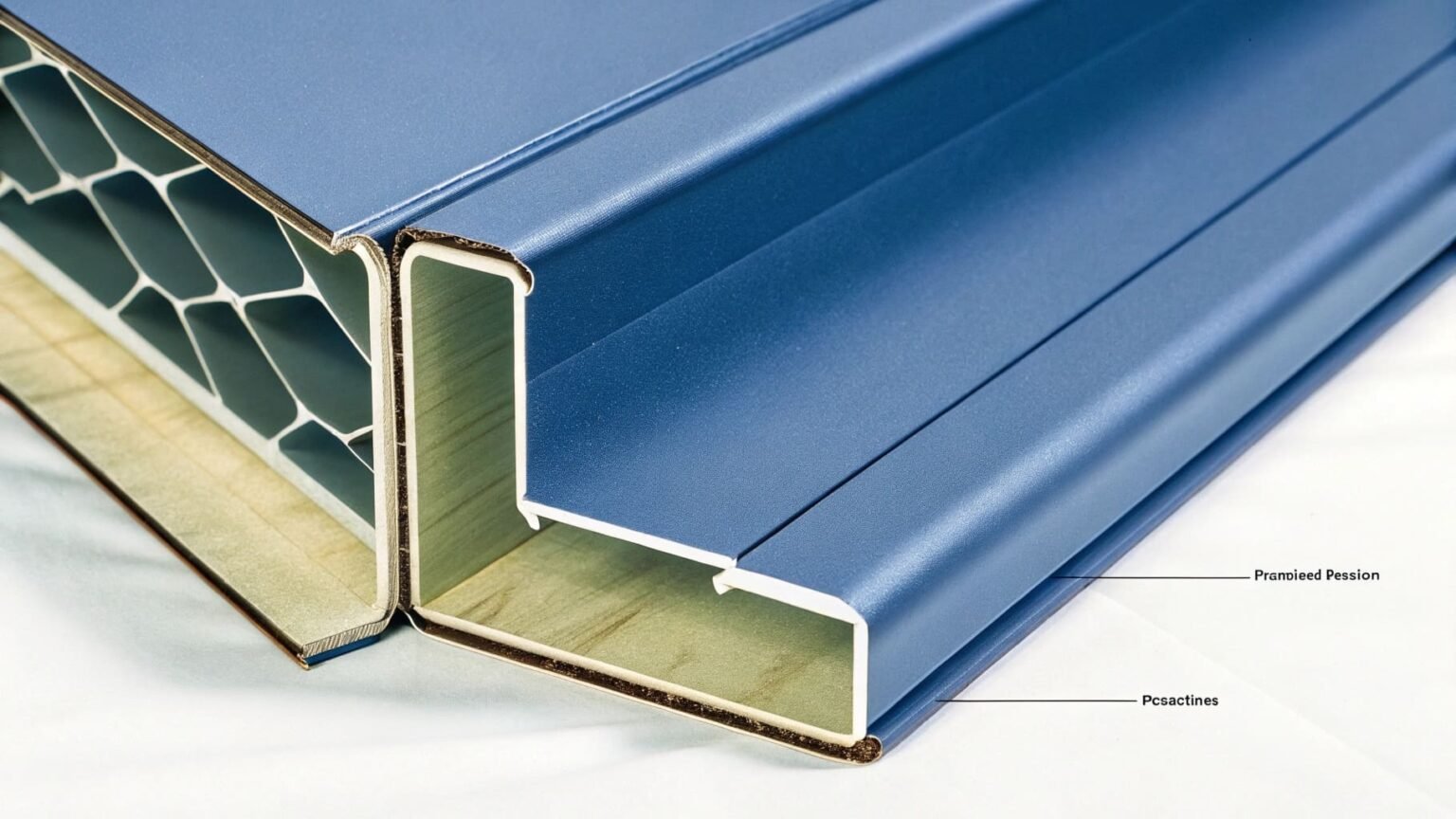
Value engineering is a systematic method for improving the value of a product. In furniture, this isn’t about using cheaper materials; it’s about using *smarter* materials and construction methods. The goal is to reduce cost without affecting the function or appearance of the piece. I once worked on a hotel project where the designer specified massive, solid marble slabs for reception desks. They looked incredible in the drawings, but the cost was astronomical, and the weight presented serious installation challenges. Instead of downgrading to a lesser material, we used value engineering. We proposed a composite panel using a 3mm-thick marble veneer bonded to a lightweight aluminum honeycomb core. The result? The desk had the exact same luxurious marble appearance, but the material cost was cut nearly in half. It was also significantly lighter, which reduced shipping and labor costs. On top of that, the composite structure was stronger and not prone to cracking like a large, unsupported stone slab. This is the power of an engineering mindset.
The Value Engineering Approach
Feature | Traditional Method (Solid Stone) | Value Engineering (Stone Composite) |
Appearance | 100% Natural Stone | 100% Natural Stone Surface |
Cost | Very High (Material & Labor) | Significantly Lower |
Weight | Extremely Heavy | Lightweight, Easy to Handle |
Durability | Prone to Cracking/Breaking | High Strength, Crack-Resistant |
Installation | Difficult, High Labor Cost | Simple, Lower Labor Cost |
Why is retail custom furniture so expensive?
You see a high price tag on custom furniture and wonder where the money goes. Much of it is not for the product itself. It pays for expensive showrooms and middlemen.
A large part of the retail price, sometimes over 60%, covers showroom rent, marketing, and commissions. You can avoid this by working directly with a source factory that has engineering capabilities, ensuring your budget is spent on quality materials and craftsmanship.
The traditional retail model has many layers. A piece of furniture might go from the manufacturer to a distributor, then to a brand’s warehouse, and finally to a retail showroom before it gets to you. Each step adds a markup, and by the end, the price can be two to three times the original manufacturing cost. I’ve seen clients get quotes from retail brands for a project, then come to us. They are consistently shocked to learn that for the same budget, they can get much higher quality by going direct. When you partner with a source factory like us, you bypass all those extra costs. Your money goes directly into the physical product: the stainless steel, the solid wood, the high-density foam, and the skilled labor. This allows you to access what we in the industry call “contract-grade” quality. Contract-grade furniture is built for heavy commercial use in places like hotels and offices, meaning it’s designed for extreme durability and longevity. By going direct, you get this superior standard for a price that’s competitive with lower-quality residential retail furniture.
What is the biggest hidden cost in custom furniture?
You found a cheap workshop, but the problems started on-site. The furniture doesn’t fit, delaying the entire project. This hidden cost can be huge and frustrating.
The most expensive cost is almost always rework. On-site fixes and project delays can cost more than the furniture itself. The key to real savings is “doing it right the first time” through precise engineering and pre-assembly reviews before the items ever leave the factory.
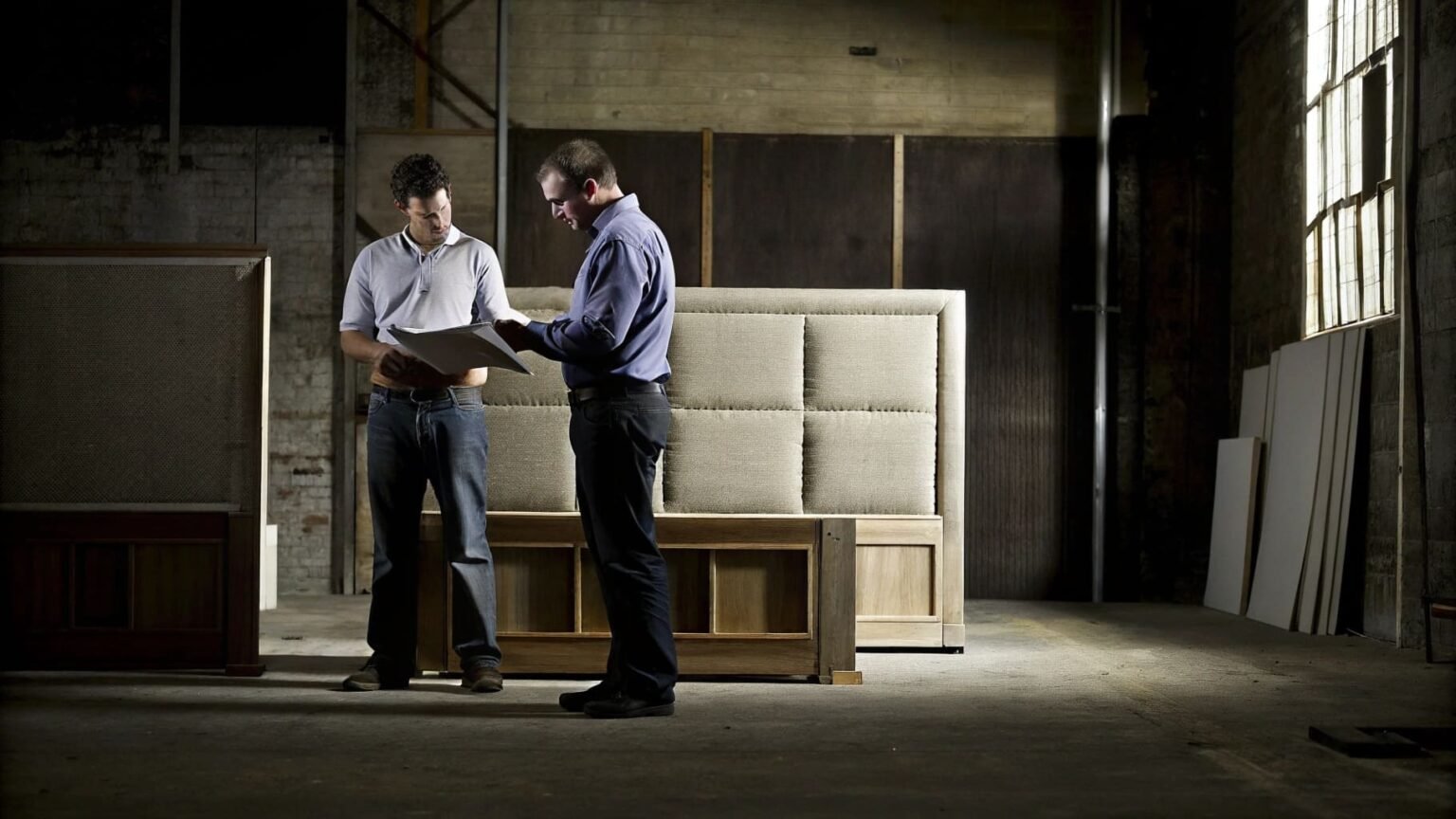
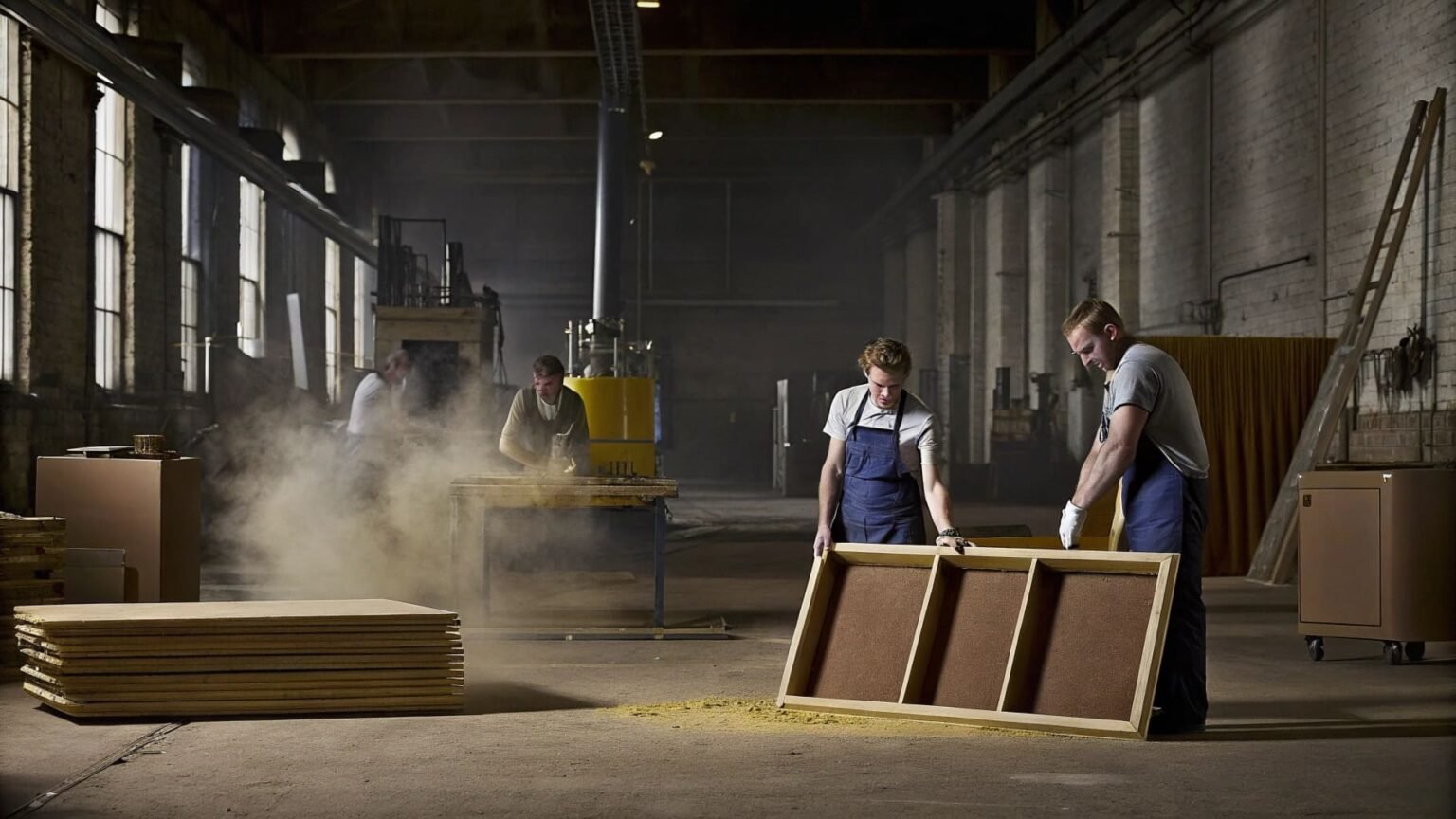
In my experience, especially on large-scale commercial or high-end residential projects, time is the most valuable commodity. A delay of even one week can have a massive financial ripple effect. The cheapest quote often comes from small workshops that lack rigorous engineering processes. They might take measurements and build the piece, but they don’t account for the realities of the site. I remember a project where a contractor used a local joiner to save money on a complex wall-to-wall wardrobe. When it arrived on site, it was a few centimeters too wide and interfered with an electrical outlet. The cost of on-site modifications, electricians, painters, and the project delay was three times the initial savings on the wardrobe. A professional engineering-focused factory eliminates this risk. We start by creating detailed shop drawings. Then, we use digital models to check for any clashes with structure or utilities. The most critical step is the final one: we do a 100% physical pre-assembly (a mock-up review) in our factory. This guarantees that when the pieces arrive on your project site, they fit perfectly and assemble smoothly. This factory-side precision saves you from expensive on-site surprises and ensures your project stays on schedule.
Is handmade always better for custom furniture?
Many people think “custom” means a lone artisan building everything by hand. This traditional method is romantic, but it’s often slow, incredibly expensive, and less precise than modern techniques.
No, modern “industrialized customization” is often better. It uses high-precision machinery like CNC routers and laser cutters to execute digital designs perfectly. This approach delivers superior precision, speed, and cost-effectiveness compared to purely manual labor, especially for complex or large-scale projects.
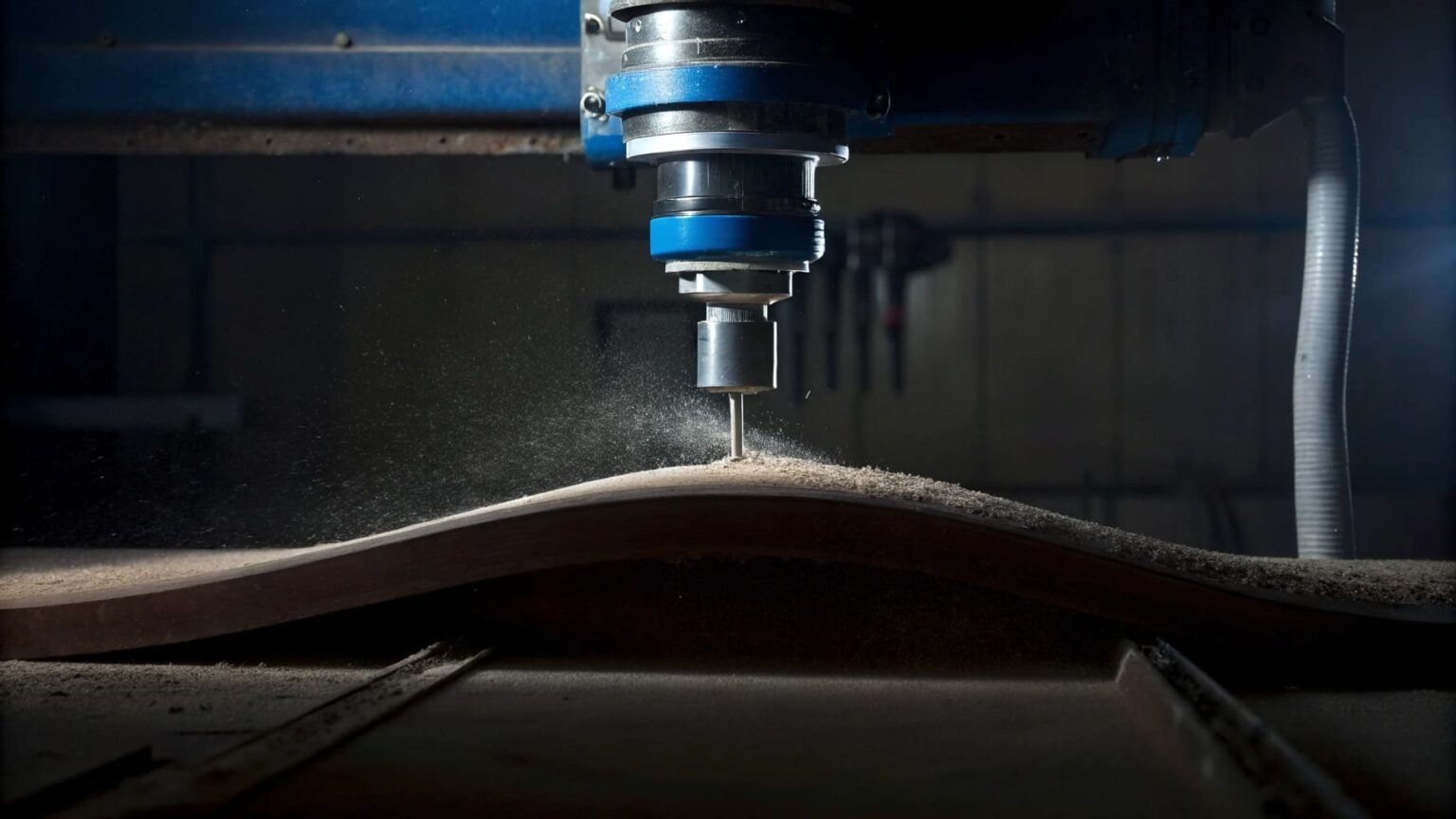
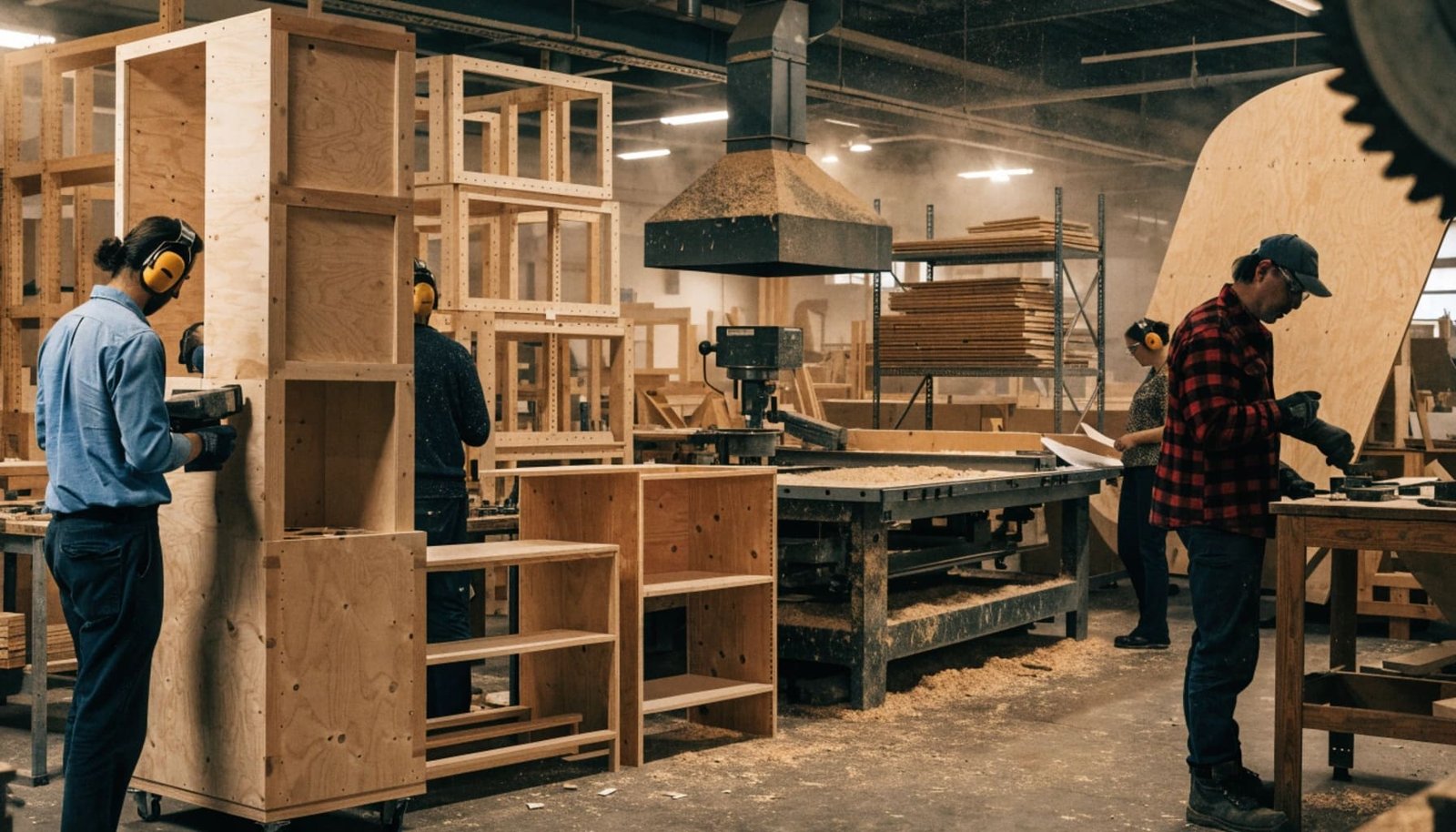
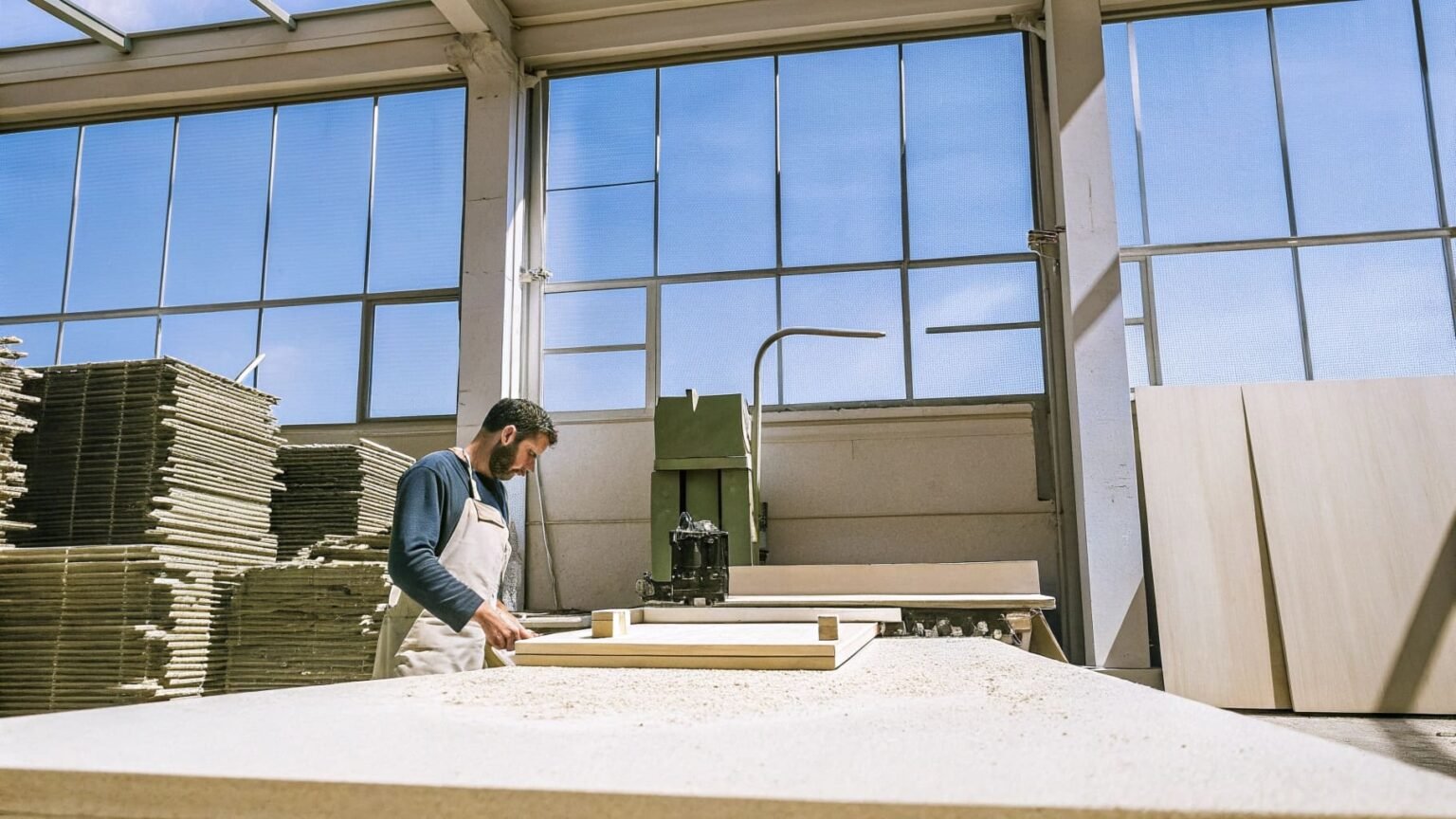
The image of a carpenter hand-crafting a piece of furniture is powerful, but it’s not the most efficient model for most modern projects. The cost of that highly skilled labor, especially for on-site work, can be astronomical. At NEXTOP, we embrace a hybrid approach called industrialized customization. We combine the soul of craftsmanship with the precision of advanced manufacturing technology. When a designer sends us a drawing, we translate it into digital code. That code then drives our 5-axis CNC machines and automated metal cutters. These machines can produce complex, non-standard components with flawless accuracy and repeat them perfectly, whether for one piece or one hundred. This process doesn’t replace artisans; it empowers them. Our skilled team then takes these precisely made components for finishing, assembly, and quality control. This method allows us to create highly intricate and unique designs with an efficiency that pure handwork could never match. It dramatically reduces labor costs, speeds up production, and ensures a level of quality and consistency that is simply on another level. This is how we deliver true “high-quality, low-price” custom furniture.
Conclusion
True value in custom furniture comes from smart engineering, direct sourcing, meticulous planning, and modern manufacturing. By adopting this mindset, you can achieve your design vision without overspending.