Introduction
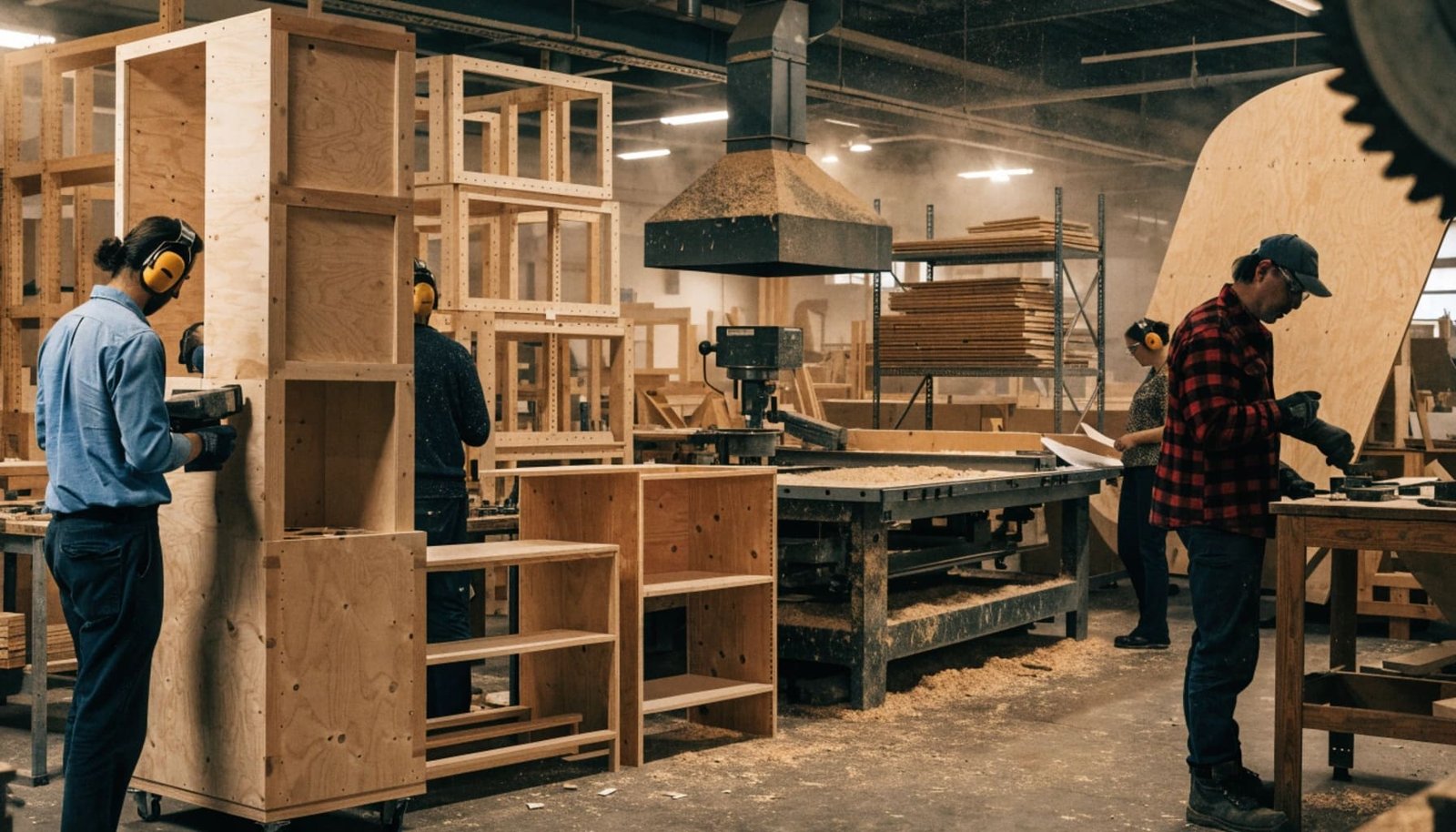
Struggling to find a furniture maker who delivers your exact vision? You’re tired of delays and quality issues[^1]. The solution is a single, integrated partner who manages everything from start to finish.
The best source for reliable custom furniture[^2] is a supplier with a complete, in-house production system[^3]. Look for a partner with their own factory who manages engineering[^4], manufacturing, and quality control[^5] under one roof. This ensures your design intent[^6] is perfectly executed with consistent quality and on-time delivery.
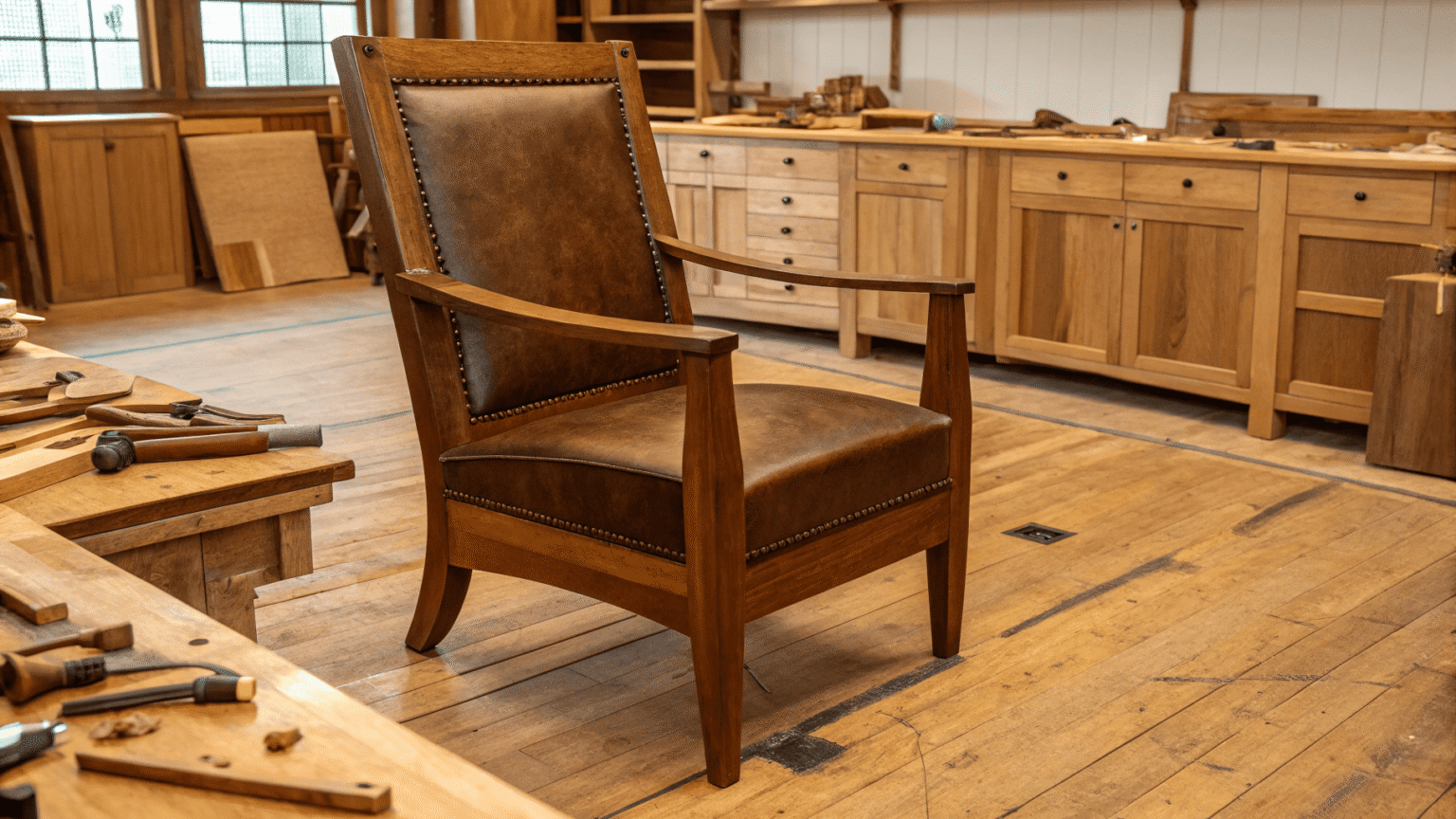
This sounds simple, but how do you spot a truly capable partner? Many companies claim they can “do custom,” but not all of them have the systems to back it up. I’ve spent years in this industry, and I’ve seen how projects can go wrong when you choose the wrong supplier. The key is to ask the right questions and look for specific capabilities. Let’s break down what really matters when you’re sourcing furniture for a high-stakes project. It all starts with understanding the different types of suppliers.
What's the Difference Between a Workshop and an Integrated Manufacturer?
Worried a small workshop can’t handle your project’s scale or complexity? You fear inconsistent quality and missed deadlines when your designs are demanding. An integrated manufacturer[^7] provides the engineering[^4] and control needed for complex projects.
A workshop often specializes in one craft, like carpentry. An integrated manufacturer[^7], however, manages the entire process—from engineering[^4] drawings to production and finishing—for multiple materials. This offers unified quality control[^5] and a single point of responsibility for your entire furniture scope[^8], which workshops cannot match.
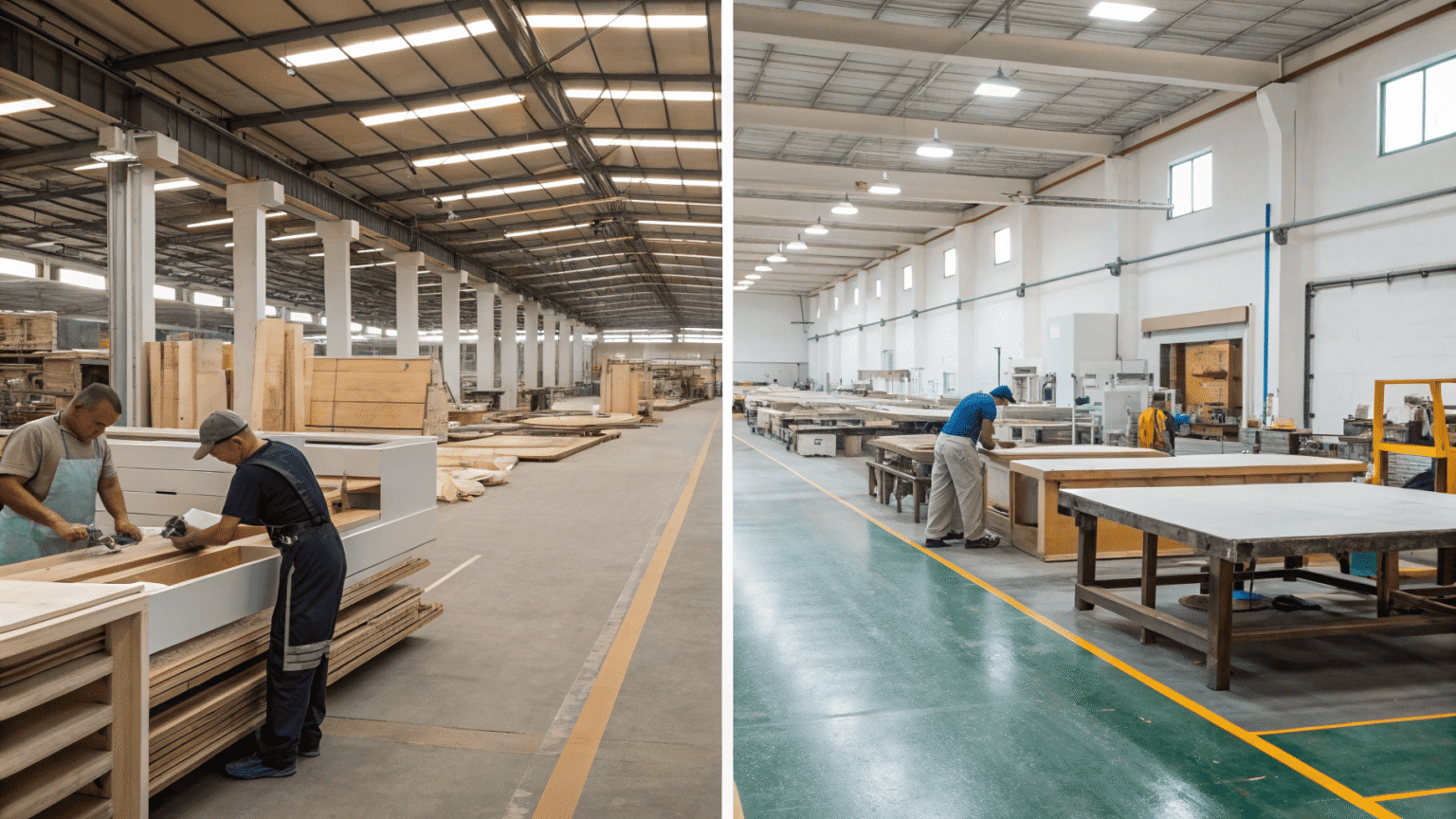
The distinction between a small workshop and an integrated manufacturer[^7] is crucial for commercial and hospitality projects. I appreciate the artistry of a local craftsman. But when a client needs 150 identical casegoods for a hotel, a small workshop just isn’t the right fit. The challenge is consistency at scale. An integrated manufacturer[^7] is built for this. They have dedicated teams for engineering[^4], project management[^9], and quality control[^5]. This structure ensures that the 150th piece is a perfect match to the first.
Scope and Control
An integrated manufacturer[^7] handles diverse materials like wood, metal, stone, and upholstery under one system. I remember a project that required custom desks with complex metal inlays. A workshop would have to outsource the metalwork, creating a risk of poor fit and finish. Our factory produced both the wood and metal components, ensuring a perfect, seamless integration. This level of control is impossible when you split the work.
Quality and Consistency
In a large-scale operation, quality control[^5] isn’t just a final check. It’s a process embedded at every stage. We have QC checkpoints after cutting, after assembly, after finishing, and before packing. This systematic approach catches potential issues early. A small workshop often relies on a single person’s eye, which can be inconsistent across a large order.
Feature | Small Workshop | Integrated Manufacturer |
Best For | One-off artistic pieces | Commercial, hospitality, large-scale projects |
Material Handling | Usually one specialty (e.g., wood) | Multiple materials (wood, metal, stone) |
Quality Control | Relies on individual craftsman | Multi-stage, systematic process |
Scalability | Limited | High volume and consistency |
Engineering | Basic or none | In-house engineering team |
How Does a One-Stop Supplier Prevent Project Delays?
Have project timelines been wrecked by supplier coordination problems? Juggling separate vendors for wood, metal, and upholstery creates endless opportunities for miscommunication and delays. A one-stop supplier[^10] eliminates these risks by managing the entire workflow internally.
A one-stop supplier[^10] prevents delays by centralizing the entire workflow. Engineering, sampling, production, and logistics are all handled by one team. This eliminates the back-and-forth between multiple vendors, reduces communication errors, and ensures a smooth, predictable timeline from start to finish.
The biggest source of delays in custom projects is poor communication between different suppliers. I’ve seen it happen too many times. The metal fabricator is waiting on final dimensions from the woodworker. The woodworker is waiting on the fabric sample from the upholsterer. The upholsterer is waiting for the frame. Each handoff is a potential point of failure. A single delay creates a domino effect that can push a project back by weeks or even months. A one-stop supplier[^10] completely removes this risk.
The Unified Workflow Advantage
With a single, integrated partner, your entire project is managed under one roof by one project manager. That person is your single point of contact. They coordinate the internal teams—engineering[^4], production, finishing, and logistics. For example, our engineering[^4] team can develop shop drawings[^11] for a metal table base and a marble top simultaneously. Because our production teams are in the same system, they work from the same set of approved plans. This ensures the base and top will fit together perfectly, without shipping physical parts back and forth for test-fitting.
Real-World Impact on Timelines
I recall a boutique hotel project where the designer specified custom vanities with integrated metal frames, stone tops, and wood cabinetry. If the client had used three separate suppliers, coordination would have been a nightmare. Instead, we handled everything. Our teams coordinated internally to ensure a perfect fit and finish. We even pre-assembled a full mock-up[^12] in our factory for the client to approve. This streamlined process saved them at least a month on their project schedule and eliminated the stress of managing three different vendors.
Process Stage | Multi-Supplier Model | One-Stop Supplier Model |
Engineering | Separate drawings; risk of conflict | Unified shop drawings |
Communication | Complex; multiple contacts | Simple; one project manager |
Problem Solving | Blame-shifting between vendors | Internal, fast resolution |
Timeline | Unpredictable; risk of delays | Coordinated and predictable |
Why is In-House Engineering a Critical Factor for Custom Furniture?
Do your beautiful designs get lost in translation during production? You’re frustrated when the final product doesn’t match the structural integrity[^13] or detail of your drawings. In-house engineering[^4] ensures your creative vision is translated into a buildable and precise final piece.
In-house engineering[^4] is critical because it bridges the gap between design and manufacturing. An engineering[^4] team reviews your drawings, creates detailed shop drawings[^11] for production, and solves structural challenges before a single piece of wood is cut. This guarantees accuracy, stability, and faithfulness to your original design.
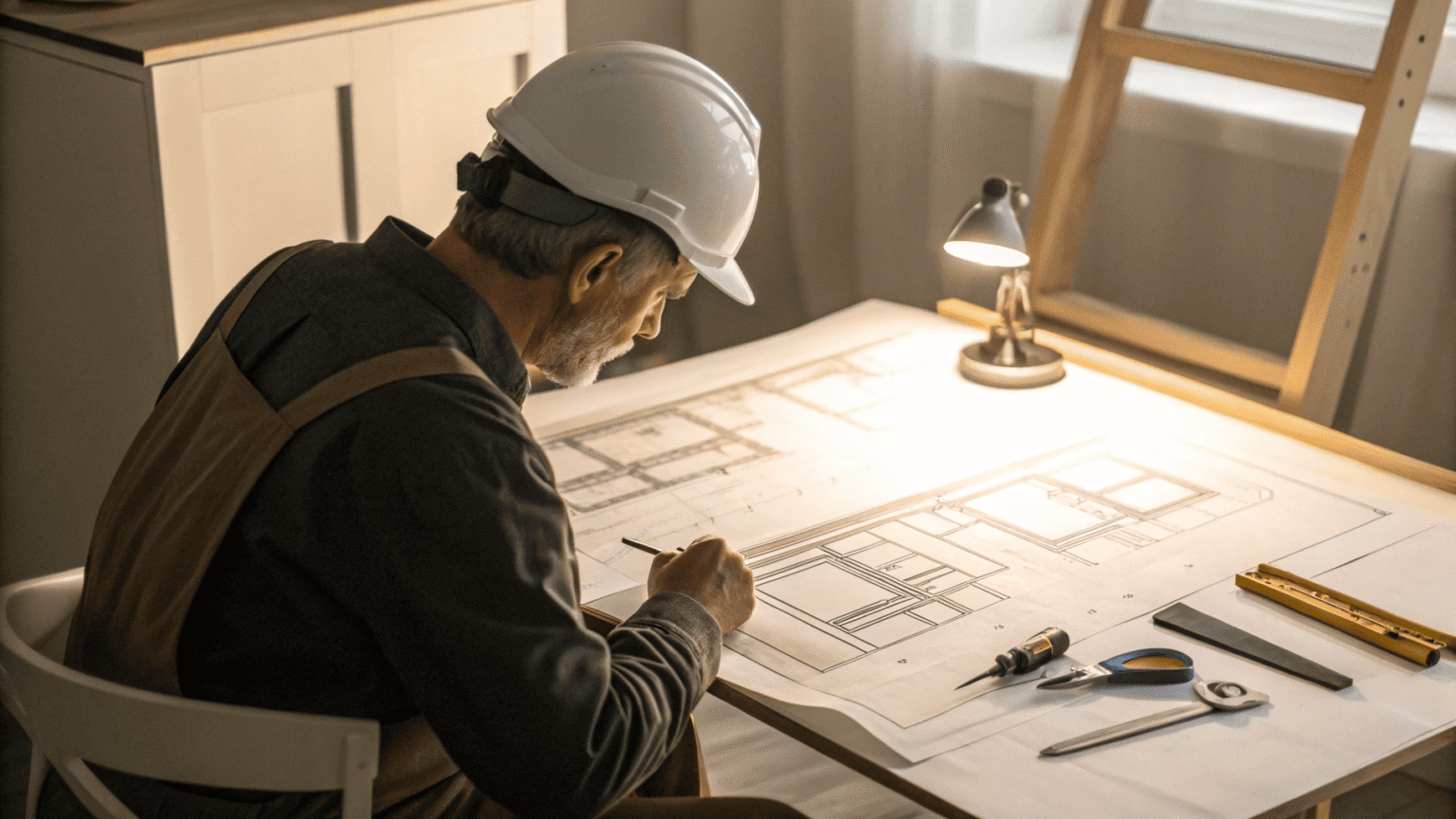
A designer’s concept drawing is about vision and aesthetics. A factory, however, needs a precise blueprint to build from. This is where the in-house engineering[^4] team comes in. They are the translators who turn a beautiful idea into a functional, durable, and perfectly executed piece of furniture. A supplier without a strong engineering[^4] department is just guessing. And in high-end projects, guessing is not an option.
From Design to Shop Drawing
The most important document an engineer produces is the shop drawing. It contains every detail: exact dimensions, material specifications, joinery methods, hardware locations, and finishing instructions. I worked with an architecture firm once on a complex, curved reception desk. The design was stunning, but it wouldn’t stand up on its own. Our engineers analyzed the design and proposed a hidden steel sub-frame. They integrated it into the shop drawings[^11], providing full support without changing the designer’s aesthetic. This is what a true partner does. They don’t just say “it can’t be done”—they find a way to do it right.
Solving Problems Proactively
A good engineering[^4] team anticipates problems. They look at a design and ask important questions. Is this joint strong enough? Will this veneer pattern align correctly across multiple doors? Is there enough clearance for the drawer slides? By solving these issues on paper before production begins, they save enormous amounts of time and money. This proactive approach is a hallmark of a mature manufacturing partner.
Engineering Step | Description | Value to Client |
Design Review | Analyze the designer’s concept for feasibility. | Ensures the design is buildable and stable. |
Shop Drawing Creation | Create a detailed manufacturing blueprint. | Guarantees precision and accuracy in production. |
Structural Solution | Solve for load-bearing and stability issues. | Prevents product failure and ensures longevity. |
Material Specification | Define exact materials, hardware, and finishes. | Ensures the final piece matches the design intent. |
How Can I Verify a Supplier's Customization Capabilities?
Unsure if a potential supplier can actually deliver on their promises? You are afraid of committing to a partner only to discover their quality does not meet your standards. You can verify their capabilities by asking for proof.
Verify a supplier by reviewing their project portfolio, especially for projects similar to yours. Ask for detailed shop drawings[^11] from past jobs. Most importantly, request a physical sample or a factory mock-up[^12]. Seeing and touching their work is the ultimate test of their quality and engineering[^4] precision.
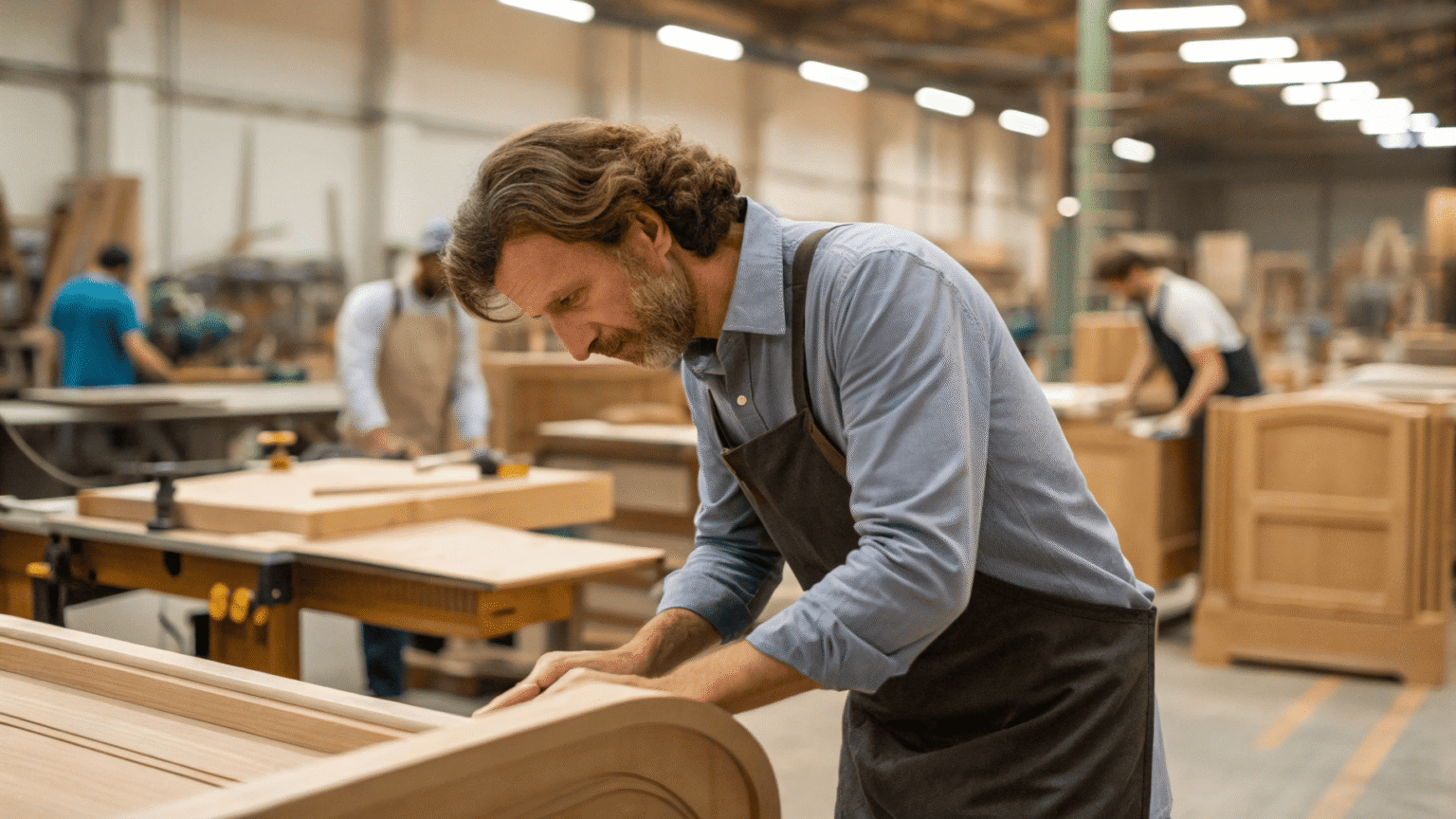
Talk is cheap. Many suppliers have beautiful websites and slick brochures. But the only way to know for sure if they can deliver is to see the proof yourself. Before you commit to a large order for a hotel or commercial project, you need to do your homework. I have a process I follow to vet any new potential partner, and it has never failed me. It involves looking beyond the marketing and digging into the real substance of their work.
The Portfolio and Sample Review
First, look at their portfolio. Don’t just look at the pretty photos. Ask for projects that are similar in scale and complexity to yours. Ask to see the shop drawings[^11] they created for that project. A confident supplier will be happy to share them. Then, request a physical sample. This is the most important step. A sample tells you everything. You can check the quality of the joints, the smoothness of the finish, the precision of the hardware installation. Is the construction clean and solid? Does it feel substantial? I once rejected a potential supplier because the sample they sent had a poorly applied finish and misaligned joints. The photos looked great, but the physical piece told the real story.
The Factory Visit
If possible, visit the factory. A factory visit[^14] is incredibly revealing. You can see their level of organization, their machinery, and their people at work. A well-run factory is clean, organized, and has a clear production flow. I created a simple checklist for what to look for during a factory visit[^14]. It helps you assess whether their operation is as professional as they claim.
Factory Visit Checklist | What to Look For | Red Flags |
Organization | Clean floors, organized workstations. | Clutter, disorganized material storage. |
Machinery | Modern, well-maintained equipment. | Old, rusty, or broken machinery. |
Quality Control | A dedicated QC station or area. | No evidence of a formal QC process. |
Workflow | A clear, logical flow from raw material to finished good. | A chaotic process with no clear path. |
Team | Staff appear skilled and focused. | Unsupervised or disengaged workers. |
Finding a reliable custom furniture[^2] supplier means choosing an integrated partner with in-house engineering[^4] and manufacturing. This ensures your design vision is executed with precision, quality, and on-time delivery.
[1]: Learn effective strategies for identifying and resolving quality issues in manufacturing.
[2]: Explore the advantages of custom furniture to understand how it can meet your specific needs and style.
[3]: Learn about in-house production systems and how they enhance quality and efficiency in manufacturing.
[4]: Understand the critical role of engineering in translating designs into functional products.
[5]: Discover the importance of quality control in ensuring product reliability and customer satisfaction.
[6]: Explore methods to ensure that your design intent is accurately translated into the final product.
[7]: Find out how integrated manufacturers streamline processes and improve project outcomes.
[8]: Understand the concept of furniture scope and its significance in project planning.
[9]: Explore how effective project management can enhance efficiency and communication in manufacturing.
[10]: Discover how one-stop suppliers can simplify your procurement process and reduce delays.
[11]: Find out what shop drawings are and why they are essential for successful manufacturing.
[12]: Learn about the importance of mock-ups in ensuring design accuracy and client satisfaction.
[13]: Understand the importance of structural integrity in creating durable and safe furniture.
[14]: Learn what to assess during a factory visit to ensure quality and professionalism.