Introduction
From the bronze statues of ancient Greece to contemporary stainless steel masterpieces in luxury hotels and urban plazas, metal sculptures have been an enduring symbol of creativity, cultural identity, and craftsmanship. These works of art not only celebrate human imagination but also demonstrate technological progress across centuries.
At NEXTOP, our expertise in Architectural Metal Works bridges the timeless heritage of metal sculpting with the demands of today’s luxury projects. In this article, we’ll explore the fascinating history of metal sculptures and their lasting impact on both art and architecture.
Metal Sculptures in Ancient Civilizations
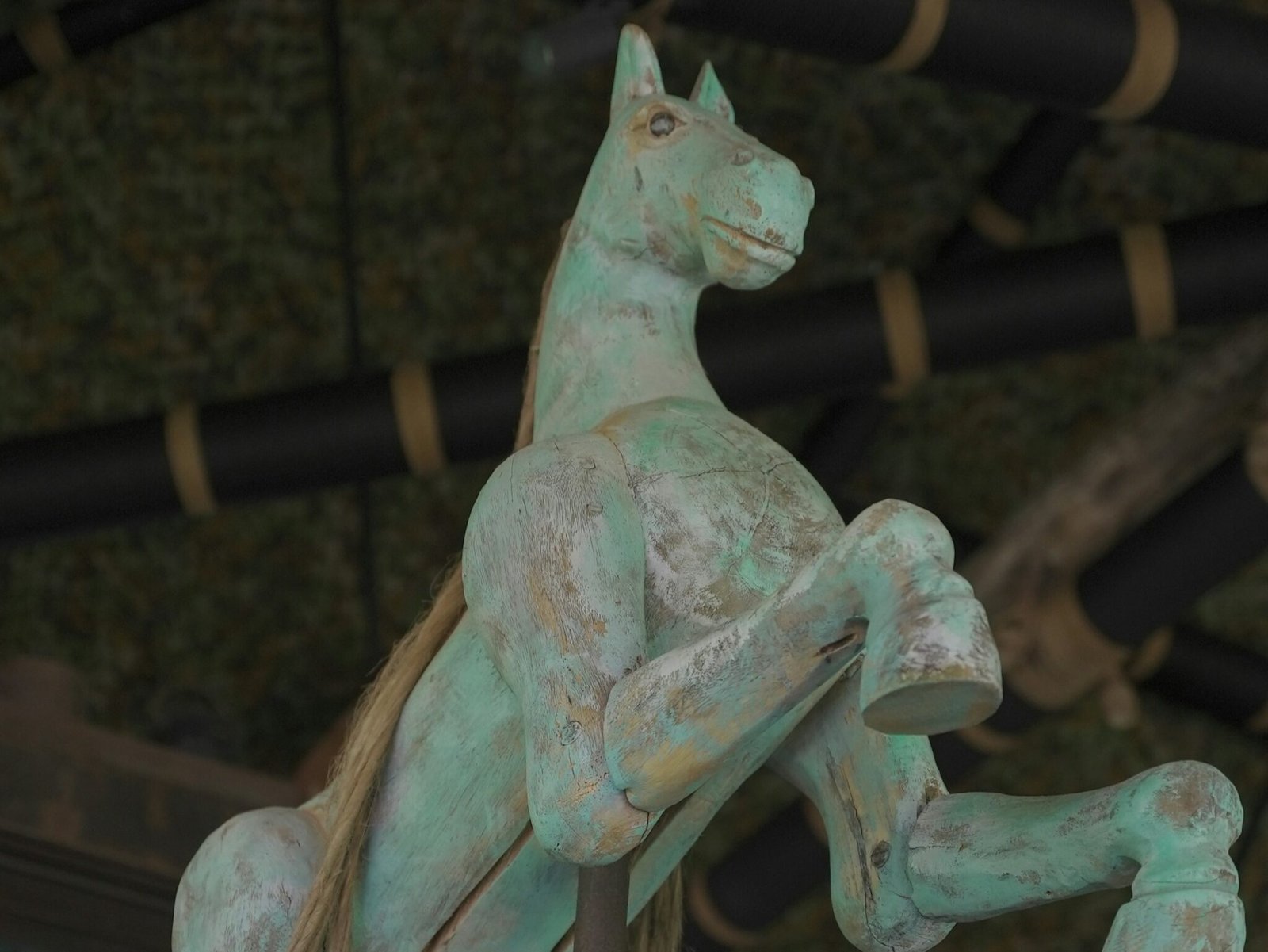
Metalworking has been practiced for over 5,000 years. Early civilizations used metal not only for tools and weapons but also for art and symbolism.
- Egypt (3000 BCE): Gold and copper figurines symbolized gods and pharaohs, often buried in tombs.
- Greece & Rome: Bronze was the preferred medium for lifelike statues. The famous Bronze Riace Warriors reflect the technical mastery of the era.
- China (Shang Dynasty): Bronze ritual vessels were both functional and decorative, showcasing artistic symbolism and craftsmanship.
- India: Bronze and brass were widely used in Hindu temple sculptures, blending religious devotion with artistic beauty.
Medieval & Renaissance Metal Sculptures
During the Middle Ages, metalwork was often tied to religious art:
- Bronze doors in cathedrals
- Intricate reliquaries and altar pieces
- Decorative ironwork for churches and castles
By the Renaissance, metal sculpture evolved with new realism and detail:
- Donatello’s bronze David redefined humanistic art.
- Ghiberti’s bronze doors in Florence showcased technical brilliance.
- Artists combined sculpture with architecture, influencing design traditions still seen today.
Modern & Contemporary Metal Sculptures
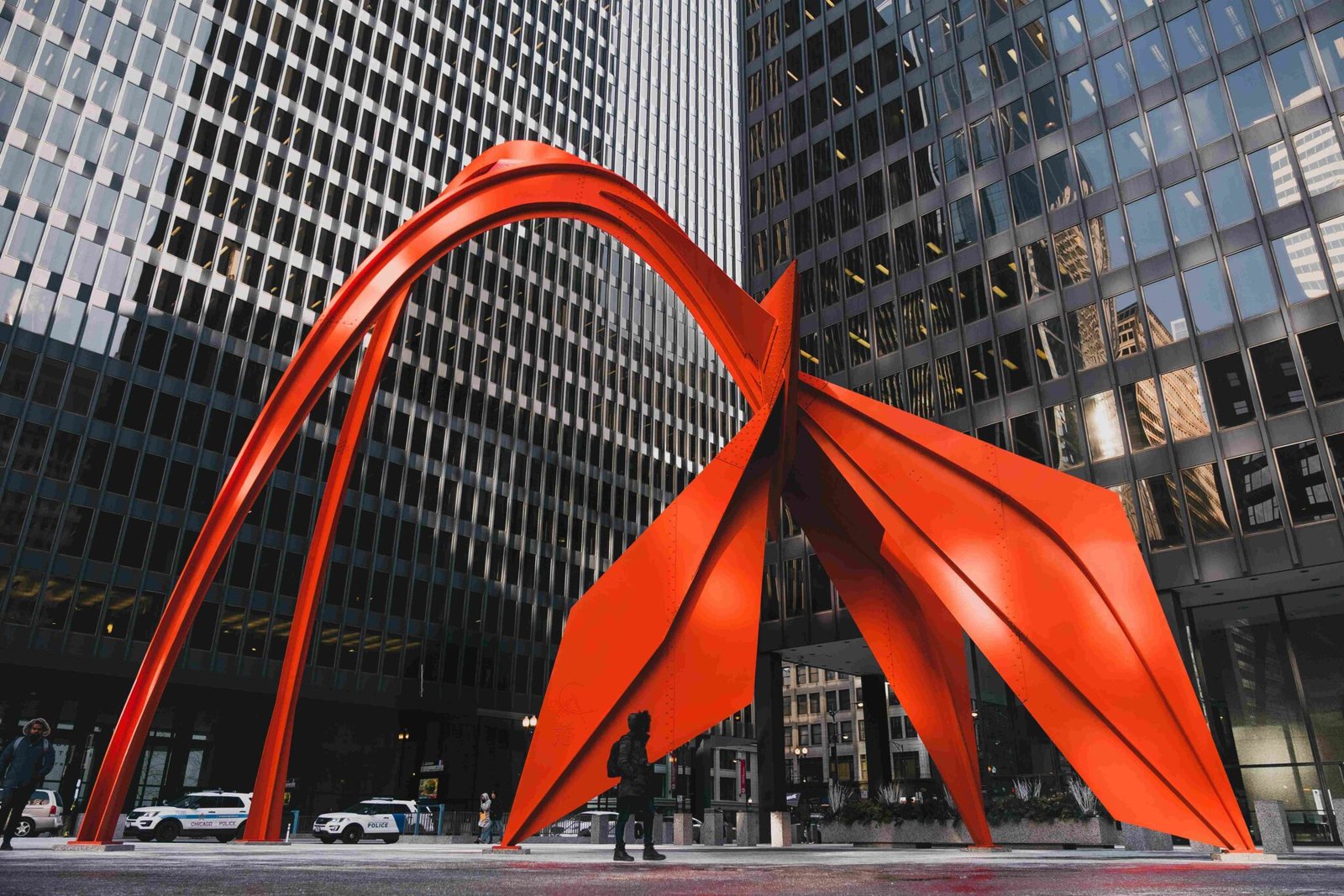
The Industrial Revolution introduced new metals (steel, aluminum) and fabrication techniques. Sculptors embraced these advancements to create larger, more ambitious works.
20th Century Modernism: Artists like Pablo Picasso and Julio González pioneered abstract welded steel sculptures.
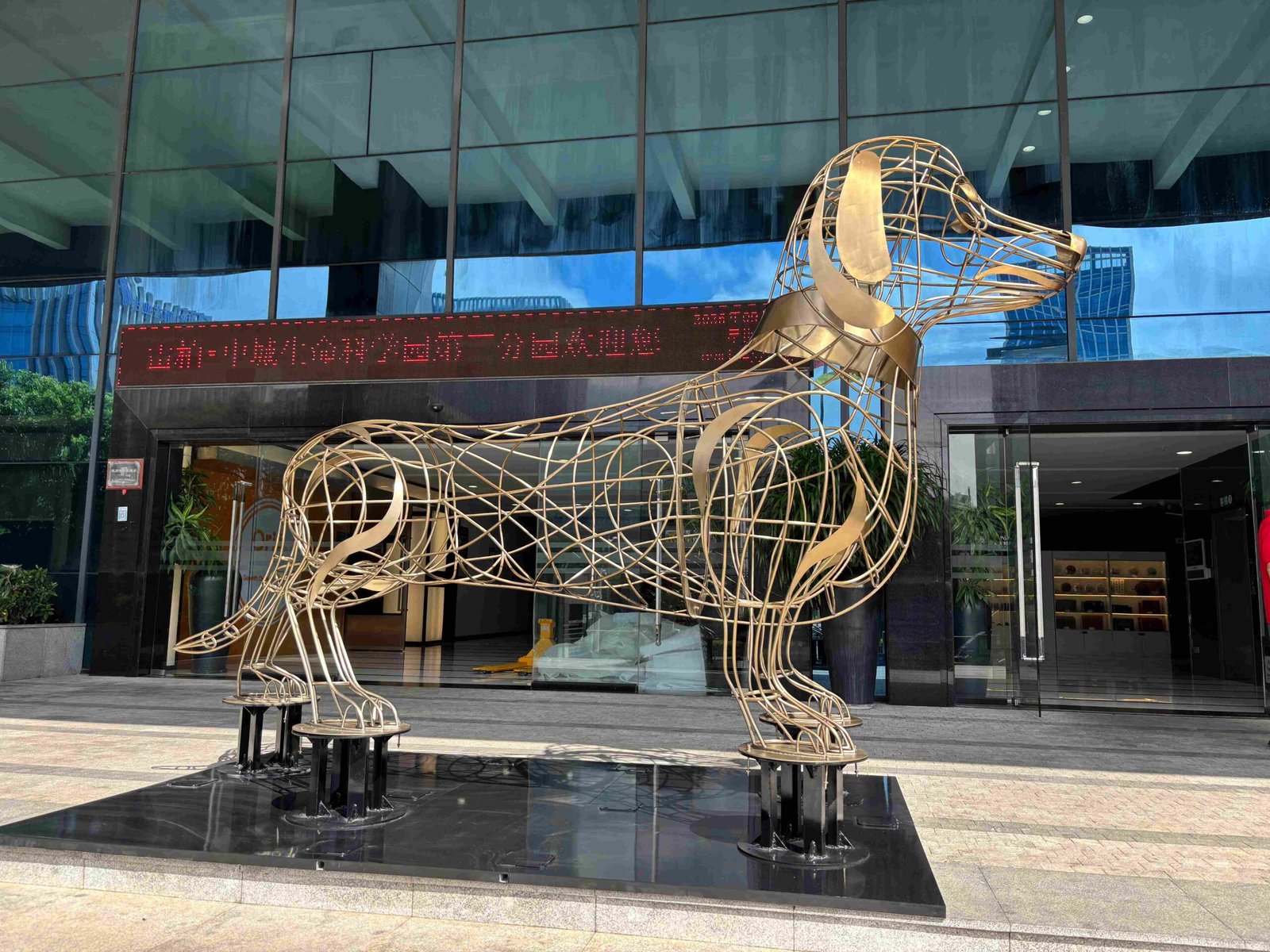
Public Art & Landmarks: Stainless steel and corten steel became popular for outdoor installations.
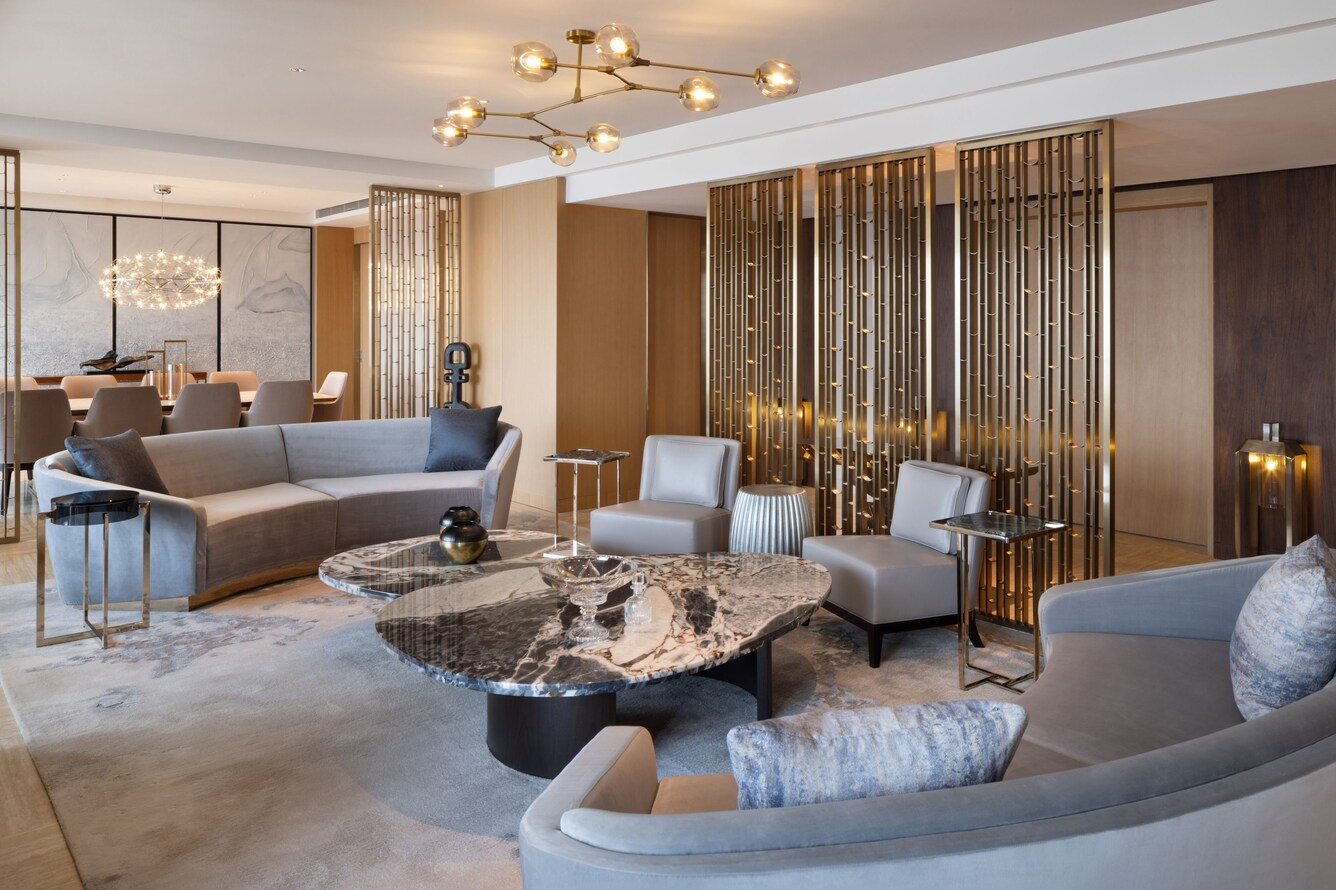
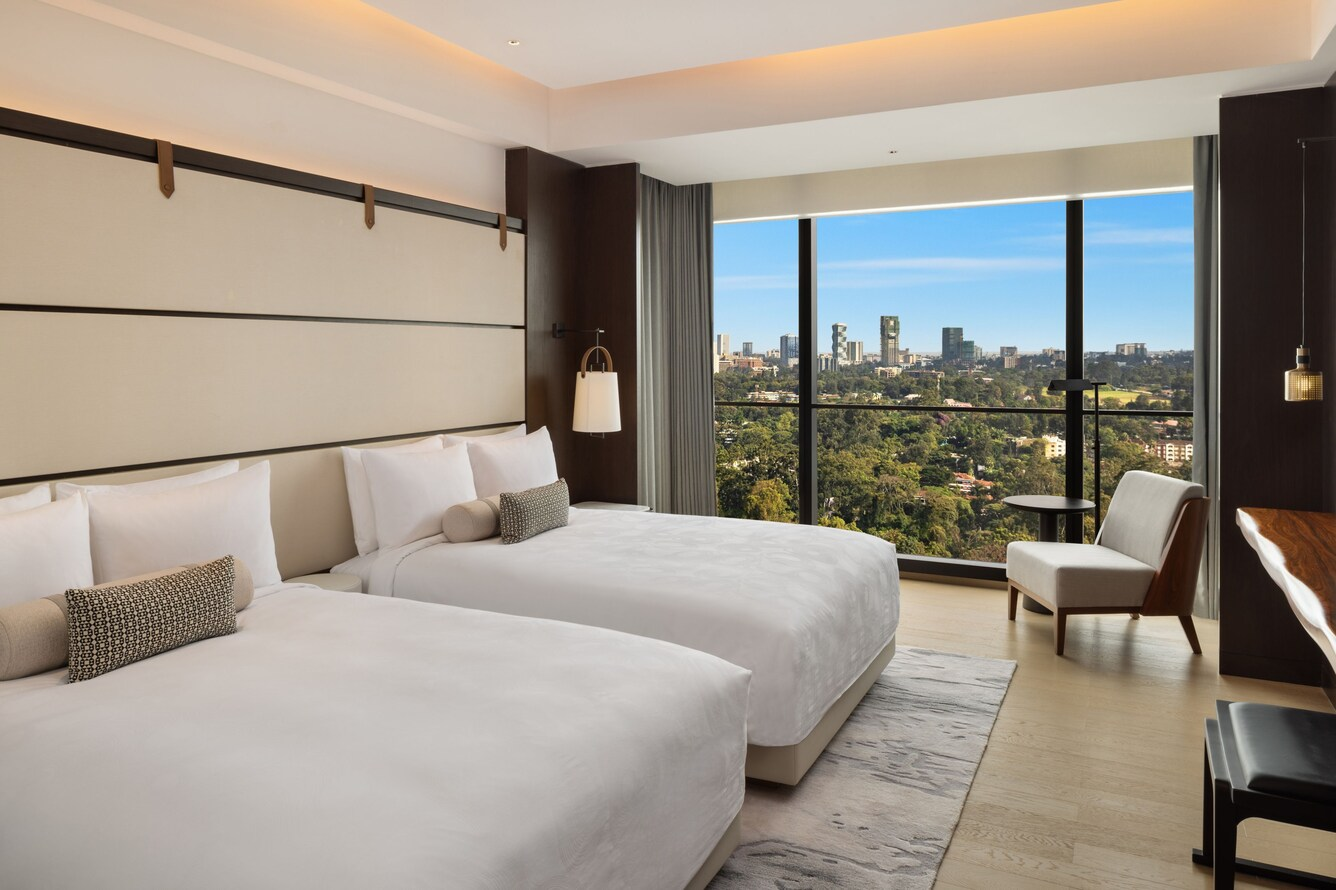
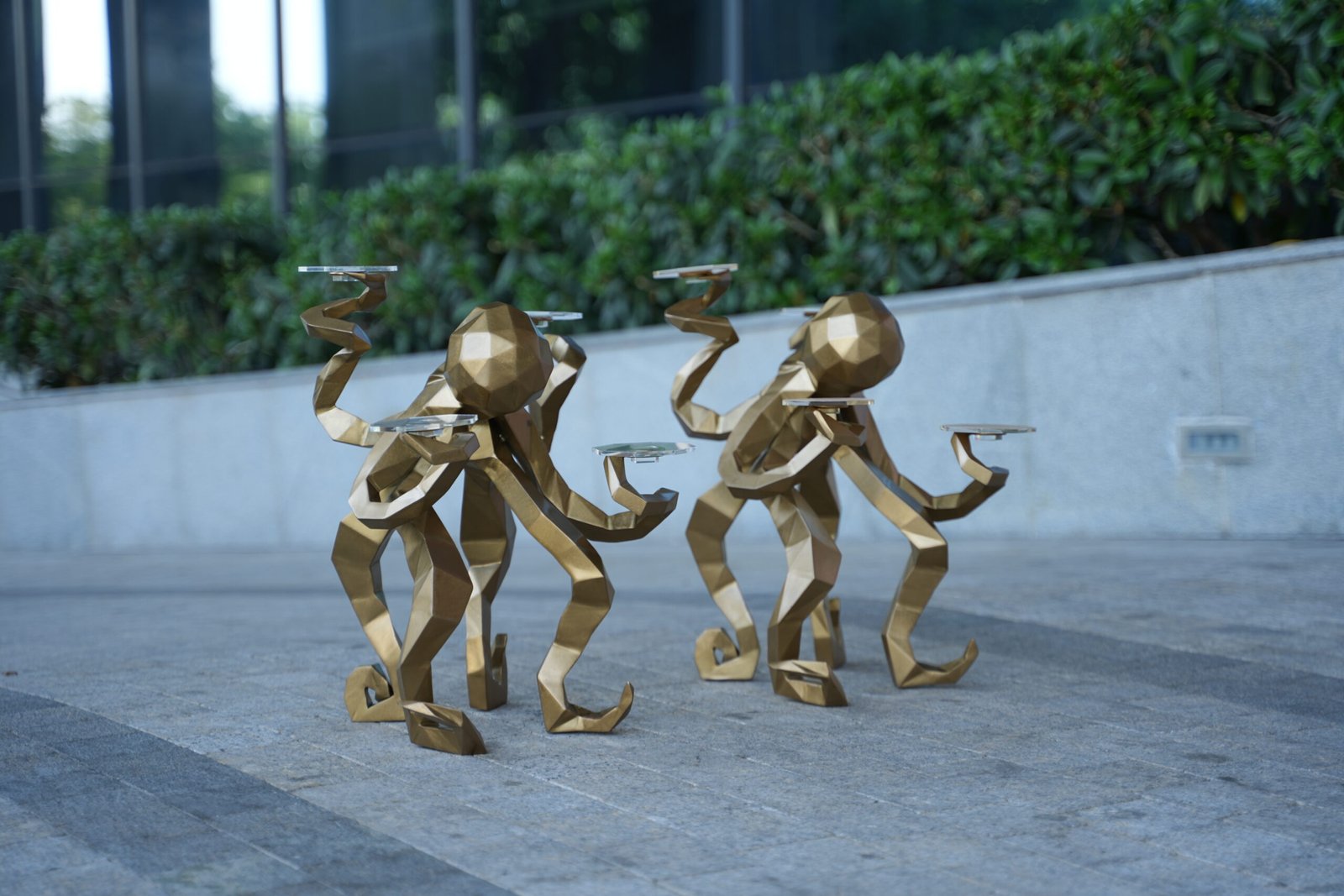
Contemporary Design: Today, metal sculptures are featured in luxury villas, hotels, shopping malls, and museums — merging art, architecture, and engineering.
Materials Used in Metal Sculptures
Modern projects demand both aesthetic excellence and structural integrity. Common materials include:
- Stainless Steel (304/316): Polished, brushed, or coated finishes; ideal for contemporary works.
- Bronze: Timeless appeal, often used in commemorative sculptures.
- Aluminum: Lightweight, allowing large-scale designs.
- Corten Steel: Modern “rusted” look with built-in weather resistance.
Applications in Modern Architecture
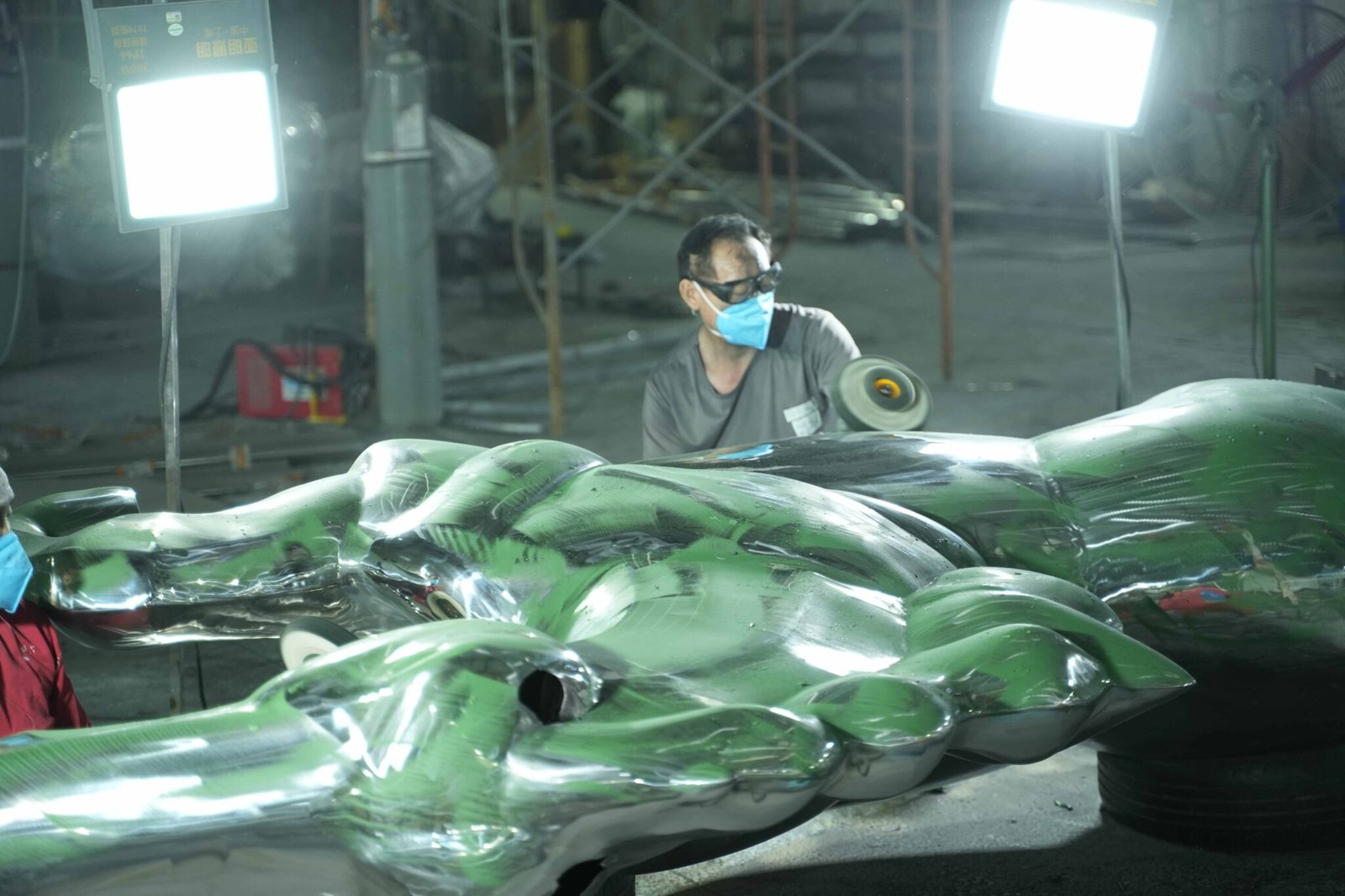
From ancient casting to modern CNC cutting, techniques have evolved significantly:
- Casting: Traditional bronze casting (lost-wax method) still used for fine details.
- Welding & Assembly: Enables large abstract or geometric structures.
- Laser Cutting & CNC Machining: Precision shaping for complex designs.
- Finishing: Brushed, polished, powder coated, or PVD-coated for durability and style.
Applications in Modern Architecture
Today, metal sculptures are more than art — they are architectural statements.
- Hotels & Resorts: Signature lobby sculptures and decorative installations.
- Luxury Villas & Apartments: Garden statues and wall-mounted sculptures.
- Museums & Cultural Centers: Landmark artworks symbolizing identity.
- Urban Spaces: Outdoor installations as focal points of public plazas.
Why Metal Sculptures Endure
The legacy of metal sculpture continues because of its unique qualities:
- Durability: Resistant to time and weather.
- Symbolism: Reflects cultural, historical, or corporate identity.
- Versatility: Fits both classic and modern design aesthetics.
- Craftsmanship: Blends artistry with advanced fabrication technology.
NEXTOP carries forward this legacy, offering custom-made sculptures that unite timeless artistry with modern precision.
Conclusion
From ancient bronze icons to contemporary stainless steel masterpieces, metal sculptures tell a story of human ingenuity and artistic expression. At NEXTOP, we bring this history into the future — crafting custom sculptures that transform spaces, embody cultural values, and stand as lasting works of art.
👉 Call to Action: Discover our portfolio of Architectural Metal Sculptures and see how NEXTOP can help you create a piece that endures for generations.